Does key cutting require original keys? Learn when a locksmith can cut a replacement from a code, lock or spare, including modern car keys. Fast.
Replacement Key Programming Guide for Drivers
Losing the only key to your car usually happens at the worst possible time – outside work, on a school run, in a supermarket car park in the rain, or when you are already late. A proper replacement key programming guide helps you understand what happens next, what can be done at the roadside, and why modern car keys are not as simple as cutting a new blade and hoping for the best.
Most drivers are surprised by how much security sits inside a modern car key. On many vehicles, the metal part opens the lock, but the coded chip inside the key is what allows the engine to start. If that coding is missing, incorrect, or damaged, the immobiliser blocks the vehicle. That is why key replacement is often a two-part job – cutting the key and programming it to the car.
What replacement key programming actually means
When people say they need a new car key, they often mean one of three different problems. They may have lost all keys, they may still have one working key but need a spare, or they may have a key that turns in the lock but will not start the car. Each situation changes the job.
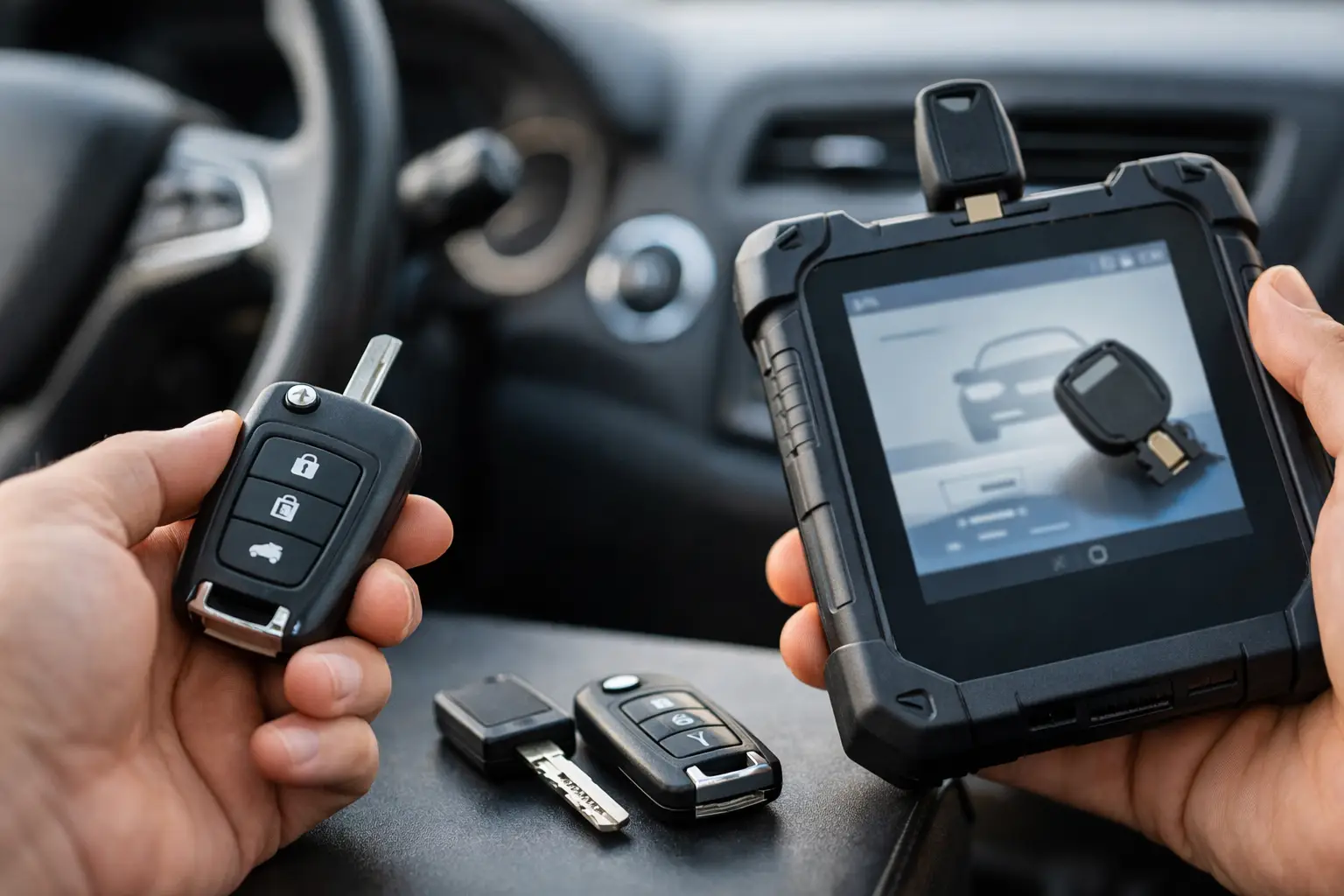
Replacement key programming usually means introducing a new key, transponder chip, remote fob, or proximity key to the vehicle’s onboard system so the car recognises it as authorised. On older cars, that process can be fairly straightforward. On newer vehicles, it can involve secure data access, immobiliser matching, remote synchronisation, and in some cases deleting lost keys from the system for security.
That matters if your missing key could still be out there. If you have dropped it in a public place or suspect theft, programming a new key without removing the old one is not always enough. In some cases, the safer option is to erase old keys so they can no longer start the vehicle.
The main key types you are likely to have
Traditional mechanical keys
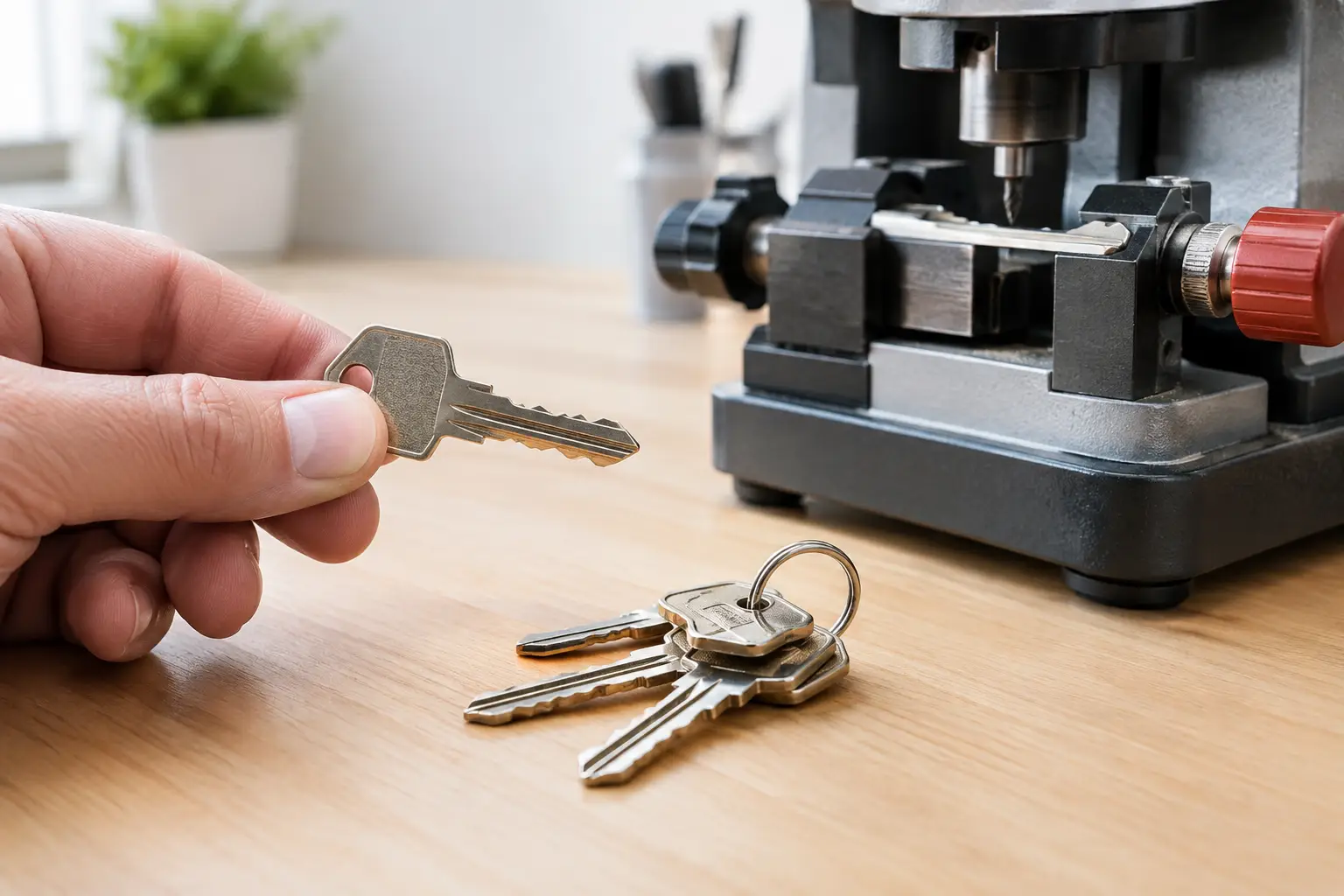
These are the simplest. If there is no transponder chip, replacement may only involve cutting a new key to match the lock. You still want it cut accurately, because poor cuts can damage worn locks over time.
Transponder keys
These became common from the mid-1990s onwards. They contain a chip that communicates with the immobiliser. A replacement has to be cut and then programmed correctly, otherwise the car may crank and fail to start, or not respond at all.
Remote keys and flip keys
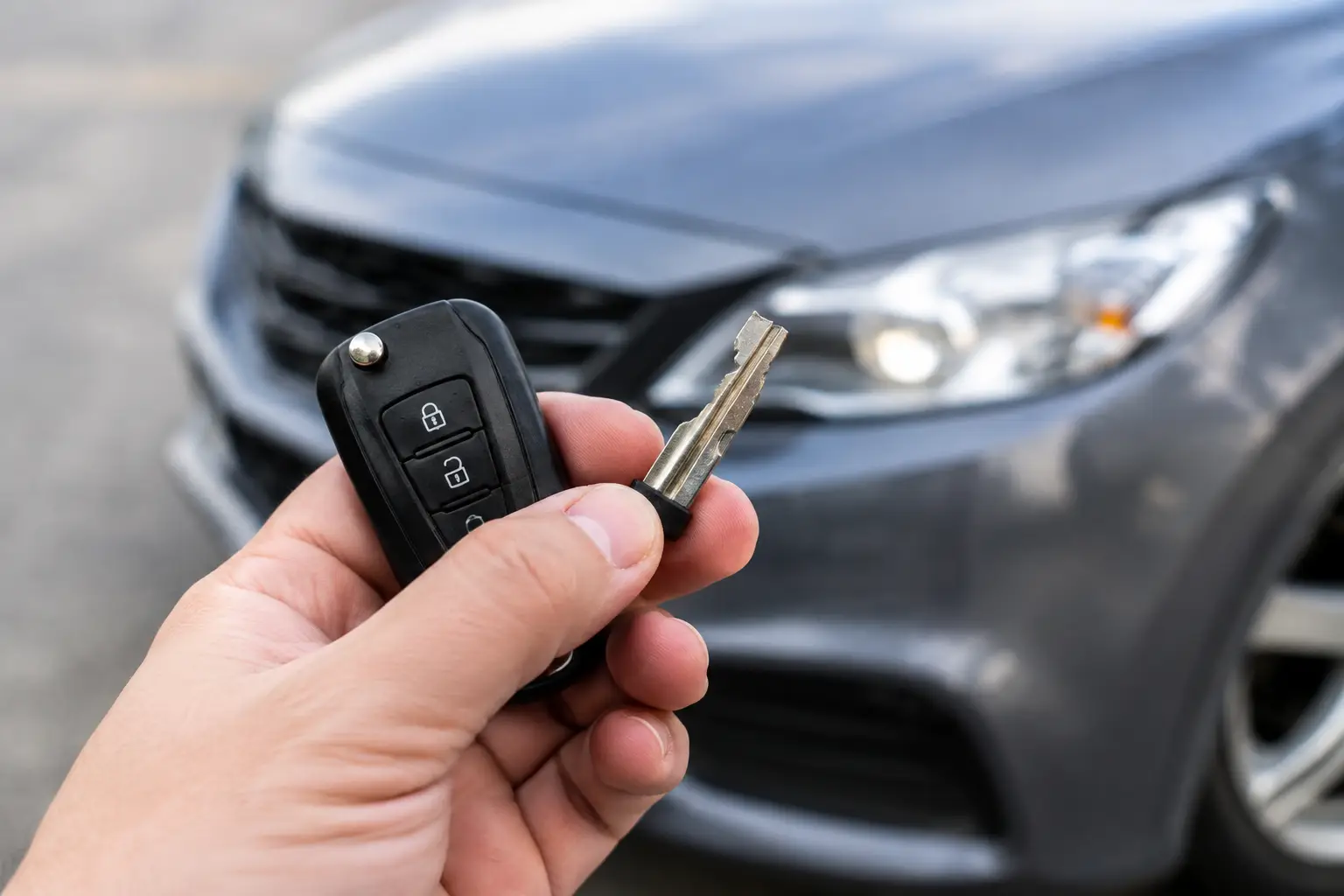
These combine blade cutting, transponder coding, and remote locking functions. Sometimes the remote stops working while the chip still starts the car. Other times, the shell breaks, the buttons fail, or the blade loosens. Not every faulty remote means you need a full replacement, so it is worth checking whether repair is possible.
Proximity and keyless systems
These are more complex and usually more expensive. The car detects the key nearby rather than needing it in the ignition. Programming these systems takes the right equipment and experience, especially when all keys are lost.
Why a simple cut key often is not enough
This is where many drivers get caught out. A key copied at a standard key-cutting kiosk might open the door, but that does not mean it will start the engine. If the vehicle uses a transponder or smart key system, the electronic side has to match the car’s security data.
There is also the issue of quality. Cheap aftermarket keys can work perfectly well in some cases, but in others the chip quality, remote board, or battery contacts are poor. That can lead to intermittent faults that are harder to diagnose than a key that simply fails outright. A good auto locksmith will tell you where an aftermarket option is sensible and where a genuine or higher-grade replacement is the better choice.
A practical replacement key programming guide for common situations
If you still have one working key
This is usually the best-case scenario. The vehicle can often be read and matched more quickly when a working key is present. It also means the locksmith can confirm exactly what system the car is using and test the replacement against a known good key.
If you have one working key, do not wait until you lose it. Getting a spare programmed while the car is accessible is normally faster, cheaper, and less stressful than dealing with an all-keys-lost situation at the roadside.
If all keys are lost
This is more involved, but it is still a routine job for a specialist automotive locksmith. The car may need to be accessed non-destructively first. After that, the key data has to be identified, a new key cut, and the new transponder or proximity key programmed to the vehicle.
On some models, all lost keys can also be removed from memory. That gives added peace of mind, especially if you are not sure where the original key ended up.
If the key opens the car but will not start it
That usually points to a transponder, immobiliser, or chip issue rather than a cutting issue. The blade is doing its job, but the coded part is not being recognised. Sometimes the chip has failed. Sometimes the key has been damaged after a drop, water exposure, or shell breakage. Sometimes the fault is in the vehicle itself. Proper diagnostics matter here, because replacing the key alone will not fix every non-start problem.
If the buttons have stopped working
Remote failure does not always mean the whole key is finished. It could be a flat battery, damaged microswitches, a worn case, or loss of synchronisation. In many cases, a shell repair or remote repair is enough. In others, the remote board needs replaced and programmed.
How long key programming takes
It depends on the car, the key type, and whether a working key is available. A straightforward spare key job can often be done relatively quickly. An all-keys-lost job on a newer vehicle can take longer because there are more stages involved.
Location matters too. Roadside work is common and often the fastest option for the customer because there is no recovery delay, but some jobs are tighter on time than others depending on access, weather, battery condition, and the vehicle’s security system. If the car battery is weak or flat, that can also interrupt programming and needs dealt with first.
What affects the cost
Drivers usually ask for a price straight away, which is understandable. The main factors are the make and model, year, key type, whether all keys are lost, and whether remote or proximity functions are included.
A basic older key with no chip will generally cost less than a smart key for a newer vehicle. An all-keys-lost job costs more than adding a spare because the locksmith is starting from scratch. Out-of-hours emergency attendance can also affect pricing, although a fair local specialist should be clear about costs before work starts.
Very cheap quotes can be misleading if they only cover cutting a blade and not the actual coding, remote setup, or call-out. It is better to ask what is included than to focus only on the lowest number.
Why an automotive specialist matters
A general locksmith may be excellent with house locks and still not be equipped for modern vehicle systems. Car keys are now tied closely to immobilisers, remote locking, EEPROM data in some cases, and manufacturer-specific procedures. The tools matter, but experience matters just as much.
That is especially true when speed matters. If you are stranded in Glasgow, Paisley, Cumbernauld, Greenock, or across Ayrshire, you want someone who understands vehicle entry, key generation, and programming without turning a bad day into bodywork damage or a long tow to a dealer. That is exactly why drivers call specialists such as Auto Locksmith Doctor Ltd when they need a practical fix at the car, not vague advice.
A few sensible steps before you call
Check whether your spare key is truly lost or simply unsynchronised with the remote. If the car has keyless entry, try the emergency start procedure in the handbook if you still have the fob but the battery may be flat. Make sure the vehicle battery has not died, because a dead car battery can mimic key faults.
If all keys are gone, have your registration, exact model, year, and location ready. If the car is in a multi-storey car park, underground area, or a tight driveway, say so from the start. That saves time and helps the locksmith arrive prepared.
Replacement key programming guide for avoiding the same problem again
Once the job is done, the smartest move is getting ahead of the next one. Keep a spare key in a safe place at home rather than in the car. Replace damaged shells before the circuit board is exposed. If the key starts sticking in the ignition or door lock, get it checked before it snaps. Small signs of wear usually show up before complete failure.
And if you only have one working key today, treat that as a warning, not a plan. Most key emergencies are cheaper to prevent than to solve in a hurry.
When your car key stops being a key and starts becoming a problem, the right help is straightforward, local, and focused on getting you moving again without fuss.

Related Posts