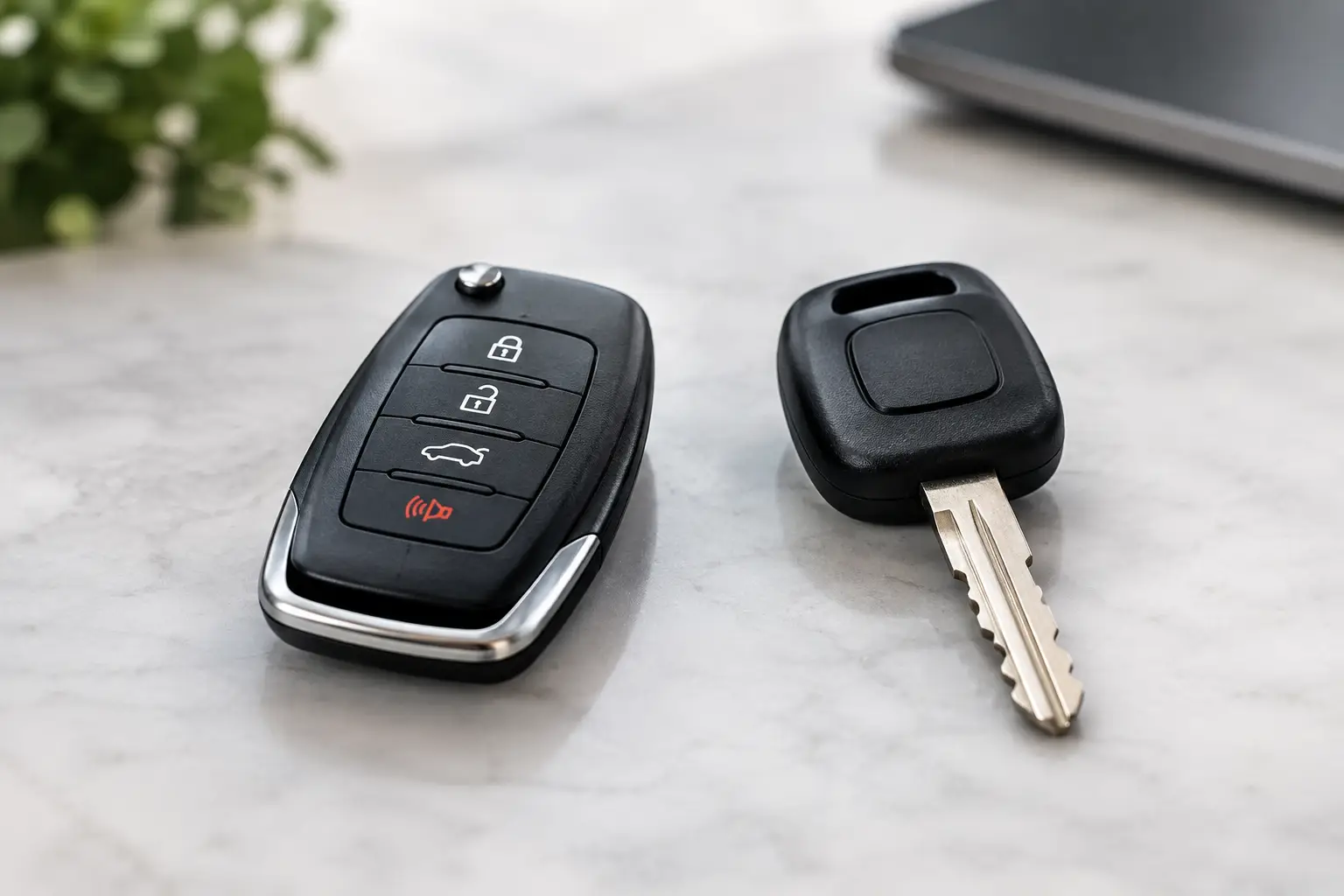
Smart key versus transponder key: learn how each works, what fails, replacement costs and when a Glasgow auto locksmith can get you moving again quickly.

Van Ignition Repair Case Study That Got It Moving
A van that will not start is more than an inconvenience when it carries tools, stock or the next job of the day. This van ignition repair case study shows how a no-start callout should be approached: by checking the actual fault first, avoiding guesswork, and protecting the van from unnecessary damage.
The vehicle in this example was a working diesel van used by a local tradesperson in West Central Scotland. The driver had arrived at an early job, switched off the engine, and later found the key would turn only part-way in the ignition. The steering wheel was locked, the dash lights did not come on, and the van was blocking access at the site.
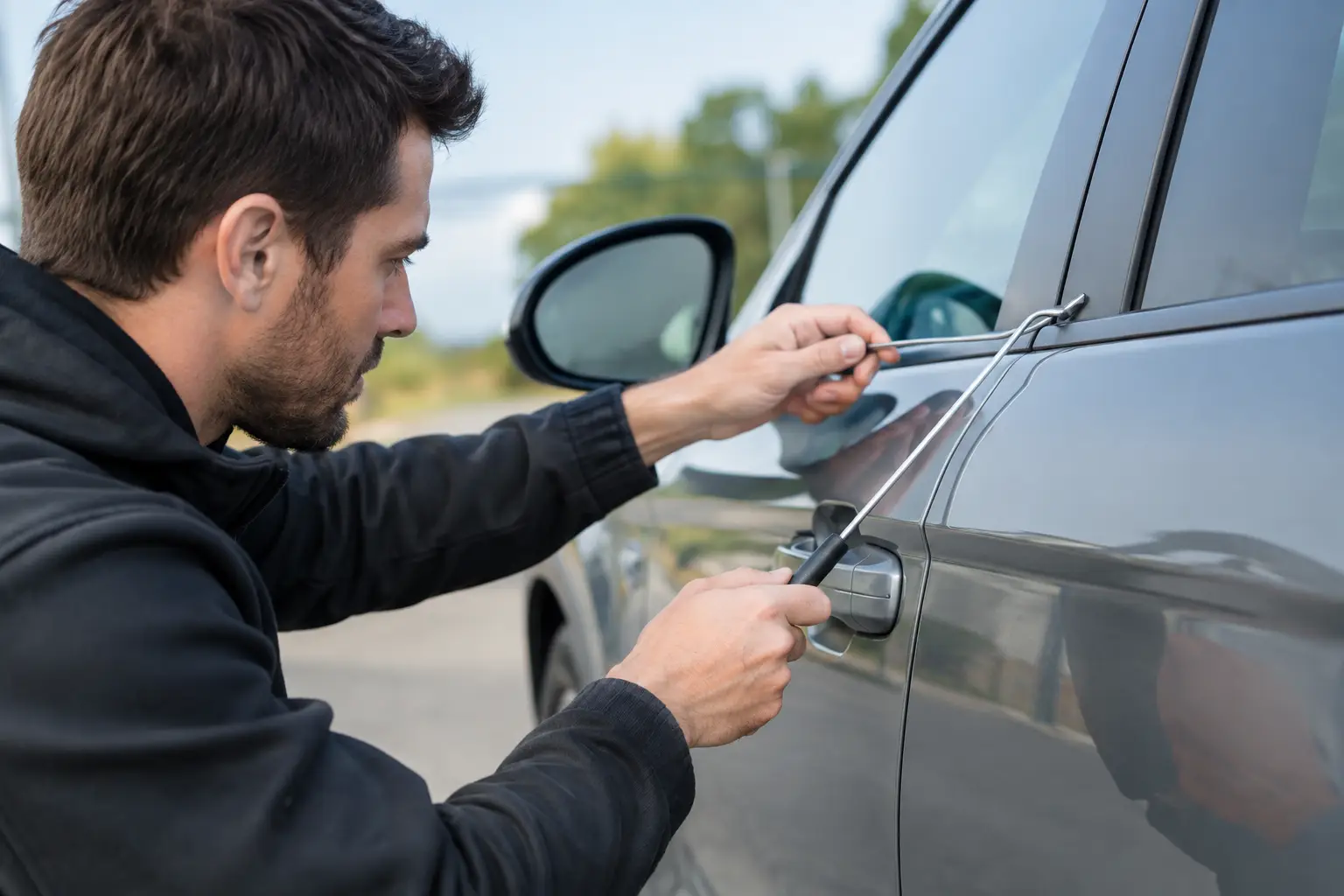
The temptation in this situation is to force the key, spray lubricant into the barrel or try to turn the steering wheel aggressively. All three can turn a repairable issue into a more expensive one. The right response is a calm diagnosis by an automotive locksmith who understands both mechanical ignition parts and modern vehicle security systems.
The callout: a van key that would not turn
The driver initially believed the key itself had failed. That was a reasonable assumption because the key had become harder to turn over several weeks. However, a difficult key is not always a worn key. It may point to wear inside the ignition barrel, a damaged wafer or tumbler, a steering lock under tension, contamination in the lock, or a problem in the ignition housing.
On arrival, the first priority was confirming whether the van was safely secured and whether there was any immediate risk of damage. The key was inspected for visible twisting, worn cuts and cracks around the head. It was not badly bent, but the blade showed clear signs of use. This mattered because a worn mechanical key can stop lifting the internal components of the ignition barrel to the correct height.
The steering wheel was also under load. This can happen when the front wheels are turned against a kerb or when the vehicle is parked on an incline. In some cases, gently taking pressure off the steering lock while turning the key resolves the issue. Here, it did not. The key still stopped short of the ignition position.
That ruled out the simplest explanation and made a closer assessment necessary.
Why forcing the ignition was not the answer
A jammed van ignition can feel like a simple mechanical fault, but the consequences of forcing it can be serious. A key can snap in the barrel. The ignition barrel can be damaged beyond repair. On some vans, a heavy-handed attempt can affect the steering lock assembly or leave the vehicle stranded with parts of the ignition dismantled.
There is also an electronic side to consider. Most vans on the road use a transponder chip in the key. The metal blade turns the ignition, while the vehicle’s immobiliser reads the chip and decides whether to allow the engine to start. Replacing or repairing the mechanical barrel without considering the transponder system can leave a driver with a key that turns but still will not start the van.
This is why a general lock repair approach is not always enough. Van ignition work needs someone who can distinguish between the mechanical lock, the key blade, the transponder and the vehicle’s immobiliser communication.
Diagnosing the fault without dismantling the van unnecessarily
The assessment focused on the key-to-barrel relationship. A spare key was available from the driver’s home and was brought to the site. This was useful evidence, not just a backup. The spare key entered the ignition more smoothly, but it also failed to turn fully.
That result changed the diagnosis. If the original key alone had failed, cutting a fresh key from the vehicle’s lock code or from the spare may have been enough. Because both keys were affected, the likely fault was inside the ignition barrel rather than solely in the main key.
The locksmith then checked for signs of a damaged steering lock and confirmed that the key was fully entering the barrel. The fault appeared consistent with worn or sticking internal wafers. These small components read the pattern cut into the key. When one wears, sticks or sits out of position, the correct key may no longer rotate the barrel.
At this stage, the driver was given clear options. Depending on the exact van and the condition of the ignition assembly, the repair could involve freeing and repairing the existing barrel, rebuilding it to work with the current key, or replacing the barrel and supplying a correctly programmed key solution. The best option depends on availability of parts, the age of the van, and whether retaining one key for doors and ignition is practical.
The repair: retaining the original key where possible
In this case, the ignition barrel could be removed and repaired without damaging the steering column or surrounding trim. The internal fault was addressed, and the barrel was rebuilt to work correctly with the existing key pattern.
Keeping the original key arrangement was the sensible outcome. The customer did not need one key for the driver’s door and another for the ignition. More importantly, there was no need to alter the van’s immobiliser system because the existing transponder chip remained in use.
Once reassembled, the key turned through each ignition position smoothly. The steering lock released correctly, the dashboard powered up, and the engine started normally. The central locking and door operation were checked before the job was signed off.
A new spare key was also recommended. It was not essential to get the van moving that morning, but it was good preventative maintenance. A working van with one increasingly worn key is one awkward callout away from lost time.
What this van ignition repair case study tells drivers
The main lesson is that ignition trouble nearly always gives a warning before complete failure. A key that sticks, needs wiggling, turns only after several attempts, or feels unusually loose should not be ignored. These symptoms may be intermittent for months, then become a full no-start at the worst possible time.
The right repair depends on what has failed. A key that will not turn can be a worn blade, a failing ignition barrel or steering lock pressure. A key that turns but does not start the engine may be an immobiliser, transponder or programming issue instead. A key that turns freely without bringing on the ignition may suggest a damaged barrel or ignition switch connection.
They can look similar from the driver’s seat, but they are not the same fault. That is why diagnosis comes before parts replacement.
When to call an auto locksmith for a van ignition fault
Call for specialist help if the key is stuck in the ignition, will not enter properly, turns only with force, or turns without starting the van. The same applies if a broken key is lodged in the barrel. Trying to extract it with pliers, pins or household tools can push debris further in and damage the lock.
For tradespeople and business users, acting early is usually cheaper than waiting. A planned repair at home, a depot or a quiet parking area is far easier than dealing with a dead van outside a customer’s address. If the key starts becoming difficult to use, arrange an inspection and have a spare cut before the main key fails.
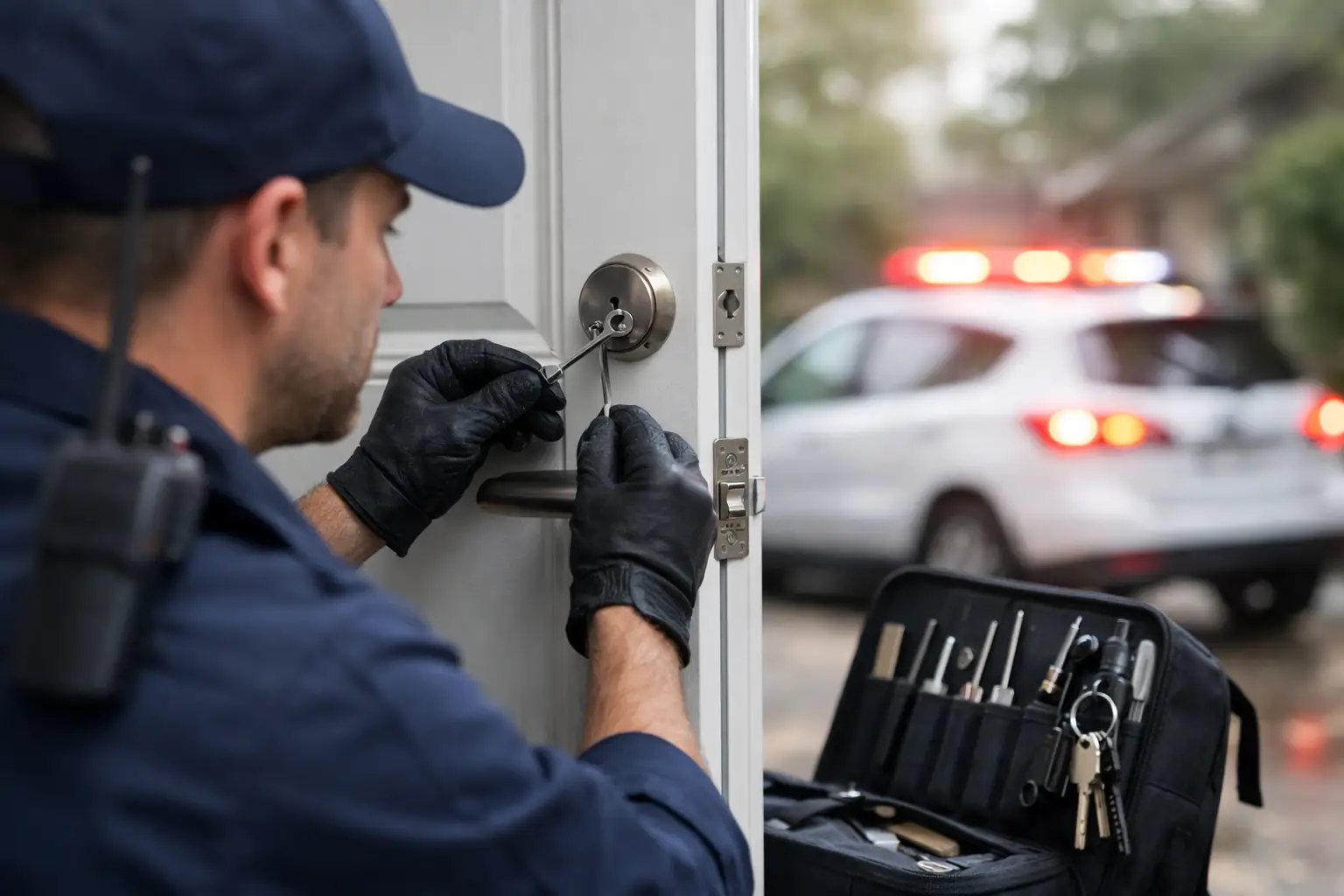
Auto Locksmith Doctor Ltd provides practical, damage-free vehicle locksmith support across Glasgow, Cumbernauld, Paisley, Ayrshire, Greenock and surrounding areas. For a van that will not unlock, accept the key or start, the priority is getting a proper diagnosis on site and a fair solution that gets you back to work.
If your van ignition is starting to feel stiff or unreliable, do not wait for the morning it refuses to move. A quick check now can prevent a missed job, a stranded vehicle and a much more difficult repair later.

Related Posts