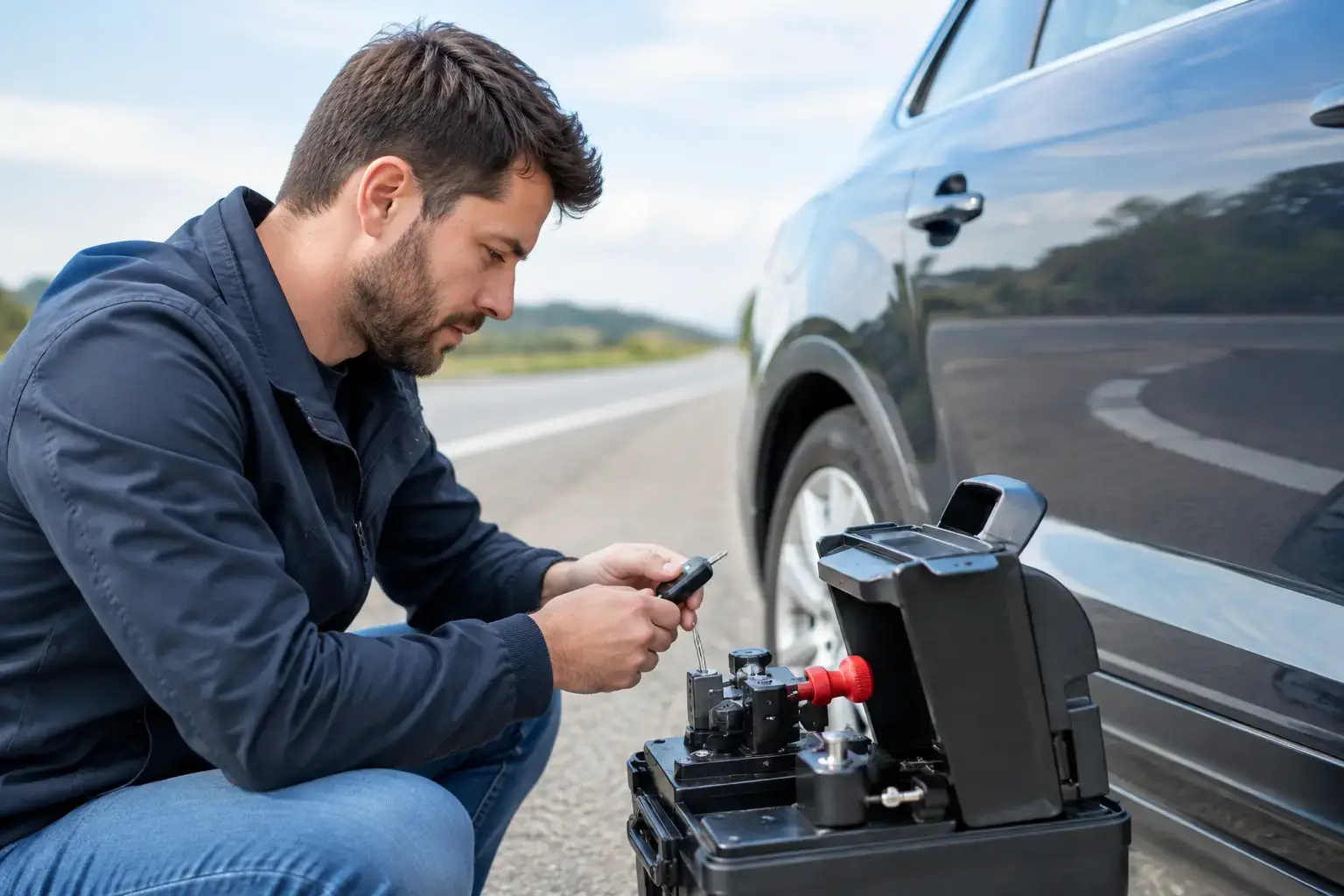
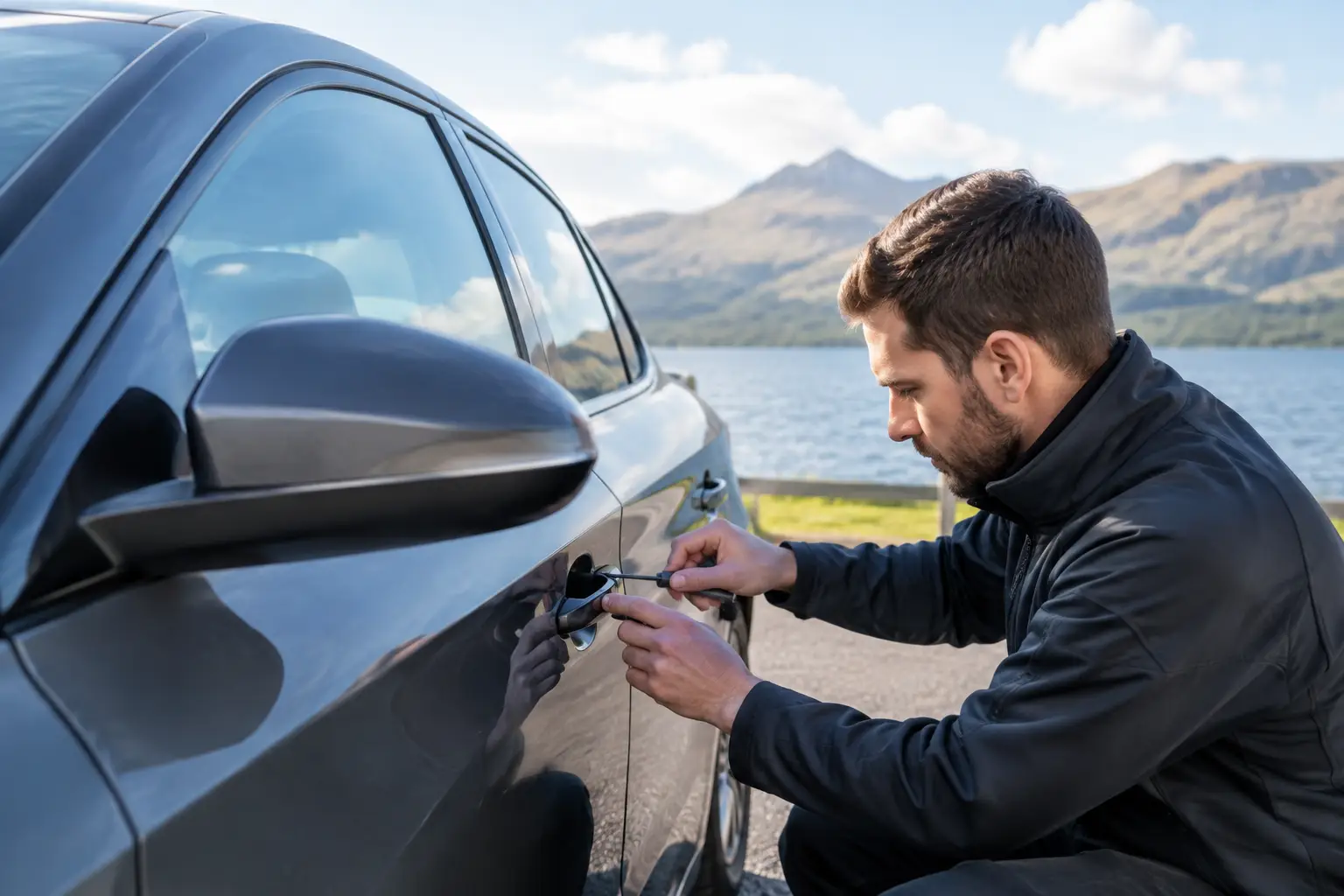
Need a guide to roadside key cutting? Learn how replacement car keys are cut and programmed at your vehicle across West Central Scotland, without damage.
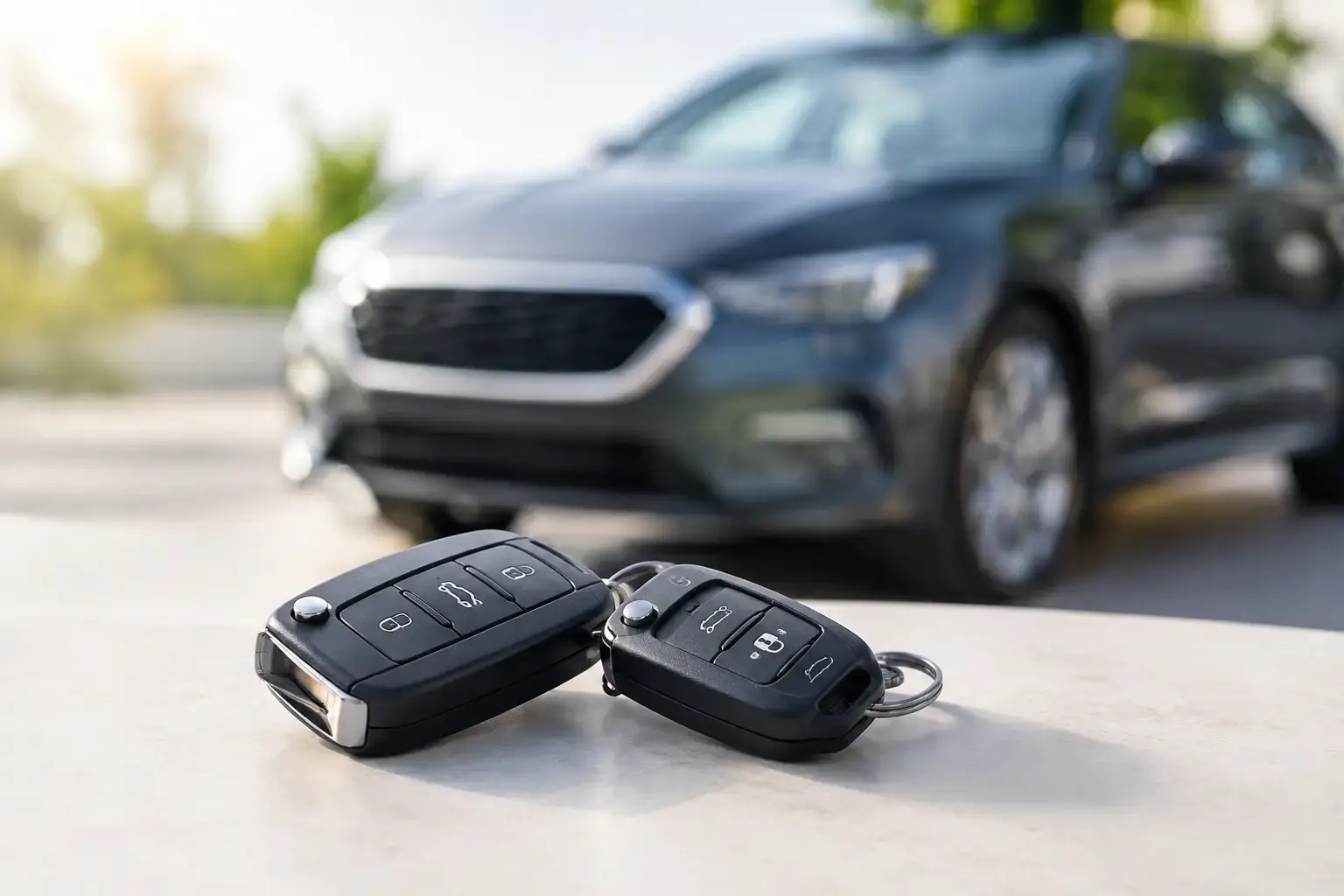
Are Aftermarket Key Fobs Reliable for Your Car?
A £25 key fob can look almost identical to the original, right down to the buttons and badge-shaped recess. That does not mean it will start your car, operate every function properly or last through a Scottish winter. Are aftermarket key fobs reliable? Some are perfectly serviceable replacements, but reliability depends far more on the fob type, the supplier and the programming work than the price alone.
For drivers in Glasgow and across West Central Scotland, the sensible question is not simply whether an aftermarket fob is cheap. It is whether it is compatible with your specific vehicle and whether it will still work when you are late for work, collecting the kids or parked somewhere unfamiliar.
Are aftermarket key fobs reliable?
A good-quality aftermarket key fob can be reliable when it is the correct unit for the car and is programmed properly. This is most common with straightforward remote keys, replacement remote cases and certain transponder key setups. A reputable automotive locksmith will check the vehicle details, the blade profile, the transponder type and the remote frequency before fitting or programming anything.
The problem is that “aftermarket” covers a wide range of products. At one end are carefully manufactured replacement units made to match the original specification. At the other are very cheap generic fobs with poor circuit boards, weak button membranes, incorrect components or unreliable radio transmitters. They may work briefly, work only from close range, or fail to programme at all.
Modern cars make the decision more complicated. A key can contain several separate systems: a mechanical blade, remote locking electronics, a transponder chip for the immobiliser, and, on keyless vehicles, proximity technology. One part may work while another does not. For example, the buttons might lock and unlock the doors, yet the engine will not start because the immobiliser chip has not been correctly coded.
The difference between a shell, a remote and a complete key
Many drivers are offered a replacement “key fob” when they only need a new outer shell. These are not the same thing.
If the casing is cracked, the key blade is loose or the buttons have worn through, a replacement shell can be a very practical and dependable repair. The original circuit board and transponder are transferred into the new housing, so the coded parts of the key remain the same. Done carefully, it is often the most cost-effective answer.
A replacement remote fob includes new electronics. It must match the vehicle’s required frequency and remote system, then be paired correctly. A complete replacement key usually includes the remote electronics, transponder and blade. It needs cutting and programming before it can do the full job.
Confusion between these parts is a major reason people buy the wrong item online. A listing can state that a fob “fits” a particular model because the case looks right, even though the internal circuit, frequency or chip type is different. Physical appearance is not proof of compatibility.
What determines whether an aftermarket fob will last?
Reliability comes down to build quality and correct matching. The following checks matter more than a flashy product description:
- The remote frequency and part number must be correct for the vehicle, including the model year.
- The transponder chip must be compatible with the car’s immobiliser system.
- The blade must be cut accurately and move properly in the ignition or door lock.
- The circuit board should have sound soldering, durable switches and a secure battery contact.
- The key must be programmed using suitable diagnostic equipment, then tested fully before the job is finished.
A poor battery contact is a common fault on cheap fobs. The remote may work intermittently after being dropped or when the weather turns cold. Weak button switches can cause a similar problem, with one button needing repeated presses while the others still respond.
The range of the remote is another clue. A working fob does not need to operate from the other end of a car park, but it should lock and unlock consistently at a normal distance. If you have to stand beside the driver’s door or press the button several times, there may be an issue with the fob, the battery, the car’s receiver or interference in the area.
Programming is where cheap replacements often go wrong
Buying a compatible-looking fob is only one part of the repair. Most post-1995 vehicles use an immobiliser system designed to prevent unauthorised starting. The car must recognise the transponder inside the key. On many vehicles, adding a key requires specialist equipment and security access procedures.
Some fobs can be synchronised with a simple sequence of ignition and button presses. Others cannot. Attempting a random online procedure on a modern vehicle can waste time and, in some cases, leave the existing remote functions out of sync. It will not usually damage the car, but it can turn a straightforward replacement into an avoidable call-out.
A proper job involves checking that the new key starts the engine, locks and unlocks every door, operates the boot where applicable, and works after the ignition is switched off and restarted. On proximity-key systems, the locksmith should also test passive entry and push-button starting rather than assuming the presence of the key is enough.
OEM versus aftermarket: the real trade-off
An original equipment manufacturer, or OEM, key is the closest match to the key supplied when the vehicle was new. It is normally the safest route where the car uses advanced keyless entry, smart-key functions or a system known to be fussy about replacement parts. OEM keys can also be the better choice for newer or higher-value vehicles where full function and finish matter.
Aftermarket keys usually cost less and can be a good option for many everyday vehicles. The saving is worthwhile when the replacement is from a known-quality source and has been correctly selected. For an older family car, van or second key, a reliable aftermarket replacement may make excellent sense.
The trade-off is consistency. With OEM, you generally know what standard you are getting. With aftermarket, quality varies. The cheapest option can become expensive if it fails shortly after programming, needs another call-out or leaves you without a dependable spare.
When an aftermarket fob is a good choice
A quality aftermarket fob is often suitable if you need a spare key, your existing remote has failed, or you have lost a key and need a practical replacement without dealership-level cost. It can also be a sensible option when an original fob is no longer readily available for an older vehicle.
Replacement shells are particularly worthwhile when the electronics still work but the case is damaged. There is no reason to replace coded components merely because a key has cracked plastic or worn buttons. Keeping the original board and chip avoids unnecessary programming work.
It depends on the vehicle. A basic remote key for a common model is very different from a late-model proximity fob with keyless entry, remote start features or encrypted security functions. The more technology inside the key, the more careful the parts choice needs to be.
When you should be cautious
Be wary of a fob advertised as universal, especially where it claims to cover a large number of makes with no part number or frequency details. Car keys are not universal accessories. Even within one manufacturer, a 2014 model may use a different system from the same model built a year later.
You should also be cautious if your current key works only occasionally. The fault may not be the fob at all. A drained vehicle battery, damaged door-lock actuator, faulty receiver, water ingress or central-locking fault can all look like a key problem. Replacing the fob without diagnosis may not fix the issue.
If the vehicle will not start, do not assume a flat remote battery is responsible. On many cars, the remote battery powers the buttons but does not power the immobiliser transponder. The car may still start with a flat remote battery, depending on the key design. A specialist can separate a remote fault from an immobiliser or ignition problem quickly.
How to get a replacement that you can trust
The most reliable route is to have the key assessed against the vehicle rather than ordering by shape alone. Bring every working key you have if possible, along with the make, model, year and registration details. A locksmith can identify the correct key type and confirm what needs to be cut, cloned or programmed.
Ask whether the fob is OEM, aftermarket or a shell repair, and ask what functions will be tested. Clear answers are a good sign. You should know whether the quoted price includes the key, blade cutting, programming and testing, rather than finding out later that each step is separate.
Auto Locksmith Doctor Ltd deals with replacement car keys, remote fobs, immobiliser programming and damaged key shells across West Central Scotland. Where a reliable aftermarket option is suitable, it can offer fair value. Where the car needs an original-quality or more specific solution, it is better to say so before any work begins.
A car key is small, but it is the one item that can stop the whole day when it fails. Choose the replacement that matches your vehicle properly, have it programmed and tested by someone who works with vehicle security systems, and keep a working spare before the remaining key becomes an emergency.

Related Posts