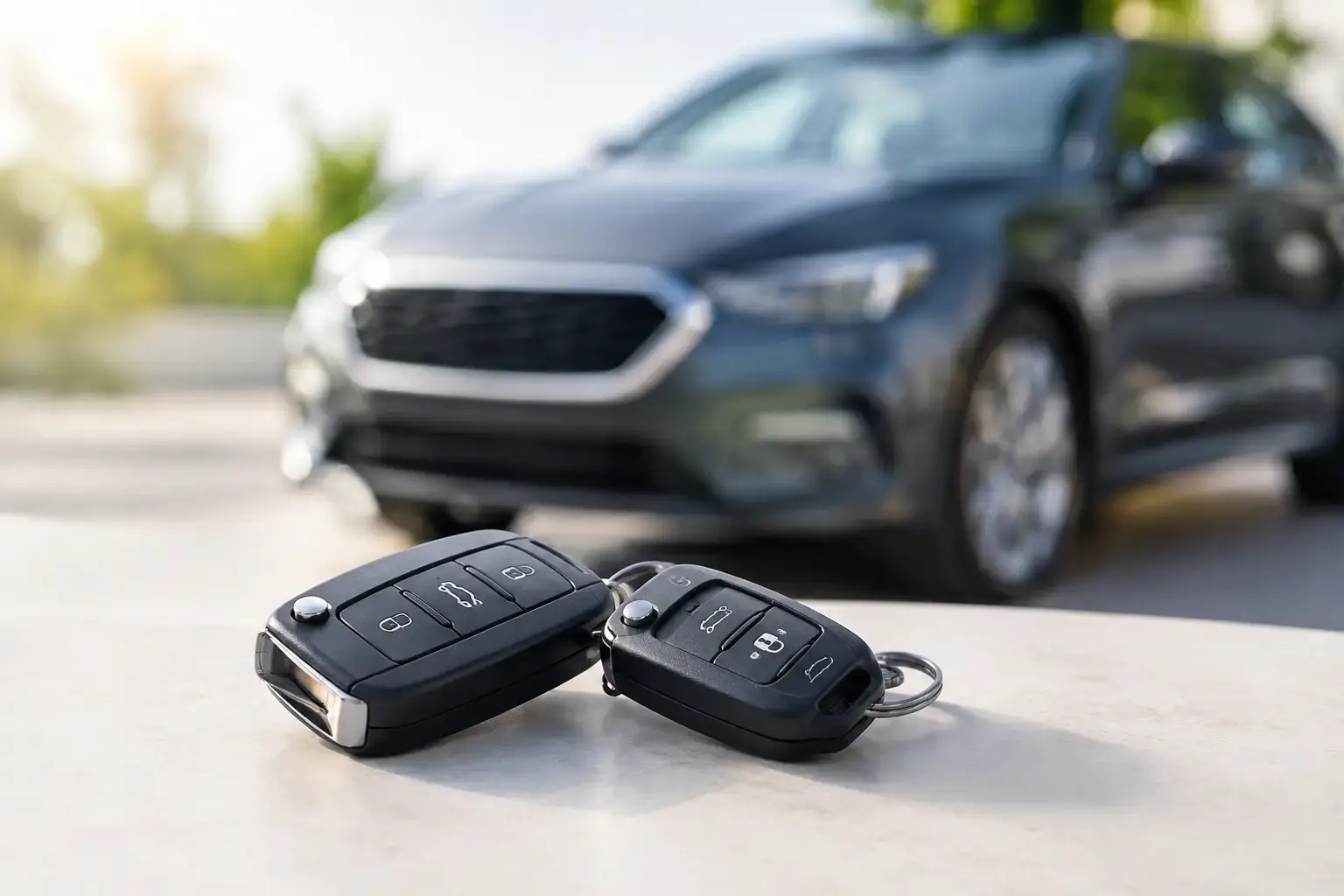
Are aftermarket key fobs reliable? Learn what affects quality, programming and security, plus when a specialist replacement is the safer choice for cars.
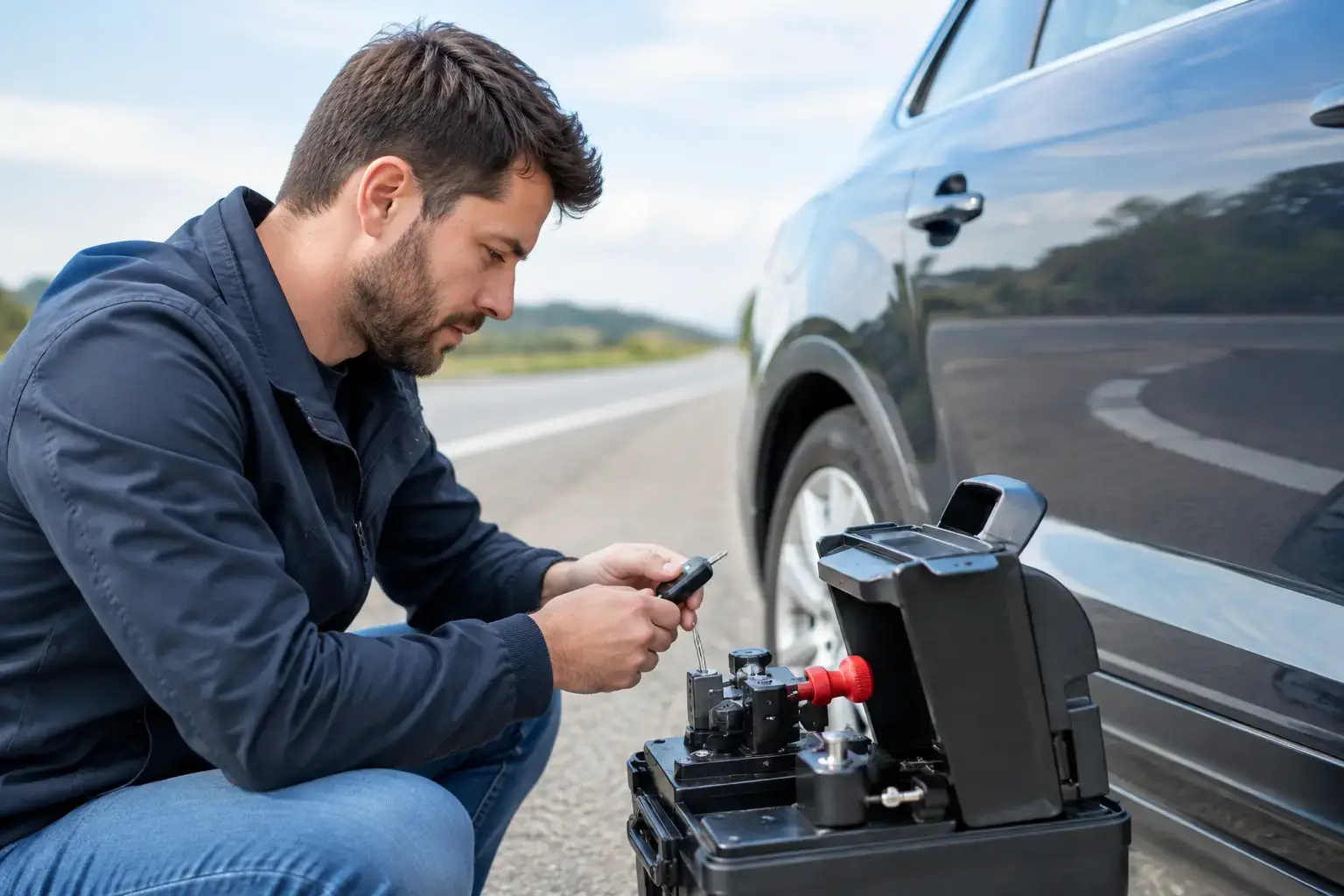
A Guide to Roadside Key Cutting When Stranded
A lost, snapped or non-working car key can stop the day immediately. This guide to roadside key cutting explains what a specialist auto locksmith can do at your vehicle, what information they need, and why cutting the blade is often only one part of getting you driving again.
For drivers across Glasgow, Cumbernauld, Paisley, Ayrshire and Greenock, the priority is usually simple: regain access, get a working key and avoid the cost and delay of recovery to a dealer. A properly equipped automotive locksmith can often complete the work at the roadside, at home, at work or in a car park.
What roadside key cutting actually means
Roadside key cutting is the process of producing a replacement vehicle key where the car is parked, rather than removing the lock or taking the vehicle to a garage. Depending on the vehicle, this may involve cutting a traditional metal blade, creating an emergency blade for a remote fob, or producing a new key for a modern immobiliser system.
The term can sound straightforward, but there is a difference between a key that turns in the door and a key that starts the engine. Most vehicles built from the mid-1990s onwards use an immobiliser. The key contains, or works alongside, an electronic transponder that must be recognised by the vehicle before the engine will run.
That is why a cheap copied blade can be a false economy. It may open the door but leave you unable to start the car. A roadside solution needs to match both the mechanical lock and the vehicle’s security system.
When you may need a key cut at the roadside
It is not only complete key loss that calls for a replacement. Many motorists need help after the only key has been locked inside the car, the blade has snapped in the ignition, the remote fob has been damaged, or the central locking has stopped responding.
A worn key is another common issue. Over time, the cuts on a metal blade can become rounded and the key may stop operating a door lock or ignition reliably. For a tradesperson, commuter or parent on the school run, waiting until it fails completely can turn a minor fault into a much bigger disruption.
If you still have one working key, having a spare made is usually the easier and less expensive route. If all keys are lost, the locksmith has to establish the correct key data, cut a new blade and programme the vehicle to accept it. The exact method depends on the make, model, year and system fitted.
How a specialist locksmith cuts a replacement key
The job starts with confirming ownership and identifying the vehicle. Have your registration, photographic identification and any available vehicle documents ready. These checks protect you and ensure a replacement key is only made for the rightful keeper or authorised driver.
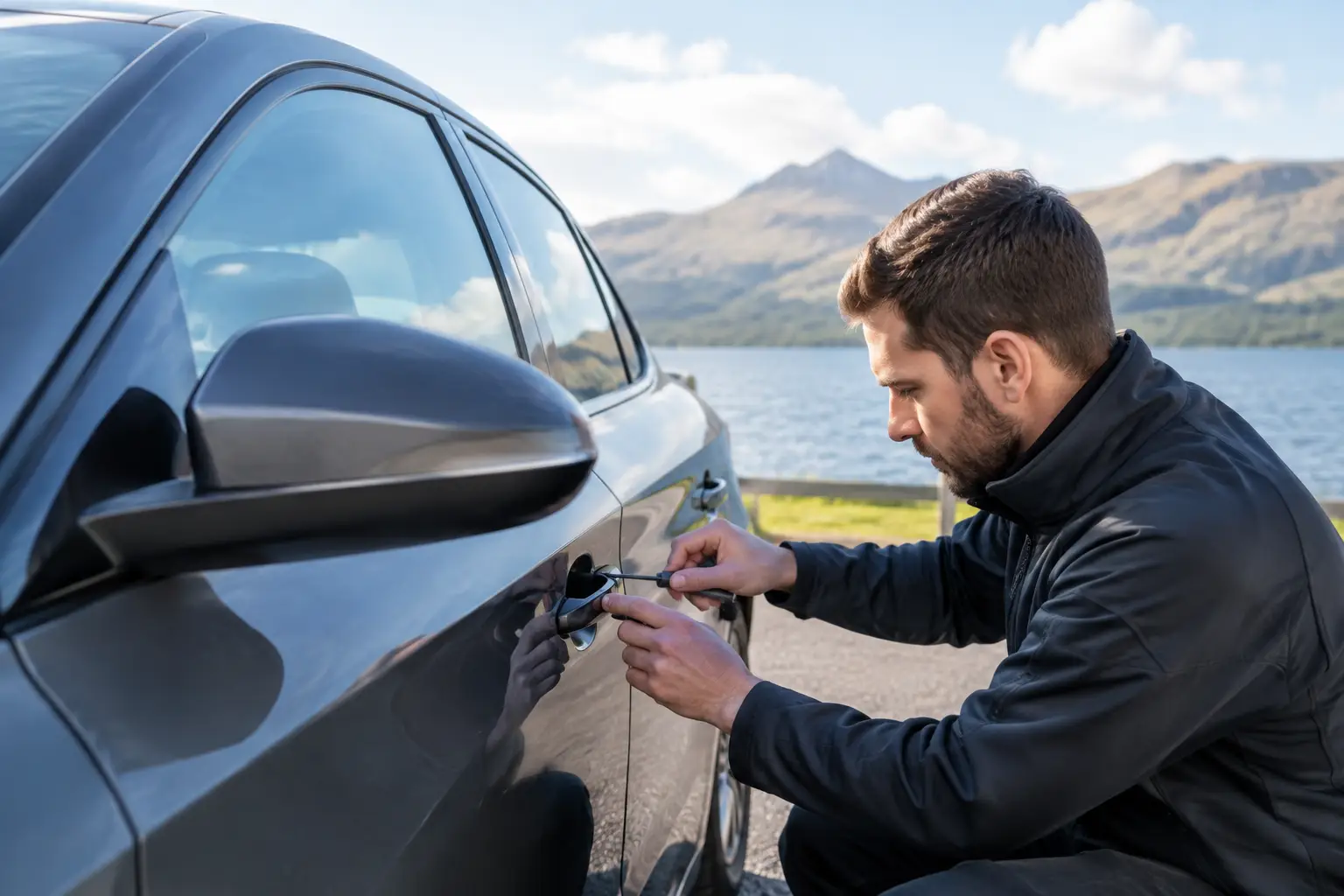
A specialist will then assess the key type and the fault. If you are locked out, non-destructive entry is normally the first step. The aim is to gain access without breaking glass, forcing the door or damaging the lock. Once access has been gained, the locksmith can inspect the original key if it is available, read the lock, retrieve key information where appropriate, or use diagnostic equipment to establish what is required.
The replacement blade is cut using dedicated automotive key-cutting equipment. This is not the same as duplicating a standard house key. Car keys can use high-security laser-style cuts, sidewinder profiles, track keys and other designs that require accurate machinery and the correct blank.
For a modern car, the next stage is programming. Diagnostic equipment communicates with the vehicle so the transponder, remote functions or proximity system can be paired correctly. The key is then tested in the door, ignition or start system before the job is signed off.
Mechanical keys, transponders and proximity keys
Older vehicles may use a purely mechanical key. In that case, accurate cutting is often enough to operate the lock and ignition. However, many older cars have retrofitted alarms or other complications, so it is still sensible to have the key tested fully.
A transponder key has a small electronic chip in the head of the key or fob. When the key is placed in the ignition or close to the reader, the car checks that chip before allowing the engine to start. Cutting the blade without programming the chip will not usually solve a no-start fault.
Remote keys combine a blade with buttons for locking and unlocking. The remote function may need synchronising or programming separately from the immobiliser chip. If the shell is cracked but the electronics still work, a replacement fob shell can sometimes restore the key without replacing every component.
Keyless and proximity systems are more complex again. The vehicle detects the fob when it is nearby, allowing push-button start and hands-free entry. These systems require the right compatible fob and correct programming procedure. They are not a job for guesswork or generic online parts.
What affects the time and cost
There is no honest one-price answer for every roadside key job. A basic spare for an older mechanical vehicle is very different from an all-keys-lost replacement for a late-model keyless car.
The main factors are the vehicle make and year, the type of key, whether an original is present, the availability of the correct blank or fob, and the programming work involved. Location and time can also matter if you need emergency help outside normal hours or are stranded some distance from the nearest town.
Be clear about the symptoms when you call. Tell the locksmith whether the key is lost, locked in the car, snapped, turning without starting, or not operating the remote. Mention the registration, make, model, year if known, and your location. Good information avoids wasted time and helps the locksmith arrive with suitable equipment.
Why damage-free entry matters
When a key is locked inside, it is tempting to try a coat hanger, screwdriver or forced window. These methods can damage weather seals, bend the door frame, trigger alarms, harm side airbags or leave expensive scratches. A broken window also creates an immediate security and weather problem.
Professional non-destructive entry uses methods chosen for the vehicle and its locking system. The aim is to open the vehicle cleanly, retrieve the key where possible and prevent a lockout becoming a bodywork repair bill.
If the key has snapped in the ignition or door lock, do not keep forcing the remaining piece. Pushing it farther in can make extraction more difficult and may damage the lock barrel. Leave the vehicle secure, keep the broken pieces if you can, and arrange specialist help.
What you can do while waiting
First, make yourself and the vehicle safe. If you are on a live road, motorway hard shoulder or another hazardous spot, move to a safe place where possible and follow the relevant roadside safety guidance. Roadside key cutting is best carried out in a safe location, not with traffic passing close by.
Keep your mobile phone charged, note your exact location and have your identification ready. If the car has a child, pet or vulnerable person locked inside, treat it as an emergency and contact the emergency services immediately. Do not wait for a locksmith in that situation.
Avoid ordering a random key online before speaking to a specialist. The wrong blade profile, incorrect frequency or incompatible transponder can cost money without getting the vehicle started. A quality replacement is matched to the car, then tested properly before the locksmith leaves.
Choosing the right roadside car key service
A general locksmith may be skilled with domestic locks but not have the machinery, software or vehicle-specific knowledge required for modern car keys. Ask whether the provider works with automotive immobilisers, transponder programming and non-destructive vehicle entry, rather than assuming a key can be copied like a front-door key.
It is also worth asking what happens if the vehicle cannot be opened or the issue proves to be an electrical fault rather than the key. Auto Locksmith Doctor Ltd provides specialist on-location car locksmith support across West Central Scotland, with a no-open-no-charge promise where the vehicle cannot be opened on site.
A reliable locksmith will explain what can be done, what may affect the cost and whether further repair is likely to be needed. Sometimes the key is the problem; other times a worn ignition barrel, failed receiver, flat vehicle battery or central-locking fault is the real cause. Proper diagnosis matters.
A roadside replacement key should leave you with more than access to the car. It should give you a key that operates as it should, has been checked against the vehicle’s security system and lets you get on with your day with confidence.

Related Posts