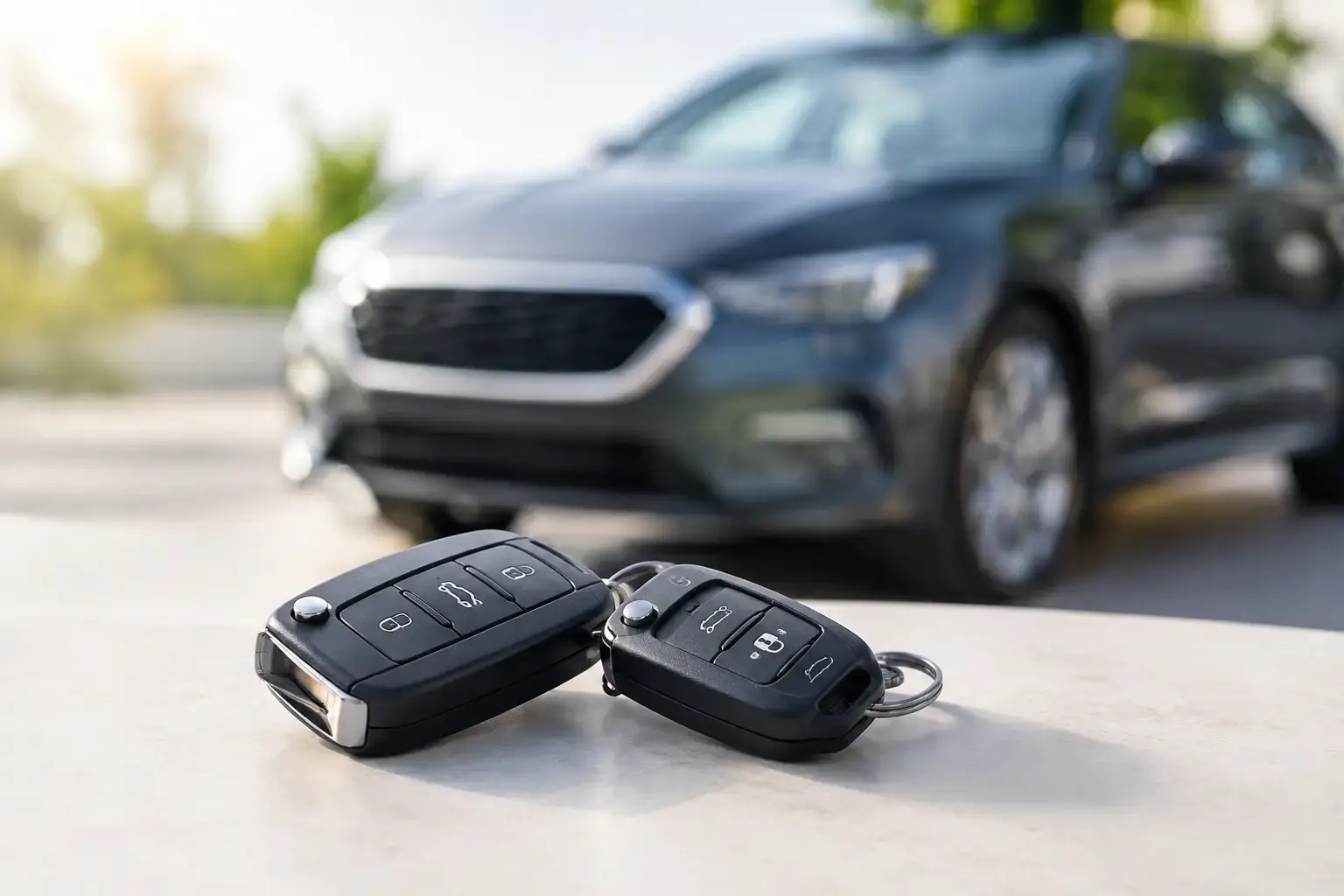
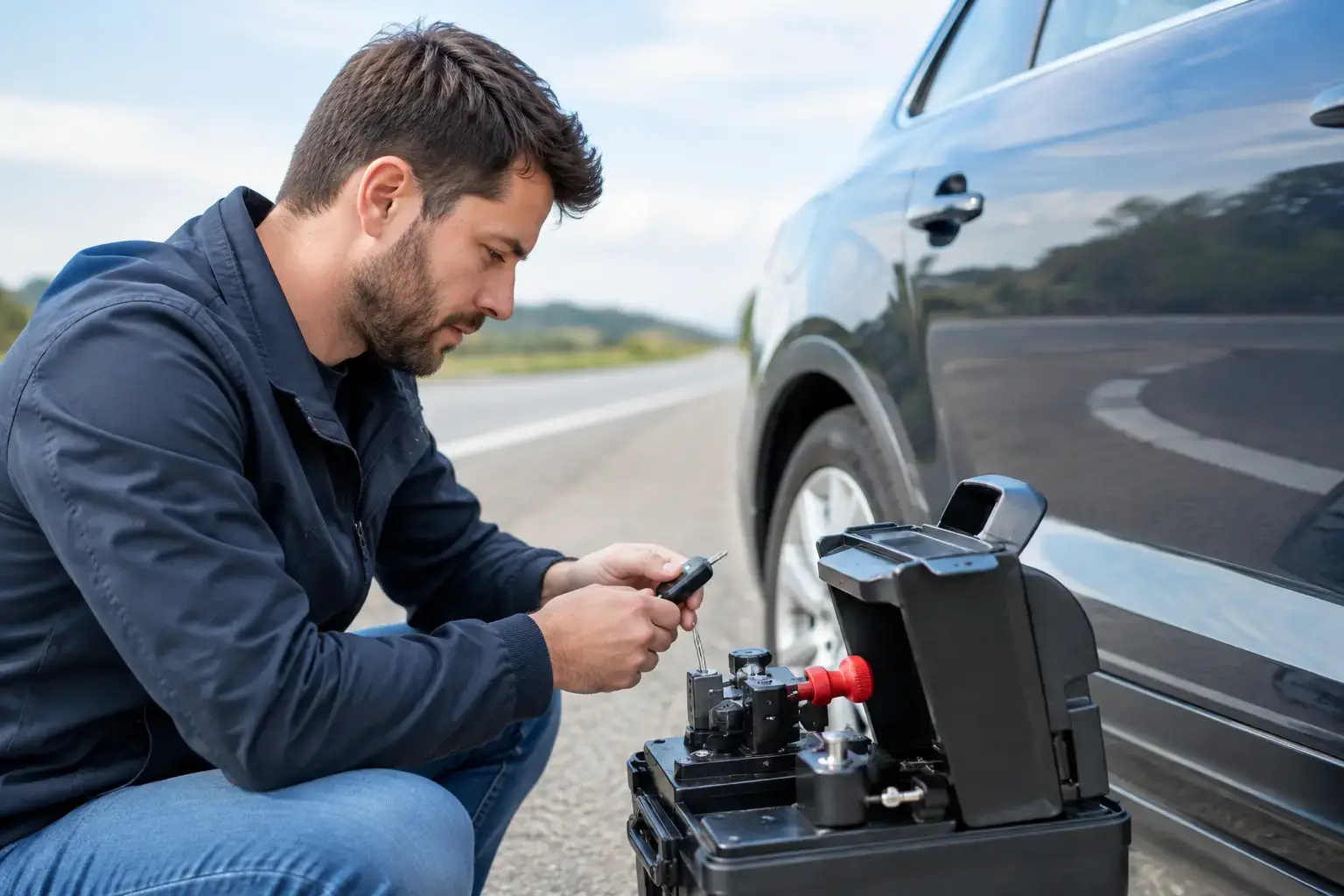
Why is my car unlocking itself? Learn the likely causes, safe checks and when a specialist auto locksmith can diagnose the fault without causing damage.
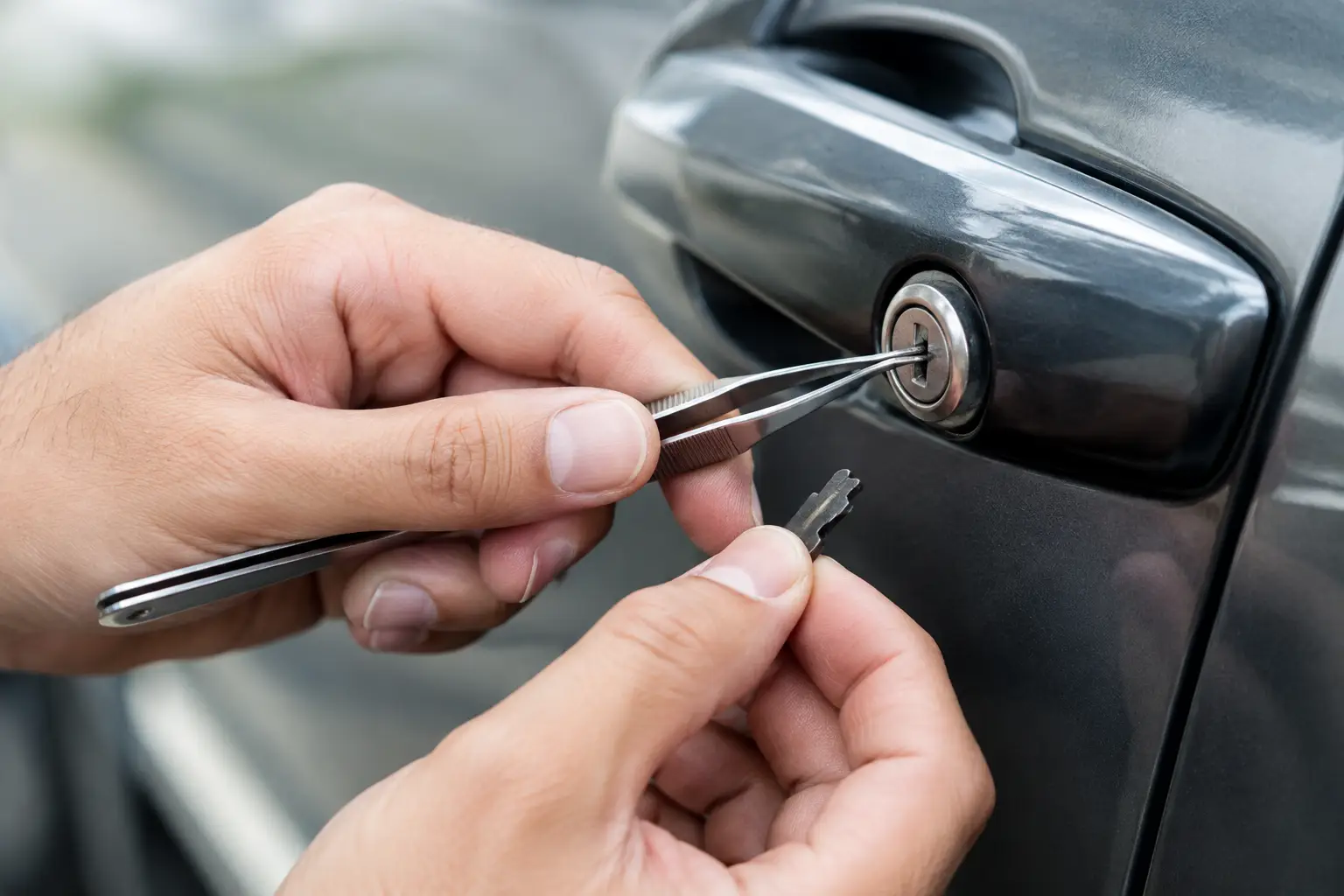
How to Extract a Broken Key From a Car Lock
A key snapping in the car door or ignition can turn a normal journey into a stressful roadside problem in seconds. Knowing how to extract broken key fragments without making the situation worse can save the lock, but cars are not household doors. Modern vehicle locks, ignition barrels and coded keys need a careful approach.
The first rule is simple: do not force anything into the keyway. A broken blade can often be removed cleanly when it is sitting near the entrance. Push it deeper with a screwdriver, pin, glue or the wrong tool, and a straightforward extraction can become a lock repair, replacement barrel or ignition job.
First, make the vehicle safe
Before attempting anything, make sure the vehicle is secure and in a safe place. If the key has broken in the ignition, apply the handbrake, select park or neutral as appropriate, and switch off any electrical accessories. Do not repeatedly turn the remaining part of the key or rock the steering wheel hard. On some vehicles, steering lock pressure can trap the blade more tightly.
Check where the break has happened. A key snapped in a door lock is usually less urgent than one broken in the ignition, particularly if you are stranded or the vehicle cannot be switched off. If your car has a separate remote fob and a mechanical emergency blade, remember that the remote may still lock or unlock the car even though the blade has failed. It will not, however, remove the broken piece or necessarily allow the engine to start.
If there is any sign of a bent, worn or damaged ignition barrel, stop there. The key may have broken because the lock was already binding. Removing the fragment without addressing the cause risks another break soon afterwards.
How to extract a broken key safely
Whether you can remove it yourself depends on how far the fragment is inside, whether it is sitting straight, and which lock it is in. A visible piece at the mouth of a door lock is very different from a blade lodged behind the shutters of an ignition barrel.
If enough of the key is showing
If several millimetres of the blade are clearly protruding, use fine-nose pliers or proper key-extraction tweezers. Grip the exposed metal firmly and pull straight out in the same direction that the key would normally leave the lock. Keep the tool level. Twisting or levering sideways can damage the wafers or pins inside the lock.
This is the only situation where pliers are normally sensible. If you cannot get a clean grip, do not keep trying. Pliers slipping off can push the key further in, score the keyway, or leave metal burrs that make later removal more difficult.
If the fragment is flush or recessed
When the broken key is level with the face of the lock, ordinary household tools are rarely the answer. A professional locksmith uses a thin extraction pick designed to slide alongside the key blade and catch one of its cuts. The fragment is then drawn out gently without disturbing the lock components.
It sounds simple, but access is tight and the technique matters. Car keyways are built to prevent manipulation, and many ignition locks sit at an awkward angle. Trying to hook the fragment with a paperclip, hairpin, needle or small screwdriver commonly pushes it further into the barrel.
A broken-key extractor can work if you already know how to use one and the blade has not been forced in. Insert it along the correct side of the fragment, engage lightly, then pull in a straight line. Do not jab, twist or use excessive force. If it does not come free quickly, stop before you create a second obstruction.
Relieve pressure before trying again
If the key broke in the ignition while the steering wheel was turned, there may be pressure on the steering lock. With no force on the fragment, gently move the steering wheel a small amount left and right while trying to return the ignition to its neutral position. Do not wrench the wheel or turn the exposed key piece with tools.
On manual cars, make sure the gear lever is in neutral. On automatics, confirm the selector is properly in park. These checks will not extract the key by themselves, but they can reduce tension around the ignition mechanism.
What not to use on a broken car key
The fastest way to turn a recoverable key into a damaged lock is using improvised methods. Avoid superglue completely. Glue can run down the blade, bond the fragment to the lock internals and contaminate the pins or wafers. It can also leave you with no practical way to insert an extraction tool.
Do not spray heavy oil, grease or general-purpose lubricant into the lock. A small amount of suitable dry lock lubricant may help a sticking mechanism, but it will not pull a broken blade out. Wet lubricants attract dirt and can interfere with the fine moving parts in a vehicle lock over time.
Magnets are another common suggestion. Most modern car keys are made from materials that are weakly magnetic or not magnetic enough for this job, and the fragment is held by the lock. Blowing compressed air into the keyway is equally unlikely to help and can push dirt deeper into the barrel.
Never dismantle an ignition cowling or force the barrel out unless you know the exact vehicle procedure. Many later vehicles have transponder aerials, steering lock components and security parts around the ignition. Damage there can add programming and repair costs to what began as a key extraction.
Why a snapped key may affect starting
A traditional mechanical key simply turns a lock, but most cars made since the mid-1990s use an immobiliser system. The electronic transponder chip is normally housed in the plastic head of the key or fob, not in the metal blade. If the head remains intact, the vehicle may still recognise the chip when it is held close to the ignition, depending on the model.
That does not mean the car can be started safely with the broken blade still inside. The ignition still needs to turn, and forcing it can damage the barrel. Proximity-key and keyless-start vehicles add another layer: a damaged emergency blade may affect manual entry, while the fob itself may have a separate battery, circuit or programming issue.
A specialist auto locksmith can identify whether you need extraction only, a replacement blade, a complete remote key, or transponder programming. This matters because copying the visible metal pattern alone may not produce a key that starts the car.
When to call an auto locksmith
Call for professional help if the key is stuck flush in the lock, broken inside the ignition, bent before it snapped, or if the lock feels rough, loose or jammed. The same applies if you have tried once and the fragment has moved deeper. A vehicle locksmith has purpose-made extraction tools, decoding equipment and the experience to open the vehicle without unnecessary damage.
For motorists in Glasgow, Cumbernauld, Paisley, Ayrshire and Greenock, a mobile auto locksmith can usually deal with the problem where the car is parked. The aim should be to extract the blade cleanly, check why it failed, cut a replacement and programme the new key where required. That is often less disruptive than arranging recovery to a dealership.
Auto Locksmith Doctor Ltd works specifically with vehicle locks, coded keys, remotes and immobiliser systems. If access is needed as well as extraction, the right approach is non-destructive entry first, followed by a proper inspection of the lock and replacement key.
Prevent the next key break
Most keys do not snap without warning. Look for a blade that is visibly bent, worn thin around the shoulder, cracked near the plastic head, or difficult to insert and turn. A key that only works after jiggling is telling you that either the blade or the lock needs attention.
Avoid using the key as a lever, opening parcels with it, or carrying a heavy bunch of keys that pulls down on the ignition while driving. If you have only one working key, arrange a spare before the original fails. A spare made while the vehicle is accessible and running is normally simpler than dealing with a complete lost-key situation at the roadside.
If your key has already snapped, resist the urge to keep experimenting. A careful extraction now protects the lock, the ignition and your chances of getting back on the road without a larger repair.

Related Posts