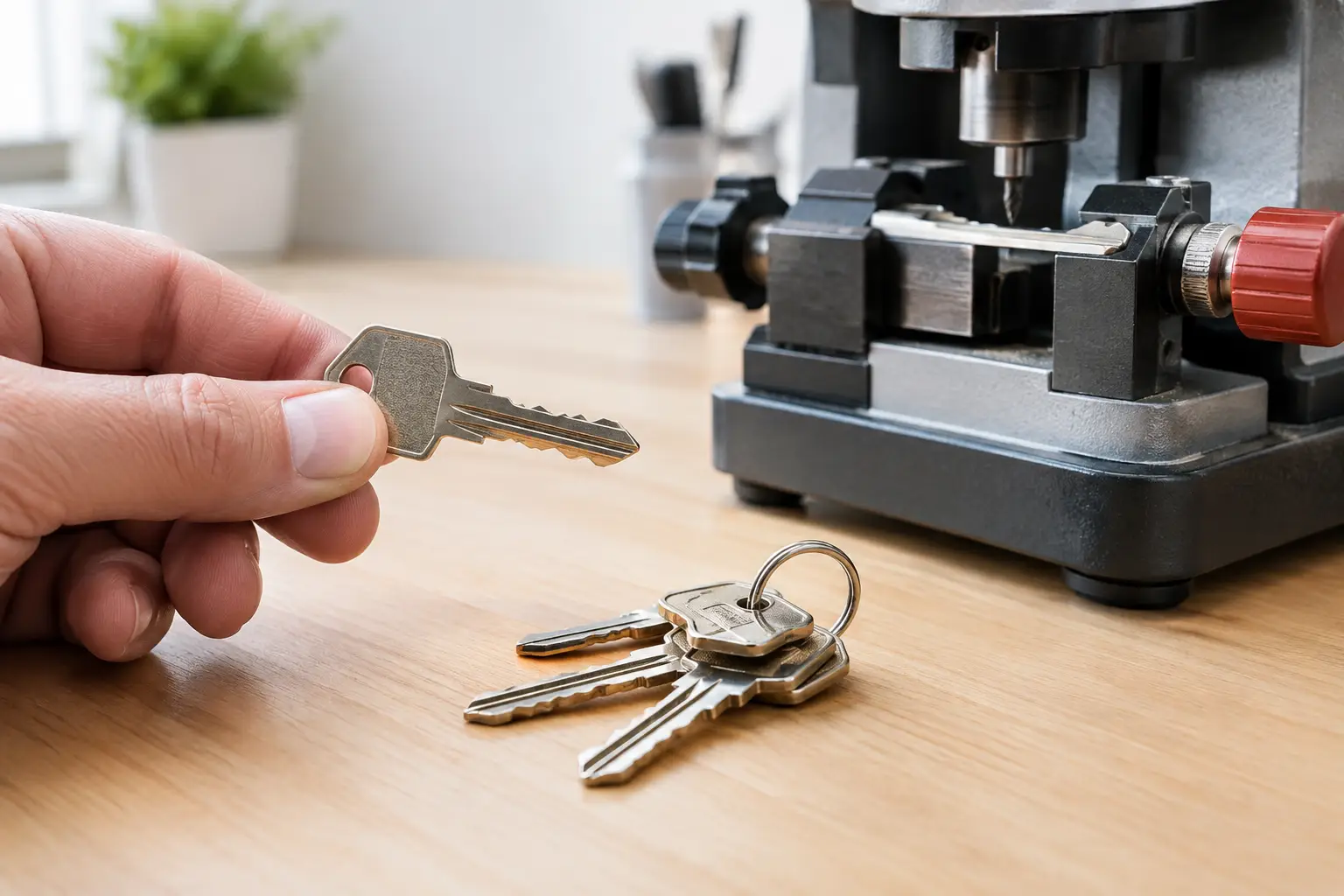
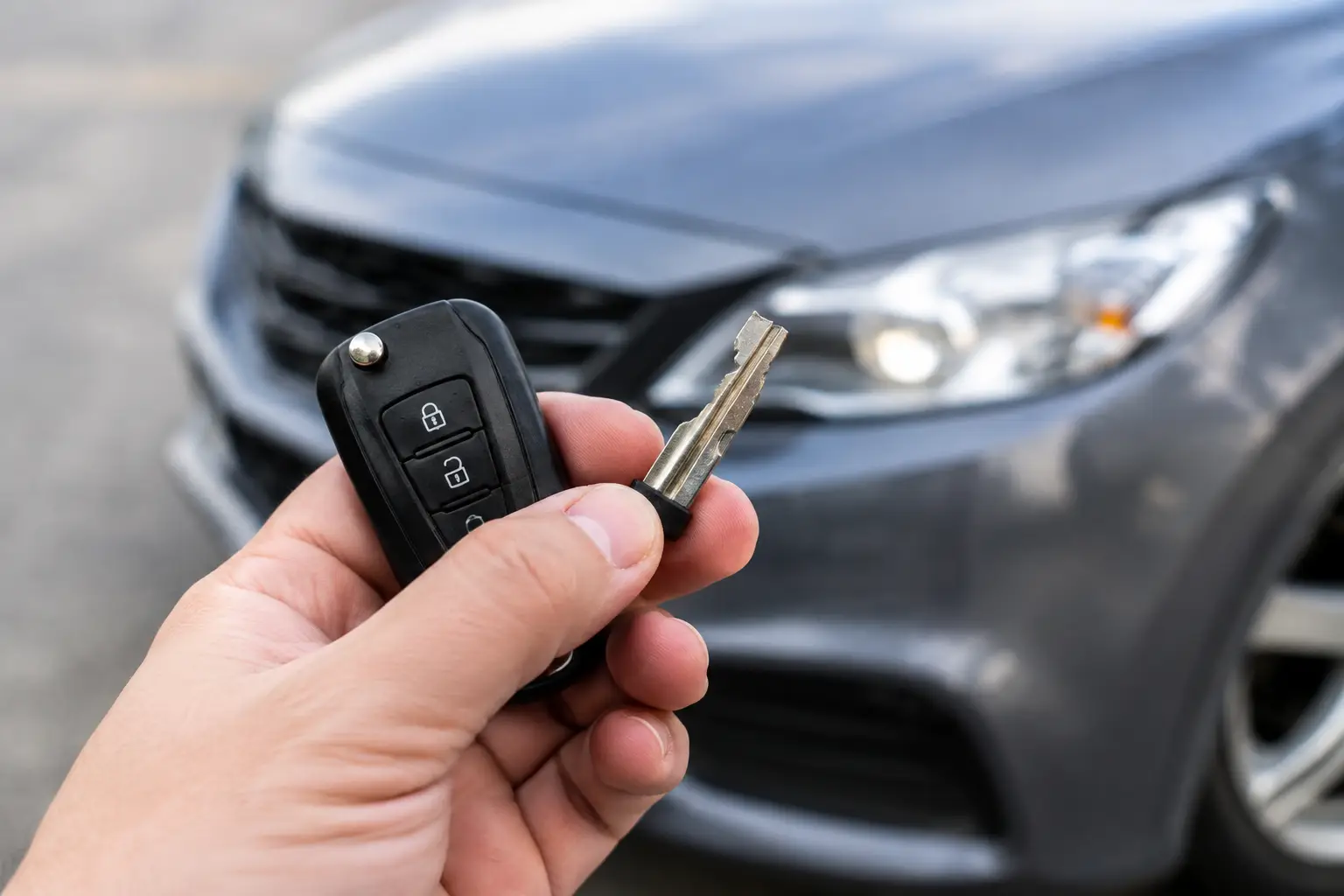
Does key cutting require original keys? Learn when a locksmith can cut a replacement from a code, lock or spare, including modern car keys. Fast.
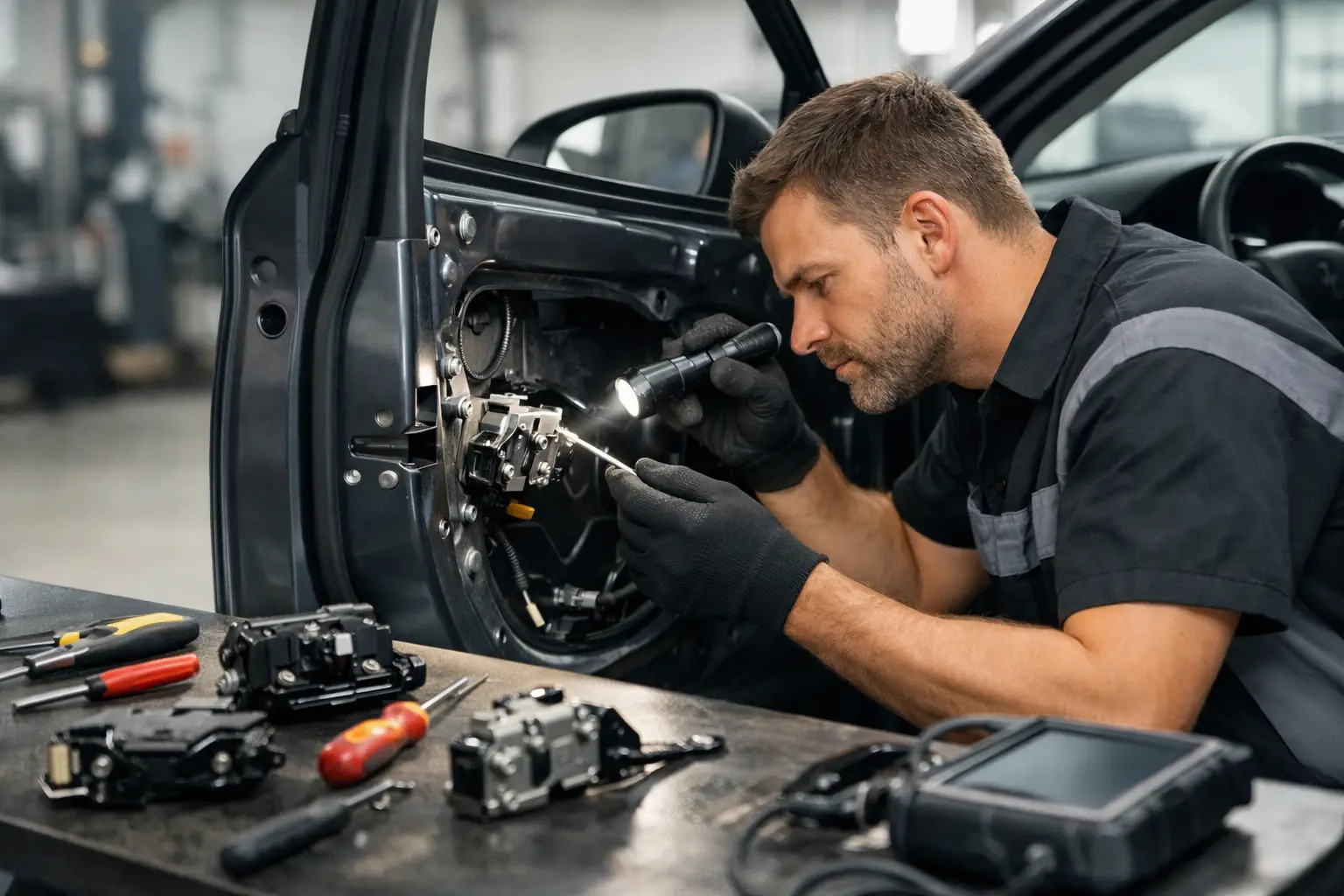
Car Door Lock Repair: What Drivers Should Know
A car door that will not lock, will not open, or only works when it feels like it is more than an annoyance. It can leave you stranded at work, stuck in a parking lot, or unable to secure the vehicle overnight. That is why car door lock repair matters – not just for convenience, but for safety, security, and getting back on the road without making the problem worse.
When car door lock repair is the right fix
Some lock problems start small. The key feels stiff in the door. The remote works on three doors but not the driver’s side. You need to pull the handle twice, or press the fob several times before anything happens. Those early signs often point to wear inside the lock cylinder, a fault in the latch, a problem with the actuator, or damage in the wiring between the door and body.
Not every issue means the full lock has to be replaced. In many cases, car door lock repair is enough. A skilled auto locksmith can test whether the fault is mechanical, electronic, or tied to the key itself. That matters because the right repair is faster, cheaper, and far less disruptive than guessing and replacing parts at random.
If the key will not turn at all, the lock may be seized, worn, or blocked internally. If the key turns but nothing happens, the linkage or latch may have failed. If the remote locking works intermittently, the issue could be the actuator, a wiring fault, or a key programming problem rather than the door lock alone. Each situation needs a different approach.
Common car door lock problems drivers run into
The most common fault is simple wear. Mechanical keys and lock cylinders take years of use, dirt, moisture, and temperature changes. Over time, wafers inside the lock wear down, springs weaken, and the key no longer operates the lock cleanly.
Central locking faults are also common, especially on vehicles with aging door actuators. You press the remote and hear a weak click, or one door stays locked while the others respond normally. Sometimes the door lock actuator is failing. Sometimes the latch is dragging and putting extra strain on the motor. Sometimes there is a broken wire in the rubber door boot, which can mimic a lock failure.
Then there is physical damage. A forced entry attempt, a bent key, a snapped key in the lock, or a previous bad repair can all leave the door lock unreliable. In those cases, the problem may involve more than the visible lock barrel. The inner mechanism, handle assembly, or latch could also be damaged.
Cold weather, lack of use, and water ingress can make matters worse. A lock that only sticks in winter may still have internal wear. Freeing it once does not mean it is fixed.
Repair or replacement – it depends on the fault
Drivers often ask whether a bad lock can just be repaired or whether it needs to be replaced. The honest answer is that it depends on what has failed and how far the damage has gone.
If the cylinder is worn but still structurally sound, repair or reconditioning may be possible. If the issue is a broken key lodged in the lock, careful extraction followed by testing may solve it. If the actuator has failed electrically, replacing that part may restore normal central locking without changing the mechanical key side at all.
Replacement becomes more likely when the lock has been forced, the housing is cracked, the internal parts are badly damaged, or the vehicle uses a more integrated lock and latch assembly. On some modern vehicles, what looks like a simple door lock problem can involve anti-theft electronics, comfort access systems, or control module faults. That is why specialist diagnosis matters.
The key point is this: a proper auto locksmith does not start by drilling, forcing, or fitting parts you may not need. The job starts with identifying the fault and using the least invasive fix that will hold up properly.
Why modern car door lock repair is not just about the lock
On older vehicles, the problem was often purely mechanical. On many post-1995 vehicles, the door lock system is tied into the alarm, immobilizer, remote entry, and body control functions. That means a door that will not lock or unlock may not be a simple hardware problem.
For example, a worn remote button can look like a central locking fault. A failed microswitch inside the latch can cause erratic locking behavior. A low vehicle battery can trigger strange locking issues. On some models, a door not recognizing its locked or unlocked position can affect alarm operation as well.
That is where a specialist automotive locksmith has an advantage over a general locksmith. The job is not just opening a door. It is understanding how the key, lock cylinder, actuator, remote, and vehicle electronics work together.
What to do when your car door lock fails
If your lock is stiff, avoid forcing the key. A bent or broken key turns a manageable repair into a bigger one. If the remote is not responding, try the spare key if you have one. That helps narrow down whether the problem is the key or the vehicle.
If one door is deadlocked shut, do not start removing trim unless you know exactly what you are doing. Modern door panels, clips, airbags, and wiring can be damaged quickly. The cost of a broken trim panel or wiring repair can exceed the original lock issue.
If you are locked out, the priority is gaining entry without damage. That means proper entry tools, model-specific methods, and care around the glass, weather seals, and paint. Once access is gained, the lock fault still needs to be diagnosed so the same problem does not leave you stuck again the next day.
How a specialist handles car door lock repair
A proper repair starts with the symptoms. Which doors are affected? Does the key turn? Does the inside handle work? Does the remote respond? Has the battery gone flat recently? Has the lock been forced or has the key been hard to insert for a while?
From there, the technician checks whether the fault is with the key, cylinder, latch, actuator, or electrical supply. If entry is needed first, that should be done using non-destructive methods wherever possible. After that, the failed part can be repaired, replaced, or bypassed temporarily depending on the vehicle and the urgency of the situation.
For some drivers, especially tradespeople and families, speed matters as much as the repair itself. A mobile automotive locksmith can often deal with the problem on site, which avoids recovery, dealership delays, and the extra hassle of getting the vehicle moved while the door is stuck shut or the keys are locked inside.
That is a major reason people call specialists such as Auto Locksmith Doctor Ltd. The focus is on quick response, damage-free access, and fixing the actual fault at the vehicle rather than adding more inconvenience.
Signs you should not wait
A lock problem rarely improves on its own. If the key only works after several tries, if the remote is becoming inconsistent, or if one door has stopped responding, now is the time to get it checked. Waiting can leave you with a snapped key, a deadlocked door, or a full lockout at the worst possible moment.
There is also a security risk. A lock that does not fully secure the vehicle leaves it vulnerable. A door that appears shut but does not latch or deadlock properly is not something to ignore, especially if tools, equipment, or child seats are inside.
Choosing the right help
For car door lock repair, the best fit is usually a specialist auto locksmith rather than a general locksmith or a garage that does not focus on vehicle entry and key systems. You want someone who understands mechanical locks, transponder keys, remote fobs, central locking, and modern anti-theft systems in the same visit.
You also want clear pricing and a practical approach. Sometimes the fix is straightforward. Sometimes diagnosis takes longer because the fault sits between the key, door hardware, and vehicle electronics. A good technician will explain that plainly and tell you what is worth repairing, what needs replacing, and what can wait.
If your car door lock is acting up, treat it early. A stiff key, a lazy latch, or one dead door is often the warning sign before a full lockout. Getting the problem handled properly can save time, prevent damage, and spare you the stress of dealing with it when you are already late, tired, or stranded.

Related Posts