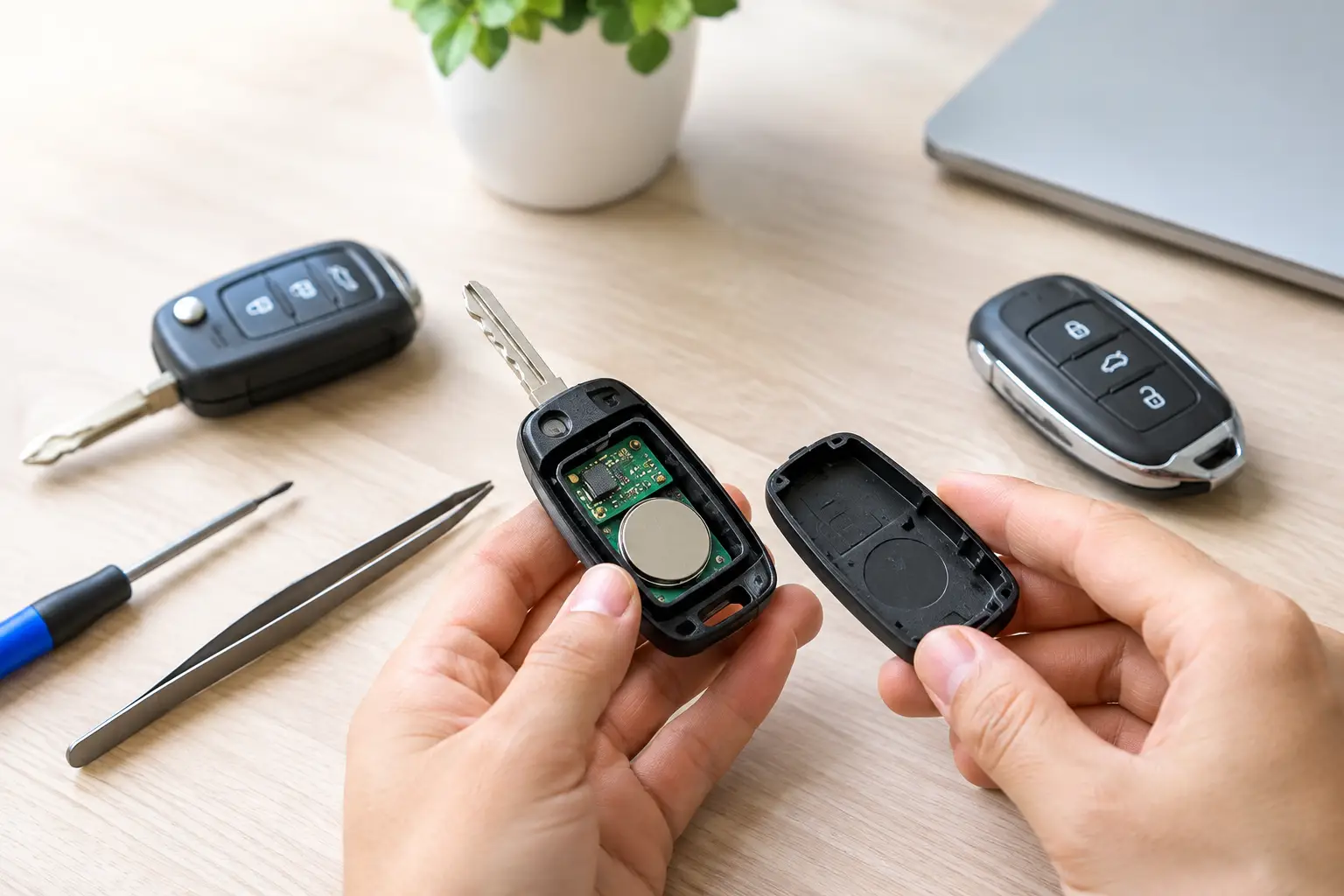
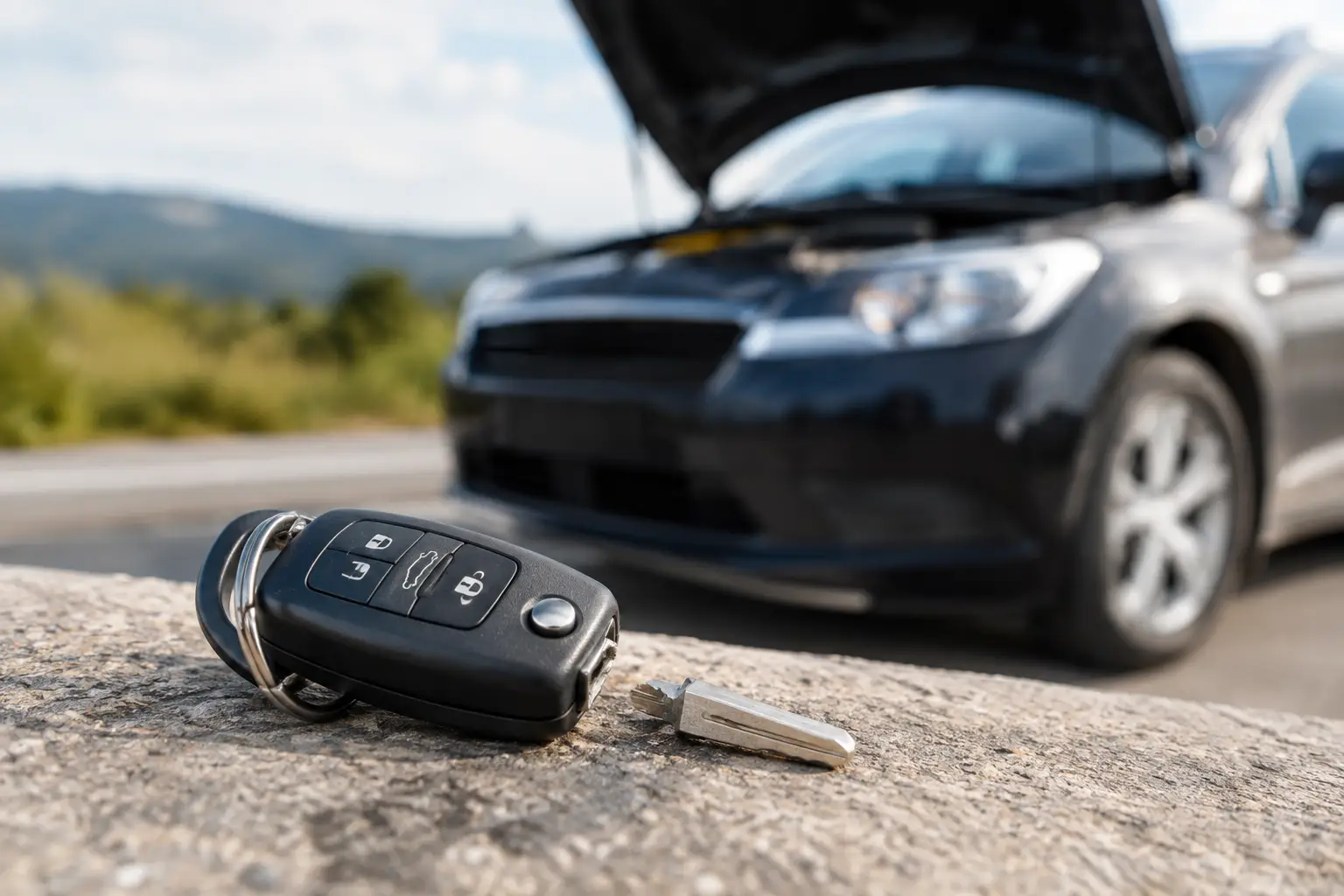
A fleet key loss recovery example: see how a local auto locksmith restores access, programmes replacement keys and keeps business vehicles moving again.
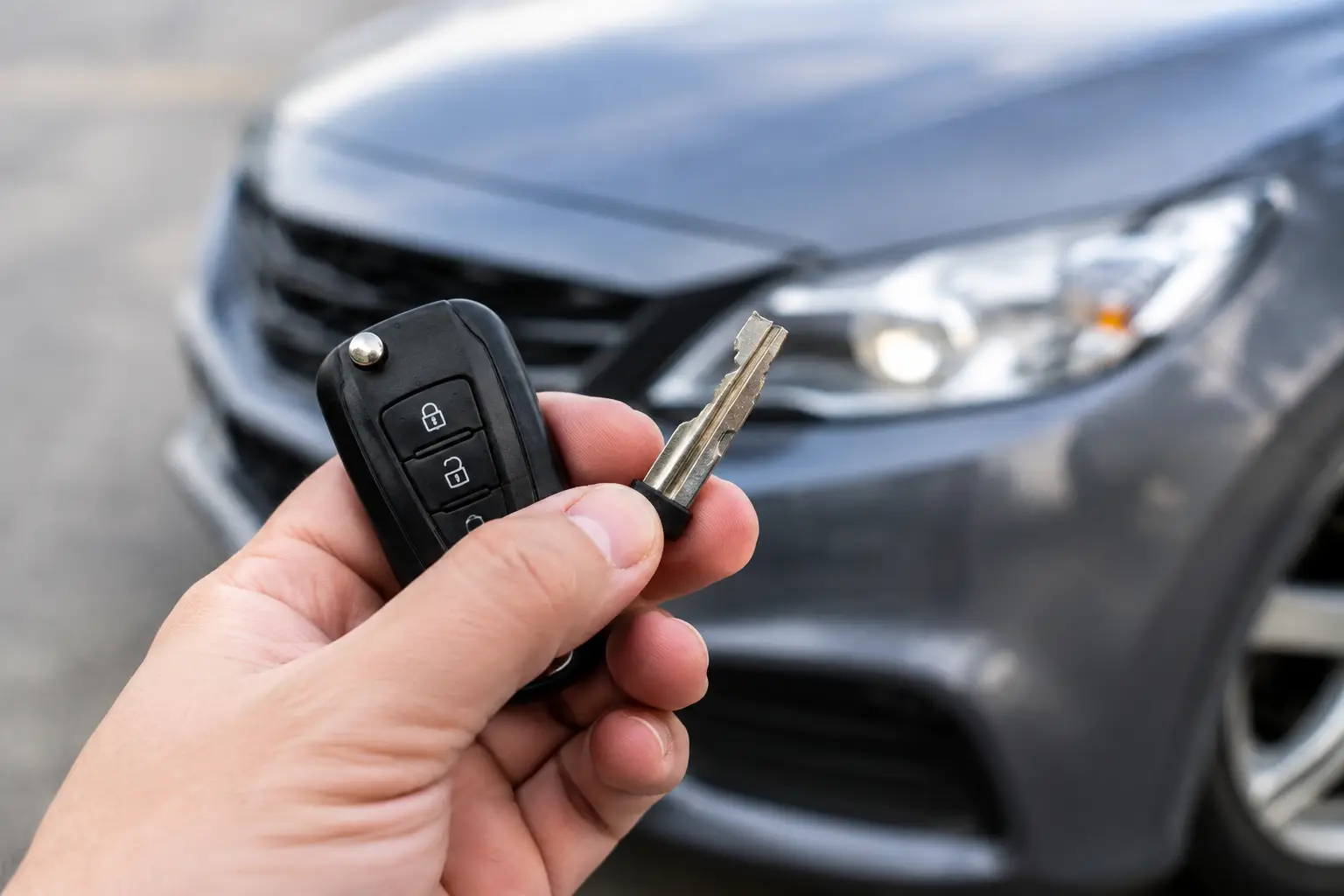
What Causes Car Key Snapping? 7 Common Reasons
A car key rarely snaps without warning. It may have started sticking in the ignition, needed an extra wiggle in the door lock, or felt slightly loose around the blade. Then, usually when you are late for work or loading the car in the rain, the key breaks and leaves part of it trapped inside.
If you are asking what causes car key snapping, the answer is normally a combination of wear, resistance in the lock and too much force at the wrong moment. The key is often the visible failure, but the underlying problem can be the ignition barrel, door lock, key fob casing or even the way the key has been used over time.
What causes car key snapping?
Car keys are made to take regular use, but they are not indestructible. A worn key blade can become thin around its grooves and shoulders, while an old or stiff lock can demand more turning force than it should. Modern keys add another issue: the electronic chip may be fine even when the metal blade or plastic fob shell is damaged.
1. A worn or badly cut key blade
Every time a traditional key enters a lock or ignition, the cuts on the blade rub against internal pins and wafers. Over years of daily use, especially on a family car, work van or high-mileage vehicle, the edges gradually wear down. The key may still work, but it no longer operates the lock cleanly.
That causes drivers to twist the key harder. The weakest point is often near the head of the key or around a deep cut in the blade, where metal fatigue can build up. Eventually, the blade can snap during a normal turn.
Copies can make this worse. A copy cut from another worn copy may carry forward small inaccuracies. It can work for a while, but it may put extra strain on both the key and the lock.
2. A stiff ignition barrel or door lock
A healthy lock should allow the correct key to turn without a fight. If you have to push, pull, jiggle or force the key, there is likely a fault developing inside the lock. Dirt, corrosion, worn wafers, a damaged spring or a lack of lubrication can all cause resistance.
Cold and damp Scottish weather can contribute, particularly on older vehicles that spend nights outside. Moisture entering a door lock can lead to corrosion, while freezing conditions can make the lock feel completely seized. Forcing a key into a frozen or stiff lock is one of the quickest ways to break it.
The ignition can also bind when the steering lock is under pressure. For example, parking with the wheels turned hard against a kerb can load the steering mechanism. The key may feel stuck, but the answer is usually to gently move the steering wheel while turning the key – not to apply more force.
3. Turning the key before the lock is fully engaged
Keys can snap when they are only partly inserted or not seated squarely in the lock. This happens more often in poor light, when rushing, or when the driver is trying to turn the key while holding bags, tools or a child seat.
A partially inserted key transfers the twisting force to a small section of metal rather than the full blade. It can bend first, then fail. If the blade ever looks bent, do not straighten it and carry on using it. A bent key has already been weakened and should be replaced before it breaks inside the vehicle.
4. Heavy key rings and extra leverage
A large bunch of keys, work fobs, torches and accessories hanging from the ignition key puts constant downward weight on the blade and ignition barrel. This may not break a key overnight, but over time it can wear the ignition and stress the area where the blade meets the key head.
It is a particular issue with older mechanical ignition systems. A lighter key ring reduces that strain. If you use a separate remote fob, keeping it on a different ring from the ignition key can also help.
5. Damage to the plastic key fob shell
Many modern vehicle keys have a metal blade fitted into a plastic remote casing. The transponder chip that communicates with the immobiliser may sit inside that casing, often close to the blade mounting point. When the plastic starts splitting, the blade can wobble or pull away from the housing.
Drivers sometimes hold the loose blade together with tape, glue or a damaged fob shell and continue using it. That may get you home once, but it is not a reliable repair. The blade can snap or detach, and a damaged casing can expose or dislodge the transponder chip. If that chip is lost or damaged, the engine may crank but not start.
A replacement key fob shell can often resolve the problem before the key fails completely, provided the existing blade and electronics are still in good condition.
6. Using the key for jobs it was never made to do
Car keys are sometimes used to open parcels, scrape ice, pry off covers, tighten screws or open paint tins. Even a small twist outside the lock can create a hairline weakness in the blade. The key may look normal afterwards, yet fail the next time it is turned in the ignition.
The same applies to dropping the key repeatedly or sitting on it in a back pocket. Proximity keys and remote fobs can suffer internal damage from impact, even if the blade is not visibly bent.
7. The wrong key, a damaged lock or a previous break
Using the wrong similar-looking key can damage the lock and bend the blade. A door lock that has been vandalised or tampered with may no longer accept the correct key smoothly either. If a key has snapped in that lock before, there may be a remaining fragment, damaged wafers or another internal fault that needs dealt with.
Do not assume a newly cut key will fix every problem. If the key is copied without checking the lock or ignition, the replacement may start sticking too. The right repair depends on whether the fault sits in the key, the lock, the ignition barrel or the remote fob.
What to do when a car key snaps
Stop turning the lock immediately. More force can push the broken section deeper into the ignition or door lock, making extraction harder. Avoid pliers, glue, pins or improvised hooks. Superglue is especially risky because it can bond the fragment to the internal lock components and turn a straightforward extraction into a lock repair.
If part of the blade is clearly protruding, leave it in place until a specialist can assess it. If the break has happened in the ignition, do not attempt to start the vehicle with the broken piece. The immobiliser, steering lock and ignition components are all close together, and damage to the barrel can become far more expensive than the original key issue.
A specialist auto locksmith can usually extract the broken blade using proper tools, assess why it failed and cut or programme the appropriate replacement. Where possible, the aim is to gain access and remove the broken key without damaging the door, ignition or vehicle trim.
For drivers across Glasgow, Cumbernauld, Paisley, Ayrshire and Greenock, this matters when the vehicle is your route to work, school runs or a job site. Auto Locksmith Doctor Ltd deals with broken car keys, replacement keys, transponder programming and damaged fob shells on site, so you are not left trying to arrange recovery for a key problem that may be repairable where the car is parked.
How to prevent a car key from snapping
Pay attention to changes in how the key feels. A key that needs more pressure than usual is giving you useful warning. Do not wait until it breaks in the ignition on a cold morning.
Use the original key as the pattern for a properly cut spare rather than repeatedly copying old copies. Keep the key ring light, avoid using the key as a tool and replace a cracked fob shell before the blade becomes loose. If your remote key has been dropped, the buttons have become unreliable or the case is separating, have it checked rather than relying on tape.
For a sticking lock, do not pour household oil or thick grease into it. These can attract dirt and worsen the problem over time. A locksmith can identify whether the lock needs cleaning, repair, replacement or a correctly cut key.
A snapped car key is stressful, but it is usually manageable when you stop forcing it early. Treat a stiff, bent or loose key as a repair warning, and get it sorted before a small fault leaves you stranded.

Related Posts