Does key cutting require original keys? Learn when a locksmith can cut a replacement from a code, lock or spare, including modern car keys. Fast.

Fleet Key Loss Recovery Example: Back on Route
A van sitting idle with no working key is not a minor inconvenience. It can mean missed jobs, delayed deliveries, frustrated customers and a driver stranded miles from base. This fleet key loss recovery example shows how a specialist auto locksmith can get a working vehicle back on the road without unnecessary damage, guesswork or a long wait for a main dealer.
For businesses across Glasgow, Cumbernauld, Paisley, Greenock and Ayrshire, the priority is simple: restore access, provide a correctly programmed key and get the vehicle moving again. The exact process depends on the make, model, year and type of key, but a proper recovery starts with identifying the vehicle and diagnosing what has actually been lost.
Fleet key loss recovery example: a working van, no keys
Picture a trades business with a late-model diesel van parked at a customer site in Glasgow. The driver has completed a job, but the only key has gone missing. The van is locked, the tools are inside, and the next appointment is already at risk.
The first temptation is often to force a door, break a window or arrange recovery to a dealer. Those options can create a more expensive problem. Damaged locks, glass, weather seals and door mechanisms quickly add cost, while dealer key orders may leave the vehicle off the road for days.
A vehicle locksmith takes a different route. After checking proof of ownership and confirming the vehicle details, the job begins with non-destructive entry. Depending on the vehicle, this may involve specialist lock-picking equipment or a controlled bypass method. The aim is to open the van cleanly, without damage to the door, lock or bodywork.
Getting inside is only the first part of the recovery. A modern van key is rarely just a piece of cut metal. It may contain a transponder chip, remote-locking electronics and, on some vehicles, a proximity system. The replacement must communicate correctly with the immobiliser before the engine will start.
What happens after damage-free entry
Once access is gained, the locksmith can inspect the vehicle’s key and security system. On many fleet vans, diagnostic equipment is connected to communicate with the vehicle’s immobiliser or body control module. The correct blank key or remote is then cut and programmed to the vehicle.
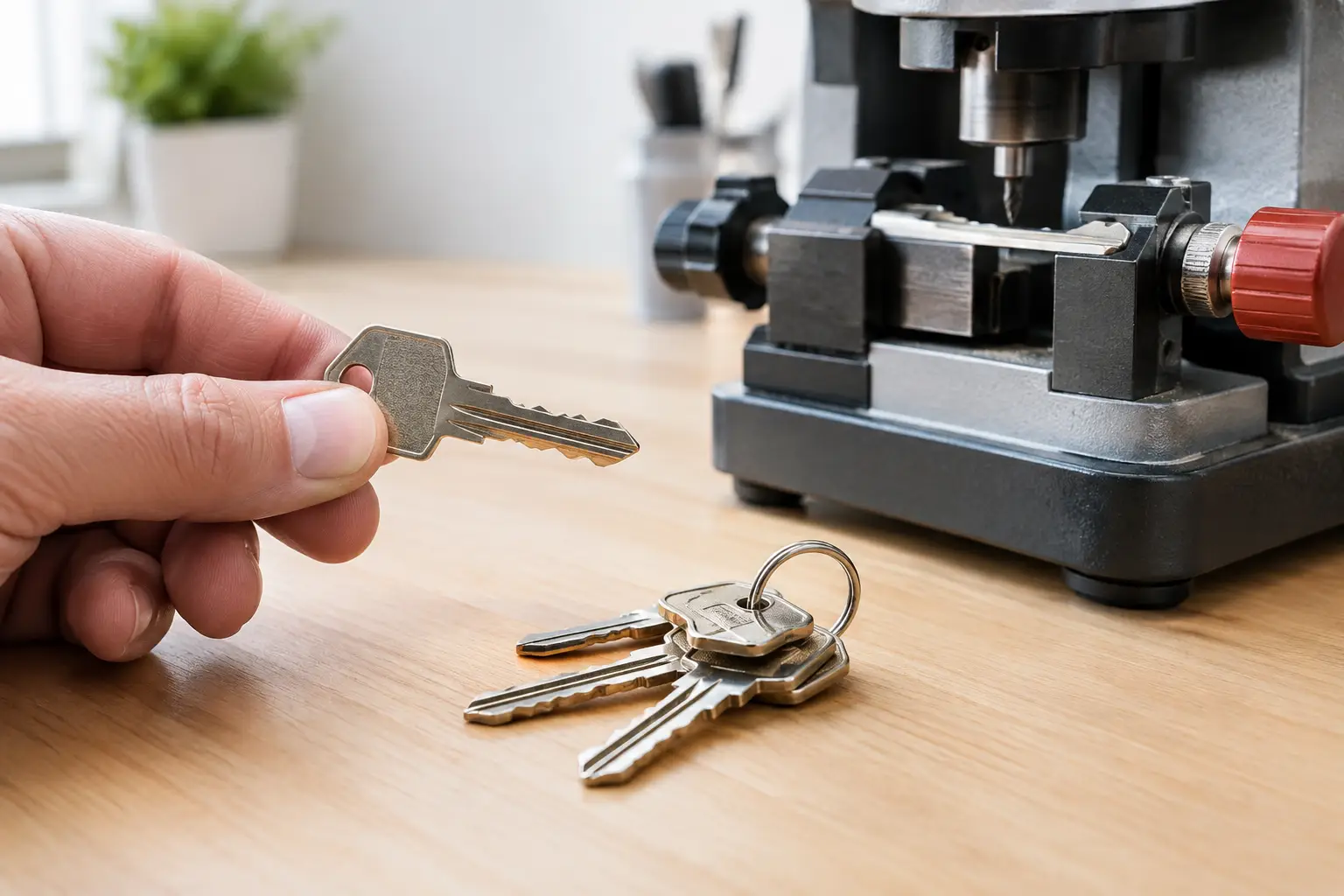
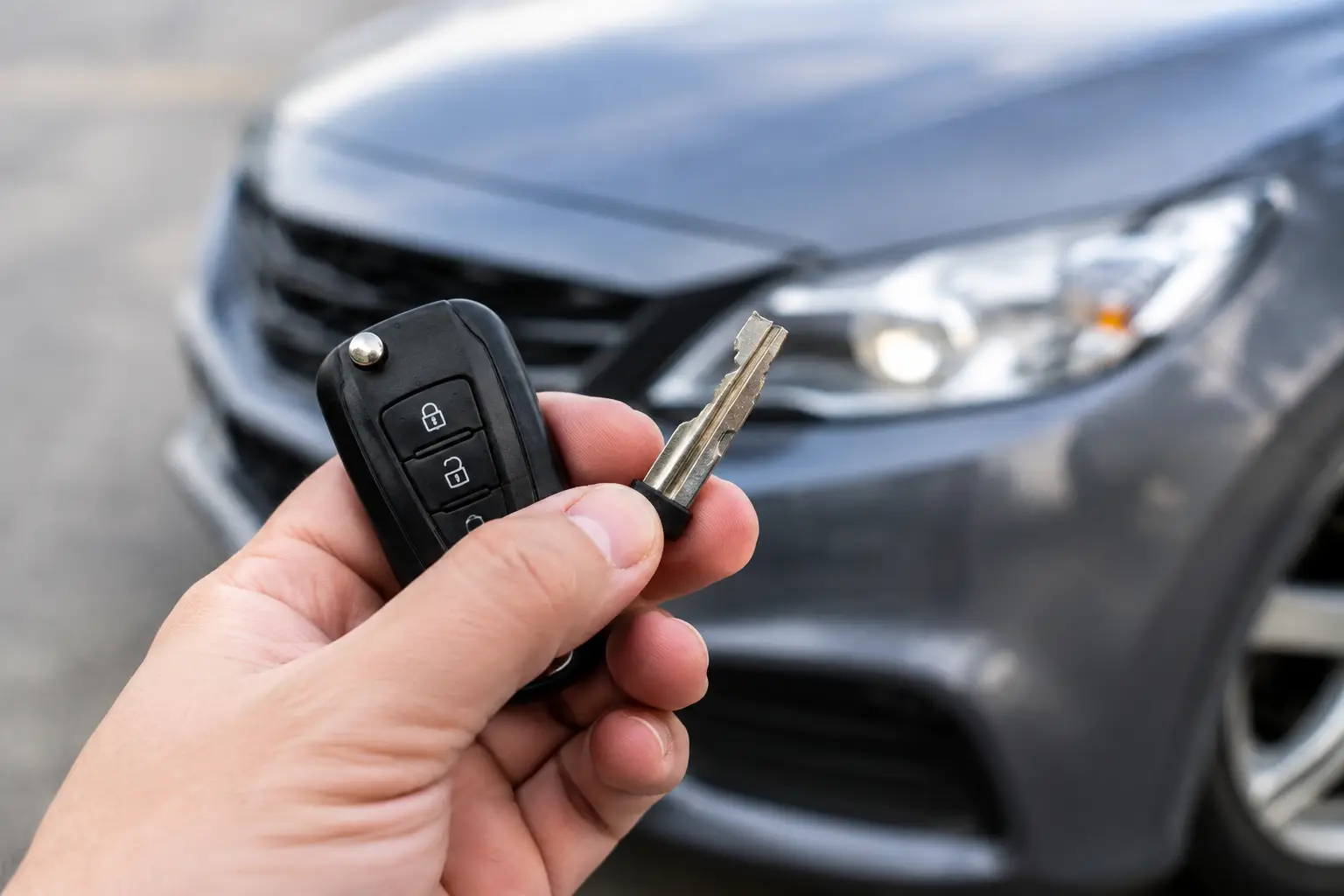
In this example, the van uses a remote key with a transponder chip. A replacement blade is cut to match the locks, then the transponder is programmed so the immobiliser recognises it. The remote-locking functions are tested, followed by a start test. The driver leaves with a key that opens the van, starts it and works as it should.
Where possible, it makes sense to produce a spare at the same visit. The cost of a second key is usually far less than the cost of another lost-key emergency, especially when a vehicle carries tools, stock or time-sensitive equipment. For a fleet manager, one working key is a recovery. Two working keys is better control.
Why the vehicle details matter
No two key-loss jobs are identical. A 2008 van with a standard remote key may be relatively straightforward, while a newer vehicle with a smart key, keyless start or advanced immobiliser can require a different procedure and specialist equipment.
Before attending, a locksmith will normally need the registration, make, model, year and location of the vehicle. It also helps to know whether every key is lost, whether the vehicle is locked, and whether it has keyless entry or a traditional ignition barrel. Clear information avoids delays and helps ensure the right key stock and programming equipment are brought to site.
Proof that the business owns or is authorised to use the vehicle is essential. That protects the fleet, the driver and the locksmith. A legitimate key replacement should never be treated as a casual request, even when the driver is under pressure to get to the next job.
When a spare key changes the job
If a fleet still has one working key, the situation is usually easier. The lost key can often be removed from the vehicle’s memory where the system allows it, reducing the risk of someone finding the old key and using it later. A new key can then be cut and programmed as a replacement.
If every key has been lost, the locksmith may need to create a key from the vehicle’s locks or obtain the necessary security data through the correct process. This takes more technical work, but it is still often quicker and more convenient than moving the van to a dealership.
There are limits. Some makes, models and security systems have procedures that take longer or require additional authorisation. A reputable auto locksmith will explain this plainly before proceeding rather than promising an instant fix that is not realistic.
The real cost is vehicle downtime
A replacement key has a price. But for a business vehicle, the larger cost is often the time it cannot work. A plumber without tools, a courier unable to make deliveries or a maintenance team unable to reach a site can lose far more in a day than the key itself costs.
That is why roadside and on-location recovery matters. Rather than arranging transport, waiting for a workshop slot and then waiting again for a key, the recovery can be handled where the van is parked. For many fleet operators, that means a disrupted afternoon instead of several lost working days.
Auto Locksmith Doctor Ltd provides specialist vehicle access and key programming across West Central Scotland, using damage-free methods wherever possible. The focus is not simply opening a door. It is restoring a vehicle to usable condition with a properly cut and programmed key.
Preventing the next fleet key loss
A lost key cannot always be avoided, particularly when several drivers share vehicles. However, a few practical controls make a major difference. Keep a labelled spare key at a secure base, not inside the vehicle. Record which driver has each vehicle key and check keys in at the end of a shift. For higher-value vans, review access promptly when a key is lost.
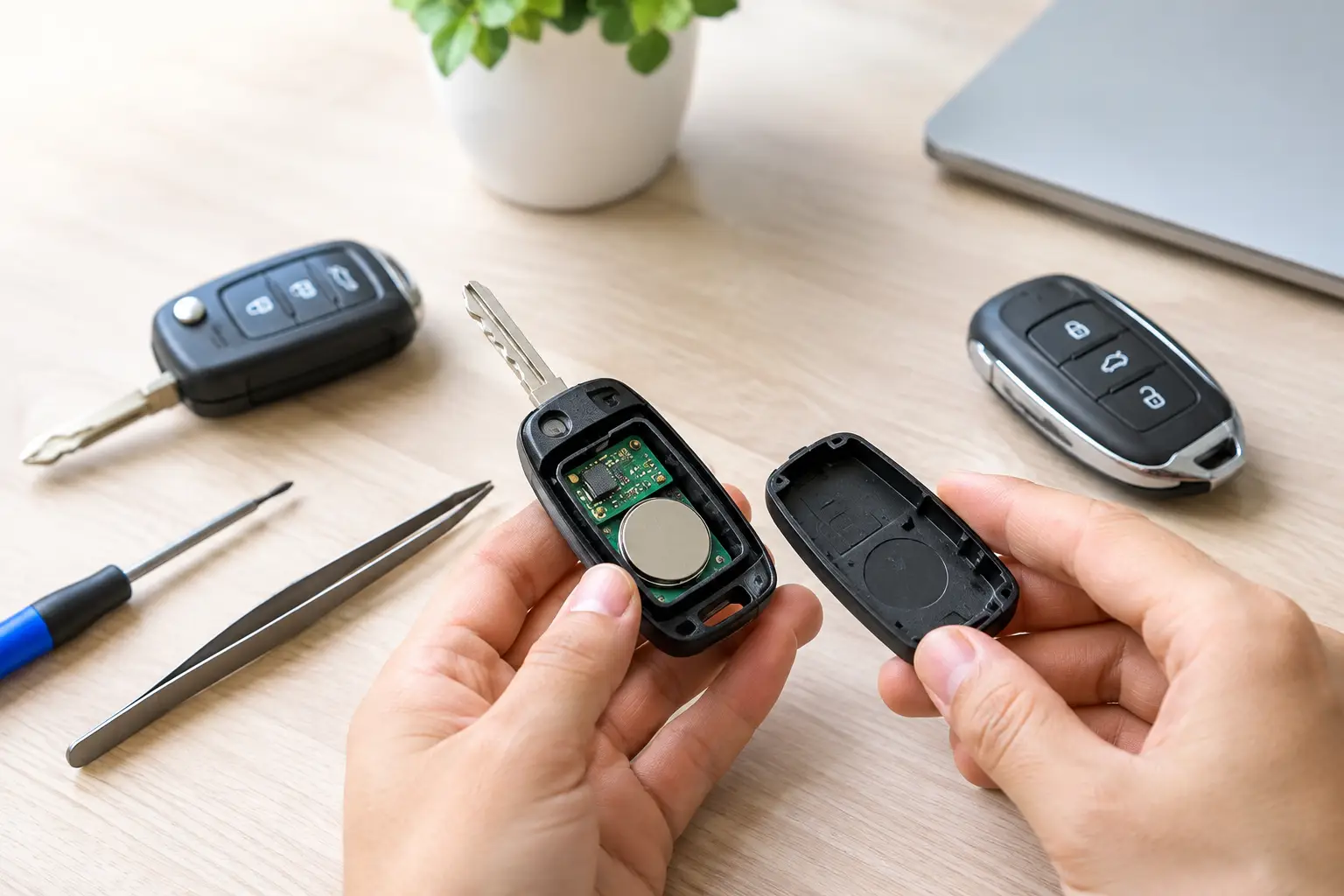
It is also worth replacing worn remote cases before they split and allow the key blade or electronics to fall out. A fob shell repair can be a simple preventative job, while a badly damaged key may fail at the worst possible moment.
For businesses with multiple vans, lorries or cars, arranging spare keys before an emergency is often the sensible option. It gives you a known working backup and avoids making a key-loss situation the first time you find out what security system a vehicle uses.
When a fleet vehicle has no key, avoid forcing entry or trying internet fixes that can damage the lock, trigger further faults or leave the vehicle exposed. Have the registration, location and proof of authority ready, then speak to a specialist. The quickest recovery is usually the one done properly the first time.

Related Posts