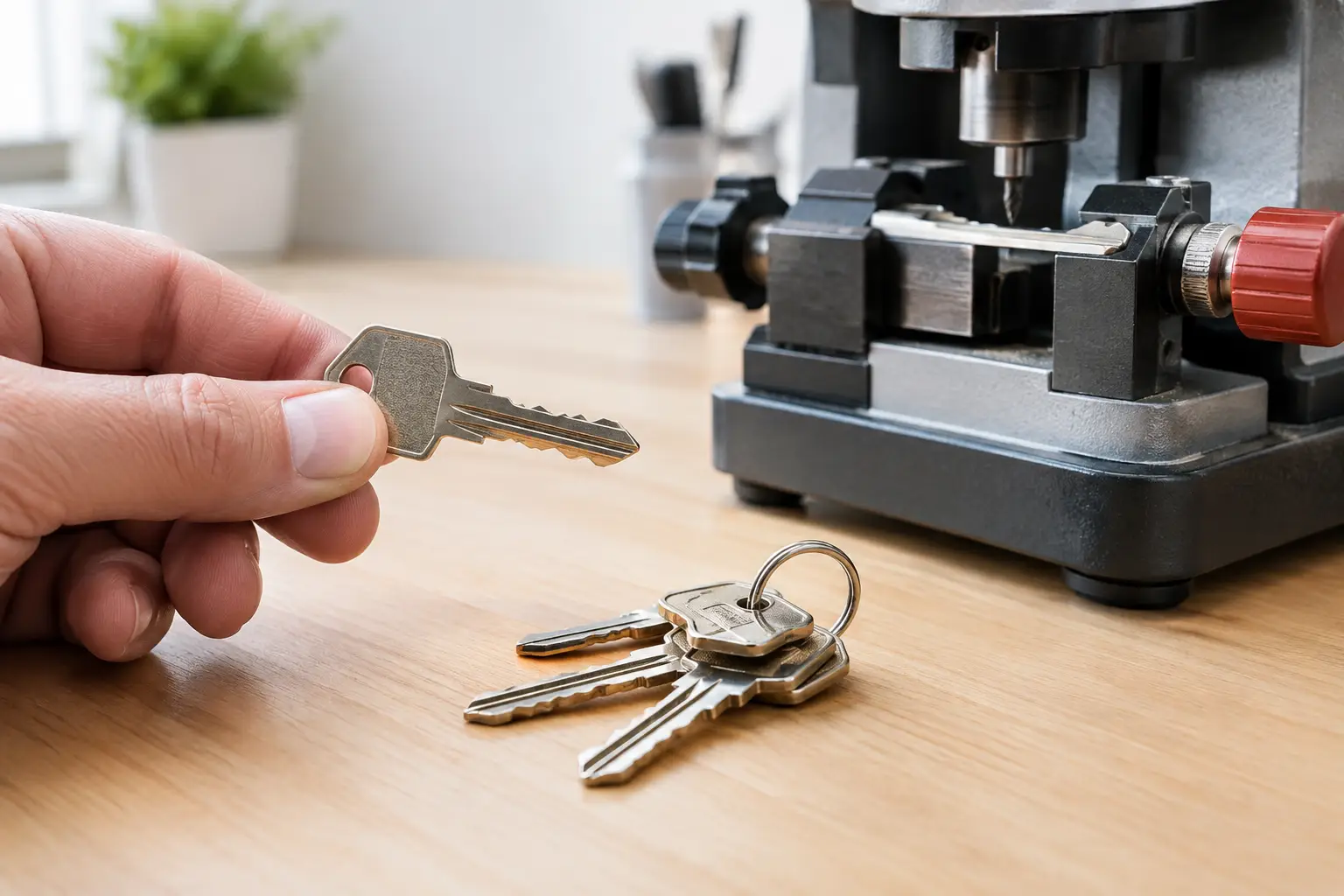
Does key cutting require original keys? Learn when a locksmith can cut a replacement from a code, lock or spare, including modern car keys. Fast.
What to Do After Losing Car Keys
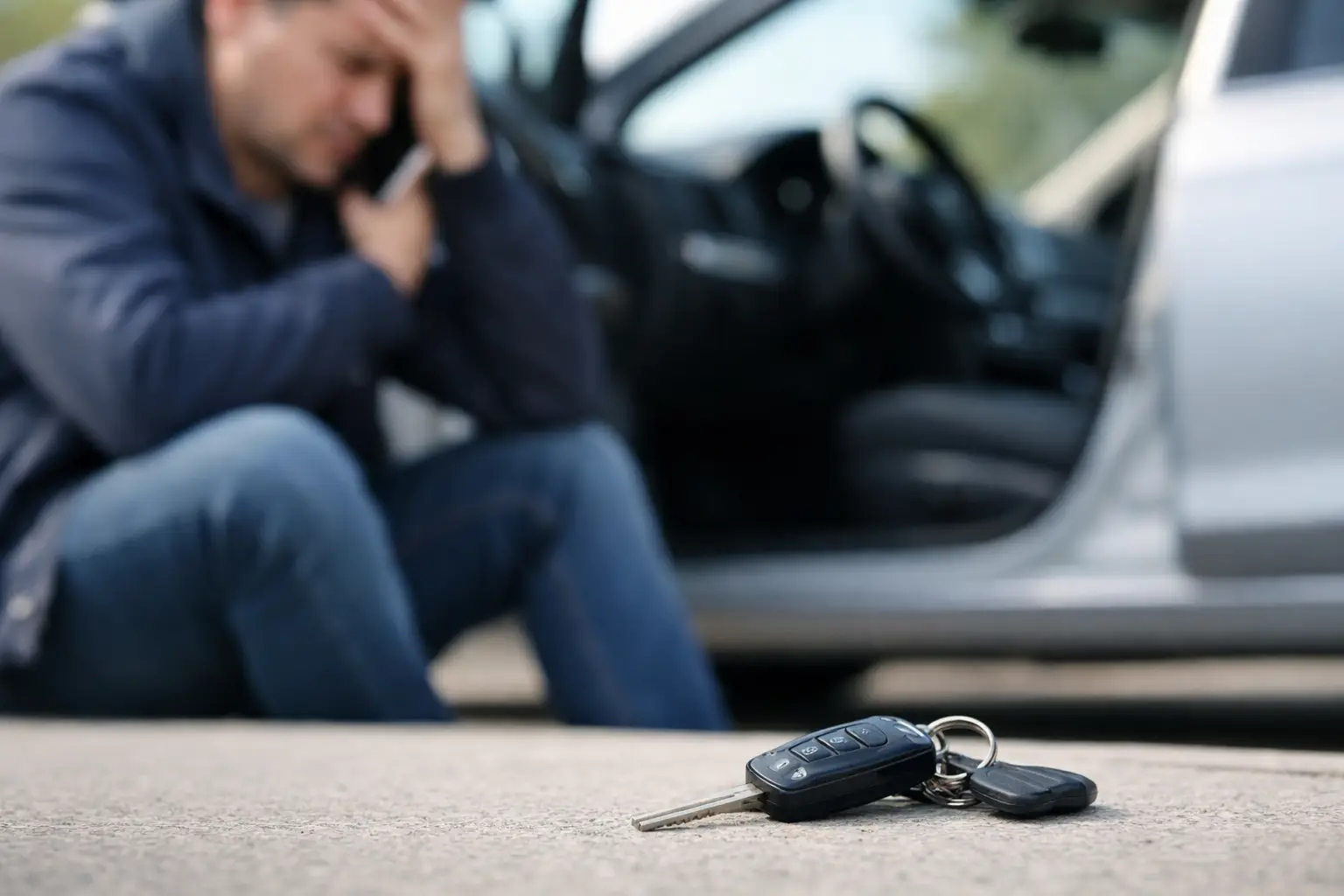
You walk back to the car, reach for your pocket or bag, and the keys are gone. That is usually the moment panic kicks in. If you are wondering what to do after losing car keys, the best move is to slow down, protect the vehicle, and take the next few steps in the right order. A rushed decision can cost you time, money, and in some cases, leave your car exposed.
What to do after losing car keys right away
Start with the simple checks first. Look in the places where keys usually turn up after a stressful day – coat pockets, gym bags, grocery bags, the driver seat, under the seat, around the trunk area, and anywhere you stopped before noticing they were missing. If you were carrying a lot, think about the last time you physically used the key rather than the last time you remember seeing it.
If the vehicle is unlocked, do not leave it sitting unattended while you search. Stay with it if you can, or have someone you trust wait by the car. If it is locked and in a safe location, that gives you a little breathing room. If it is in a public place, outside your home overnight, or parked somewhere isolated, the urgency goes up.
A spare key changes everything, so check that next. Many drivers forget they even have one until the main key disappears. Call home, call a family member, or think back to whether a dealer, previous owner, or partner has the spare. If a spare can be brought to you quickly, that is the cheapest and easiest outcome.
Figure out what kind of key you lost
The next step depends on the type of key your vehicle uses. An older mechanical key is one thing. A modern transponder key, remote fob, or proximity key is another.
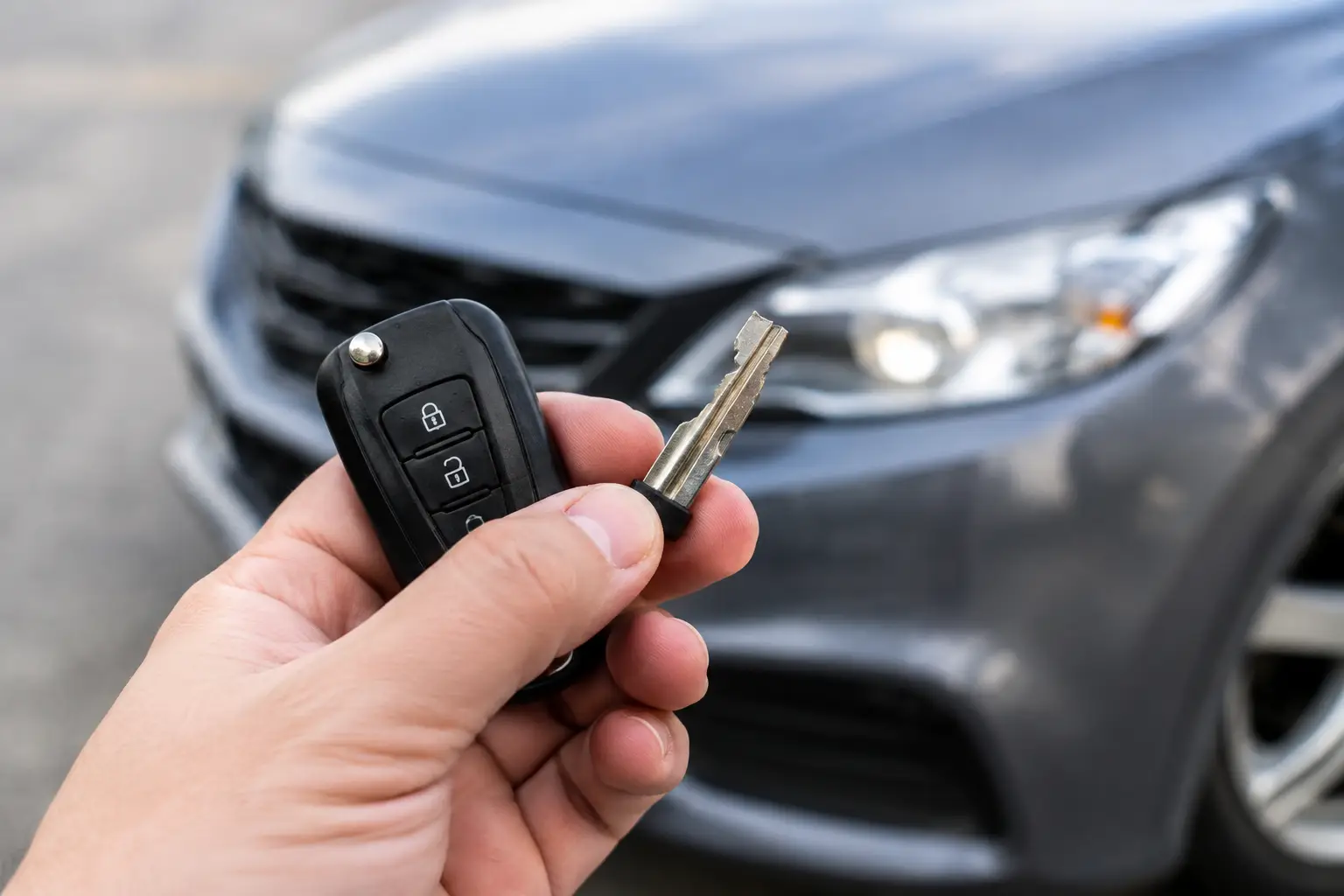
If your car was built in the last couple of decades, there is a good chance the key has an electronic chip tied to the immobilizer. That means cutting a new blade is only part of the job. The replacement often needs to be programmed so the vehicle will recognize it and start.
This is where people lose time by assuming any locksmith can handle it. Some can. Many cannot. A general locksmith may help with a house or office lock but not have the equipment, software, or experience to deal with vehicle security systems. For a modern car, you usually need a specialist auto locksmith or the dealer.
Before you spend money, rule out the obvious
It sounds basic, but it matters. If you lost one key and still have another, test the spare before doing anything else. Sometimes the issue is not a lost key at all. It may be a dead fob battery, a damaged shell, a worn blade, or a fault with the vehicle’s central locking.
For example, if the remote is not working but the key blade still opens the door, the problem may be electronic rather than a total key loss. If the car unlocks but will not start, that points more toward transponder or immobilizer trouble. The fix in those cases can be different from full key replacement.
Being clear about the exact problem helps you avoid paying for the wrong service.
Protect the car if the keys may have been stolen
There is a big difference between keys that are lost somewhere in the house and keys that disappeared with your wallet, address, work badge, or other identifying details. If there is any chance the keys were stolen or could be traced back to your vehicle, act fast.
Move the vehicle if you still can. If you have a spare, relocate it to a safer place as soon as possible. If you do not have access, ask a specialist auto locksmith about disabling the lost key from the vehicle’s memory where possible and programming a new one. On some cars, old keys can be removed from the system. On others, the best solution may depend on the make, model, and age of the car.
If theft is likely, filing a police report may also be sensible, especially if personal details were taken at the same time. This matters for your records and may matter for insurance too.
Should you call roadside assistance, the dealer, or an auto locksmith?
It depends on what you need and how quickly you need it.
Roadside assistance can be useful if the car is simply locked and the keys are visible inside. In some cases they can help you gain entry. But they usually do not cut and program replacement keys on the spot.
The dealer can often replace and program keys, especially for newer vehicles and high-security systems. The trade-off is time and cost. Dealers may require proof of ownership, identification, and in some cases towing the vehicle to them. That is not ideal if the car is stuck in a parking lot or on your driveway and you need it moving today.
A specialist auto locksmith is often the most practical option when you need roadside help, damage-free entry, key cutting, transponder programming, or remote replacement without moving the vehicle. The main advantage is that the work can often be done where the car is parked. That saves time and avoids towing costs.
For drivers who need fast local help, this is usually the point where calling a dedicated vehicle locksmith makes the most sense.
What an auto locksmith will usually need from you
To replace lost keys properly, the technician will normally ask for the vehicle make, model, year, and your location. They may also ask whether all keys are lost, whether the car is locked, and whether you need a remote, a basic key, or a proximity fob.
You should also expect to show proof that the vehicle belongs to you. That protects everyone involved. A professional service will not cut and program keys for a vehicle without confirming lawful access.
In some cases the locksmith can generate a new key from the lock, the vehicle data, or onboard systems. In others, the method depends on the car brand and the security setup. That is why accurate details on the first call help speed the job up.
What to do after losing car keys if they are locked inside
If the keys are in plain sight on the seat or in the trunk, resist the temptation to force the door, bend the frame, or try random online tricks. Modern vehicles are easier to damage than many drivers realize. Door seals, paint, lock mechanisms, window channels, and electronic components can all end up costing far more than proper entry would have cost in the first place.
Professional non-destructive entry is designed to avoid that. Depending on the vehicle, access may be gained through lock picking, bypass methods, or specialist opening tools. The right method depends on the car. What works safely on one model may be a bad idea on another.
If a child, pet, or vulnerable person is locked inside, that becomes an emergency. Call emergency services first if there is immediate danger.
Cost depends on the car, not just the key
Many drivers want a quick price before anything else, which is understandable. But key replacement pricing varies for good reason. A simple metal key for an older car is usually far cheaper than a smart key for a push-button start vehicle.
The price can also change based on whether all keys are lost, whether the vehicle needs opening first, whether programming is required, and whether the key includes remote locking functions. Luxury brands and newer vehicles with higher security systems tend to sit at the more expensive end.
That does not always mean the dealer is your only option. A properly equipped auto locksmith can often handle the same problem more quickly and at a fairer cost, especially when travel, towing, and waiting time are taken into account.
How to make the replacement process easier
Once you have the immediate problem under control, think one step ahead. If you only replace one lost key, you are still one bad day away from the same problem again.
Getting a spare made at the same time is usually the sensible move. It is often cheaper and simpler when at least one working key is already available or when the technician is already on site with the right equipment. Keep the spare somewhere separate from the main key, not in the same bag or key ring.
It is also worth replacing damaged fob shells, weak batteries, or worn blades before they fail completely. Many key issues start small and become emergencies later.
Prevent the next lockout
No one plans to lose a car key, but you can make it less likely. Keep a routine. Put the key in the same pocket, tray, or hook every time. Avoid tossing it into oversized bags full of loose items. If your vehicle uses a smart key, remember that the fob can still be misplaced even if you rarely take it out.
A Bluetooth tracker can help some people, but it is not a complete solution. It depends on battery life, signal, and whether you notice the loss quickly. A spare key in a secure place is still the better backup.
If you are in a lockout or all-keys-lost situation, the main thing is not to make a stressful problem worse with guesswork or forced entry. Get the car secure, confirm what type of key system you have, and call the right specialist for the job. When the response is fast, the access is damage-free, and the replacement is properly programmed, you get back on the road with a lot less disruption – which is exactly the point.

Related Posts