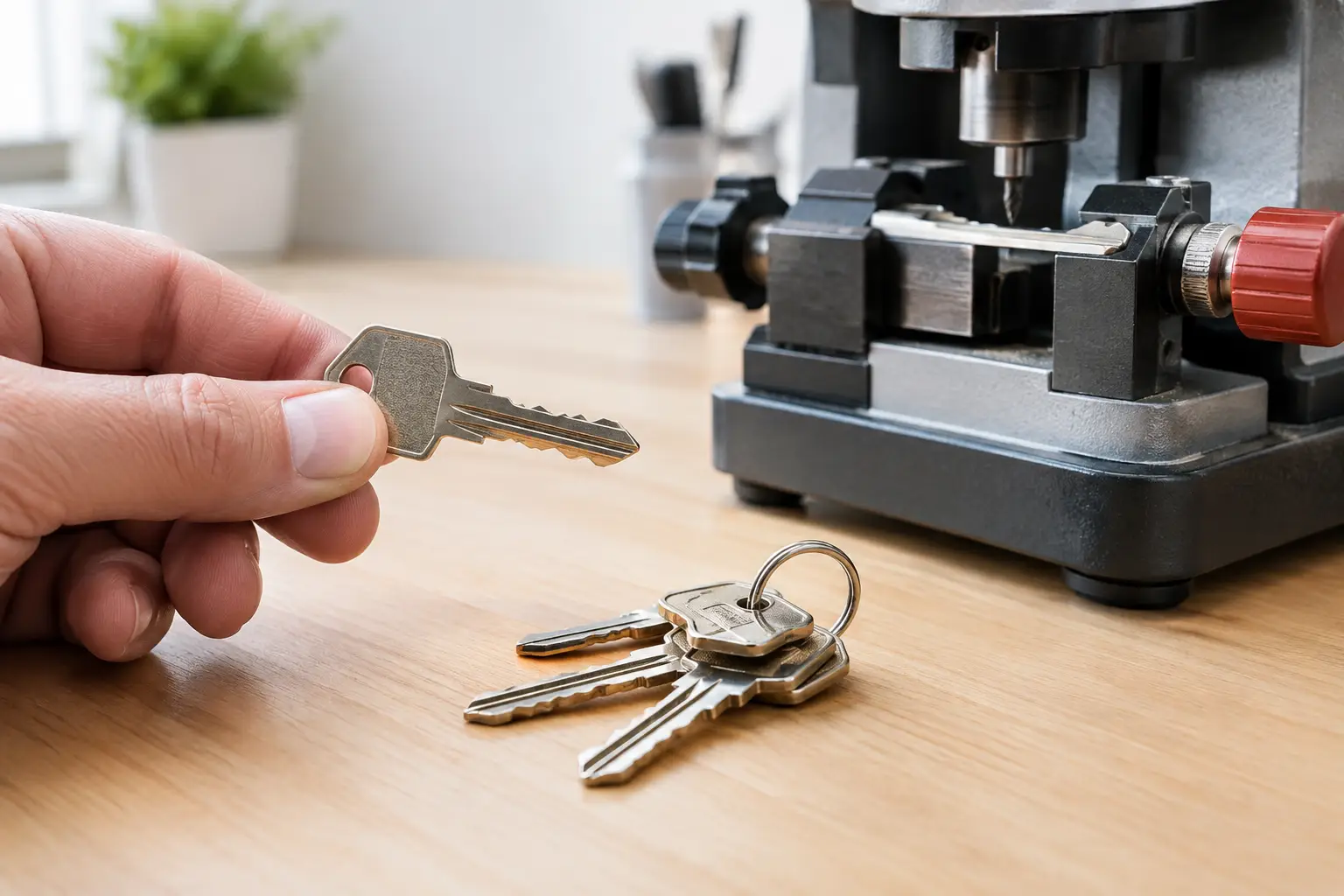
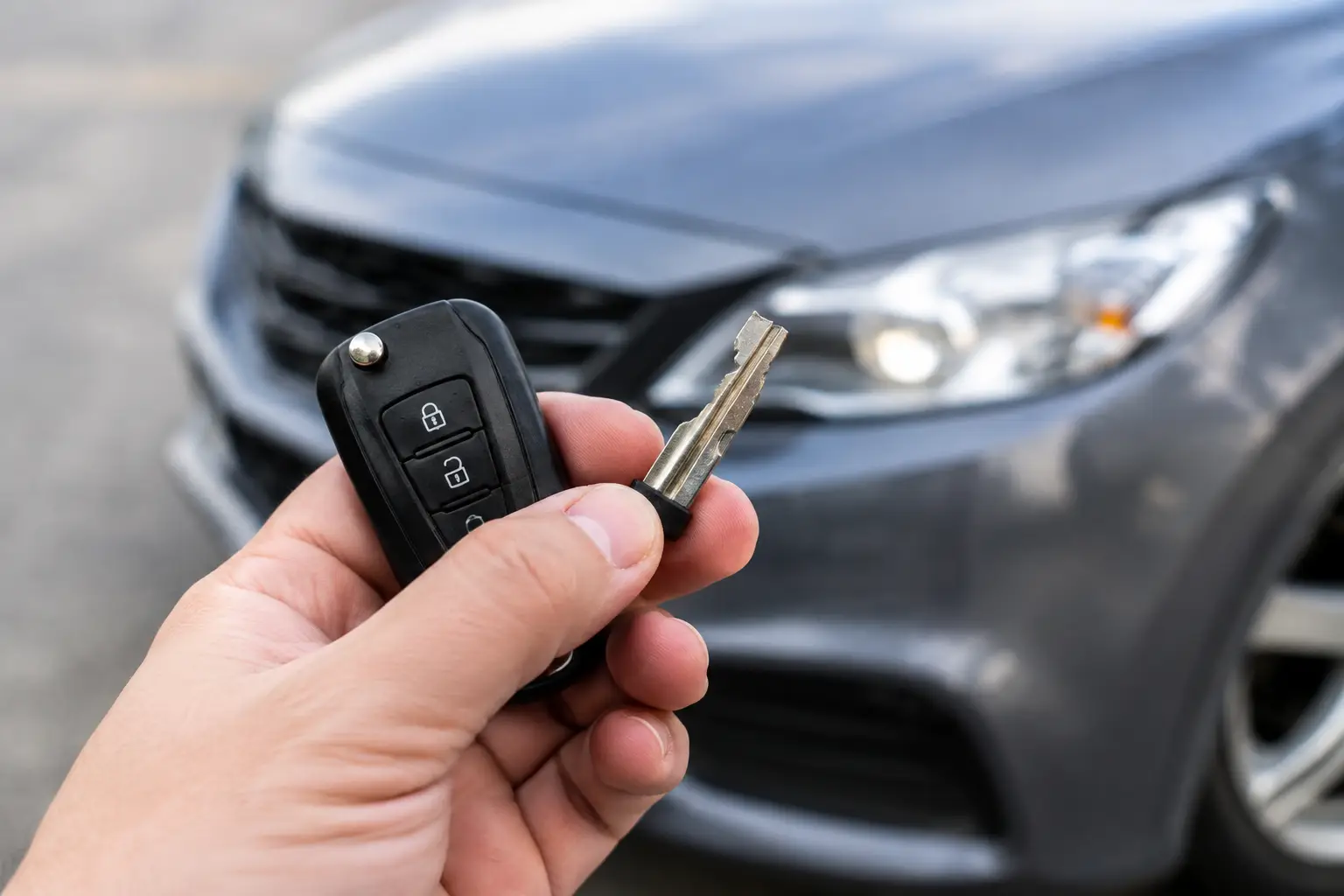
Does key cutting require original keys? Learn when a locksmith can cut a replacement from a code, lock or spare, including modern car keys. Fast.
Non Destructive Car Entry Explained
You shut the door, hear the lock click, and then spot the keys on the seat. That is the moment non destructive car entry matters. When you are stranded at work, outside your home, or on a roadside stop, the priority is simple – get back into the vehicle quickly without turning a lockout into an expensive repair.
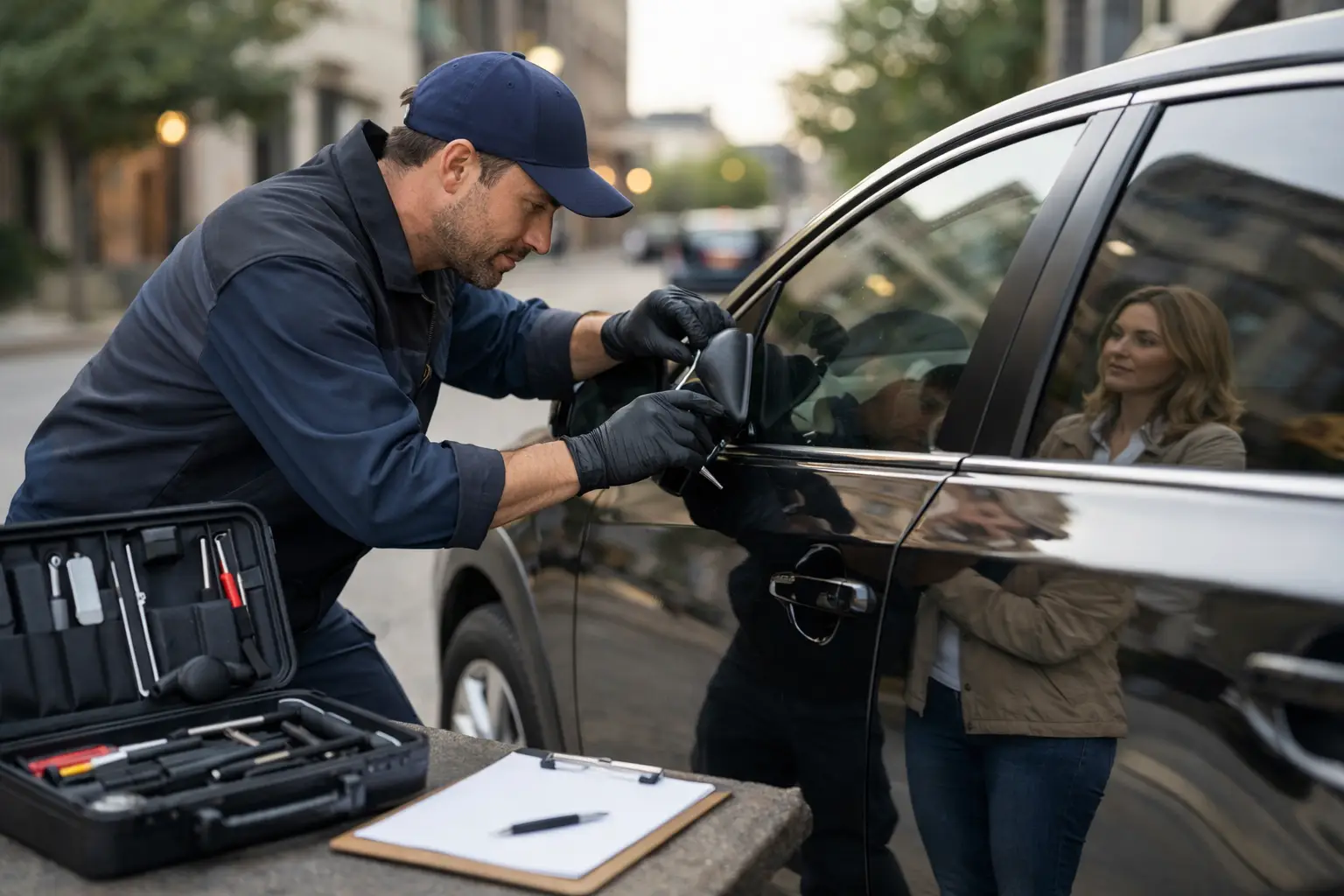
Non destructive car entry means opening a locked vehicle without breaking glass, forcing the lock, or damaging the door, weather seals, paint, or security system. For most drivers, that is the difference between a short interruption and a much bigger problem. A proper automotive locksmith is not there to just get the door open. The job is to restore access while keeping the vehicle in the same condition as before the lockout.
What non destructive car entry actually means
A lot of people assume every car lockout is solved the same way. It is not. Modern vehicles have tighter tolerances, more complex locking systems, deadlocks, shielded linkages, and electronic protections that make forced entry risky and often pointless.
Non destructive car entry is a specialist process. It uses the correct tools, the correct access points, and the correct method for the make, model, and fault. Sometimes that means professional lock picking. Sometimes it means a bypass technique. In other cases, it may involve decoding the lock or dealing with a central locking fault before entry is possible.
The key point is that the method should fit the vehicle. What works on an older mechanical system may be completely wrong for a newer model with a transponder key, proximity system, or anti-theft deadlock.
Why damage-free entry matters
When drivers are stressed, they often think about the fastest option rather than the best one. That is how windows get smashed, door frames get bent, and lock barrels get ruined. Those quick fixes usually cost far more than calling a specialist in the first place.
Damage-free entry protects more than the door. It helps preserve window alignment, weather sealing, paint finish, lock function, and alarm reliability. On newer vehicles, it also reduces the risk of creating electrical faults or triggering extra problems with the central locking system.
There is also a resale and insurance angle. A bent frame, marked trim, or replaced glass can leave obvious signs that the vehicle was forced open. Even if the car still drives fine, that kind of damage is avoidable in many cases.
How a specialist auto locksmith opens a car without damage
The exact technique depends on the vehicle and the reason you are locked out. A specialist starts by identifying the security setup and checking whether the keys are locked inside, lost, broken, or whether the locking system itself has failed.
For some vehicles, lock picking is still the cleanest route. If the lock is in good condition and the design allows it, the locksmith can manipulate the mechanism directly and open the door as intended. On others, bypass entry may be better. That involves reaching or triggering the internal release through a safe access method without harming the vehicle.
Air wedges and specialist tools may be used carefully to create controlled access where appropriate, but this is where experience matters. Used badly, those tools can bend the frame, tear seals, or damage trim. Used properly, they allow precise access with minimal movement and no lasting harm.
If the issue is electronic rather than physical, entry can be more complicated. A dead battery, failed remote, faulty latch, or central locking malfunction can change the approach. In those situations, a general locksmith may struggle because opening the car is only part of the job. An automotive specialist understands how the locking system, key, immobilizer, and remote functions work together.
When non destructive car entry is possible
In many standard lockout situations, non destructive entry is possible. If the keys are visible inside the car, the lock is intact, and the vehicle has not developed a major mechanical or electrical failure, a trained auto locksmith can usually gain access without damage.
It is also common with lost key situations where the car is locked but otherwise functioning normally. Entry can often be achieved first, followed by key cutting or programming if needed.
Where it gets more difficult is when the vehicle has internal damage, a failed lock mechanism, severe deadlocking, accident damage, or previous tampering. If someone has already tried to force the car open with the wrong tools, the locksmith may be dealing with a damaged lock, distorted door frame, or jammed linkage before the real work even starts.
That is why honest assessment matters. A reliable specialist should tell you when non destructive car entry is realistic and when the fault in the vehicle itself may limit the options.
Why modern cars need a true auto locksmith
A car is not just a locked box with a keyhole anymore. Many vehicles built after the mid-1990s combine mechanical locks with transponder chips, immobilizers, remote locking, and model-specific anti-theft features. Some have hidden door locks. Some have shielded access points. Some are far less forgiving if the wrong method is used.
That is where a dedicated auto locksmith stands apart from a general locksmith. The work is not just about opening the door. It is about understanding the system well enough to avoid causing another fault while solving the first one.
If your key is lost, broken, or the remote has failed, entry may only be step one. You may also need a replacement key cut, a transponder programmed, or a damaged fob shell repaired. Getting all of that handled by one specialist saves time and usually gets you moving sooner.
What to expect when you call for help
A good locksmith should ask a few direct questions before heading out. They will want the vehicle make, model, year, location, and a clear description of the problem. Are the keys locked inside? Is the spare also unavailable? Has the battery failed? Is the key snapped in the lock or ignition? That information helps them bring the right tools and set realistic expectations.
When they arrive, they should verify ownership or authority to access the vehicle. That protects you and them. After that, the vehicle is assessed and the least invasive method is chosen first.
You should also expect clear pricing. In a stressful lockout, nobody wants vague answers. Fair service means being upfront about the callout, the likely entry method, and any additional work if a new key or programming is needed.
Auto Locksmith Doctor Ltd works this way because vehicle lockouts are urgent enough without adding confusion, pressure, or unnecessary damage.
Common situations where drivers need non destructive car entry
The most common one is simple – keys locked in the car. It happens in driveways, gas stations, work parking lots, and school runs every day. The second common issue is lost keys, especially when a driver has no spare. Then there are broken keys, failed remotes, flat vehicle batteries affecting central locking, and locks that stop responding even though the key looks fine.
There is no single fix for all of these. A manual lockout on an older sedan is not the same as a proximity key issue on a newer SUV. That is why the best results come from someone who handles vehicle-specific problems every day, not someone applying the same method to every door.
What you should not do during a lockout
If you want the best chance of non destructive car entry, stop before the DIY attempt gets out of hand. Coat hangers, screwdrivers, wedges from a toolbox, and forced window pressure can do real damage quickly. Even if you do manage to open the car, the repair bill can easily outweigh the cost of professional help.
Avoid repeated remote pressing if the system is already malfunctioning, and do not force a key that feels wrong in the lock. A key that is worn, cracked, or partially damaged can snap, turning a lockout into a broken-key extraction and replacement job.
If you are in a vulnerable location, focus on safety first. Move somewhere visible if possible and call for specialist help as soon as you can.
Fast help matters, but the method matters more
Most people calling for emergency entry care about one thing first – how quickly someone can get there. That is fair. But speed only helps if the job is done properly. A rushed attempt with poor tools or the wrong technique can leave you with a car that is open but damaged.
The better approach is fast response with the right method from the start. That means local coverage, proper automotive tools, and experience across both older key systems and newer electronic security setups.
If you are locked out, non destructive car entry is not a luxury service. It is the sensible way to regain access without creating a second problem. The right locksmith should leave you with an open car, an intact vehicle, and one less thing to worry about.

Related Posts