Does key cutting require original keys? Learn when a locksmith can cut a replacement from a code, lock or spare, including modern car keys. Fast.
When Car Remote Stops Working: What to Do
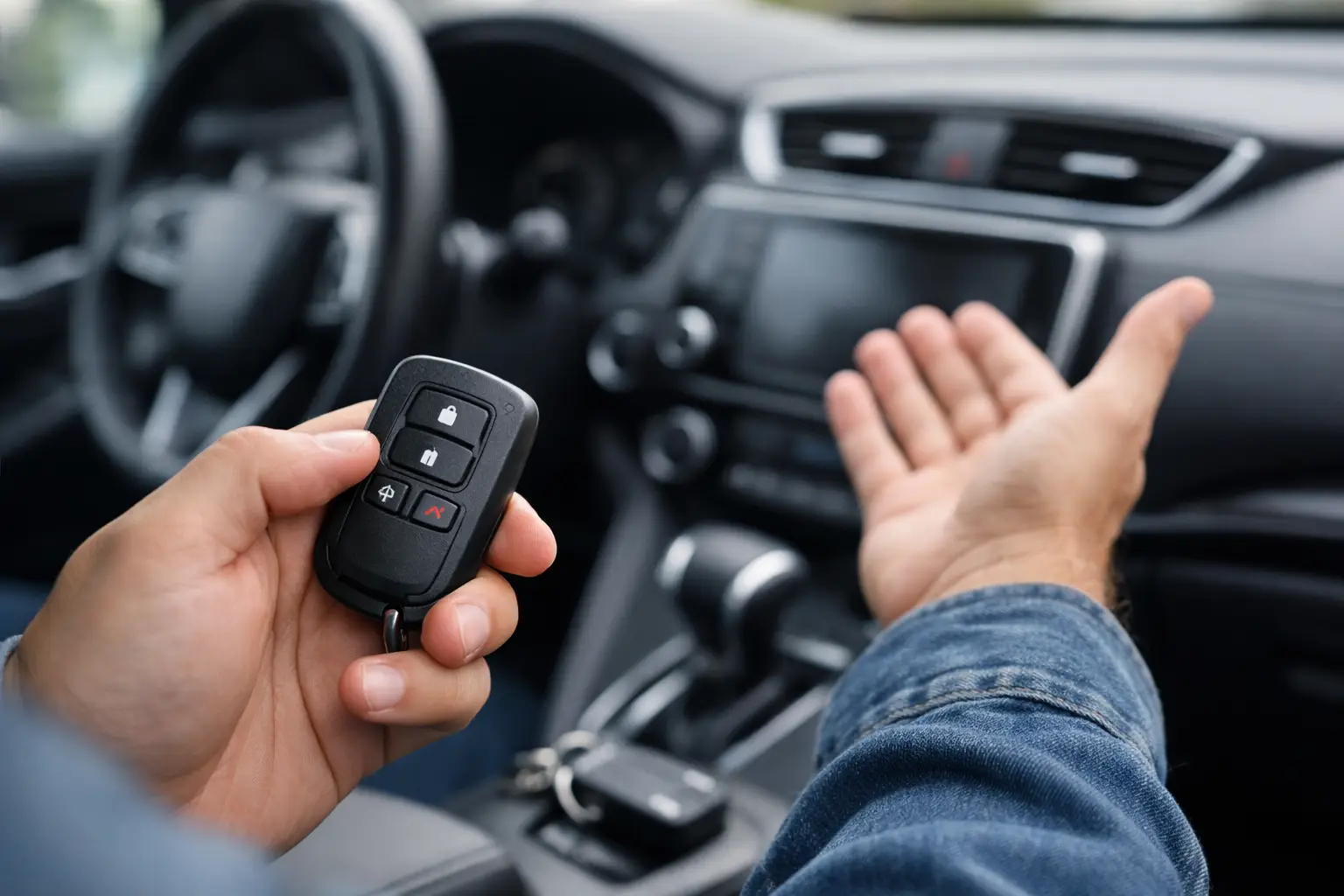
You press the button, nothing happens, and suddenly a normal day turns into a hassle. When car remote stops working, the problem is not always the fob itself. It could be a flat battery, a lost signal, a vehicle-side fault, or a key that now needs programming again.
The main thing is not to guess and not to force anything. If the key still turns in the door or the emergency blade still gets you inside, that gives you time to work through the likely causes properly. If you are locked out altogether, or the car will not recognise the key, it is usually faster and cheaper to get a specialist auto locksmith involved than to risk damage or pay main dealer prices.
When car remote stops working, start with the obvious
Most remote faults begin with the simplest issue – the battery inside the fob. These batteries do not always fail gradually. One day the range drops, the next day the remote appears dead. If you have to stand right beside the car for it to respond, that is often an early sign.
A worn or damaged fob shell can cause trouble as well. The buttons may look intact on the outside while the internal switch has shifted, cracked, or stopped making contact. This is common with keys that have spent years in pockets, tool bags, cup holders, and the bottom of handbags.
Try the spare key if you have one. That single check tells you a lot. If the spare remote works normally, the issue is almost certainly with your everyday key rather than the car. If neither remote works, the fault may be with the vehicle receiver, central locking system, or programming.
It is also worth checking whether the car battery is weak. Drivers often focus on the fob, but a tired vehicle battery can affect central locking and body control systems, especially on newer cars with more electronics. If the car has been standing for a while, or if lights and dashboard functions seem weak, the problem may not be in your hand at all.
Signs the key fob battery is the problem
A battery fault is usually the best-case scenario because it is quick to sort. The warning signs are fairly consistent. The remote only works at very close range, needs repeated button presses, works one minute and not the next, or triggers one function such as unlock but not another.
Some cars will also display a dashboard message about key battery level or key not detected. Not every model does this, so the absence of a warning does not rule it out.
Battery replacement sounds simple, but there is a catch. Opening the fob carelessly can crack the casing, damage the circuit board, or dislodge small contacts and transponder components. That matters because many car keys are doing two jobs at once – remote locking and immobiliser authorisation. A key can still open the doors manually yet fail to start the car if the transponder chip is damaged or missing.
If the shell is already loose, split, or held together with tape, there is a fair chance the battery is not the only issue. In those cases, shell repair or a replacement casing may be needed alongside a fresh battery.
Why the remote may stop working even with a good battery
If a new battery changes nothing, the next question is whether the key has lost synchronisation or programming. On some vehicles, a remote can drop out of sync after a battery change, electrical fault, or prolonged non-use. On others, the problem sits deeper in the key data or the car’s control module.
Water damage is another regular cause. A key that has gone through the wash, been left in heavy rain, or sat in a damp work jacket may look fine outside while corrosion is building inside. Corroded boards often give intermittent faults before failing completely.
Physical damage matters too. Dropping a key onto concrete can crack solder joints or loosen the battery clips. Flip keys are especially vulnerable around the hinge and button area. Proximity keys can also fail internally even when there is no visible external damage.
Then there are vehicle-side issues. Faults in the door locking module, body control unit, aerial, or wiring can all make it seem as though the remote has failed. If the central locking behaves oddly from the interior switch as well, or one door is not responding with the others, that points more towards the car than the key.
What you can safely check yourself
There are a few sensible checks any driver can do before calling for help. Use the spare key if available. Check whether the manual key blade opens the door. See whether the car starts when the key is held close to the steering column or designated backup start area on keyless models. Watch for dashboard messages and note whether the fault affects locking only, or starting as well.
If the issue began after replacing the battery, make sure the correct battery type was fitted the right way round. It sounds basic, but it is a common cause of repeat failures. Also check the battery contacts are not bent or flattened.
What you should not do is prise the key apart with excessive force, spray anything into the lock or fob, or keep hammering the buttons in the hope it comes back to life. That often turns a repairable key into a replacement job.
When car remote stops working and the car will not start
This is where drivers often get caught out. They assume the remote issue is only about opening the doors, but many modern keys contain a transponder chip or proximity function linked to the immobiliser. If the vehicle cannot detect the coded part of the key, the engine will not start even if you can get inside.
Sometimes the remote buttons fail but the transponder still works, which means the car starts normally once you unlock it manually. Other times both functions are affected. That difference is important because it changes the repair route.
A specialist auto locksmith can usually test whether the problem lies in the remote circuit, the transponder, the key programming, or the vehicle system. That saves time compared with replacing parts blindly. It also avoids towing the car unnecessarily if the issue can be resolved on site.
When to call a specialist auto locksmith
If you have no working spare, the key is physically damaged, the car will not recognise the key, or you are locked out with the alarm set, it is time to get proper help. This is especially true with post-1995 vehicles using coded keys, immobilisers, and proximity systems.
A general locksmith may be able to open a door in some cases, but car key faults are often electronic as much as mechanical. Programming, transponder diagnosis, remote testing, and non-destructive entry require the right tools and vehicle-specific knowledge. That is where a dedicated automotive locksmith earns their keep.
For drivers across West Central Scotland, speed matters as much as the fix itself. If you are stuck at home before work, at a supermarket with the kids, or at the roadside in the rain, you need someone who deals with this every day and knows how to get access without damaging the car. That is exactly the sort of work Auto Locksmith Doctor Ltd handles.
Repair or replace the key?
It depends on what has actually failed. If the shell is broken and the electronics are sound, a shell replacement may be enough. If the battery contacts or button switches are damaged, the existing key may be repairable. If the circuit board is corroded or the transponder is faulty, replacement is often the more reliable option.
Cost can vary quite a bit by make and model. Older remote keys are usually simpler and cheaper to sort. Newer smart keys and proximity fobs can be more expensive because of the technology involved and the programming required. Even then, an auto locksmith is often the more practical route than a dealership, particularly when you need same-day help at your location.
A few ways to avoid a repeat problem
Keys wear out because they are used constantly and rarely looked after. Keep the fob dry, replace cracked shells early, and do not ignore reduced range or sticky buttons. If you only have one working key, getting a spare cut and programmed before it fails is usually money well spent.
That is especially true for households sharing one car, tradespeople using vans daily, and anyone who cannot afford downtime. Waiting until the only key fails nearly always makes the job more urgent and more expensive.
If your remote has suddenly stopped responding, do the simple checks first, but do not lose time on guesswork once it is clear the problem is beyond a battery swap. The right fix is the one that gets you back into the car, back on the road, and back to normal without damage, delay, or unnecessary cost.

Related Posts