Smart key versus transponder key: learn how each works, what fails, replacement costs and when a Glasgow auto locksmith can get you moving again quickly.
Proximity Keys and the Faults That Stop Your Car
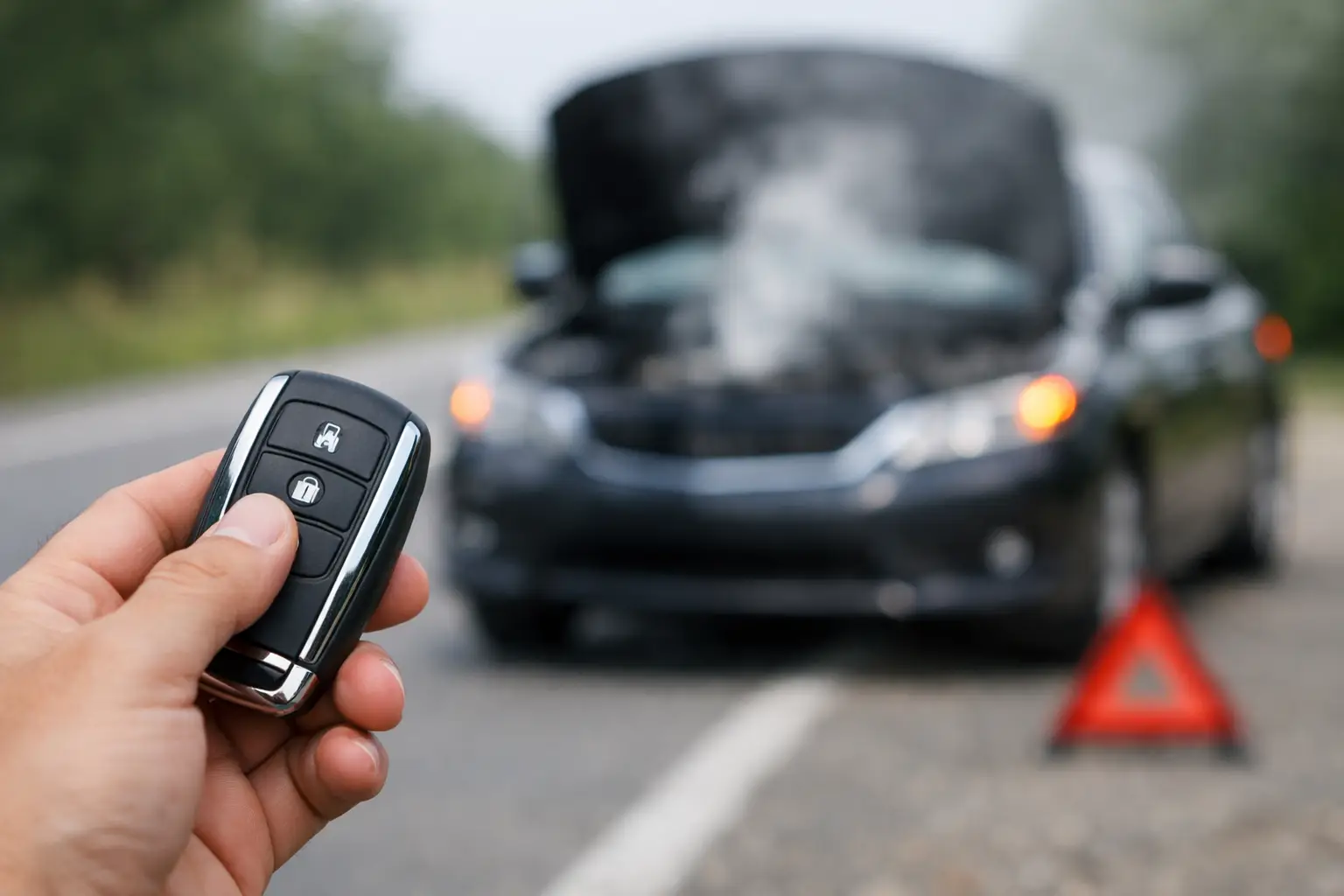
You are standing beside your car with the proximity key in your pocket, but the doors will not unlock or the dashboard says no key detected. It is frustrating, especially when you are late for work, collecting the children or trying to get home. The good news is that many proximity key faults have a clear cause, and a specialist auto locksmith can usually diagnose the problem without damaging the vehicle.
What are proximity keys?
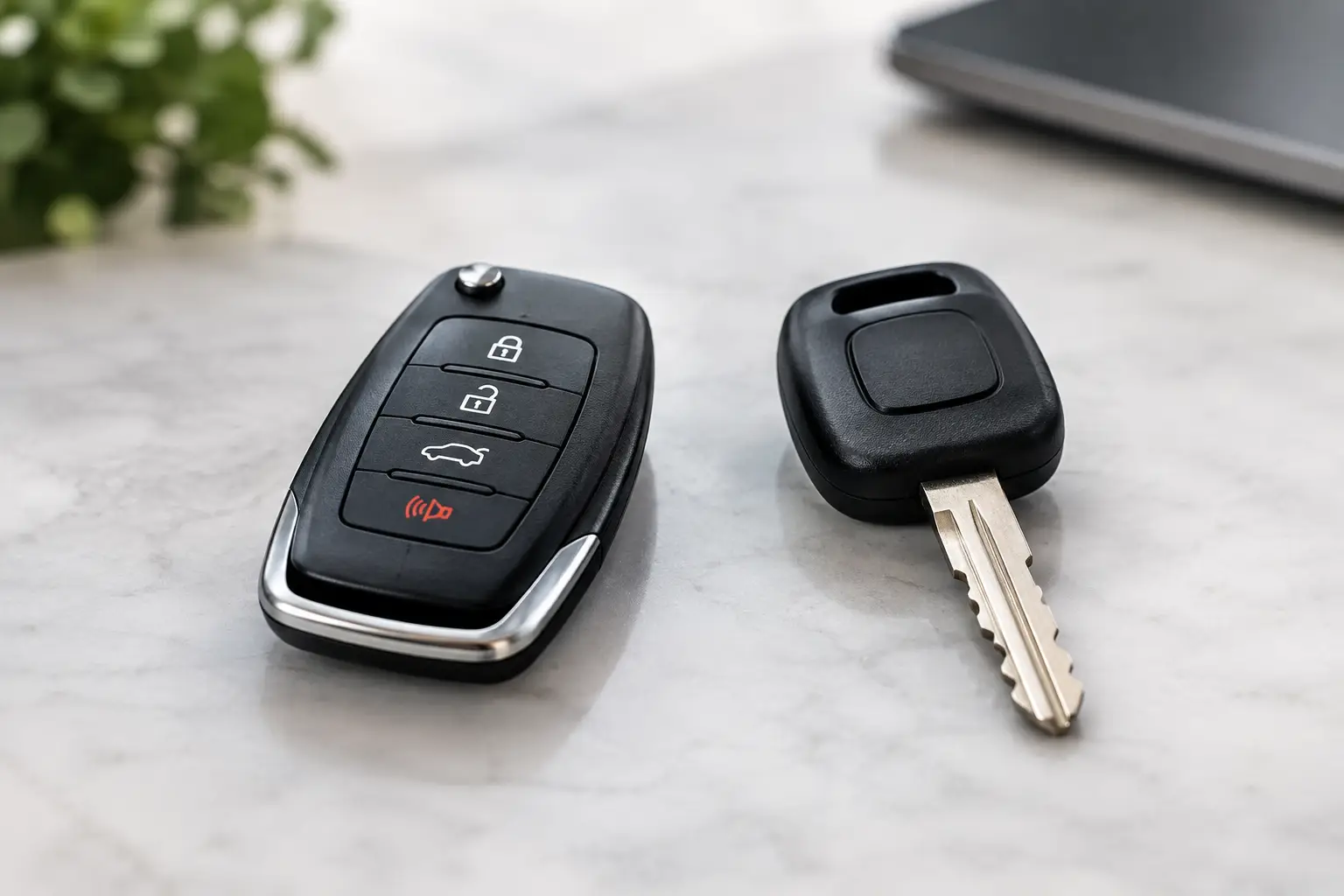
A proximity key is a keyless fob that lets the vehicle recognise you when the fob is nearby. Depending on the make and model, you may be able to unlock the doors by touching the handle and start the engine by pressing a button, with no need to put a key blade in the ignition.
The fob communicates with aerials and control units in the car. When the correct coded signal is detected, the vehicle permits central locking and, on push-button start cars, releases the immobiliser so the engine can start. The electronic code is the critical part. A key that looks identical but has not been programmed to the vehicle will not start it.
Most proximity fobs also contain an emergency mechanical key blade. This is often hidden inside the fob and can be used to open the driver’s door if the remote functions fail. It may not start the car on its own, but it can get you into the vehicle and out of the rain while the fault is checked.
Why a proximity key suddenly stops working
The simplest cause is a weak or flat fob battery. Proximity systems need more power than many drivers expect because the fob must regularly respond to the vehicle’s request for a signal. You may first notice that the remote range gets shorter, the doors unlock only after several attempts, or the car asks you to hold the fob near the start button.
A battery replacement is often straightforward, but it needs to be done carefully. Fob cases, battery contacts and internal circuit boards can be damaged if they are forced apart with the wrong tool. If the case is cracked, buttons are missing or the battery has leaked, replacing the shell alone may not solve the issue.
The key itself can also fail. Dropping a fob, sitting on it, getting it wet or leaving it through a washing cycle can damage the circuit board or transponder. Sometimes the lock and unlock buttons still work, yet the car will not start because the immobiliser chip is no longer being read. Other times, the fob appears completely dead.
It is not always the key. A flat vehicle battery, faulty door-handle sensor, damaged wiring, blown fuse, weak receiver aerial or fault within the body control module can all affect keyless entry. If neither of two working keys is detected, the issue is more likely to be with the vehicle than the fobs.
Quick checks before calling for help
If you are safely parked, there are a few sensible checks to make. Do not repeatedly force the buttons, prise the door handle or keep trying to start the car for long periods. That can drain the car battery further and does not correct a coding fault.
- Try the spare key, if you have one. If it works, the original fob is the likely problem.
- Replace the fob battery with the correct type and fit it the right way round. Check the battery contacts are clean and secure.
- Use the emergency key blade to gain entry if the remote will not unlock the doors.
- Hold the fob against the marked emergency start position, often near the start button, steering column or centre console. Your handbook may show the exact location.
If the vehicle still says key not detected, avoid trying to jump-start it unless you are confident the car battery is flat. Modern vehicles can be sensitive to incorrect jump-starting, and the fault may have nothing to do with the battery.
Can a lost proximity key be replaced?
Yes. A replacement is possible for many vehicles, but cutting a new emergency blade is only part of the job. The replacement fob has to be compatible with the make, model and year of the car, then programmed to communicate with its immobiliser and remote locking system.
This is where generic online fobs can cause trouble. Some are poor-quality copies, some are supplied with the wrong frequency or electronics, and some cannot be programmed to the vehicle at all. A cheap fob that does not work is not a saving when you still need a working key and are left unable to drive.
A proper replacement process normally includes gaining damage-free access where needed, checking the vehicle’s security system, cutting the emergency blade and programming the transponder and remote functions. On certain cars, all existing keys may need to be present during programming. On others, a lost key can be removed from the vehicle memory so it can no longer start the car.
That last point matters if your keys have been stolen rather than simply misplaced. Reprogramming the vehicle protects you from someone finding the old fob and returning to the car later.
When the car locks with the key inside
Keyless systems are designed to prevent this, but they are not perfect. A fob left in a bag on the seat, in the boot, or close to a door can occasionally lead to confusing results. A weak fob battery or an intermittent car receiver may mean the vehicle does not recognise the key as expected.
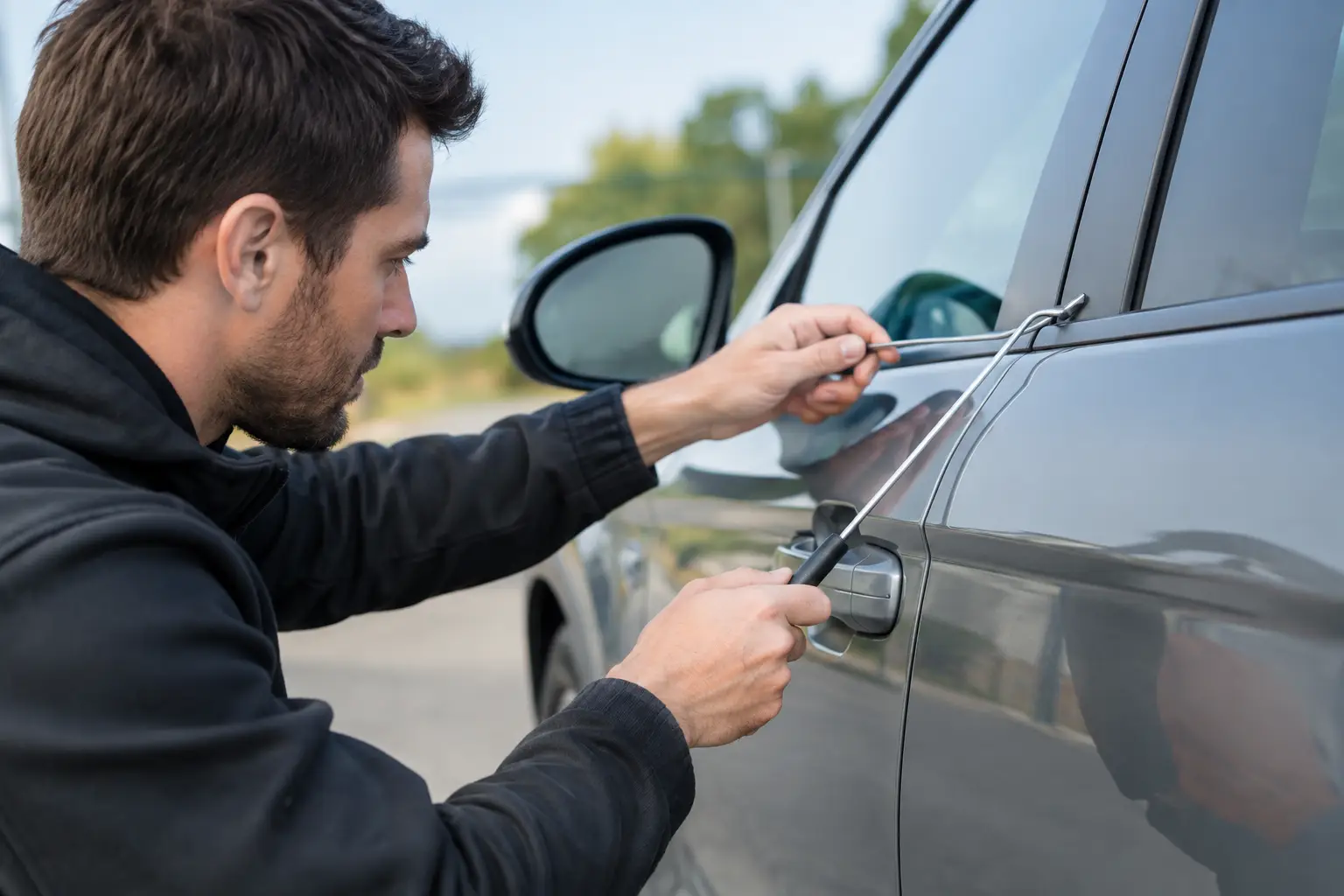
Do not force a window, bend the top of a door frame or use a coat hanger. Those methods can damage seals, airbags, paintwork, window mechanisms and electronic locking parts. A vehicle locksmith uses non-destructive entry methods chosen for the specific vehicle, then checks that the lock and central locking are operating correctly afterwards.
If the key is visible inside the car, it is still not a job for improvised tools. The cost of repairing a damaged door or window can quickly exceed the cost of professional entry.
Proximity key faults versus immobiliser faults
A proximity system has two related but separate jobs: allowing access to the vehicle and authorising the engine to start. Because of this, the symptoms can be misleading.
If the doors unlock but the car will not start, the remote battery may not be the full answer. The immobiliser transponder, key programming or vehicle reader may be at fault. If the car starts but passive entry does not work, the problem may sit with the fob buttons, handle sensors or keyless-entry aerials instead.
Warning messages vary by manufacturer. You may see “key not detected”, “immobiliser active”, “replace key battery” or a key symbol on the dashboard. These messages point a locksmith in the right direction, but they do not always identify the failed component on their own. Testing the fob and diagnosing the vehicle is the reliable way to avoid replacing parts unnecessarily.
Getting the right help in West Central Scotland
A general locksmith may be able to open a car, but proximity key work requires automotive diagnostic equipment, compatible key stock and experience with immobiliser programming. The vehicle must be opened without unnecessary damage, and the new or repaired key must be tested for locking, unlocking and starting before the job is complete.
For motorists in Glasgow, Cumbernauld, Paisley, Ayrshire and Greenock, Auto Locksmith Doctor Ltd provides on-location help with vehicle entry, replacement car keys, transponder programming and damaged fob shells. If a proximity fob has stopped working, explain the make, model, year and symptoms when you call. Mention whether you have a spare key, whether the dashboard displays a warning, and whether the car battery appears weak.
Keep your spare proximity key somewhere safe at home rather than in the vehicle, and replace a fading fob battery before it leaves you stranded. If the car will not recognise your key, a quick specialist check is usually safer and cheaper than guessing.

Related Posts