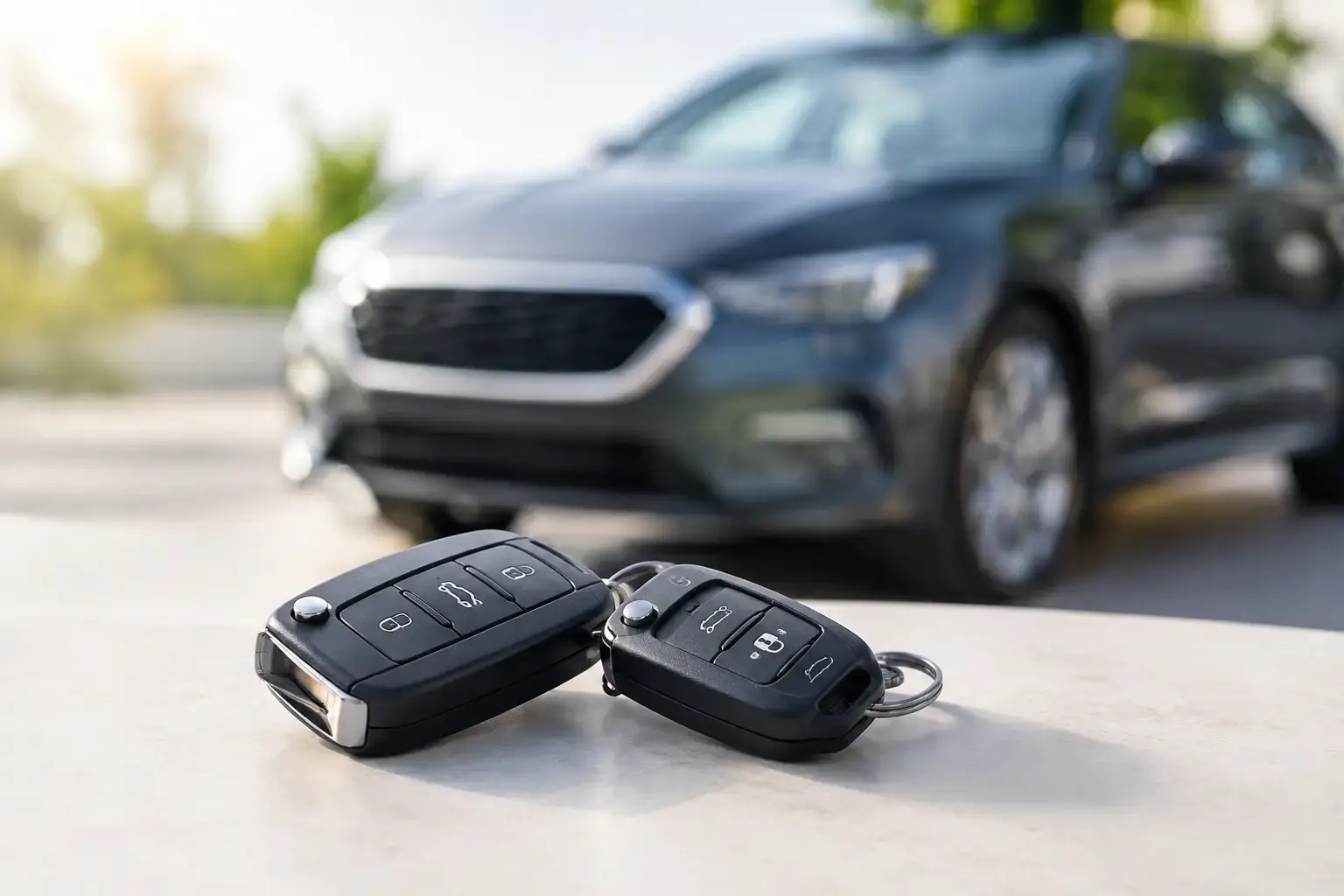
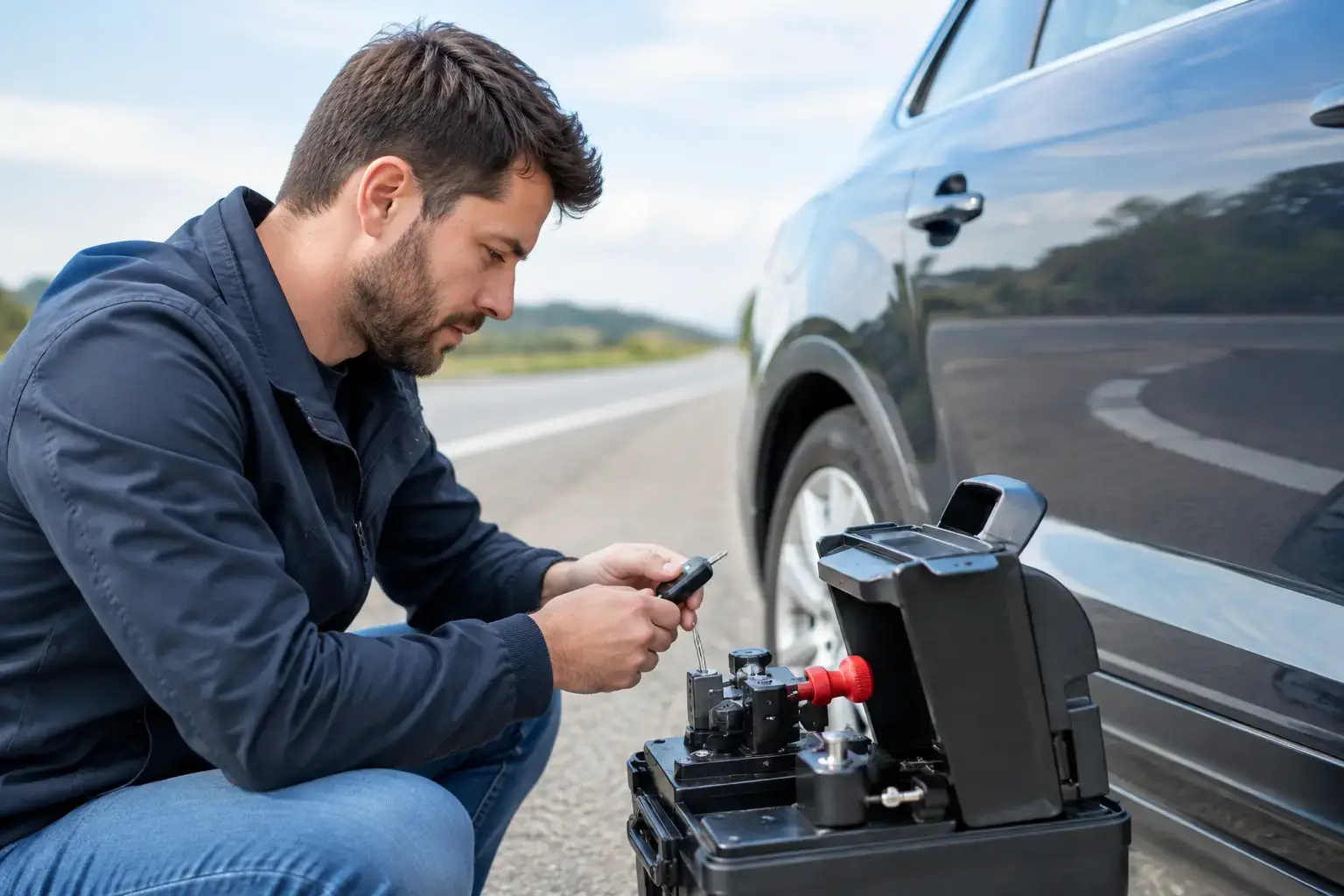
Are aftermarket key fobs reliable? Learn what affects quality, programming and security, plus when a specialist replacement is the safer choice for cars.
How to Open Locked Boot Without Causing Damage
A locked boot is rarely a minor inconvenience. Your shopping, work tools, pram, luggage or spare wheel may be inside, and forcing the lid can turn a simple access problem into an expensive repair. If you are searching for how to open locked boot safely, start with the cause rather than reaching for a screwdriver.
Modern cars combine mechanical locks, central locking, electronic boot releases and immobiliser-linked keys. What works on an older car may do nothing on a newer vehicle, and a method that damages trim, wiring or a lock can cost far more than calling a specialist. The safest route is always to use the vehicle’s intended access options first, then get professional help if the fault is not straightforward.
First, check what has actually failed
Before assuming the boot lock itself is jammed, check whether the car has power and whether the other doors respond normally. A flat vehicle battery is one of the most common reasons an electric boot release will not operate. If the doors, interior lights and remote central locking are also dead, the issue is likely a battery or power supply problem rather than the boot latch.
Try the spare key or fob if you have one. A weak fob battery, damaged fob button or worn key blade can make it look as though the boot mechanism has failed. If the spare key works, avoid repeatedly pressing the faulty remote, as this will not cure the problem and may leave you stranded again later.
Also check for simple obstructions. A heavy load pushed against the inside of the boot lid, a trapped coat or a badly positioned parcel shelf can put pressure on the latch. On hatchbacks and estates, gently pressing the boot lid or tailgate inwards while using the normal release may take pressure off the catch. Do not slam, kick or pull hard on the handle.
How to open a locked boot using the proper access points
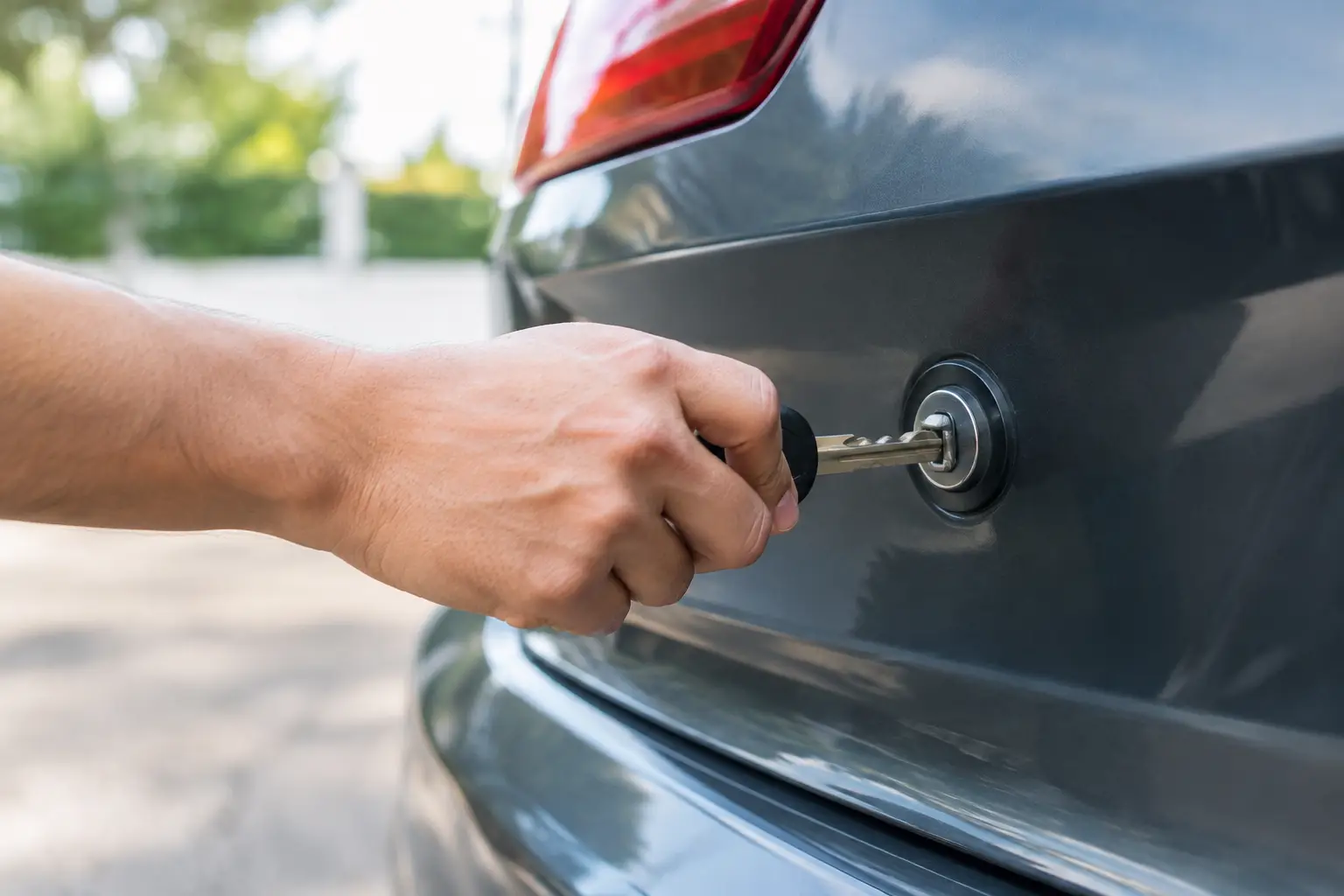
Many cars have a mechanical boot lock hidden beneath a badge, trim flap or small cover near the number plate. Your physical key blade may operate it, even if you normally use a remote fob. Check the owner’s handbook for the exact location and method for your make and model.
Some vehicles allow the rear seats to fold forward from inside the cabin. If you can access the boot area this way, look for the manufacturer’s emergency release handle or lever. These are often fitted inside the luggage compartment, particularly on newer saloons and vehicles designed for the North American market. Only use a release that is clearly intended for this purpose.
It depends on the vehicle. Certain models have no interior emergency release, while others require electrical power before the seats or tailgate can be released. If your car is a saloon with fixed rear seats, access from the cabin may not be possible at all. That is when guessing becomes costly.
If the battery is flat but the mechanical door lock still works, you may be able to gain normal entry through the driver’s door and use the manufacturer-approved battery access or jump-start points. Some cars place the battery in the boot, so check the handbook before attempting anything. Incorrect jump-starting can damage sensitive electrical systems, especially on vehicles with stop-start technology, proximity keys or complex alarm systems.
Do not force the lock, handle or boot lid
It is tempting to lever the boot lid, pull the badge or push tools into the lock. This is how a lockout becomes a damaged vehicle. Modern boot lids contain wiring for number plate lights, reversing cameras, sensors, powered latches and rear wipers on hatchbacks. Bent metal, broken clips and cut seals can lead to water leaks and electrical faults long after the boot is opened.
Avoid trying to pick the lock yourself unless you are trained and authorised to do so. Car locks are not all alike. A technique intended for one lock type can damage wafers, pins or the protective shutter in another. On many newer cars, a damaged lock cylinder will not solve the original central locking problem either.
You should also avoid removing rear seats, interior trim or number plate lamps just to reach the latch. These parts are easy to mark or break, and some panels hide airbags, wiring looms or electronic modules. If the vehicle is leased, under warranty or used for work, unnecessary damage can create a further headache.
Common reasons a boot will not open
A clear symptom often helps identify the right repair. If the boot opens with the key but not the button or fob, the problem may be the remote battery, release switch, fuse, wiring or central locking control. If it opens electrically but the key will not turn, the mechanical lock may be seized through lack of use.
When you hear a click but the boot remains shut, the latch may be sticking, misaligned or under pressure from items inside. If there is no sound at all when the release is pressed, an electrical fault is more likely. Water ingress around the tailgate or boot lid can also affect switches, connectors and latch motors.
A lost or broken key creates a different issue. With a post-1995 vehicle, the key normally contains a transponder chip that communicates with the immobiliser. Cutting a blade alone may allow a door or boot lock to turn, but it may not start the vehicle. A specialist auto locksmith can assess whether you need entry only, a replacement mechanical key, a programmed transponder key or a complete remote fob.
When to call an auto locksmith
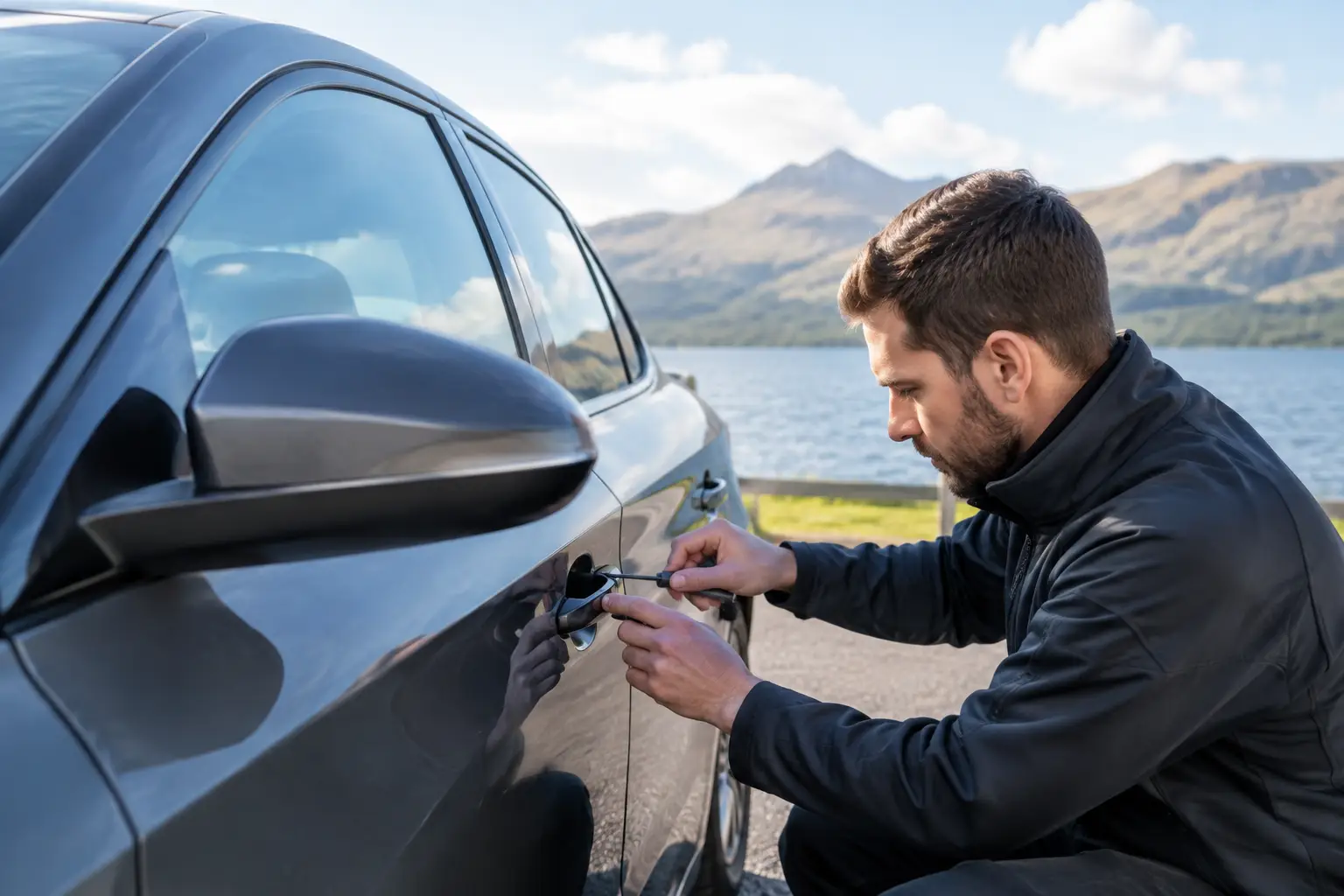
Call a specialist when the boot is locked and the obvious, manufacturer-approved checks have not worked. This is particularly sensible if the keys are inside, the battery is flat, the key has snapped, the lock feels seized, or the central locking has failed. A vehicle-specific locksmith can identify the access method suited to your model without treating your car like a generic household lock.
Auto Locksmith Doctor Ltd provides non-destructive vehicle entry and car key support across West Central Scotland, including Glasgow, Cumbernauld, Paisley, Ayrshire and Greenock. The aim is to gain access without damaging the vehicle, then deal with the cause where possible – whether that is a faulty key, damaged fob shell, lost key or lock-related issue.
A proper call-out should begin with proof that you are entitled to access the vehicle. Have your driving licence, vehicle registration details and any ownership documents available if possible. It helps to tell the locksmith the make, model, registration year, whether the doors are open, whether the car has power, and what happens when you press the boot release. Those details can save time at the roadside.
What happens after the boot is opened
Opening the boot is only part of the job if the fault is likely to return. If a flat battery caused the issue, arrange for the battery and charging system to be checked. If the key fob has become unreliable, replace its battery or have the fob inspected before it fails completely.
Where a mechanical lock has seized, use the correct lubricant recommended for vehicle locks rather than soaking it with general-purpose oil. If the latch is worn or misaligned, it may need adjustment or replacement by an appropriate repairer. Repeatedly slamming the boot to make it catch can damage the striker and mask the real problem.
If you have lost the only key, do not wait until the next emergency. Arrange a replacement and programming while the vehicle is accessible. A working spare key is often cheaper and less disruptive than an out-of-hours call when you are late for work, collecting the children or trying to get home.
A boot lock problem is stressful enough without adding bodywork damage or an immobiliser fault to the bill. Use the proper release points, stop when the cause is unclear, and get a vehicle locksmith involved before a small fault becomes a larger repair.

Related Posts