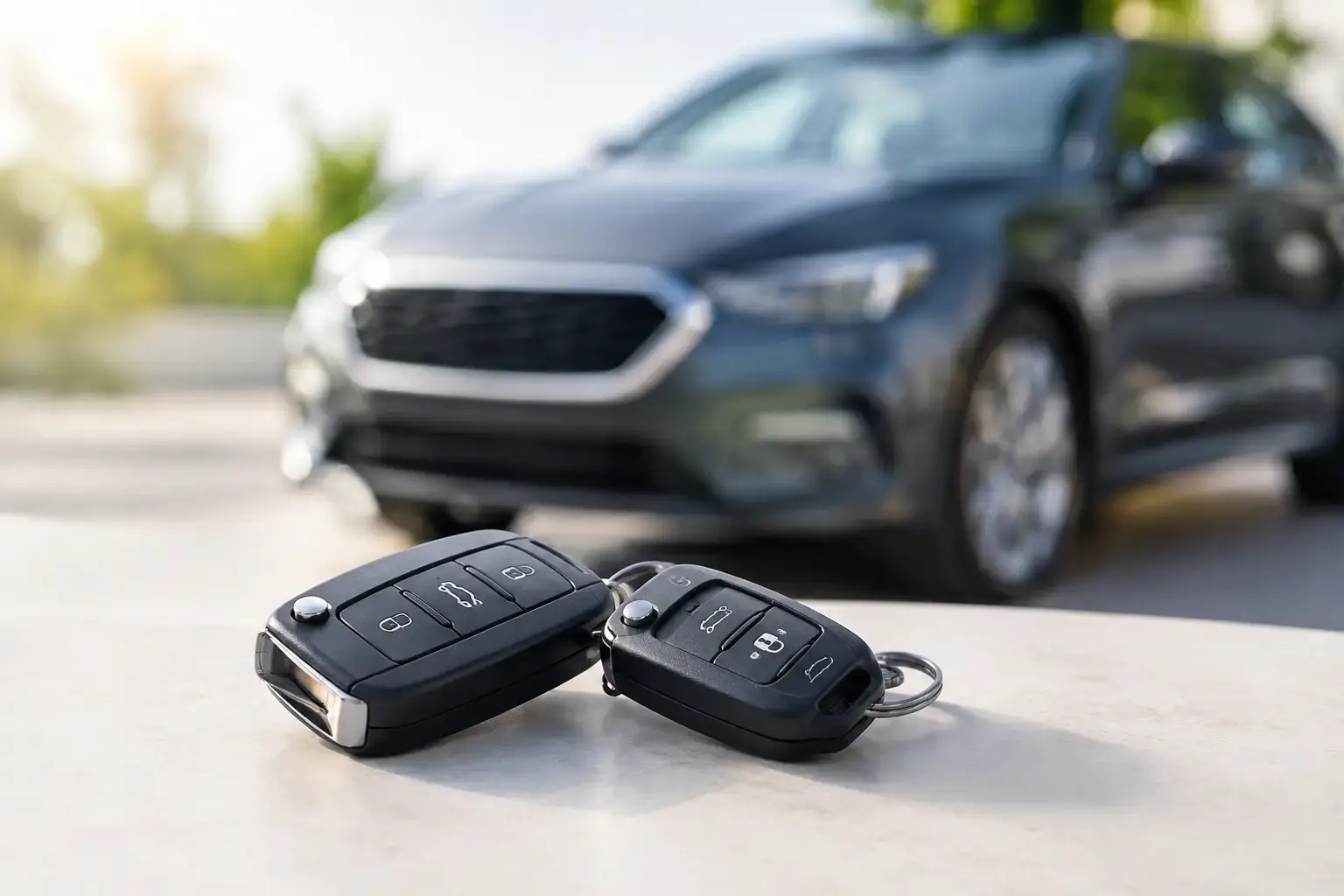
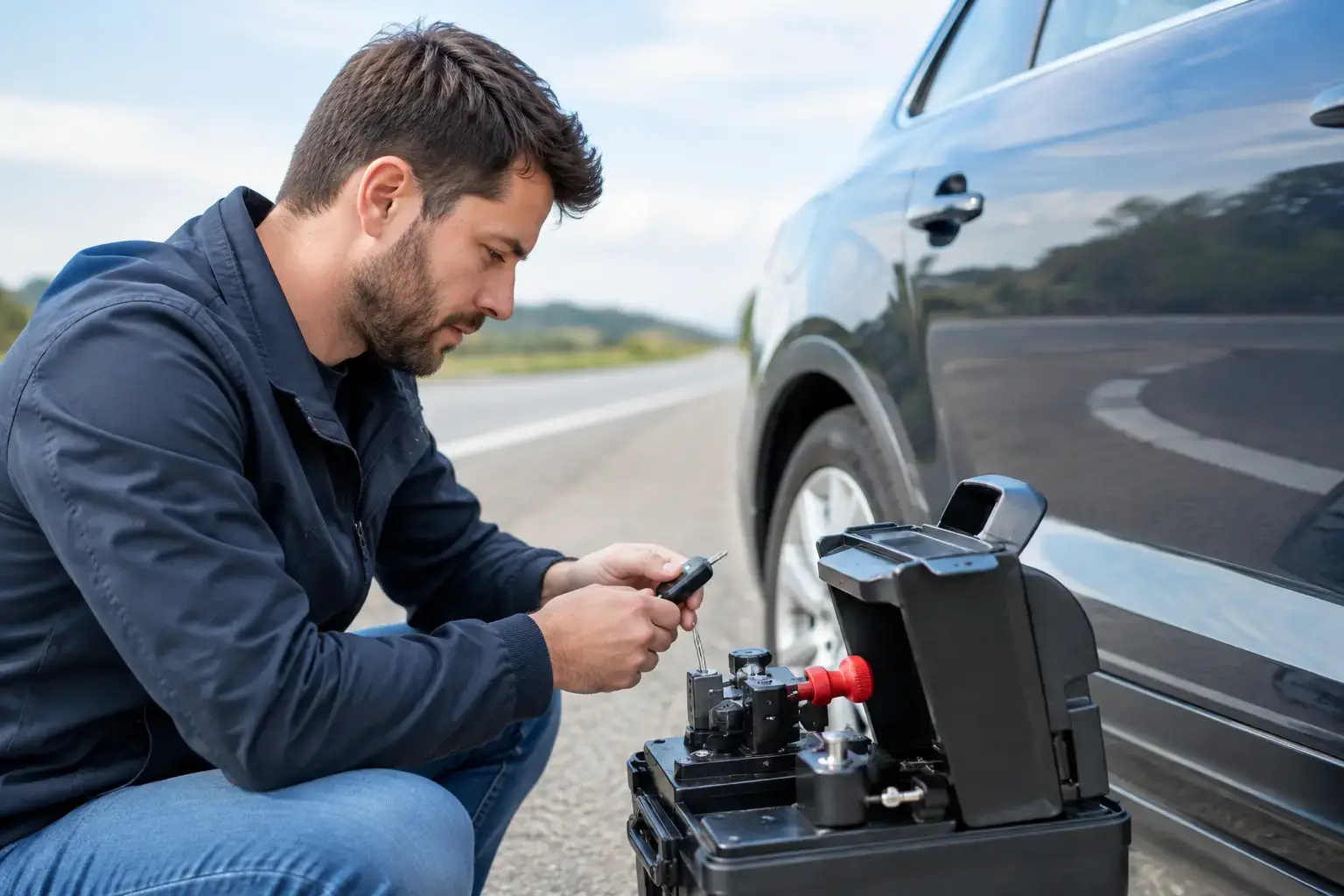
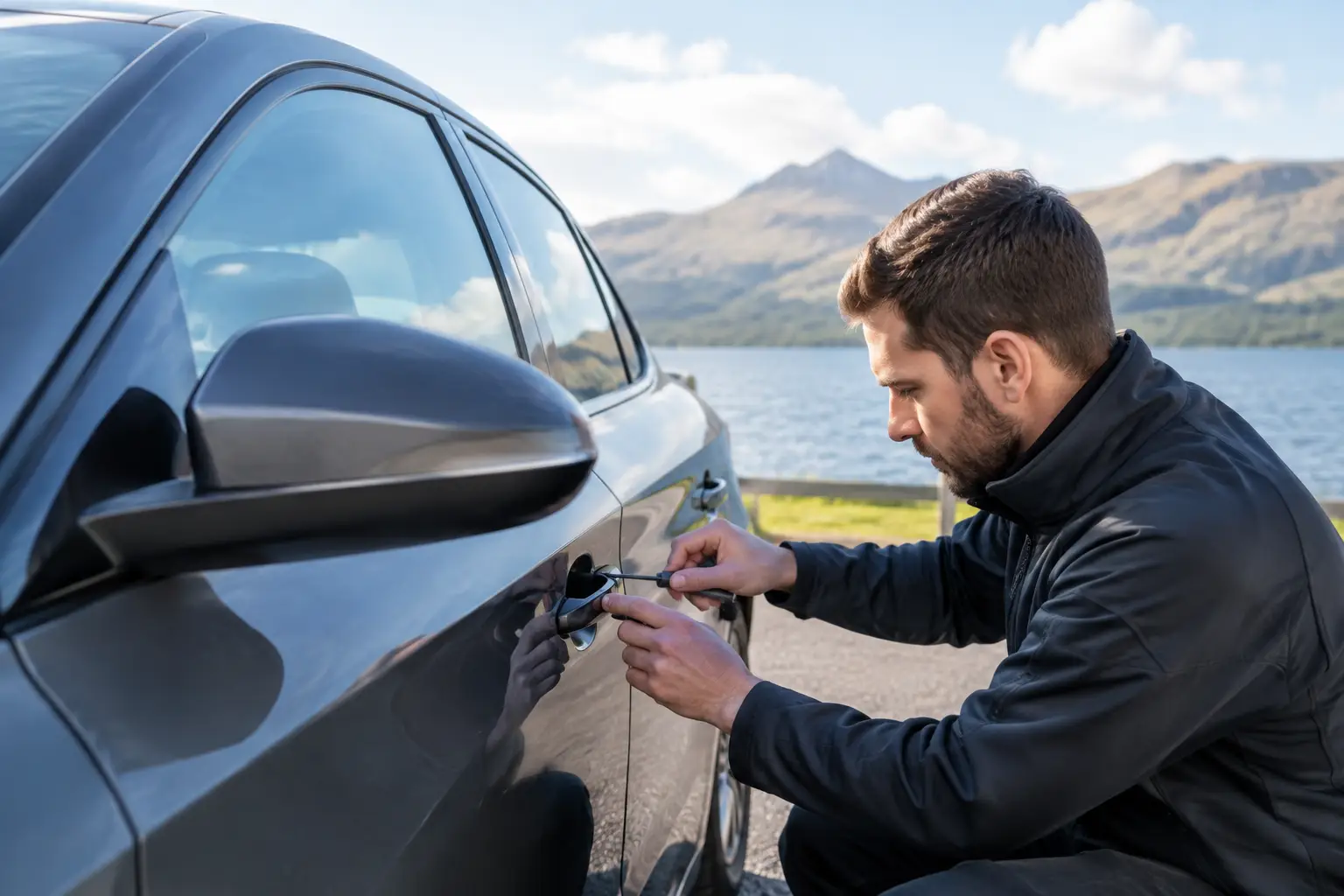
Are aftermarket key fobs reliable? Learn what affects quality, programming and security, plus when a specialist replacement is the safer choice for cars.
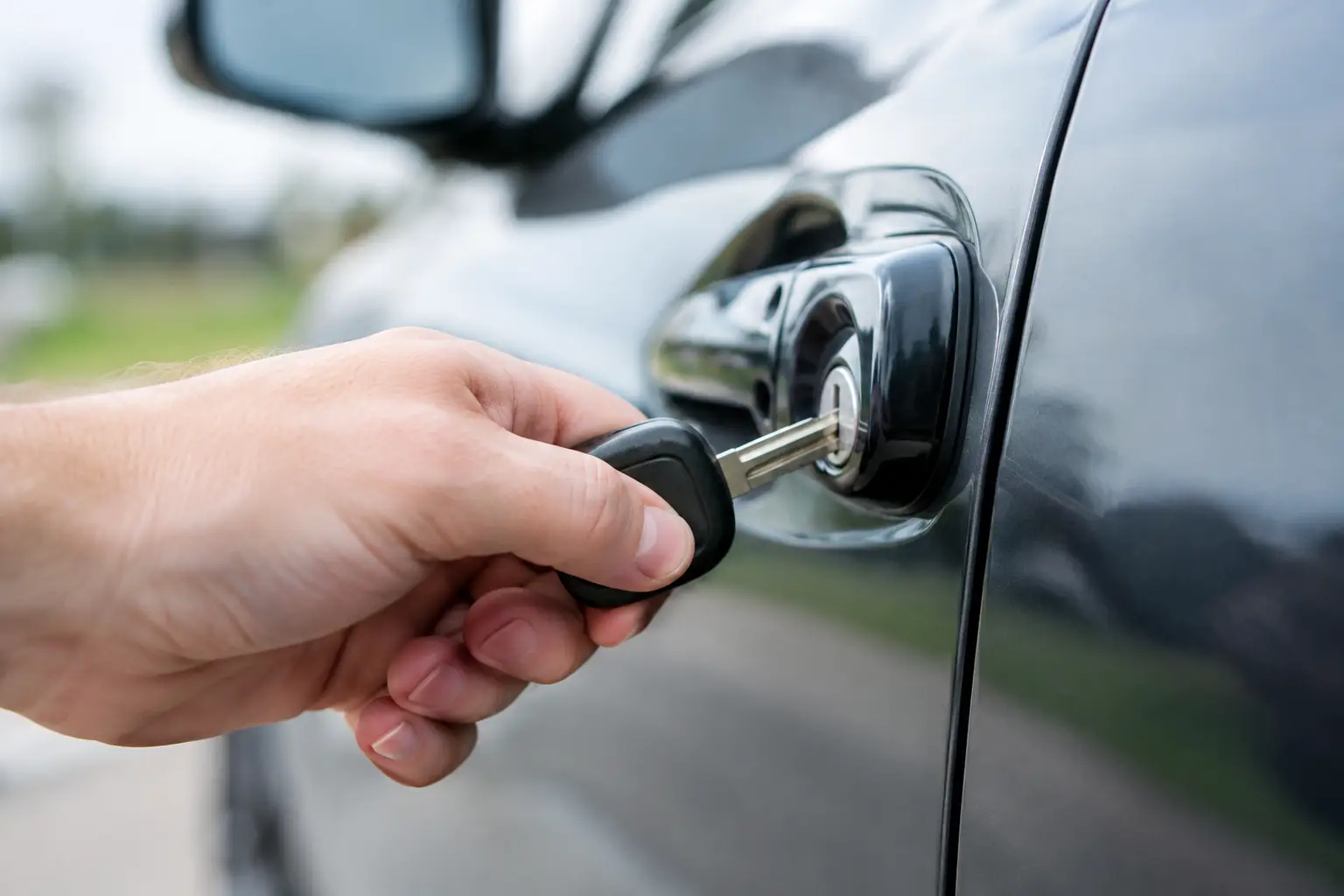
Worn Car Locks and When to Call a Specialist
A key that suddenly needs a wiggle, a door that only opens from one side, or a lock barrel that feels loose can all point to worn car locks. These faults rarely improve on their own. Leave them too long and a small annoyance can become a snapped key, a damaged door lock or a vehicle you cannot access when you need it most.
For drivers across Glasgow and West Central Scotland, the sensible approach is to deal with a failing lock before it becomes an emergency. A specialist auto locksmith can assess the lock, gain entry without damage where required, and advise whether the issue is the key, the lock barrel, the linkage or the vehicle’s electronic locking system.
What Causes Worn Car Locks?
Car door locks work in a harsh environment. Rain, road grit, frost, repeated use and years of keys being inserted all take their toll. On older vehicles, the mechanical lock barrel may simply wear down internally. The small pins inside no longer line up cleanly with the cuts on the key, so the key catches, turns inconsistently or will not turn at all.
Wear can also begin with the key rather than the lock. A metal key that has become rounded or worn will not lift the pins in the barrel accurately. If you have a spare key that works better than the everyday key, that is a strong sign the key needs attention. Continuing to use a badly worn key can accelerate damage inside the lock.
Modern cars add another layer to the problem. Many drivers use remote central locking every day and only use the physical key in an emergency. That means the door lock may sit unused for years, allowing dirt and corrosion to build up. When the remote fob battery fails, the mechanical key may then refuse to turn just when it is needed.
There are also faults that feel like a worn lock but are not. A broken linkage, failed actuator, frozen mechanism or central locking fault can stop a door opening even though the key turns normally. That is why diagnosis matters before parts are forced or replaced.
Signs Your Car Lock Is Wearing Out
The earliest warning sign is usually resistance. The key may need to be inserted more than once, moved slightly before turning, or held at a particular angle. You might notice the barrel feels rough, stiff or unusually loose. A key that comes out with difficulty, or one that turns without opening the door, also needs checked.
Do not ignore an intermittent fault simply because the remote locking still works. Remote systems can mask a mechanical lock problem until the vehicle battery is flat, the fob is lost or the remote battery runs out. At that point, the door lock becomes your backup access method.
Pay particular attention if the key bends when you turn it. A bent key is under strain and can snap in the barrel. Removing a broken key is possible in many cases, but it is far easier and usually cheaper to address the stiffness beforehand.
A worn key and a worn lock can look alike
A spare key is useful for a basic comparison. If the spare enters and turns smoothly but the main key does not, the main key may be worn or damaged. If both keys behave the same way, the lock barrel or door mechanism is more likely to be at fault.
This is not a reason to keep testing the lock aggressively. Repeated hard turning can damage the pins inside the barrel or break the key. A specialist can cut and assess a replacement key, inspect the lock, and establish the proper repair route.
Why Forcing the Lock Makes Matters Worse
It is tempting to spray a household lubricant into a sticky lock, use pliers on the key, or force the handle after the key turns. These are common ways a minor fault becomes a larger repair.
Thick oils and unsuitable sprays can attract dirt inside the barrel. Pliers put uneven pressure on the blade of the key, making it more likely to twist or snap. Forcing the handle can damage linkages, clips or the exterior handle itself. On some vehicles, a damaged lock barrel may also leave the car less secure.
If the lock is frozen, use a proper lock de-icer if available and allow time for it to work. Avoid pouring hot water over the handle or lock. It can refreeze quickly, affect surrounding components and create more trouble in cold weather.
Never attempt to prise a door frame open to gain access. Modern doors, weather seals, side airbags and wiring can all be damaged. A professional vehicle locksmith uses appropriate entry methods designed to avoid unnecessary damage to the door, glass and locking system.
What a Vehicle Locksmith Can Do for Worn Car Locks
The correct repair depends on the vehicle and the exact failure. A car that will not open requires a different approach from a lock that opens the door but will not operate the ignition. Older vehicles may need mechanical key cutting or lock barrel work, while newer vehicles often require electronic key programming alongside the mechanical repair.
An automotive locksmith can first gain non-destructive entry if you are locked out. Once access is available, the fault can be checked properly. This may involve testing the key, inspecting the barrel operation, checking whether the latch and actuator respond, and confirming whether the central locking system is contributing to the issue.
Where a key is worn, a correctly cut replacement can restore smooth operation. If the barrel has failed, it may need repaired, rebuilt or replaced depending on the make, model and availability of parts. If you have lost all keys or the vehicle uses a transponder, remote or proximity key, the replacement also needs to be programmed so the immobiliser recognises it.
At Auto Locksmith Doctor Ltd, the focus is on practical, on-location help. That means dealing with access, keys and vehicle security systems at the roadside, home or workplace where possible, rather than leaving you to arrange recovery for a problem that may be resolved on site.
When the Problem Is Urgent
Call for help straight away if your key has snapped in the door or ignition, the lock has jammed while the vehicle is locked, or you cannot secure the vehicle after opening it. The same applies if the only working key is showing signs of bending or severe wear. Waiting for it to fail completely can leave you stranded at work, outside the shops or at home with no way to drive.
If your remote fob has failed but the mechanical key will not open the door, avoid repeated attempts. Tell the locksmith the vehicle make, model, year and your location. If you know whether the key turns, does nothing, or is stuck in the lock, share that too. These details help the technician arrive prepared for the likely fault.
Drivers in Glasgow, Cumbernauld, Paisley, Ayrshire and Greenock should also remember that vehicle access does not have to mean broken glass or a damaged door. Proper non-destructive entry is the right starting point wherever the vehicle’s condition allows it.
Simple Habits That Help Locks Last Longer
Use the mechanical door lock occasionally, particularly if you normally rely on a remote fob. This keeps the barrel moving and gives you early warning if it starts to stiffen. Keep your key separate from a heavy bunch of keys where possible, as extra weight can strain an ignition barrel over time.
Replace a visibly worn, bent or cracked key before it fails. If your fob shell is broken but the electronics still work, repairing or replacing the shell can protect the key blade and circuit board from further damage. It is also worth replacing weak fob batteries promptly, so you are not forced to rely on an unused mechanical lock unexpectedly.
A car lock should turn with controlled, normal pressure. If yours needs force, feels unpredictable or has stopped responding altogether, treat it as a repair job rather than a battle to win at the door. Acting early protects the key, the lock and your day.

Related Posts