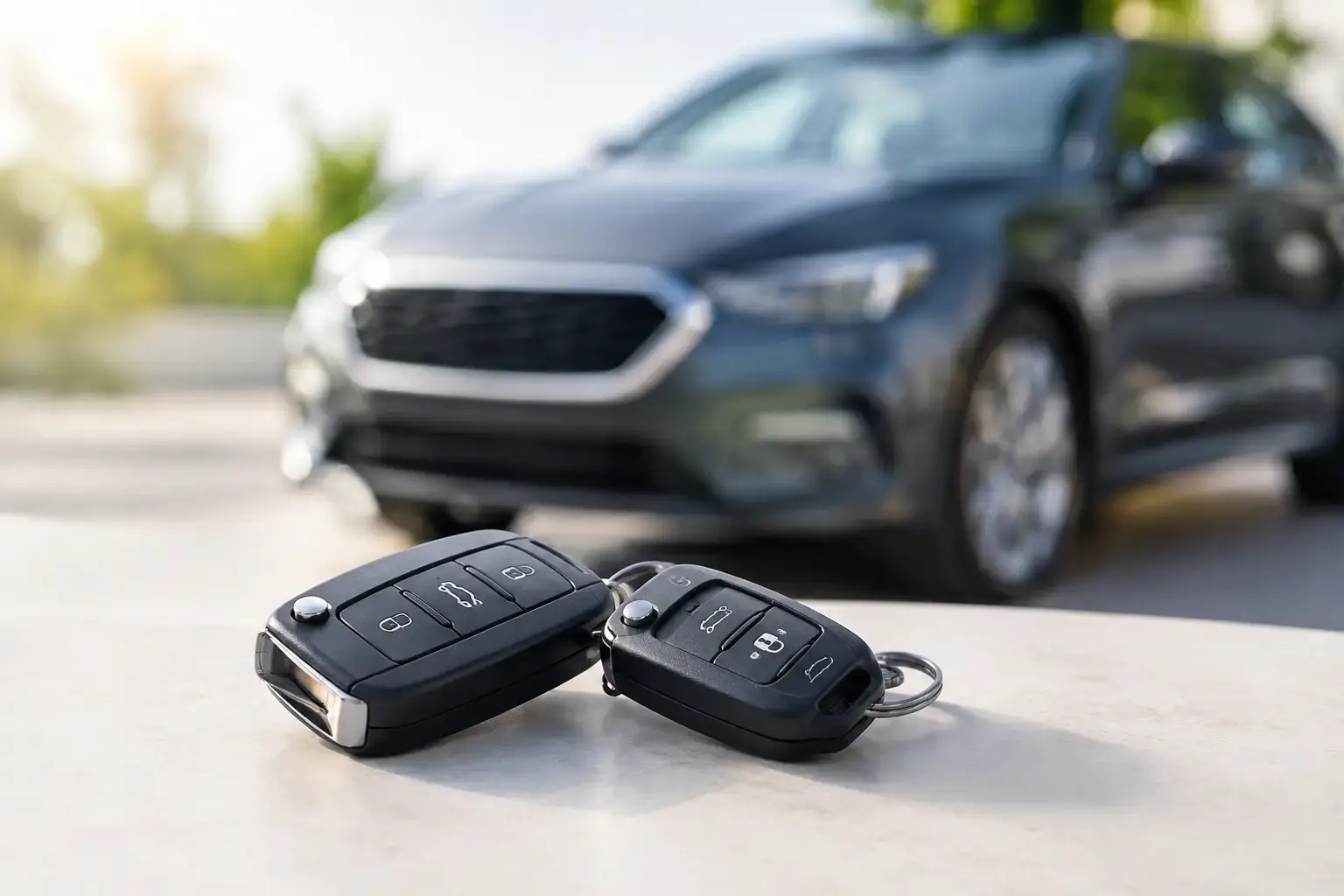
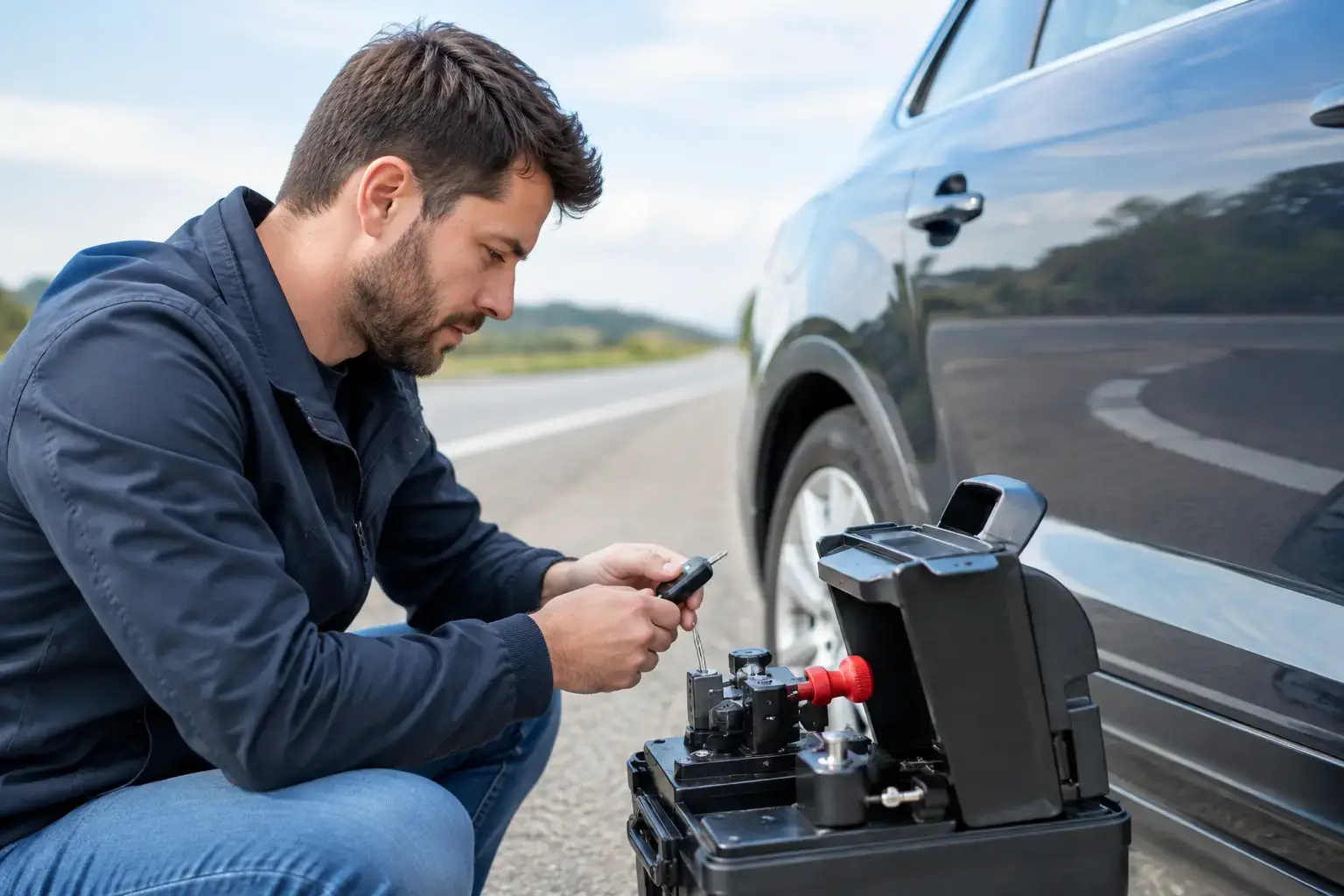
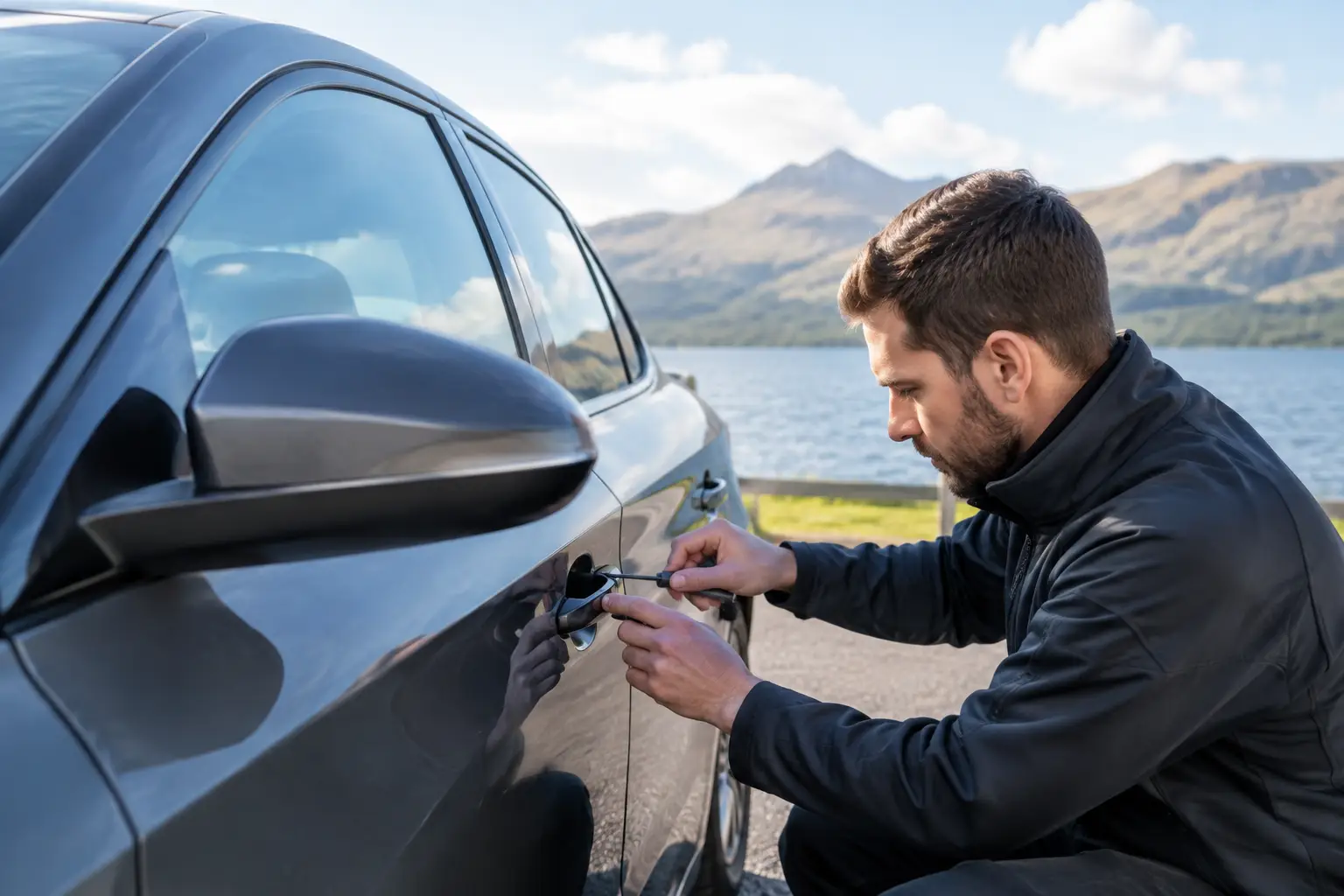
Are aftermarket key fobs reliable? Learn what affects quality, programming and security, plus when a specialist replacement is the safer choice for cars.
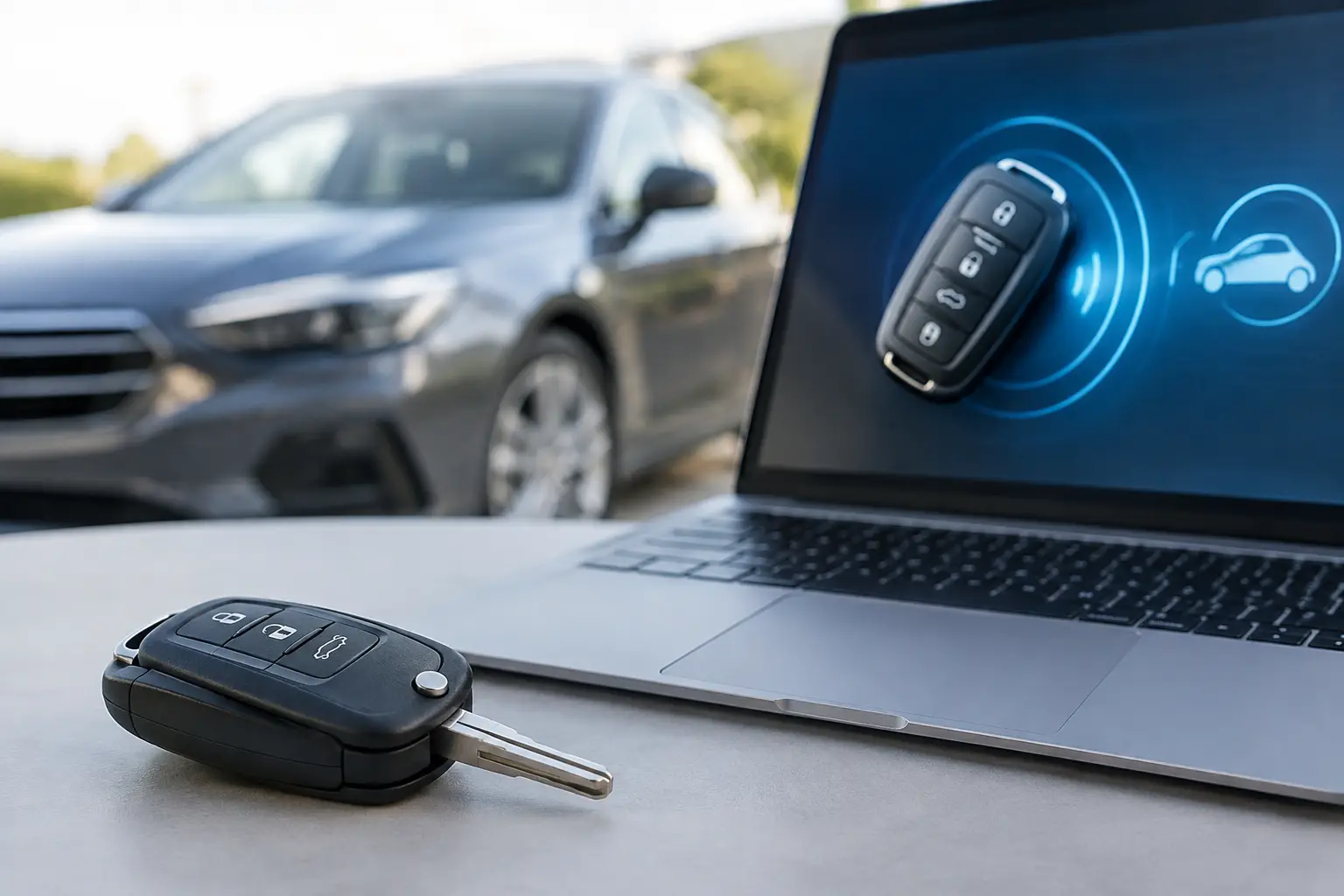
Car Key Coding: What Your Vehicle Really Needs
A replacement key that turns in the ignition is not always a key that will start the car. On most vehicles built since the mid-1990s, car key coding is what allows the vehicle to recognise the key and release the immobiliser. Without it, the engine may crank but refuse to start, or a dashboard security light may stay on.
For drivers, this usually becomes urgent at the worst possible moment: after a key has been lost, damaged, washed, snapped, or stopped working without warning. The good news is that the fault is often repairable on site. The right solution depends on the vehicle, the type of key and whether a working key is still available.
What is car key coding?
Car key coding is the process of registering a key’s electronic identity with your vehicle. Most modern car keys contain a tiny transponder chip. When you place the key in the ignition or bring a proximity fob into the car, the vehicle checks that chip before allowing the engine to start.
This is separate from cutting the metal blade. A blade can be cut accurately and still be unable to start the car if its transponder has not been programmed. Equally, a remote may lock and unlock the doors but fail to start the engine if the immobiliser chip has lost communication with the vehicle.
On keyless vehicles, the same principle applies. The fob must be recognised by the car’s security system before the push-button start will operate. Different manufacturers use different systems, which is why a universal answer or a cheap off-the-shelf fob is not always the fix.
When does a car key need to be coded?
A new or replacement key normally needs coding before it will start the vehicle. This applies whether you have lost every key, need a spare, or have bought a replacement after a key was damaged.
Coding may also be needed after certain electrical or key faults. For example, a flat key-fob battery can prevent remote locking from working, but it does not usually erase the transponder coding. Replacing the battery may be all that is required. A car with a weak vehicle battery, water-damaged key, worn ignition barrel or fault in the immobiliser system may need proper diagnosis instead.
The key point is not to assume that every non-start is a coding problem. If the starter motor does not turn, warning lights are appearing or the central locking has become erratic, there may be another issue. A specialist automotive locksmith can test the key and check how the vehicle is responding before recommending a replacement.
Spare keys are easier while one still works
If you still have one working key, arranging a spare is normally quicker and more straightforward than waiting until the last key is gone. The working key gives a clear reference for the blade, remote functions and transponder system.
When all keys are lost, the job can still often be completed, but it is more involved. The vehicle may need to be accessed without damage, key information established, a new key cut, and the replacement coded to the car. That is why a lost-all-keys job can cost more than adding a spare.
For families with two drivers, tradespeople carrying tools, or anyone relying on a car for work, a coded spare is a practical safeguard rather than an unnecessary extra.
Key cutting, programming and remote syncing are different jobs
These terms are often used interchangeably, but they describe different parts of getting a key working.
Key cutting creates the physical blade that operates the door lock and ignition on vehicles with a traditional key. Transponder programming, often called car key coding, allows the immobiliser to recognise the key and start the engine. Remote syncing sets up the buttons for locking, unlocking and, where fitted, the boot release or alarm.
A job may involve one, two or all three. A broken fob shell, for example, may only need the original electronics transferred into a new case. If the chip and circuit board are undamaged, no programming may be needed. In contrast, a lost key generally requires a new blade and full electronic coding.
Getting this distinction right avoids paying for work that is not necessary and avoids being left with a key that only does half the job.
Why cheap replacement keys can cause trouble
Buying a blank key or remote online can look like a bargain, especially when the original has been lost. Sometimes it can be used successfully, but there are risks. The key may be the wrong frequency, use an incompatible chip, have poor button quality, or arrive with a blade that cannot be cut correctly for your vehicle.
Some used keys cannot simply be reused on another car. Their electronic data may be locked to the original vehicle, or the fob may not meet the required specification. A matching-looking casing is not proof that the internals will work.
There is also a security consideration. Modern vehicle systems are designed to prevent unauthorised keys from being added. A professional will verify ownership before carrying out replacement key work and use suitable equipment for the make and model. This protects both the vehicle owner and the vehicle.
What happens during professional key coding?
The exact method varies by manufacturer and age of vehicle, but the process begins with identification and checks. The locksmith confirms the vehicle details, assesses the existing key where available, and establishes whether the problem lies with the key, remote, immobiliser or another part of the vehicle.
A suitable key or fob is then prepared and the blade is cut where required. Diagnostic programming equipment communicates with the vehicle so the replacement key can be registered correctly. The key is tested for starting, locking and unlocking functions before the job is finished.
For a lockout, access should be gained using non-destructive methods wherever possible. For a lost-key situation, the work is usually completed at the vehicle, saving the inconvenience and expense of arranging recovery to a dealer.
The time required depends on the car and the circumstances. A straightforward spare key can be relatively quick. A vehicle with no working keys, a damaged lock, a failed ignition or a more complex proximity system needs more investigation. Honest advice should reflect that difference rather than promising the same fix for every car.
Signs your key may need attention
Do not wait for a complete failure if the car is already giving warning signs. A key that only works after several attempts, buttons that work intermittently, a cracked fob case, or a key blade that feels loose can all become a roadside problem.
Watch for an immobiliser or key symbol on the dashboard, especially if it remains illuminated after trying to start the car. If the car starts with one key but not another, the failing key is likely to be the first place to investigate. If neither key works, avoid repeated attempts that may flatten the vehicle battery and make diagnosis harder.
Keep the key dry, do not force a stiff ignition, and replace a damaged fob shell before the electronic board is exposed. Small repairs can prevent the inconvenience of a full replacement later.
Local help when your car will not recognise the key
A key problem can stop a school run, delay a shift or leave you stranded outside your own home. For motorists across Glasgow, Cumbernauld, Paisley, Ayrshire and Greenock, the practical answer is a specialist who understands both vehicle entry and modern key systems.
Auto Locksmith Doctor Ltd can assess non-starting keys, cut replacement keys, programme transponders and deal with remote and proximity fobs at your location. Where access is needed, the aim is damage-free entry, with clear advice before work begins.
If your key has been lost, broken or rejected by the immobiliser, have your vehicle registration, make, model and location ready when you call. A quick, accurate description helps get the right car key coding solution to you without unnecessary delay.

Related Posts