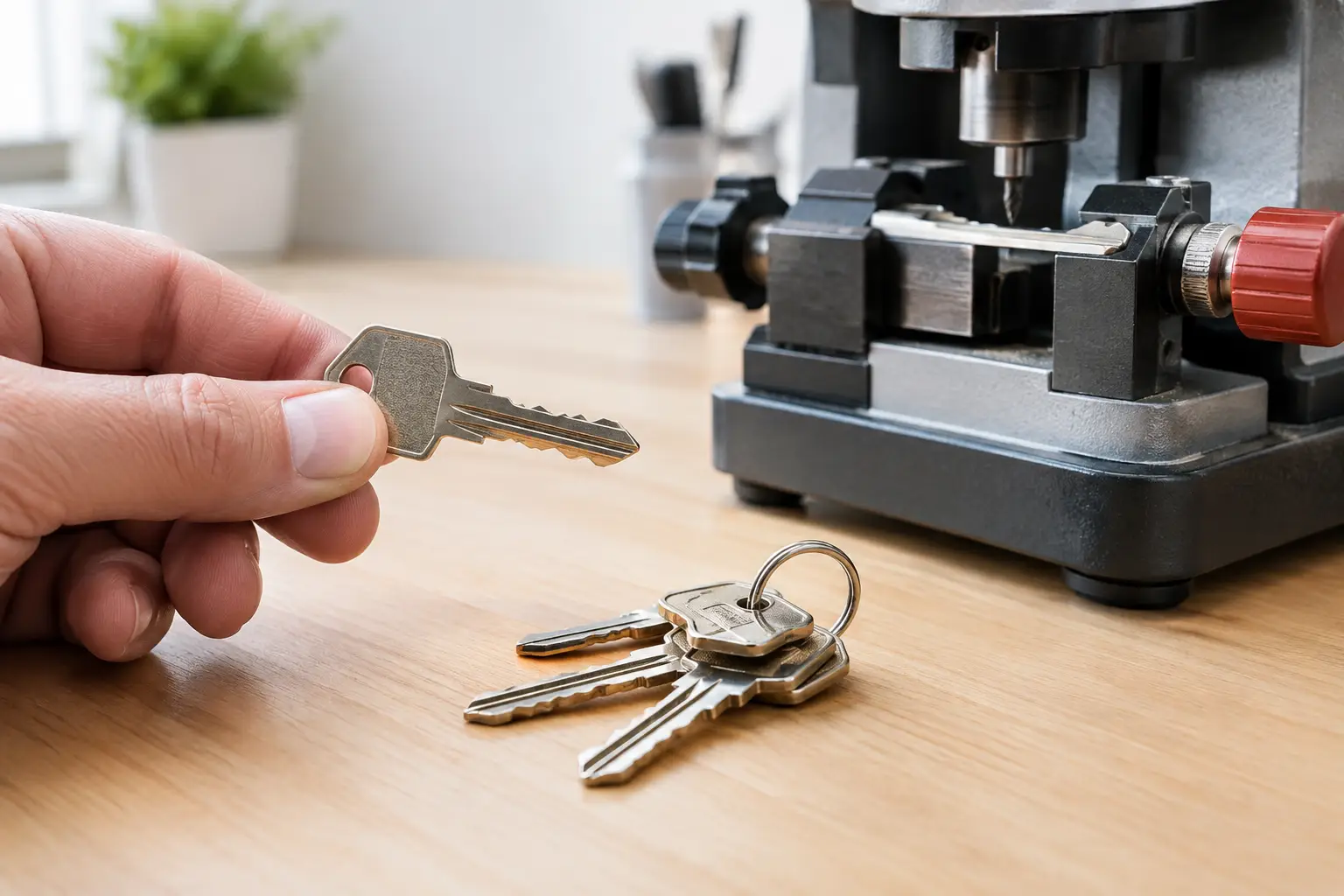
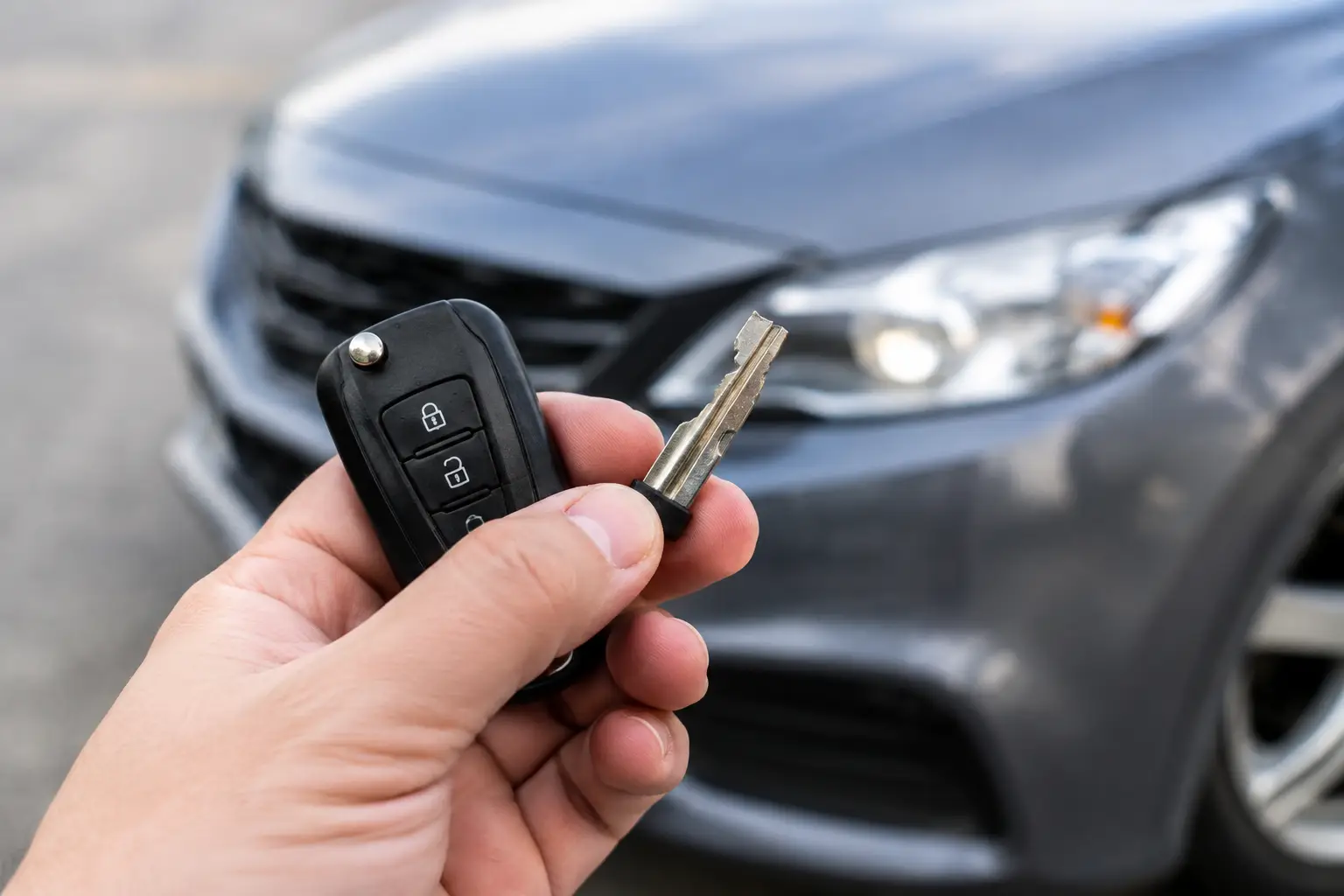
Does key cutting require original keys? Learn when a locksmith can cut a replacement from a code, lock or spare, including modern car keys. Fast.
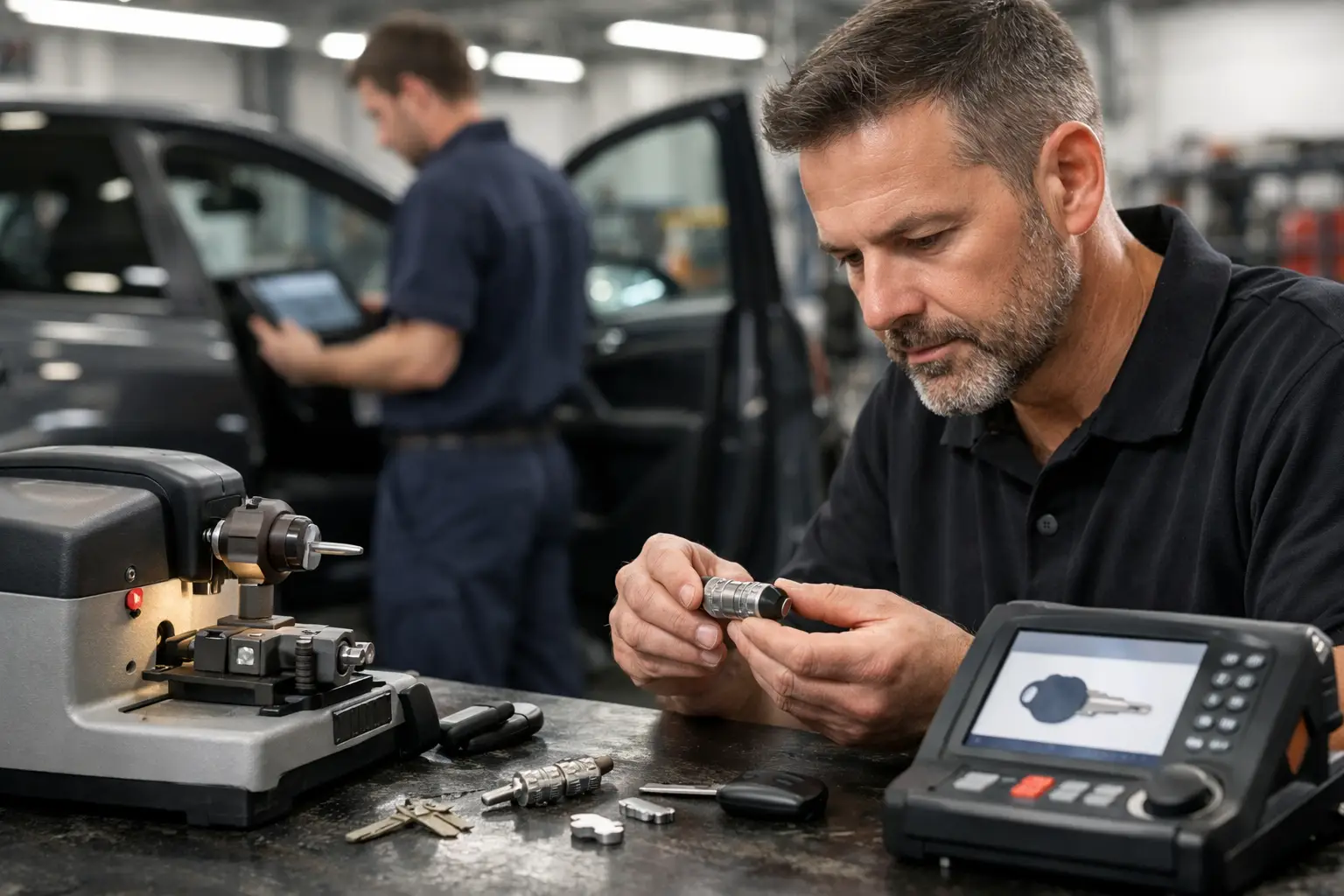
Can Locksmiths Make Keys From Locks for Cars?
You are standing beside your car in Glasgow, the keys are lost, and the spare is nowhere to be found. Can locksmiths make keys from locks? For many vehicles, yes. A specialist auto locksmith can read or decode the lock, cut a working mechanical key and, where required, programme it to the vehicle’s immobiliser. The exact method depends on the car’s age, make, model and security system.
For motorists, this can be a far quicker and more practical answer than recovering the vehicle to a main dealer. It also avoids the damage that can come from forcing a door, breaking a window or using the wrong tools.
Can a locksmith make a car key from a lock?
A properly equipped automotive locksmith can often make a replacement key by working from the vehicle’s door lock, ignition lock, key code or electronic control systems. On older cars with purely mechanical keys, the job may be relatively straightforward. The locksmith decodes the cuts inside the lock and uses that information to cut a new blade.
Modern vehicles are more involved. Most cars built from the mid-1990s onwards use an immobiliser chip, also called a transponder. The blade may turn the lock, but the engine will not start unless the chip is correctly programmed and recognised by the car. Remote central locking and proximity keys add another layer, as the fob functions may also need to be set up.
That is why a general locksmith is not always the right choice. Car locks, key blades and immobilisers require specialist equipment and vehicle-specific knowledge. Auto Locksmith Doctor Ltd deals with both the physical key and the electronic side, including emergency entry, key cutting and programming at your location across West Central Scotland.
How a replacement key is made from the lock
The process starts with confirming that you are entitled to access the vehicle. A reputable locksmith will ask for identification and proof of ownership or authorised use where possible. This protects motorists and ensures the work is carried out responsibly.
Next, the locksmith examines the vehicle and chooses the safest available route. If the car is locked and there is no usable key, they can usually gain entry using non-destructive methods. This may involve picking or bypassing the lock, depending on the vehicle and the fault. The aim is to avoid damage to the door, window, handle, weather seals and locking mechanism.
Once access is available, there are several ways to obtain the key data. The door lock can be decoded directly, meaning the locksmith reads the positions of the wafers or pins inside it. Those positions correspond to the cuts needed on the replacement key blade. In other cases, a key code may be retrieved through legitimate technical systems, or the ignition lock and vehicle data may provide the information needed.
The locksmith then cuts the blade using a precision key-cutting machine. For a traditional key, that may complete the job. For a transponder key, remote key or proximity key, the new key must also be programmed to the car. This can involve diagnostic equipment, security access procedures and synchronising the remote locking functions.
Why a key that fits may still not start the car
It is easy to assume that a key is just a shaped piece of metal. On many modern cars, it is only one part of the security system.
A transponder key contains a small chip that communicates with the immobiliser. When you turn the ignition or place a proximity key in the vehicle, the car checks for the correct electronic identity. If the chip is missing, incorrect or not programmed, the engine may crank but fail to start. On some models, it will not crank at all.
Remote fobs and keyless entry systems can create a separate issue. A newly cut emergency blade might open the door, but the buttons may not operate the central locking until they are programmed. For keyless vehicles, the proximity function needs to be enrolled correctly before the car will recognise the fob inside the cabin.
This is why the lowest-priced key online is not always the cheapest solution. The wrong blade profile, poor-quality chip or incompatible circuit board can leave you with a key that does not work. It may also complicate programming. A specialist can identify the correct type before cutting and coding it.
When making a key from a lock is not the best option
Decoding a lock is useful, but it is not the answer in every situation. A damaged, seized or heavily worn lock may not give a reliable reading. If the lock has previously been replaced, its cuts may not match the ignition or may not match the original key code. Some newer vehicles also use security systems that require additional electronic procedures.
In those cases, the locksmith may use another route, such as retrieving authorised key information, reading the vehicle’s modules or repairing the existing key. If you still have a key that starts the car but has a broken case, worn buttons or a cracked blade, a key fob shell repair or replacement may be more sensible than making a completely new key.
There is also a difference between replacing a lost key and dealing with a stolen key. If your keys have been stolen, simply adding another key may not be enough. Depending on the vehicle, it may be possible to erase the missing key from the car’s memory so it cannot be used to start the engine. Tell the locksmith what has happened so they can advise on the safest option.
What affects the cost and time needed?
The make and model matter more than most drivers expect. A basic mechanical key can often be cut quickly. A modern remote or proximity key may take longer because it needs the correct hardware, specialist programming equipment and security access. The vehicle’s condition also matters. A flat battery, faulty central locking, damaged ignition or water-damaged key module can add diagnostic work.
Location is another practical factor. A mobile auto locksmith can come to your home, workplace, supermarket car park or roadside location, saving the cost and delay of arranging vehicle recovery. For a lockout, speed matters, especially if children, pets, work tools or essential belongings are inside the car.
Before work begins, explain whether every key is lost, whether the vehicle is locked, whether the key broke in the lock or ignition, and whether you have any old or spare keys. Clear details help the locksmith arrive with the right key stock and equipment.
Avoid making the problem worse
Do not force the lock with a screwdriver, coat hanger or improvised tool. Modern doors contain wiring, airbags, deadlocks and delicate linkage components. A forced entry can turn a key problem into a repair bill for a lock, window, door card or central locking mechanism.
If a key has snapped in the lock or ignition, avoid pushing it farther in. Keep both pieces if you can, as the blade and chip may still provide useful information. If your remote has stopped working, try a fresh battery only if the case opens cleanly and you know the correct battery type. A dead fob battery is different from a failed transponder or damaged key circuit board.
If you are stranded in Glasgow, Cumbernauld, Paisley, Ayrshire, Greenock or elsewhere in West Central Scotland, a mobile specialist can assess the car where it sits. The right answer might be lock decoding, a replacement key, transponder programming, fob repair or non-destructive entry – but it should always be the method that gets you moving again without unnecessary damage.
A lost car key is frustrating, but it does not automatically mean a trip to the dealer or an expensive tow. Keep your vehicle details and proof of ownership handy, and call a specialist who can deal with both the lock and the vehicle security system on site.

Related Posts