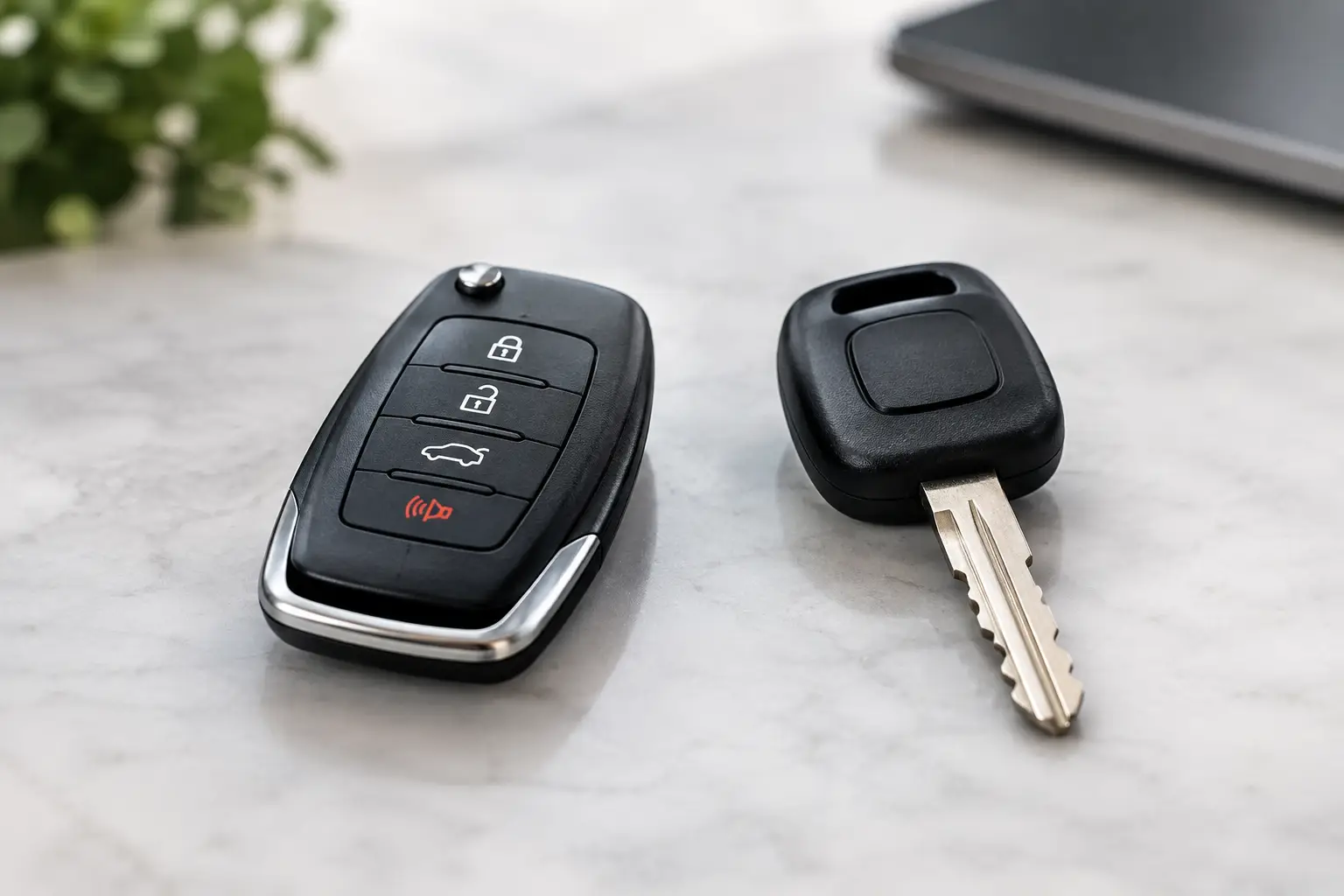
Smart key versus transponder key: learn how each works, what fails, replacement costs and when a Glasgow auto locksmith can get you moving again quickly.
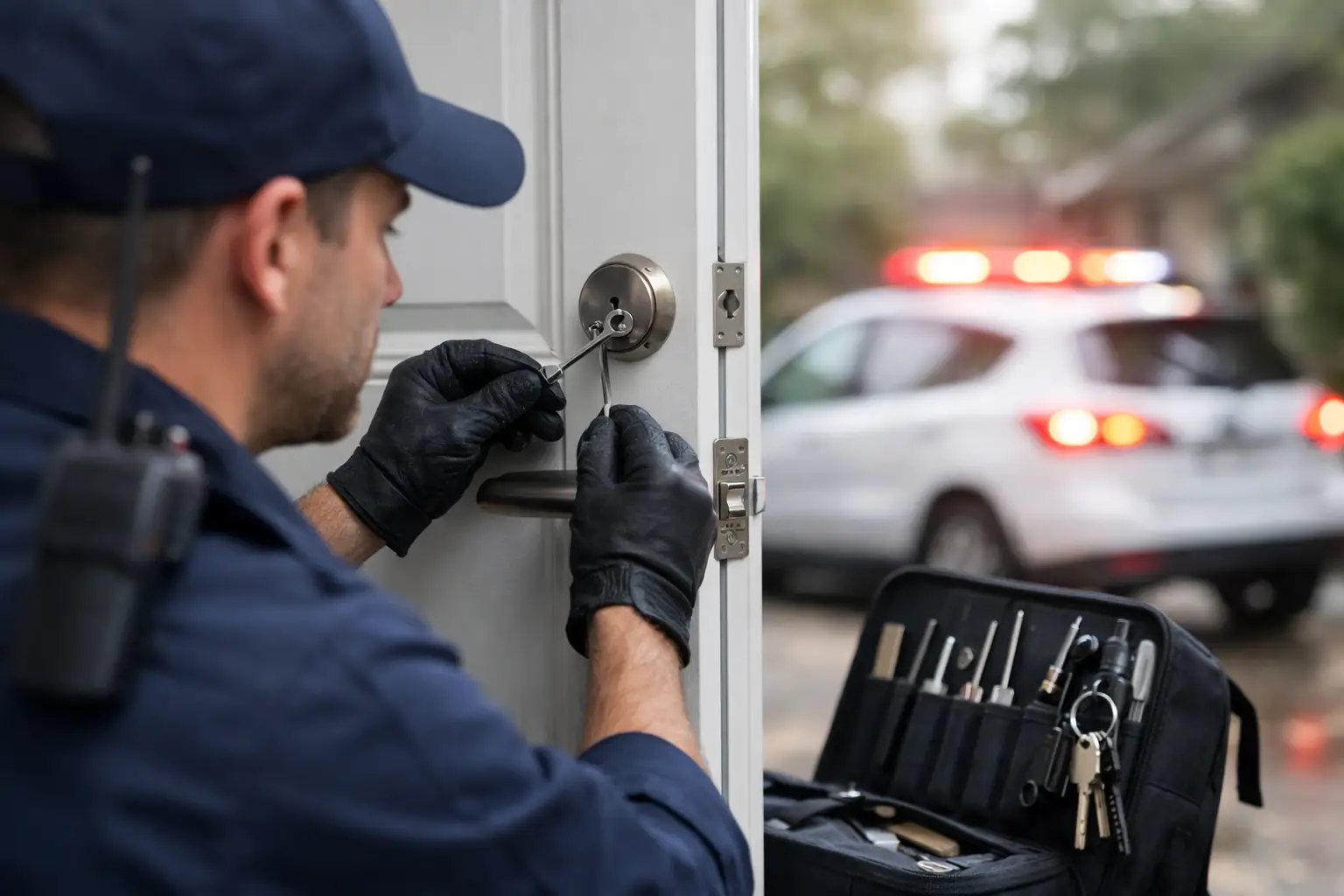
Emergency Locksmith Response Review: What Matters
A car lockout is rarely just an inconvenience. It can mean missing a shift, being stuck outside the supermarket with children in the car seat, or standing in the rain at the side of the road with no working key. An emergency locksmith response review should therefore look beyond a promised arrival time. For motorists, the real test is whether the locksmith can identify the fault, reach you promptly, gain access without damage and get the vehicle usable again at a fair price.
For drivers across Glasgow, Cumbernauld, Paisley, Ayrshire and Greenock, choosing the right help starts with knowing what a proper automotive emergency response looks like. A general locksmith may be able to open some vehicles, but modern cars often require specialist knowledge of vehicle locks, immobilisers, transponder chips and remote systems.
What a fast emergency response really means
Fast does not mean an unrealistic promise made before anyone has asked where you are or what vehicle you drive. A reliable auto locksmith should first establish your location, the make, model and approximate age of the vehicle, and whether the issue is a lockout, a lost key, a snapped key or an ignition fault. That information helps them arrive with the right tools and key programming equipment rather than turning up only to discover that a second visit is required.
Local coverage matters here. A locksmith already working across West Central Scotland can give a more honest indication of attendance than a national call centre passing the work to an unknown contractor. Traffic, weather and distance can affect any roadside call-out, particularly at busy times, but clear communication is part of good service. You should know who is coming, when they expect to arrive and what they need from you.
A good response also considers safety. If you are stranded in an exposed place, on a dark street, at a petrol station or near a busy road, tell the locksmith immediately. Move somewhere safe where possible, keep hazards on if appropriate and avoid leaving valuables visible in the vehicle. Do not attempt to force a door or smash a window unless there is an immediate danger to a person or animal inside.
Emergency locksmith response review: the checks that count
The best way to assess an emergency car locksmith is to judge the full job, not just the speed of arrival. The following points reveal whether you are dealing with a proper vehicle specialist.
Vehicle ownership is checked
A responsible locksmith will ask for proof that you own or are authorised to use the vehicle. This may be your driving licence, insurance details, vehicle registration document or another sensible form of identification. It can feel like an extra step when you are stressed, but it protects vehicle owners and is a sign that the locksmith is operating properly.
Entry is non-destructive wherever possible
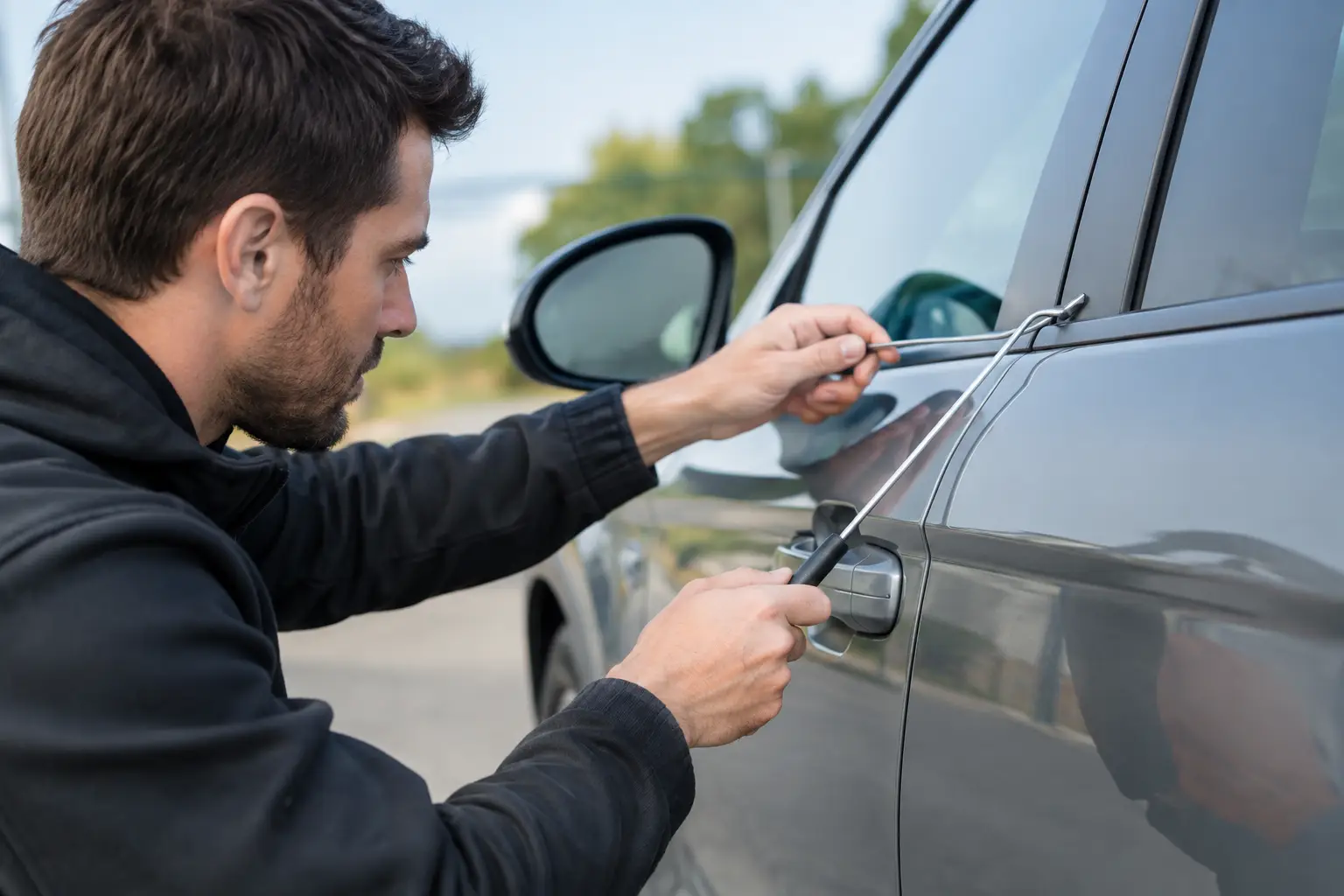
For a straightforward lockout, the aim should be to regain entry without breaking glass, drilling locks or damaging door seals. Modern vehicle entry tools, lock picking methods and carefully selected bypass techniques can often open a car without harm when used by somebody who understands the locking system.
There are exceptions. A badly damaged lock, a failed deadlock system or previous damage can make a job more difficult. The key point is that the locksmith should explain the options before carrying out work that could affect the vehicle. Damage-free entry is not just about appearance. It helps avoid water leaks, alarm problems, costly trim repairs and lower resale value.
The locksmith understands the difference between access and driving
Opening the car door may not solve the entire problem. If your only key is lost, the key blade is broken, or the vehicle will not recognise the chip, you may still be unable to start the engine. Cars built from the mid-1990s onwards commonly use immobiliser technology. The transponder in the key has to communicate correctly with the vehicle before it will start.
A specialist automotive locksmith can assess whether you need a replacement key, a new transponder programmed to the car, a repaired remote fob or investigation of a fault in the ignition or central locking. This is where a car locksmith differs from someone whose work is mainly domestic locks. The right diagnosis can save you from paying for a key that opens the door but does not start the car.
Prices are explained before the work begins
An emergency call-out can cost more than a pre-booked appointment, especially overnight or when travel is involved. That is understandable. What is not acceptable is a vague low price followed by pressure for a much higher payment once you are stranded.
Ask what the quoted cost covers: attendance, vehicle entry, key cutting, programming, parts and VAT where applicable. If the job changes after inspection, the locksmith should explain why and obtain agreement before moving ahead. Fair pricing is clear pricing, not necessarily the cheapest figure on the phone.
Common situations and the right response
A key locked inside the car is often resolved with non-destructive entry. Avoid using coat hangers, screwdrivers or improvised wedges. They can bend the door frame, damage airbags or wiring inside the door, and turn a quick call-out into a repair bill.
With a lost car key, the locksmith may need to cut a replacement from the vehicle lock or key data and programme it to the immobiliser. The process varies widely by manufacturer, model and year. Some cars can be dealt with at the roadside; others require more time, additional security information or specialist procedures. An honest locksmith will set expectations rather than promising every key can be made in minutes.
A snapped key can be more complicated than it looks. If part of the blade is lodged in the door or ignition, it should be removed carefully before a new key is cut. Trying to dig it out with pliers or a pin can push it deeper or damage the lock wafers.
If the remote has stopped working but the mechanical key still turns, the problem may be the battery, the fob shell, damaged buttons, lost synchronisation or an electronic fault. A replacement shell can be a sensible low-cost repair when the internal circuit board is sound. However, a worn key blade or faulty transponder needs different work. Diagnosis first prevents wasted spending.
Questions worth asking before you agree
When you call for urgent help, keep the conversation simple. Ask whether the locksmith is an automotive specialist, whether they can deal with your make and model, and whether they use non-destructive entry methods. Confirm the likely attendance time and request a clear price structure.
It is also sensible to ask what happens if the vehicle cannot be opened or the fault cannot be resolved on site. Auto Locksmith Doctor Ltd offers a no-open-no-charge approach for vehicle access work, which gives drivers useful reassurance when the problem is uncertain. Terms can differ by job, particularly where keys, programming or parts are required, so get the detail confirmed before work starts.
Do not be put off by a locksmith asking questions about your vehicle. A make, model, registration, year, key type and location are the details that allow a technician to prepare properly. The more accurate information you give, the less likely you are to face delays or an unnecessary second visit.
When to call straight away
If a child, vulnerable person or animal is locked in a vehicle, treat it as an emergency. Contact the emergency services first where there is any risk from heat, cold, distress or immediate danger. Tell the locksmith as well if specialist entry support is needed, but do not wait for a routine call-out if someone’s safety is at risk.
For all other lockouts and key failures, calling an automotive locksmith promptly is usually the least disruptive option. Continuing to force the key, repeatedly pressing an unresponsive fob or attempting DIY entry can make the fault worse. Keep your vehicle registration and proof of ownership handy, describe the problem clearly and wait in a safe, visible place.
The right emergency response should leave you with more than an open door. It should leave your car undamaged, your options explained and your journey able to continue with as little disruption as possible.

Related Posts