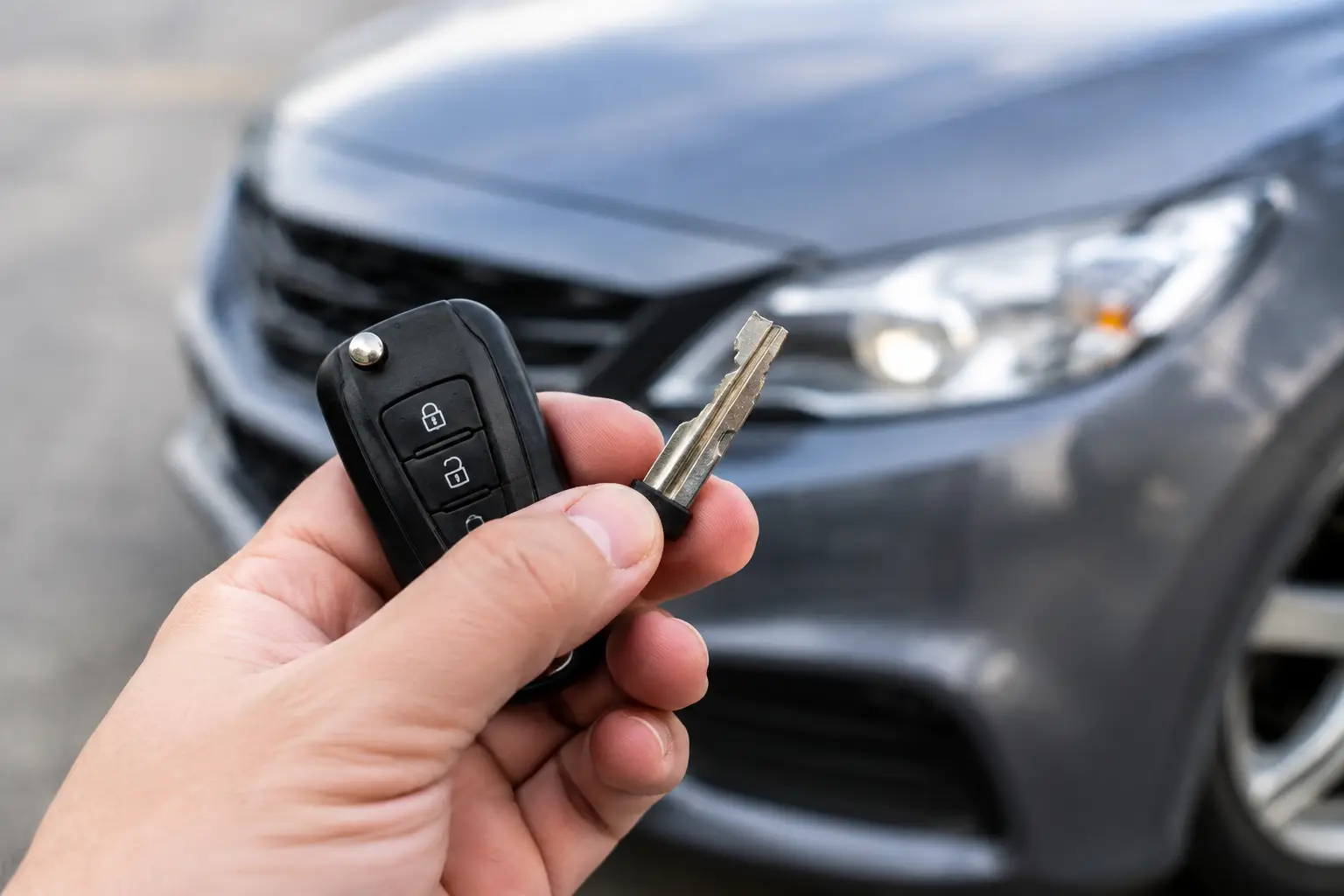
What causes car key snapping? Learn why keys break in locks or ignitions, what to do next, and how a specialist auto locksmith can help safely on site.
Glasgow Vehicle Locksmith Help When You Need It
A lost car key outside the shops, a fob that has stopped responding at work, or a key snapped in the ignition can bring the day to a halt quickly. A Glasgow vehicle locksmith deals with these problems at the vehicle, using specialist equipment to regain access, cut replacement keys and deal with modern electronic security without causing unnecessary damage.
For drivers across Glasgow and West Central Scotland, the priority is usually simple: get back into the car, get it running and get moving again. The right solution depends on the vehicle, the type of key and what has gone wrong. A specialist will explain the practical options clearly before work starts.
When to call a Glasgow vehicle locksmith
General locksmiths can be useful for homes and commercial premises, but car locks and keys are a different job. Modern vehicles combine mechanical locks with immobilisers, transponder chips, remote locking systems and proximity technology. Even many older cars need the correct chip coding before a newly cut key will start the engine.
Call an automotive locksmith when you are locked out, your keys have been lost or stolen, a remote fob has failed, the key will not turn in the ignition, or central locking is behaving unpredictably. This also applies when you have a spare key but it no longer starts the car. The blade may still open the door, yet the immobiliser can prevent the engine from running.
A roadside visit is often the sensible first step. It saves the wait and cost of recovery where the fault can be dealt with where the vehicle is parked. That is especially helpful for commuters, parents on the school run, tradespeople with tools in the van and business owners whose vehicle cannot stay off the road.
Damage-free vehicle entry matters
Being locked out is frustrating, but forcing a door open can turn a straightforward call-out into a costly repair. Bent frames, damaged weather seals, scratched paint and broken locking parts can affect both the appearance and security of the vehicle.
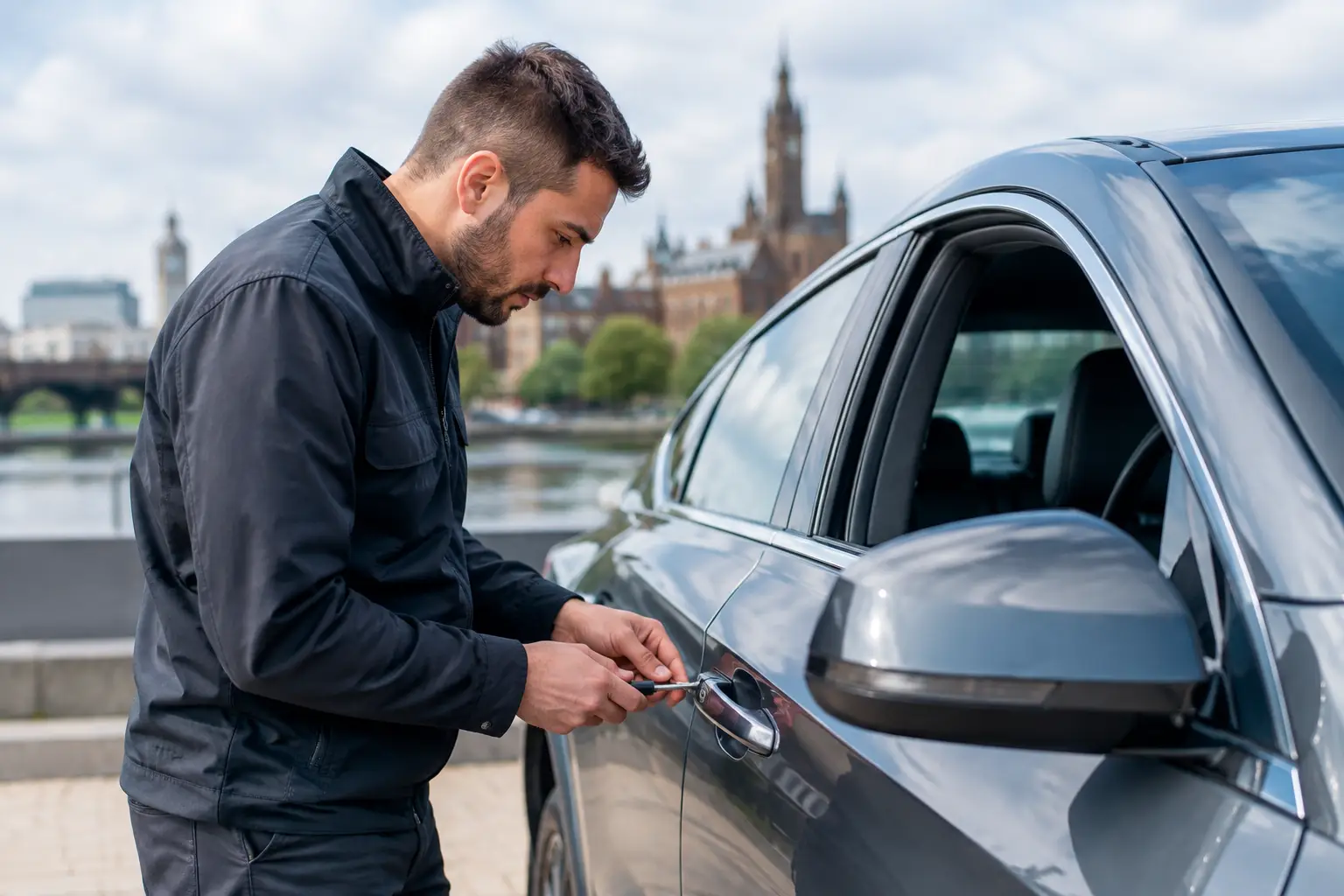
A professional auto locksmith uses non-destructive entry methods wherever possible. Depending on the make and model, this may involve specialist lock-picking tools, bypass techniques or carefully selected access equipment. The aim is to open the vehicle without breaking glass, drilling locks or damaging door mechanisms.
There are exceptions. A lock may already be badly damaged, seized or altered after a previous attempted entry. In those cases, the locksmith should set out what is possible and why before proceeding. Clear advice is far better than a surprise repair bill later.
For urgent lockouts, have your vehicle registration, make, model and current location ready when you call. Proof that you own or are authorised to use the vehicle will also be required. These checks protect motorists as well as the locksmith.
Lost keys are not always a dealership job
Many drivers assume a lost car key means transporting the vehicle to a main dealer and waiting for an order to arrive. That can be necessary for certain makes or unusual systems, but it is not the only route in many cases.
A vehicle locksmith can often create a replacement key at your location. The process may involve gaining entry, decoding or cutting the blade, programming the transponder and checking that the remote functions correctly. For keyless vehicles, the work can include programming a replacement proximity key so the car recognises it properly.
The exact job depends on the age and security system of the vehicle. A basic mechanical key is generally more straightforward than a modern smart key. Cars built from the mid-1990s onwards commonly use an immobiliser chip, so simply cutting a key-shaped blade is not enough. Without the correct programming, the key may turn but the engine will not start.
If keys have been stolen rather than misplaced, ask whether the missing key can be removed from the vehicle’s memory. This reduces the risk that someone finding it can return and drive the car. It is an important extra step that can be overlooked when the immediate concern is getting a replacement.
Key fobs, remotes and proximity keys
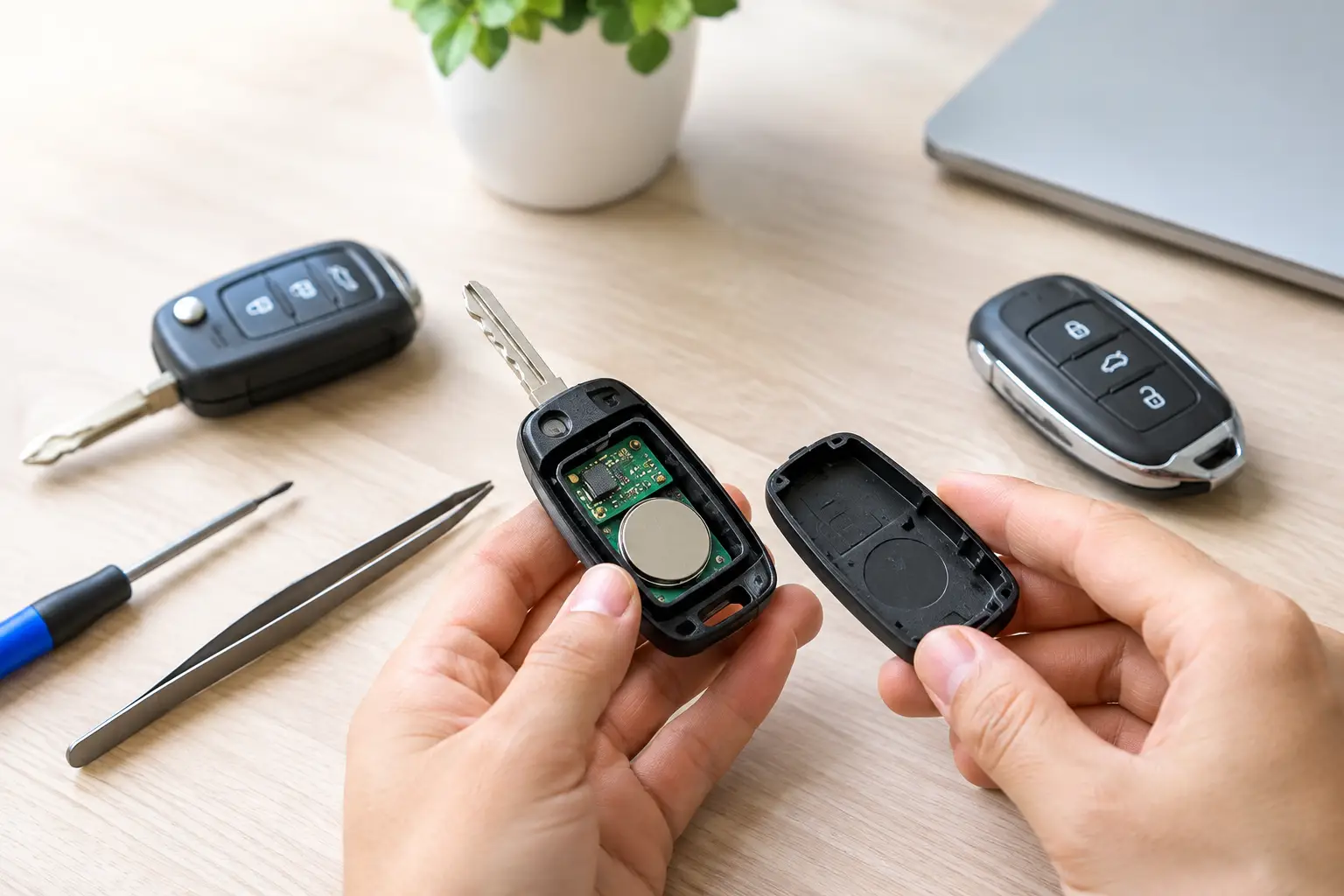
Not every key problem calls for a completely new key. A fob shell can crack, the buttons can wear through, the battery contacts can fail or the metal blade can become loose. Where the electronics still work, a replacement shell may be a practical and more economical fix.
A flat battery is another common cause of remote locking trouble. Replacing it may solve the issue, but it depends on the vehicle and the condition of the fob. If a new battery makes no difference, the fault could be with the fob circuit, the vehicle battery, a receiver issue or the central locking system itself.
Proximity keys need particular care. They communicate with the vehicle rather than being inserted into a traditional ignition, and programming them requires suitable diagnostic equipment. Avoid buying a random used fob and expecting it to work immediately. Some keys can be reused only in specific circumstances, while others cannot be prepared for another vehicle at all.
Problems that look like key faults
A key refusing to work is not always the key’s fault. A weak vehicle battery can cause remote locking and immobiliser warnings. A worn ignition barrel may make a good key feel as though it is sticking. Water damage, previous repairs and faults in central locking modules can all produce similar symptoms.
That is why diagnosis matters. A specialist automotive locksmith will check the straightforward causes before recommending replacement parts. It may be possible to repair a key, reprogramme it or identify that the problem lies elsewhere. Equally, a badly worn key or failed transponder should not be ignored, because it can leave you stranded at the least convenient moment.
If your key is becoming difficult to turn, do not keep forcing it. Stop using it if possible and arrange help before it breaks in the lock or ignition. Removing a snapped blade is often possible, but acting early can prevent a more complicated repair.
What affects the cost of car locksmith work?
Fair pricing starts with an accurate description of the problem. The vehicle make, model, year, key type, location and time of call all affect the work involved. A daytime lockout where the car is accessible is different from creating and programming a smart key for a vehicle with no working keys at an out-of-hours location.
The number of keys required also matters. If a replacement is being made because the only key has failed or been lost, it can be worth asking for a spare at the same time. A spare stored safely at home can save considerable disruption later, particularly for households with one essential vehicle.
Be wary of anyone offering a vague low price without asking what you drive or what has happened. The proper method, equipment and replacement key required should match the job. A clear explanation of costs and likely options gives you a better basis for deciding what to do.
Local help when the car will not cooperate
A local automotive specialist understands that a car problem is rarely just a car problem. It can mean a missed shift, a child waiting at nursery, deliveries held up or a long walk home in poor weather. Fast attendance matters, but so does doing the work properly first time.
Auto Locksmith Doctor Ltd provides specialist vehicle access, car key replacement and programming for motorists across Glasgow, Cumbernauld, Paisley, Ayrshire, Greenock and surrounding areas. The focus is on practical on-location help, damage-free entry wherever possible and straightforward advice. If the vehicle cannot be opened on site, there is no charge for the opening attempt.
If your key is lost, broken, locked inside the car or simply no longer recognised, do not force the lock or take chances with the electronics. Keep the vehicle safe, have its details to hand and call a Glasgow vehicle locksmith who can assess the problem where you are. The quickest way back on the road is usually a calm, specialist response rather than a costly guess.

Related Posts