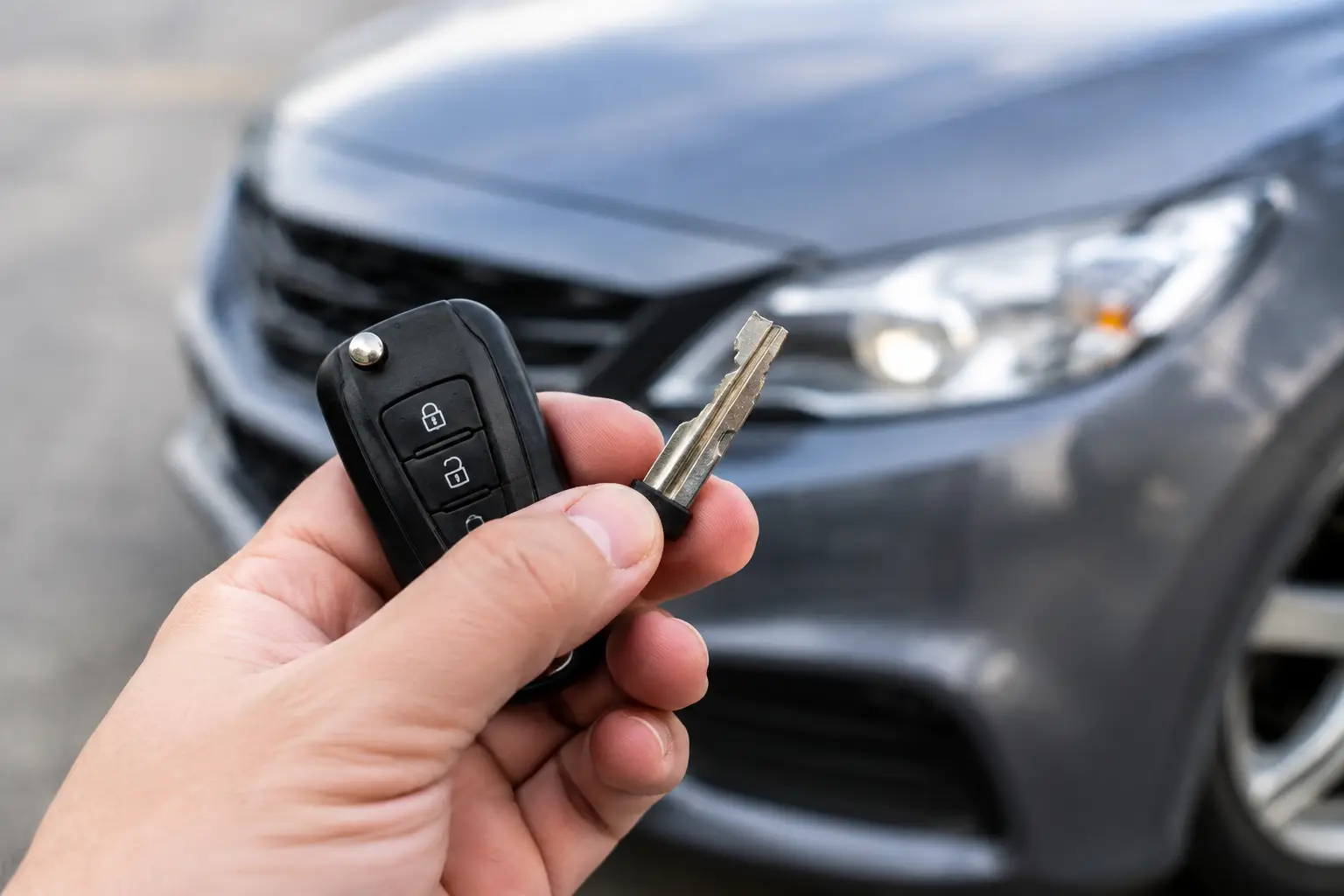
What causes car key snapping? Learn why keys break in locks or ignitions, what to do next, and how a specialist auto locksmith can help safely on site.
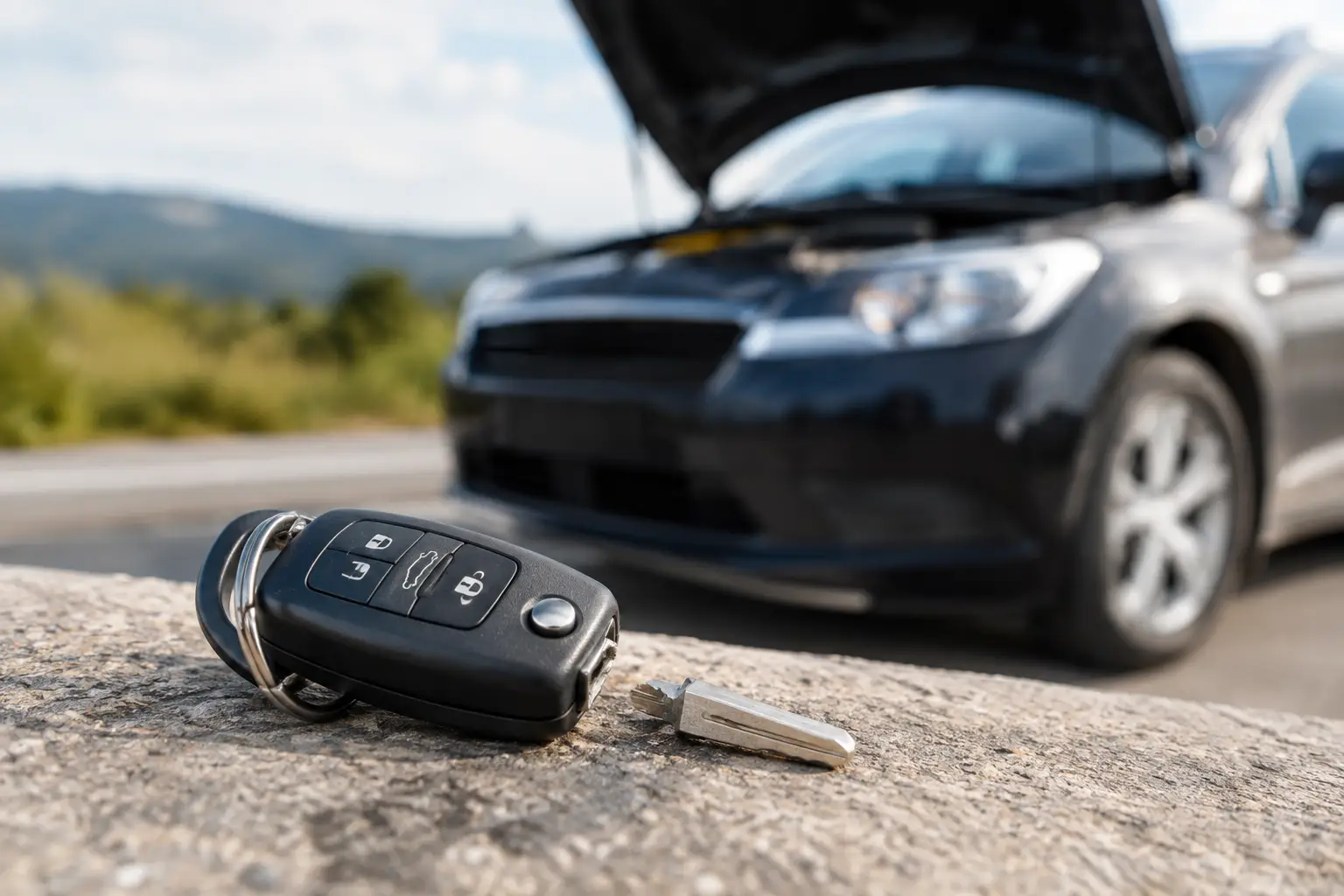
Broken Keys That Leave Your Car Stranded
A key snapping in the ignition, door lock or remote fob is never a small inconvenience. Broken keys can stop you getting to work, collecting the children, completing a delivery or simply getting home. The good news is that a damaged car key does not automatically mean expensive repairs or a new lock. The most important thing is to stop forcing it and deal with the fault properly.
First steps when a car key breaks
If the key has snapped while it is in the ignition or door, do not turn it further, pull it aggressively or push another tool into the lock. That is how a straightforward extraction can turn into a damaged lock barrel, bent internal wafers or a vehicle that will not recognise its key.
Take a breath and look at where the break has happened. If part of the key is still sticking out and comes away with no resistance, keep both pieces somewhere safe. If the broken section is sitting flush inside the lock, leave it there. Home extraction kits, glue, tweezers and improvised wire tools often push the fragment deeper or damage the lock mechanism.
If you are stranded in an unsafe location, move yourself and any passengers somewhere safe where possible. If there is immediate danger from traffic or your surroundings, contact the emergency services first. A broken key is frustrating, but your safety comes before the vehicle.
Why keys break in the first place
Most mechanical car keys do not snap without warning. They weaken over time through daily use, especially when a heavy bunch of keys pulls down on the ignition while driving. The metal blade can also wear down, making it harder to turn in the barrel. Drivers then apply more force, and eventually the blade gives way.
Cold weather can make the issue more likely. A stiff or frozen lock needs attention, not extra pressure. Moisture, dirt and corrosion inside an older door lock can make the key feel tight, while a worn ignition barrel may start catching before it fails completely.
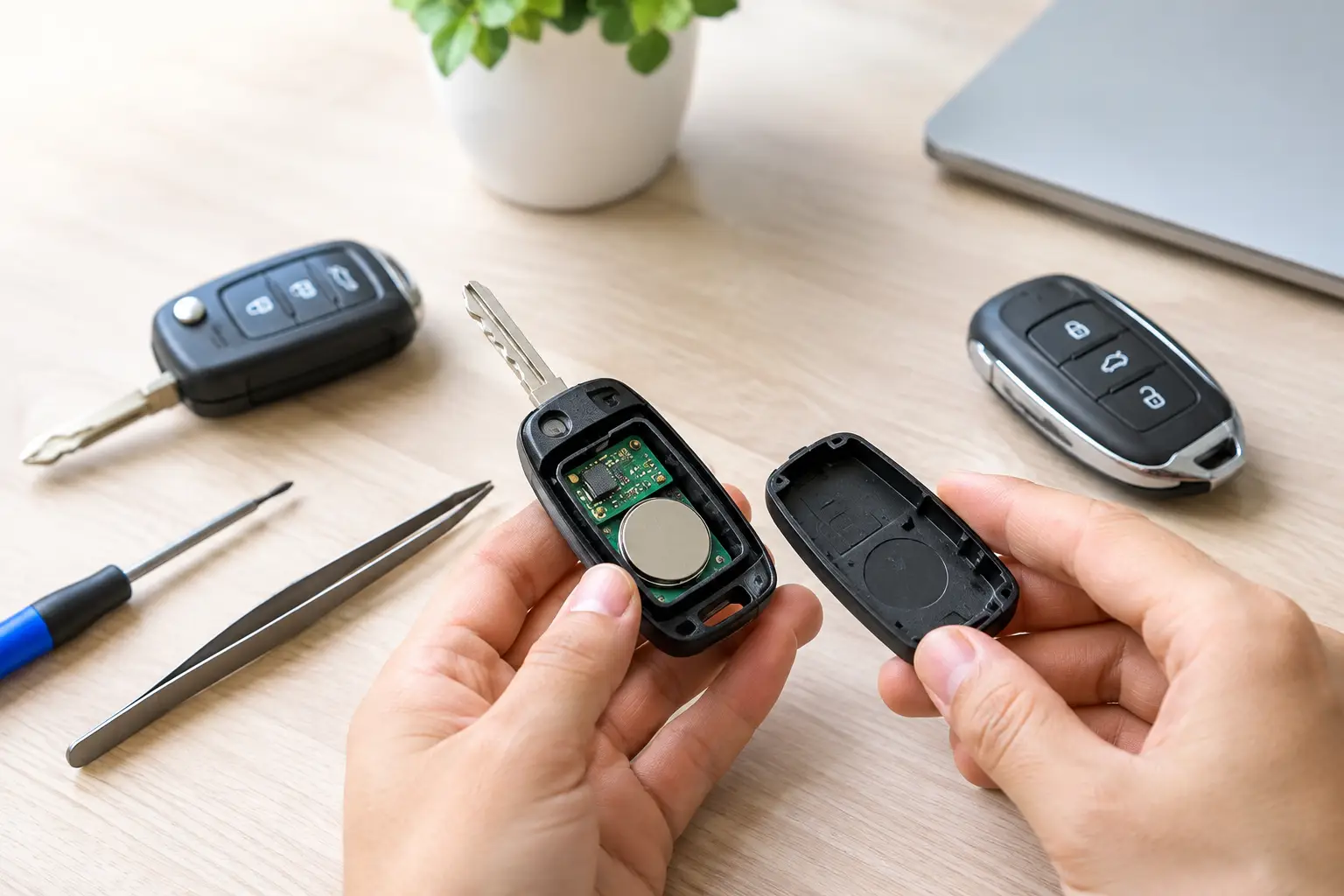
Modern remote keys and proximity fobs have their own failure points. The blade may be fine, but the plastic fob shell can split, the buttons can wear through, or the internal circuit board can become loose after a drop. A key that only works when held at a certain angle should be checked before it leaves you unable to start the car.
Do not confuse a broken key with an immobiliser fault
A key can look physically intact but still fail to start the vehicle. On many cars built since the mid-1990s, a transponder chip inside the key communicates with the vehicle’s immobiliser. If that chip is missing, cracked, water-damaged or no longer programmed correctly, the engine may crank but not start.
This is common after a key fob has been dropped, the case has broken apart, or somebody has transferred the blade into a cheap replacement shell and lost the chip. The remote central locking may also stop working due to a flat battery or damaged buttons, but that does not always mean the immobiliser has failed.
The difference matters because the repair is different. A snapped blade in a lock requires careful extraction and a correctly cut replacement. An immobiliser issue may require a replacement transponder key and programming to the vehicle. Guessing can waste time and money, particularly when you are already stuck at the roadside.
What a specialist car locksmith can do for broken keys
A specialist automotive locksmith can assess the key, lock and vehicle security system together. This is particularly useful when the key has broken in the ignition, because the aim is to remove the fragment without drilling or replacing a lock unnecessarily.
Where the lock is serviceable, the broken blade can often be extracted using purpose-made tools. The locksmith can then cut a replacement key from the remaining pieces, from the vehicle lock, or through the appropriate key data where available. If the key contains a transponder, it can be programmed so the vehicle recognises it and starts normally.
There are situations where the lock itself has caused the break. A worn ignition barrel might grip the blade, or a door lock may be stiff from lack of use. In that case, simply cutting another key may only postpone the problem. The lock should be inspected and repaired or replaced if needed.
For lost or severely damaged keys, vehicle entry may be required before a new key can be made. A proper auto locksmith uses non-destructive entry methods wherever possible. That means no smashed windows, no bent door frames and no unnecessary damage to trim or weather seals.
Auto Locksmith Doctor Ltd provides roadside and on-location support across West Central Scotland for broken car keys, lockouts, replacement keys and key programming. Whether you are in Glasgow, Cumbernauld, Paisley, Greenock or Ayrshire, the right solution depends on your vehicle, key type and the condition of the lock.
When the key breaks in the ignition
A broken ignition key needs more care than a snapped spare key at home. The ignition is connected to the steering lock and starter system, and repeated attempts to turn the remaining piece can cause further problems. Do not use pliers if the fragment is not clearly protruding, and do not spray excessive amounts of lubricant into a modern ignition.
Keep the steering wheel still if it is locked. Pulling hard on the wheel while trying to turn a damaged key can load the steering lock and make the ignition feel even tighter. A locksmith can establish whether the fragment is jammed, whether the barrel is worn, and whether the ignition needs repair after extraction.
If the car uses a keyless start system, a broken emergency blade may not stop the engine from starting, but it can prevent you from unlocking the door manually if the fob battery fails. It is worth repairing the fob shell and replacing a weak battery before that backup key becomes your only option.
Can you drive with a cracked or damaged key?
Sometimes, but it is a risk not worth taking. A bent blade, cracked plastic head or loose fob may still work several times, then fail when you are far from home. If the key has started sticking in the ignition or door lock, arrange a replacement before it snaps.
A spare key is particularly valuable for families, commuters, tradespeople and anyone using a van or car for work. It gives you an immediate fallback and allows a replacement to be arranged without the pressure of an emergency call-out. Just make sure the spare is tested regularly, including the remote buttons and the engine start function.
How to reduce the chance of broken keys
Small habits make a real difference. Avoid hanging heavy keyrings from the ignition key, especially on older vehicles. Keep the blade clean, never force a key that feels unusually tight, and address stiff locks before winter makes them worse.
Protect remote fobs from hard drops and water. If the casing is splitting or the buttons are becoming difficult to press, a replacement shell may save the electronics inside. When changing a fob battery, take care not to dislodge the transponder chip, as it can be very small and easy to miss.
Most importantly, do not ignore early warning signs. A key that needs wiggling, a lock that catches, or a fob that works only occasionally is asking for attention. Sorting it while the car is on your drive is far easier than dealing with it in a supermarket car park late at night.
Get help before a small fault becomes a bigger repair
If your key has snapped, is trapped in the ignition, or has stopped starting the car, leave the lock alone and get specialist help. Keeping every piece of the damaged key and explaining exactly what happened will give the locksmith the best chance of restoring access and getting you moving without unnecessary damage.

Related Posts