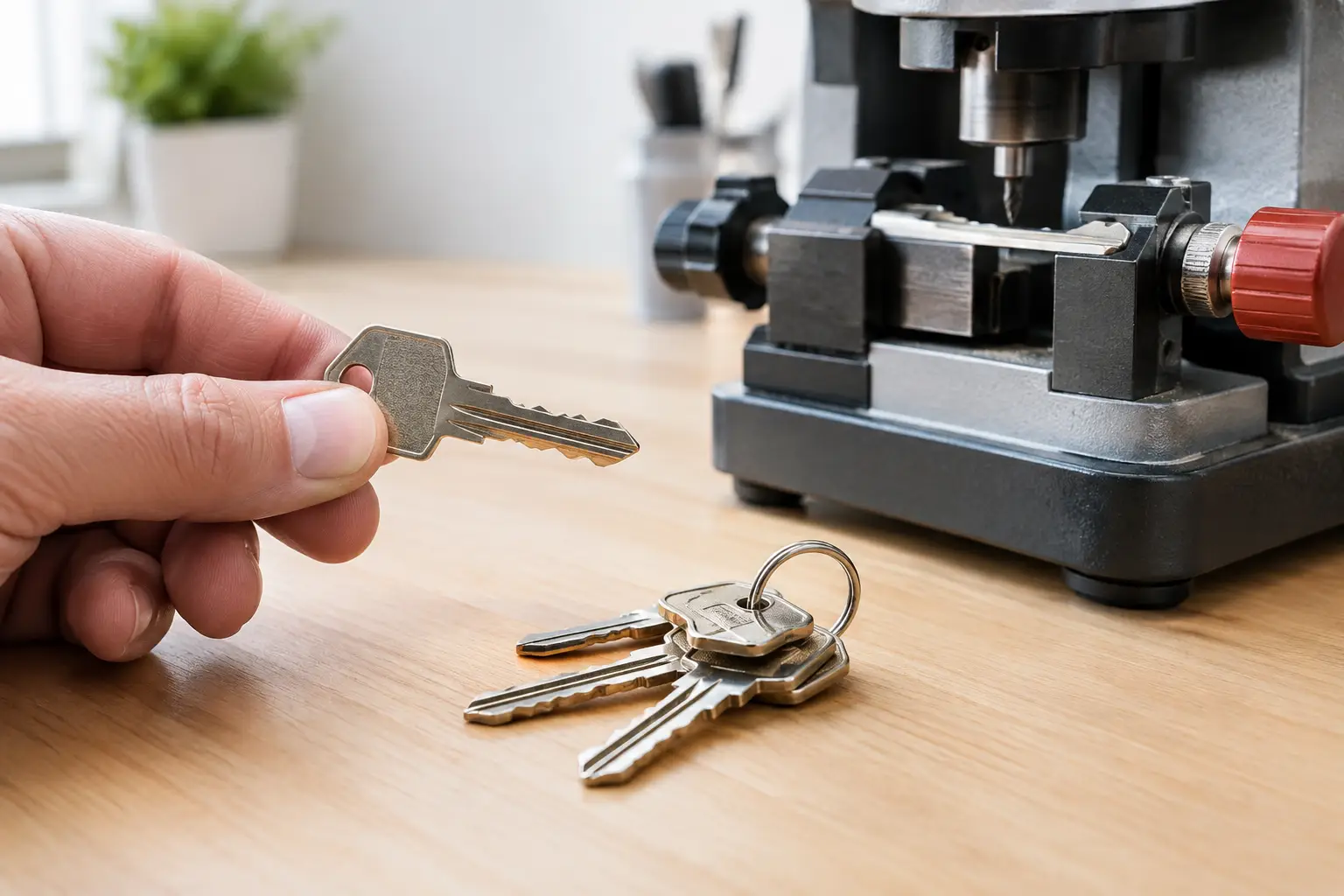
Does key cutting require original keys? Learn when a locksmith can cut a replacement from a code, lock or spare, including modern car keys. Fast.
How to Unlock a Car Safely Without Damage
A locked car is rarely just an inconvenience. It can mean being late for work, stranded at the shops with children, unable to reach tools in a van, or stuck miles from home in poor weather. If you are searching for how to unlock a car, the priority is simple: regain access without turning a lockout into a broken window, bent door frame, damaged lock or costly electrical fault.
Modern vehicles are built to resist forced entry. That is good for security, but it means old DIY advice can cause real damage. The safest approach depends on why the vehicle is locked, the make and age of the car, and whether your keys are inside, lost, broken or no longer communicating with the vehicle.
How to unlock a car without causing damage
Before trying anything, stop and assess the situation. Check every door, including the boot, and make sure the vehicle is actually locked rather than suffering from a faulty handle or central locking problem. If you have a spare key nearby, that is usually the quickest and lowest-risk answer.
If keys are visible on a seat, do not be tempted to force a gap at the top of the door and fish for them with a wire. On newer cars, this can damage weather seals, scratch paintwork, bend the frame and interfere with side airbags, wiring or window mechanisms. It may also trigger the alarm and leave you with a larger problem than the original lockout.
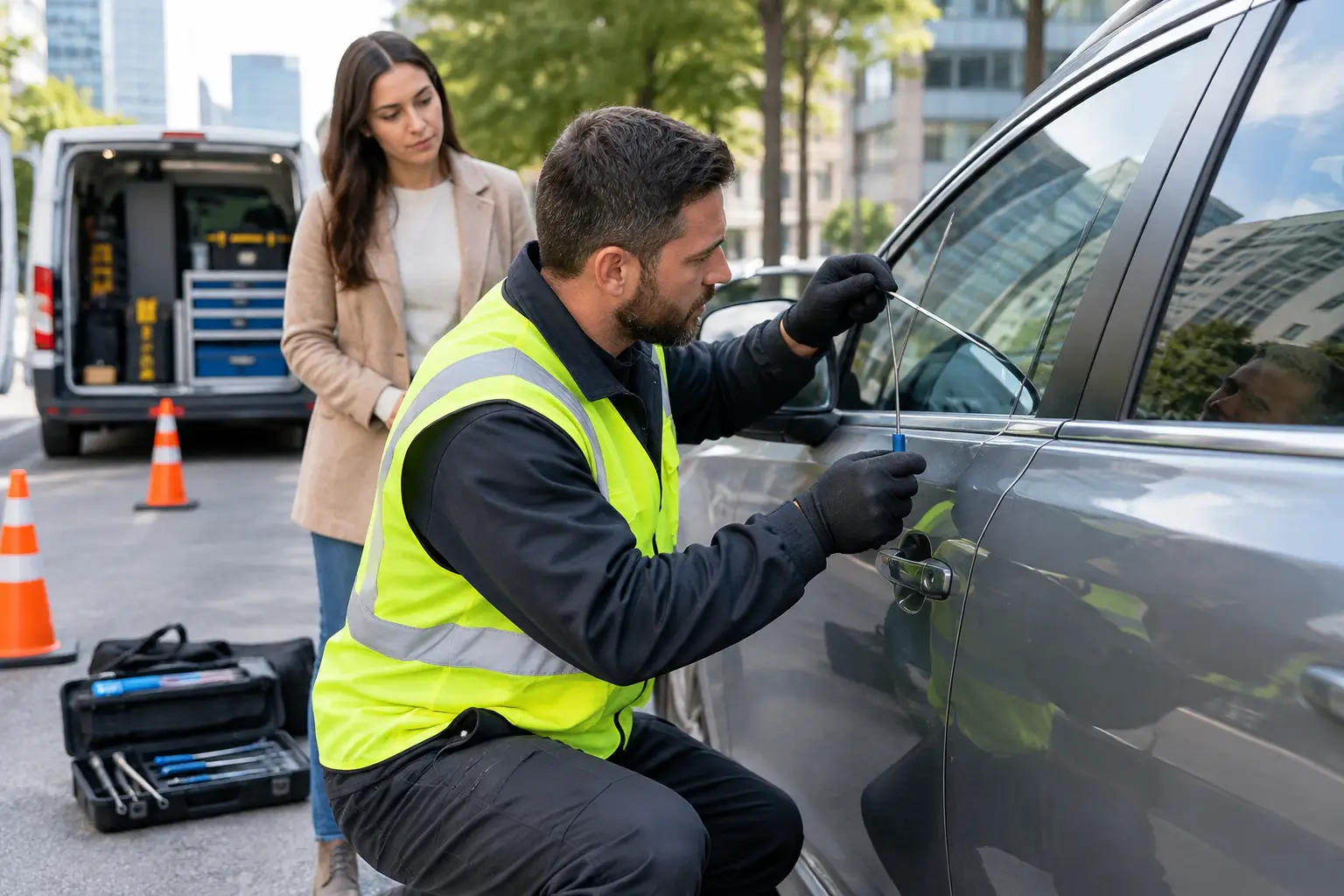
A specialist auto locksmith uses vehicle-specific entry techniques. Depending on the vehicle, this may involve professional lock picking, bypass entry, decoding the lock, or carefully accessing the mechanism through an approved method. The aim is to open the vehicle cleanly, with no damage to the lock, door, glass or electronics.
First, make sure everyone is safe
If a child, vulnerable person or pet is locked inside, especially in hot, cold or unsafe conditions, treat it as an emergency. Contact the emergency services immediately if there is any risk to life or health. Do not wait for roadside assistance if the situation is becoming dangerous.
If you are stopped in an exposed location, such as a busy road, hard shoulder or poorly lit area, move yourself to a safe place where possible. Keep clear of traffic and let a professional know your exact location, vehicle registration, make, model and the nature of the problem.
Why the key method matters
Not all car keys work in the same way. A key for an older vehicle may only need to turn a mechanical lock. Most cars made from the mid-1990s onwards have an immobiliser system. The metal blade can open the door, but the vehicle may still not start unless the transponder chip is correctly coded.
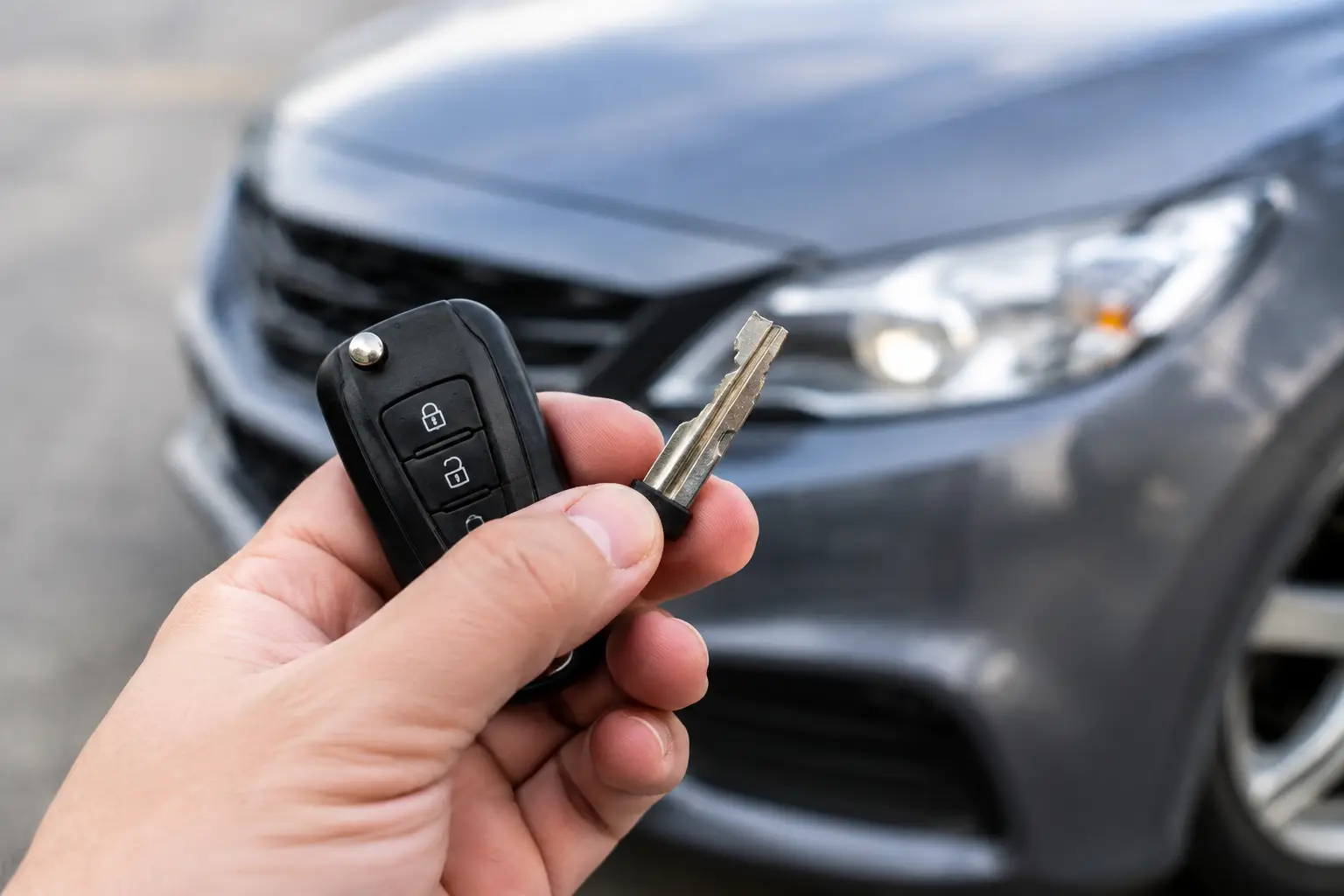
Remote fobs and proximity keys add another layer. A flat battery in the fob, a damaged circuit board, worn buttons or a synchronisation issue can make it seem as if the key has failed completely. In some cases, the emergency blade stored inside the fob will open the door. In others, the car needs the fob held in a particular position before it recognises the key and allows the engine to start.
That is why a lockout should not be treated as one single fault. The vehicle may need opening, but it may also need a replacement key, a new fob shell, key cutting, transponder programming or diagnosis of a central locking fault. A proper assessment saves time and avoids paying twice for the same issue.
When you can try a simple fix yourself
There are a few low-risk checks worth making before calling for help. If your remote fob has become weak or intermittent, try the spare key if you have one. Replace the fob battery only if you are confident you have the correct battery type and can open the casing without damaging the circuit board.
Look in the vehicle handbook for the emergency entry procedure. Many cars have a concealed mechanical lock behind a small cover on the driver’s door handle. Use the emergency blade from the key fob if your vehicle has one. Be prepared for the alarm to sound when the door opens, as the car may not recognise a remote signal. Starting the vehicle with the recognised key usually stops it.
If the lock is frozen in winter, use a proper lock de-icer. Avoid pouring boiling water over the handle or using excessive force on the key. Sudden temperature changes can damage glass, while force can snap a key blade inside the lock.
These checks are sensible when they match the vehicle handbook and you have the right key. They are not a reason to dismantle door trims, pry open panels or experiment with online tricks designed for older cars.
DIY methods that can cost more than a locksmith
The most expensive lockouts often start with an attempt to save a few pounds. Coat hangers, screwdrivers, wedges, inflatable bags and improvised rods are commonly suggested online. They are also common causes of damage.
Forcing a door can distort its shape enough to create wind noise and water leaks. It can tear seals, mark paintwork and break clips inside the door. A tool pushed through a window gap may catch cables, damage the locking mechanism or interfere with curtain airbag components. Breaking a window brings the obvious cost of replacement, along with glass throughout the vehicle and a security risk if the car cannot be repaired immediately.
There is also the question of ownership and insurance. A reputable auto locksmith will ask for proof that you own or are entitled to access the vehicle. That protects you and keeps the service professional. If you are at home, have your driving licence, V5C or insurance details ready. If documents are inside the vehicle, explain that when you call.
What a specialist auto locksmith can do at the roadside
A general locksmith may be excellent with house doors but not equipped for coded vehicle keys and modern automotive security. A specialist works with vehicle locks, immobilisers, transponder systems, remotes and proximity keys every day.
After gaining non-destructive entry, the next step is identifying why the lockout happened. If the key is locked inside and works normally, access may be all that is required. If the key is lost, a replacement can often be cut and programmed on site. If the blade has broken, the remaining piece may be removed and a new key produced. If central locking is not responding, the fault may lie with the vehicle battery, the key fob, the receiver or a door lock module.
For motorists across Glasgow, Cumbernauld, Paisley, Ayrshire and Greenock, Auto Locksmith Doctor Ltd provides practical vehicle access and key support where the car is located. The focus is on getting you moving again with the right method for the vehicle, rather than taking risks with forced entry. If a vehicle cannot be opened on site, there is no charge for the opening attempt.
Information to have ready when you call
A clear description helps a locksmith arrive prepared. Give the vehicle make, model, year where known, registration number and your location. Explain whether the keys are inside, missing, damaged or not working. Mention whether the car uses a conventional key, remote fob, key card or proximity key.
It also helps to say if the vehicle is in a garage, car park, narrow street or another place with limited access. A van with tools locked inside may need a different response from a family car with a lost proximity key. Honest details mean less delay and a better chance of resolving the issue in one visit.
Preventing the next lockout
Once you are back in the car, take a minute to reduce the chance of it happening again. Keep a working spare key somewhere secure, not inside the vehicle. Replace a damaged fob shell before the buttons or circuit board fail. If your remote has become unreliable, deal with it early rather than waiting until it stops working outside your home or workplace.
For business vehicles, make sure more than one authorised driver knows where the spare key is kept and what to do if the main key fails. A little preparation is far cheaper than losing a day’s work to a preventable lockout.
When access to your vehicle matters, the best answer is rarely force. Protect the car, keep yourself safe and use someone who understands the locks, keys and electronics fitted to it.

Related Posts