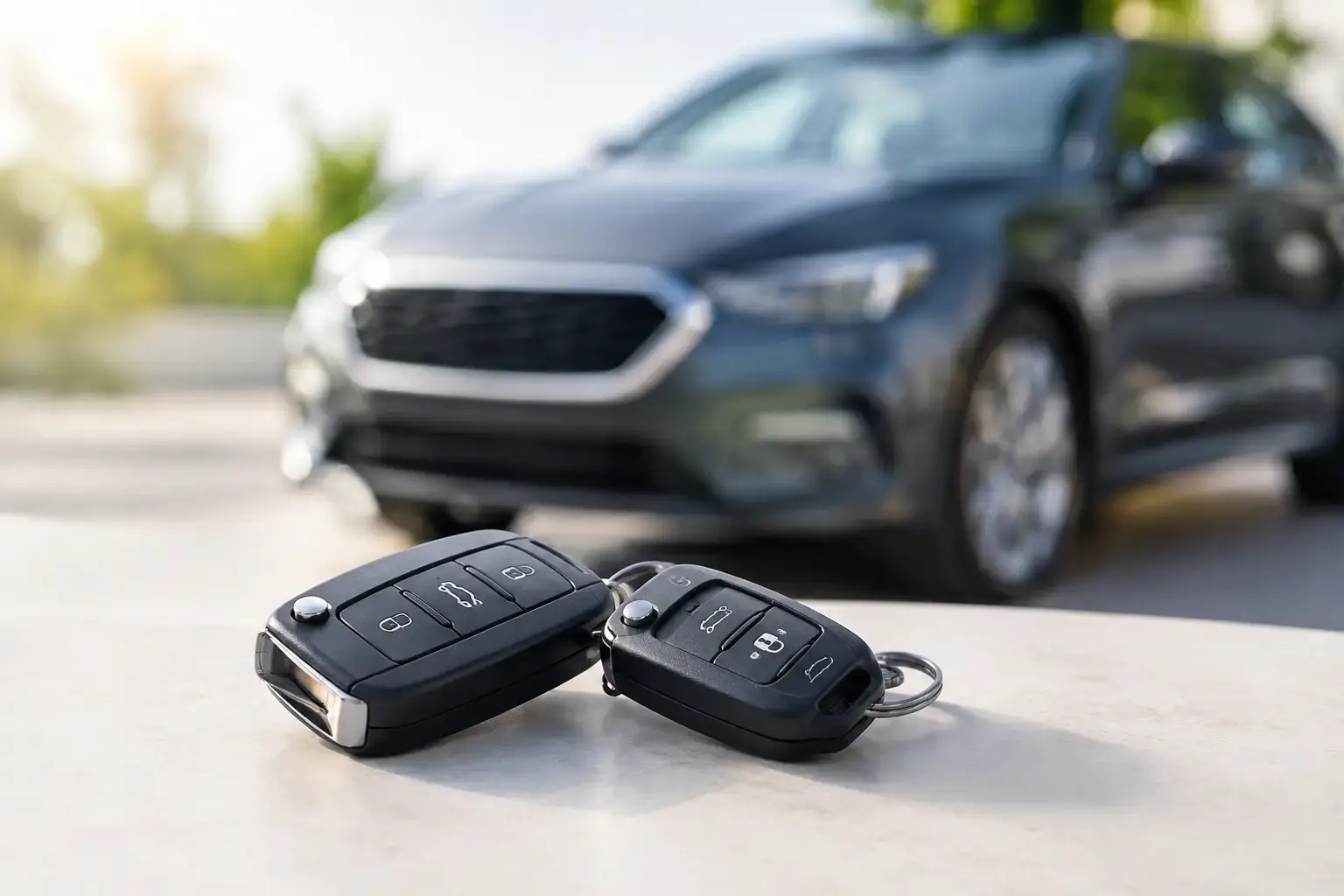
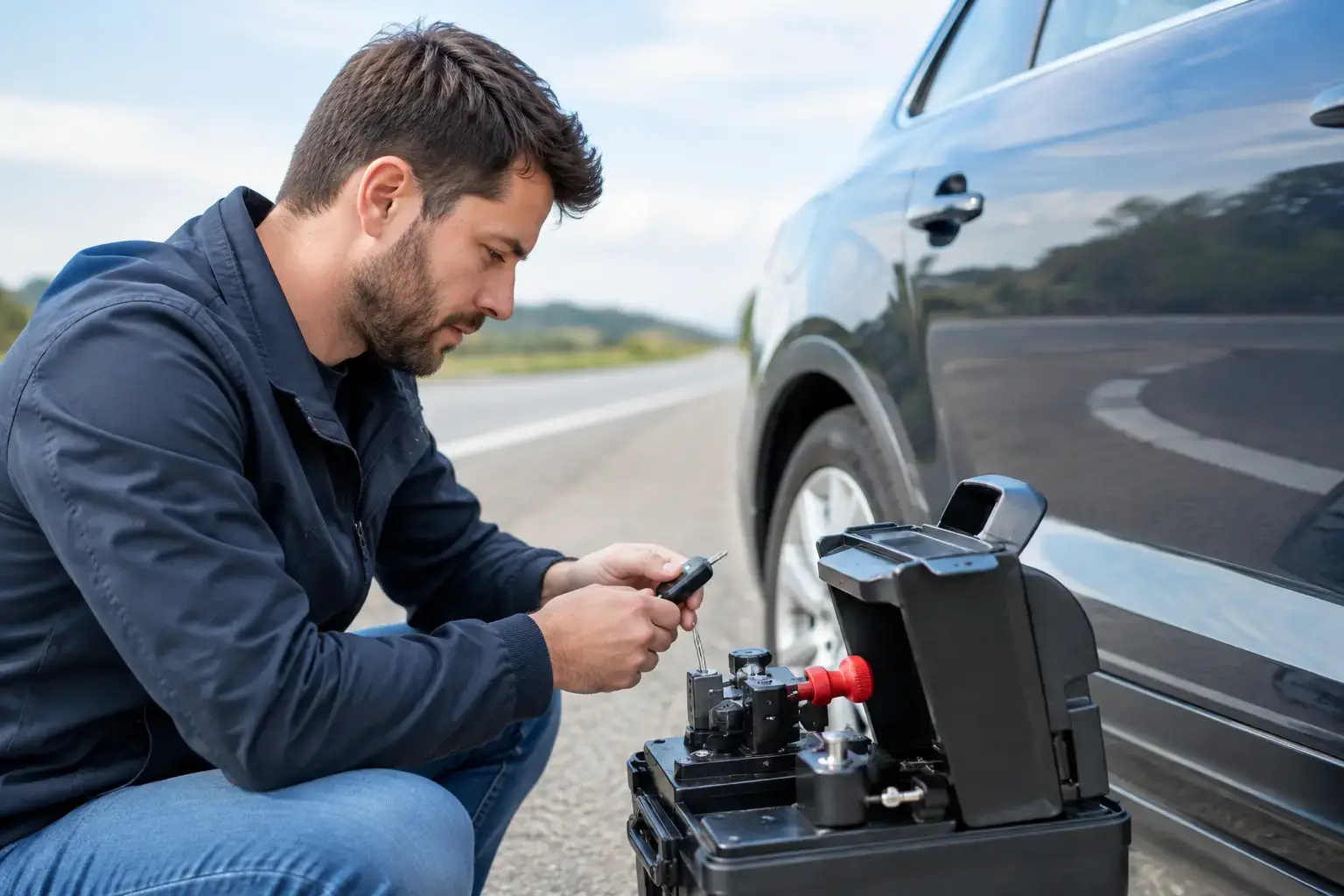
Are aftermarket key fobs reliable? Learn what affects quality, programming and security, plus when a specialist replacement is the safer choice for cars.
Broken Car Locks: Causes, Repairs and Next Steps
A key that suddenly will not turn, a door that refuses to open, or central locking that clicks without releasing anything can bring an ordinary journey to a stop. Broken car locks are frustrating at the best of times, but they are especially stressful when you are outside your home, late for work, or stranded with children, tools or shopping in the vehicle.
The main thing is not to force it. A lock problem that may be repairable can quickly become a damaged door handle, snapped key or broken lock barrel if it is treated roughly. A specialist auto locksmith can identify whether the fault is mechanical, electrical or key-related, then use the right method to get you back into your car without unnecessary damage.
What counts as a broken car lock?
A broken lock does not always mean the key barrel itself has failed. Modern vehicles have several systems working together: the physical door lock, central locking motors, wiring, the remote fob, the vehicle battery and, in many cars, an immobiliser and transponder chip. The symptom you see is not always where the fault sits.
For example, your remote may stop working because its battery is flat, while the mechanical key still opens the door. Alternatively, the key may turn in the door but the door will not release because the latch or linkage inside has failed. On a newer vehicle, a dead car battery can prevent central locking from responding even though there is nothing wrong with the locks themselves.
Older cars can suffer from worn wafers inside the lock barrel, corrosion, dirt or a damaged key blade. Newer cars may have a concealed mechanical key, keyless entry system or electronically operated handle that needs a more precise diagnosis. That is why a general guess can cost time and money.
Common signs of broken car locks
A lock issue often gives some warning before it fails completely. The key may need wiggling before it turns, feel unusually stiff, turn without opening the door, or only work on one side of the vehicle. You may also notice that the remote works intermittently, one door stays locked while the others open, or the central locking makes a clicking sound but does not release the locks.
A key that has been bent, worn down or damaged can create the same symptoms as a failing barrel. If it has started catching in the ignition or door lock, avoid continuing to use force. A snapped key inside the lock is a separate job and can make vehicle access more difficult.
After an attempted break-in, the outer lock barrel may be loose, pushed in, spinning freely or visibly damaged. In this situation, do not keep turning the key or pull at the handle. The priority is getting safe access, checking the vehicle is secure and arranging a proper repair or replacement.
Why car door locks fail
Wear is the most common cause. A mechanical door lock has small internal components that match the cuts on your key. Over years of use, both the key and those components wear down. Eventually, the lock may stop recognising the key cleanly or jam altogether.
Weather also plays a part in West Central Scotland. Water, road salt and low temperatures can affect exposed lock barrels, handles and linkages. A frozen lock should never be attacked with boiling water, as sudden temperature changes can damage components and water can refreeze elsewhere. Use a suitable lock de-icer if available, but if the key will not turn, stop before it breaks.
Electrical faults are another regular cause, particularly on cars with remote central locking. A weak vehicle battery, failed door actuator, damaged wiring in the door loom or a faulty fob can leave one or more doors locked. If the vehicle has no power, a locksmith may still be able to gain non-destructive entry and help you assess the next step.
Damage can also come from forcing a key, using the wrong key, trying improvised entry tools, or pulling hard on a frozen or jammed handle. These methods often turn a straightforward access call into a larger repair.
What to do when your car lock will not open
First, stay calm and check the simple possibilities. Try your spare key if you have one, particularly if the main key looks worn or has been dropped. If you use a remote fob, check whether the buttons work from close range and whether the spare fob behaves differently. Do not repeatedly press the remote if you suspect the vehicle battery is flat.
If your car has a mechanical key hidden in the fob, use it gently. Many drivers rarely use the door barrel, so it can become stiff through lack of use. Insert the key fully and use light, steady pressure only. If it does not turn, do not twist harder or use pliers. Keys can snap, and replacing a broken lock barrel is usually more involved than dealing with a stiff one.
Avoid internet-style entry methods involving coat hangers, wedges or wire. Modern doors contain side-impact protection, wiring, airbags and delicate weather seals. Forcing a gap can bend the frame, damage trim, interfere with the locking mechanism or create an expensive water leak. It can also trigger the alarm without getting you into the car.
If a child, vulnerable person or animal is locked inside the vehicle, or there is immediate danger, call the emergency services. In all other cases, a specialist auto locksmith is normally the safest route for fast access.
How an auto locksmith deals with broken car locks
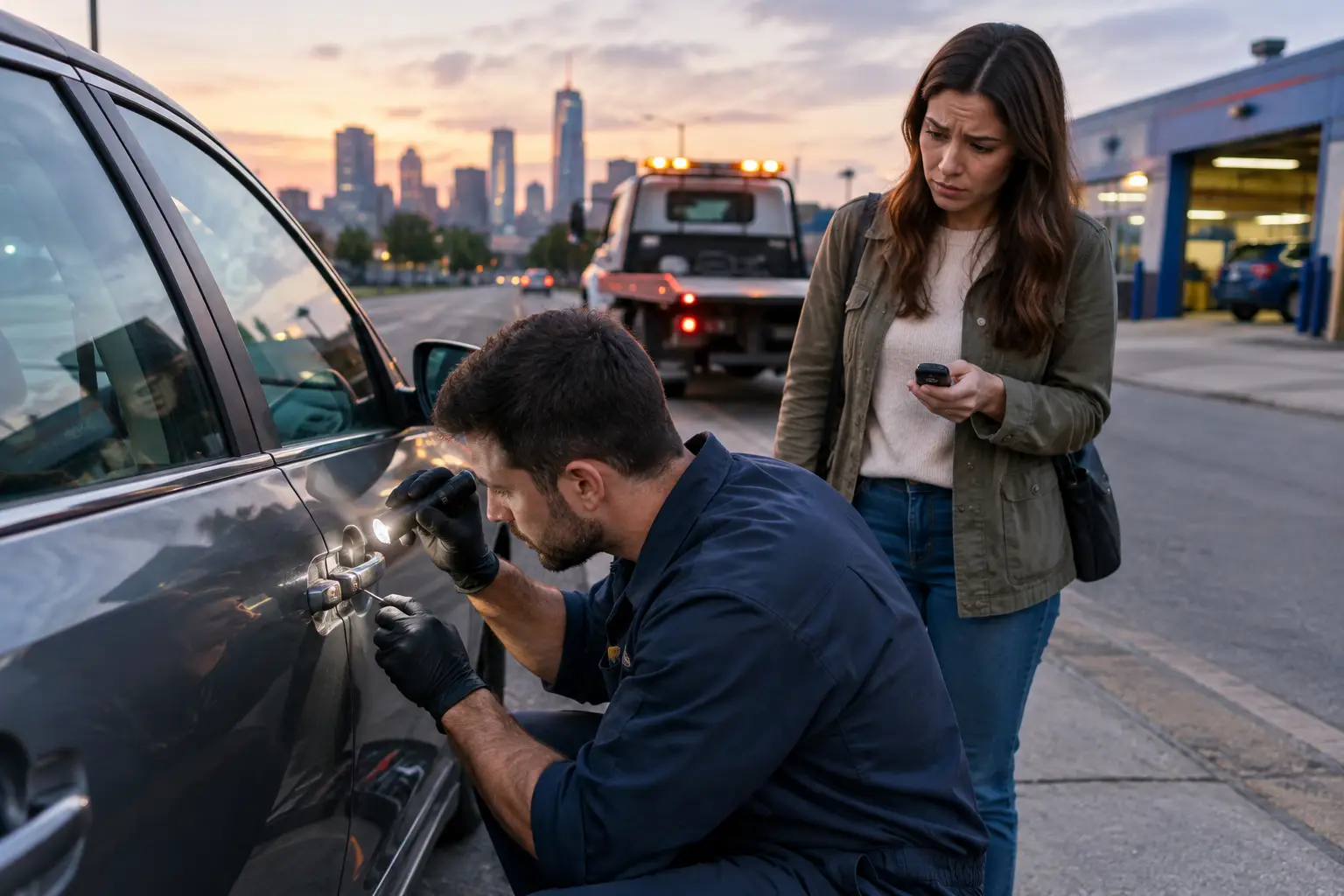
The right solution depends on the vehicle and the fault. A trained automotive locksmith starts by confirming ownership and assessing whether the problem is the key, lock, door mechanism or electronic locking system. The aim is to gain entry without breaking glass or causing damage to the door.
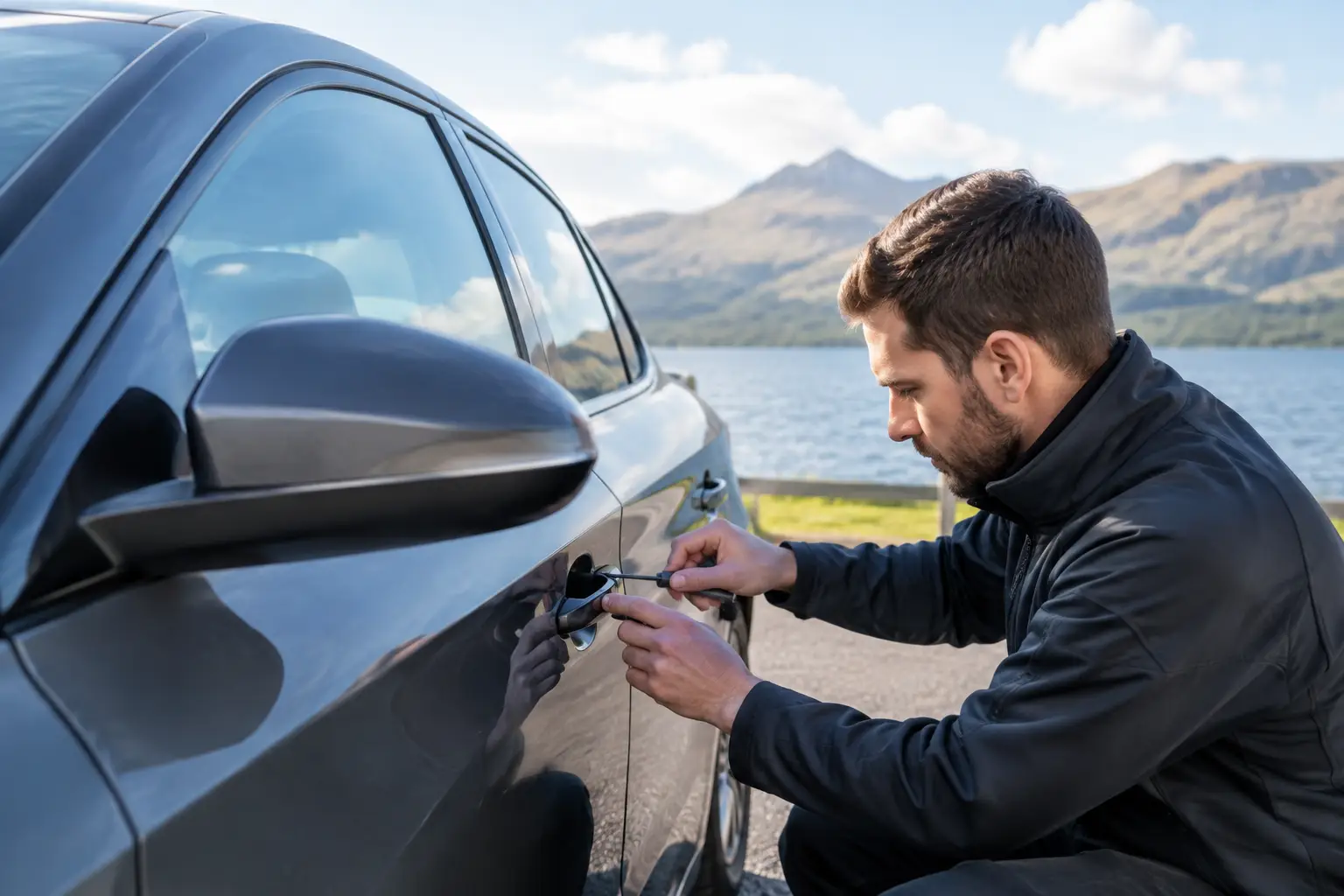
For a mechanical lock fault, this may involve professional lock-picking techniques, bypass entry or working with the vehicle’s locking system to release the door safely. If the lock barrel is worn or damaged, it may be possible to repair it, rebuild it or replace it, depending on the make, model and parts available.
Where a key has snapped in the lock, the broken piece can often be removed without replacing the whole barrel. If the key itself is too worn to operate correctly, a replacement key can be cut. On most post-1995 vehicles, that is only part of the job: the new key may also need transponder programming so the immobiliser recognises it and allows the engine to start.
Central locking faults need a different approach. Entry can be gained without damaging the vehicle, but a faulty actuator, wiring issue or dead battery may require further mechanical or electrical repair after access has been restored. A good locksmith will explain that distinction clearly rather than promising that every locked door can be permanently repaired at the roadside.
Repair, replacement or temporary access?
Not every failed lock needs the same level of work. A stiff barrel may respond to careful cleaning and lubrication, while a badly worn or vandalised barrel may need replacement. A snapped key can sometimes be extracted and copied, but a key with a failed transponder or water-damaged circuit board may need programming or a replacement fob shell as well.
Temporary access can be the practical choice if the car needs to be moved urgently and a full repair requires parts. However, a vehicle with a compromised door lock should not be left unattended for long. If the key no longer secures the car, arrange a permanent repair as soon as possible.
For motorists in Glasgow, Cumbernauld, Paisley, Ayrshire and Greenock, Auto Locksmith Doctor Ltd provides specialist vehicle entry, car key replacement and programming support on location. The focus is on non-destructive methods, clear advice and fair pricing, with no charge if the vehicle cannot be opened on site.
Preventing another lock failure
Use your mechanical door key occasionally, even if you normally rely on the remote. This helps you spot stiffness before your fob battery or vehicle battery leaves you unable to get in. Keep a spare key in a safe place away from the car, and replace a key shell before loose buttons, cracked plastic or a damaged blade become a bigger problem.
If the key starts sticking, the remote range becomes unreliable, or one door begins behaving differently from the others, deal with it early. Small warning signs are far easier to manage than a complete lockout on a wet roadside or outside a supermarket car park.
When your car will not open, protect the key, avoid force and get the fault checked by someone who works with vehicle locks every day. That gives you the best chance of getting back on the road without turning a locked door into a damaged one.

Related Posts