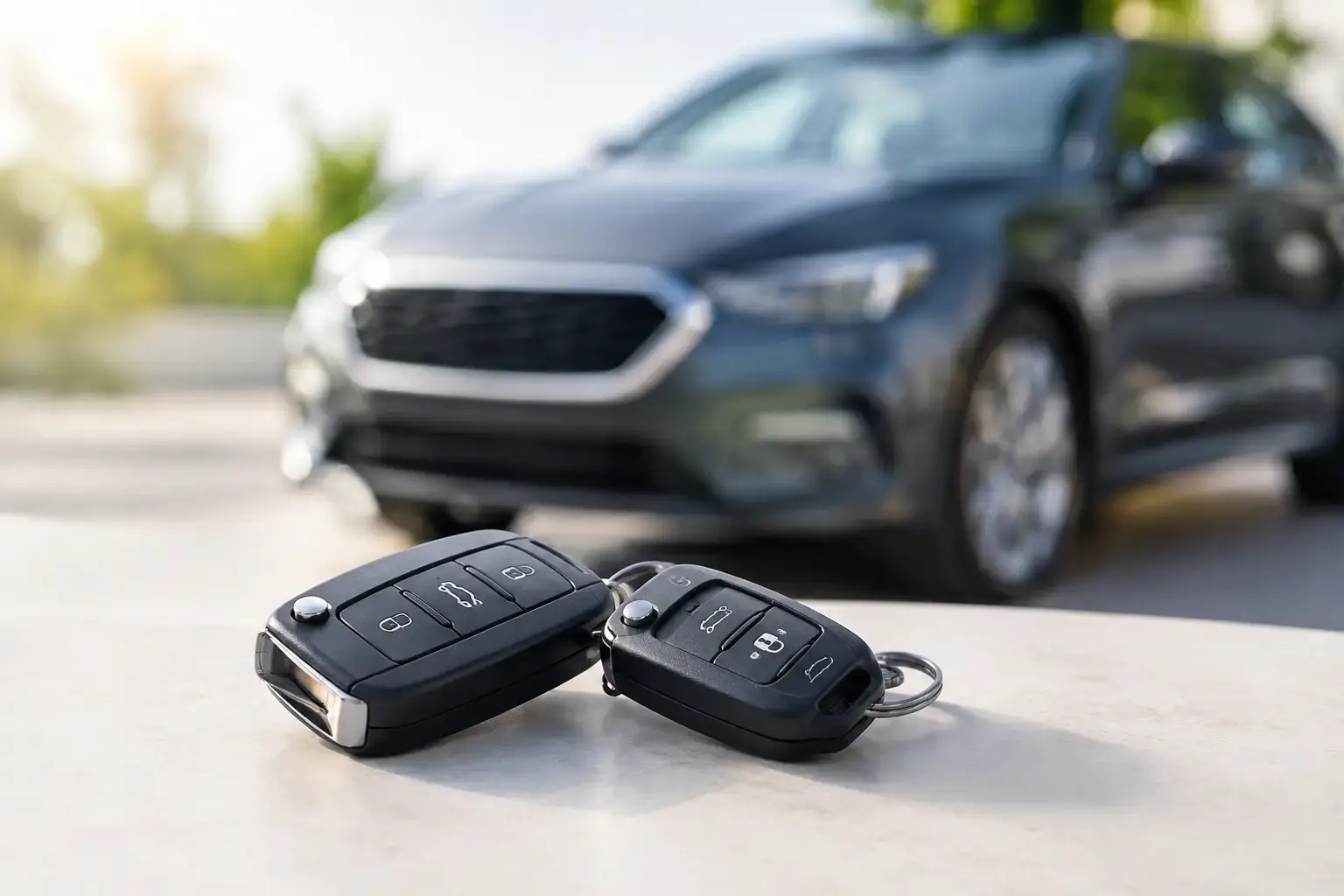
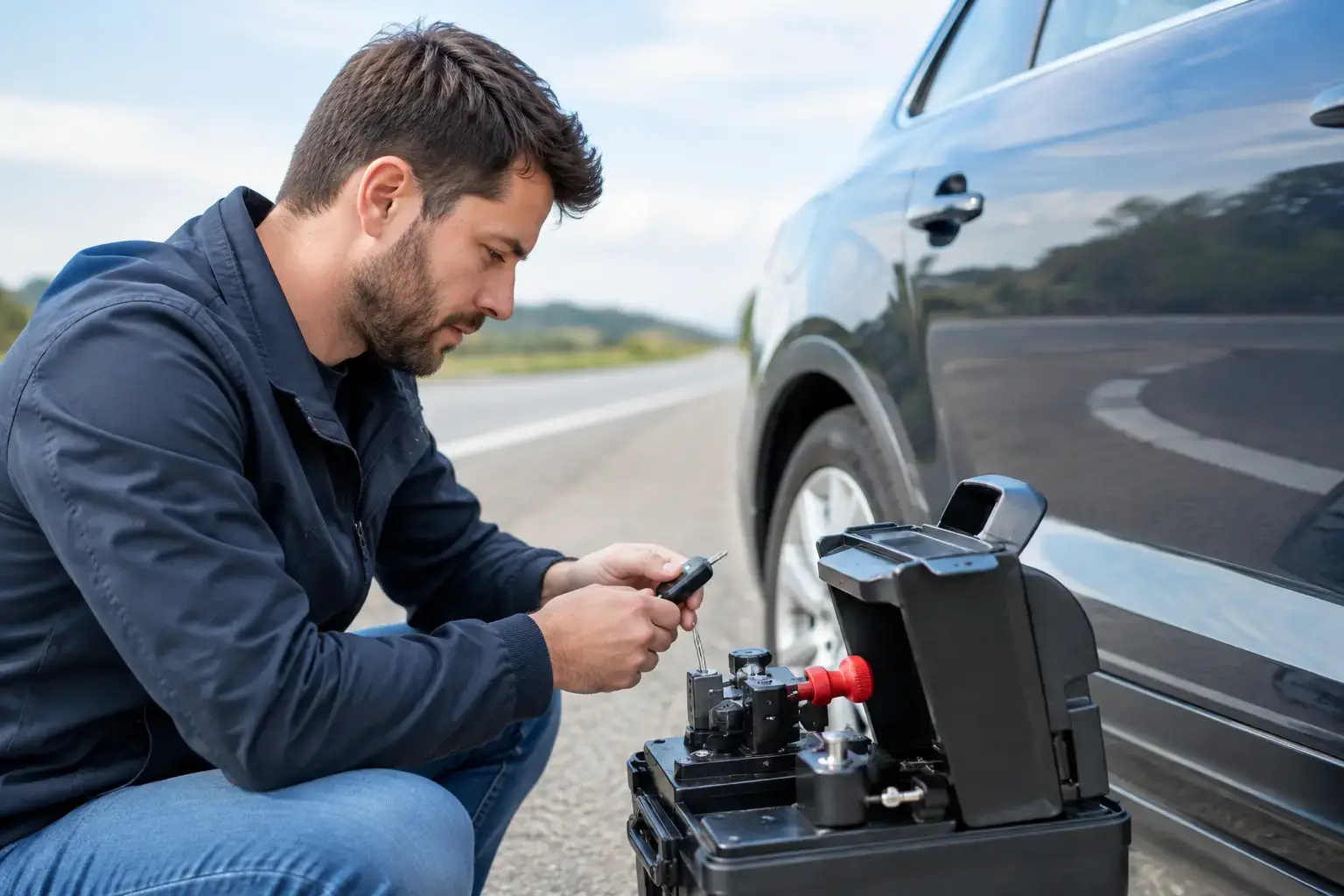
Why is my car unlocking itself? Learn the likely causes, safe checks and when a specialist auto locksmith can diagnose the fault without causing damage.
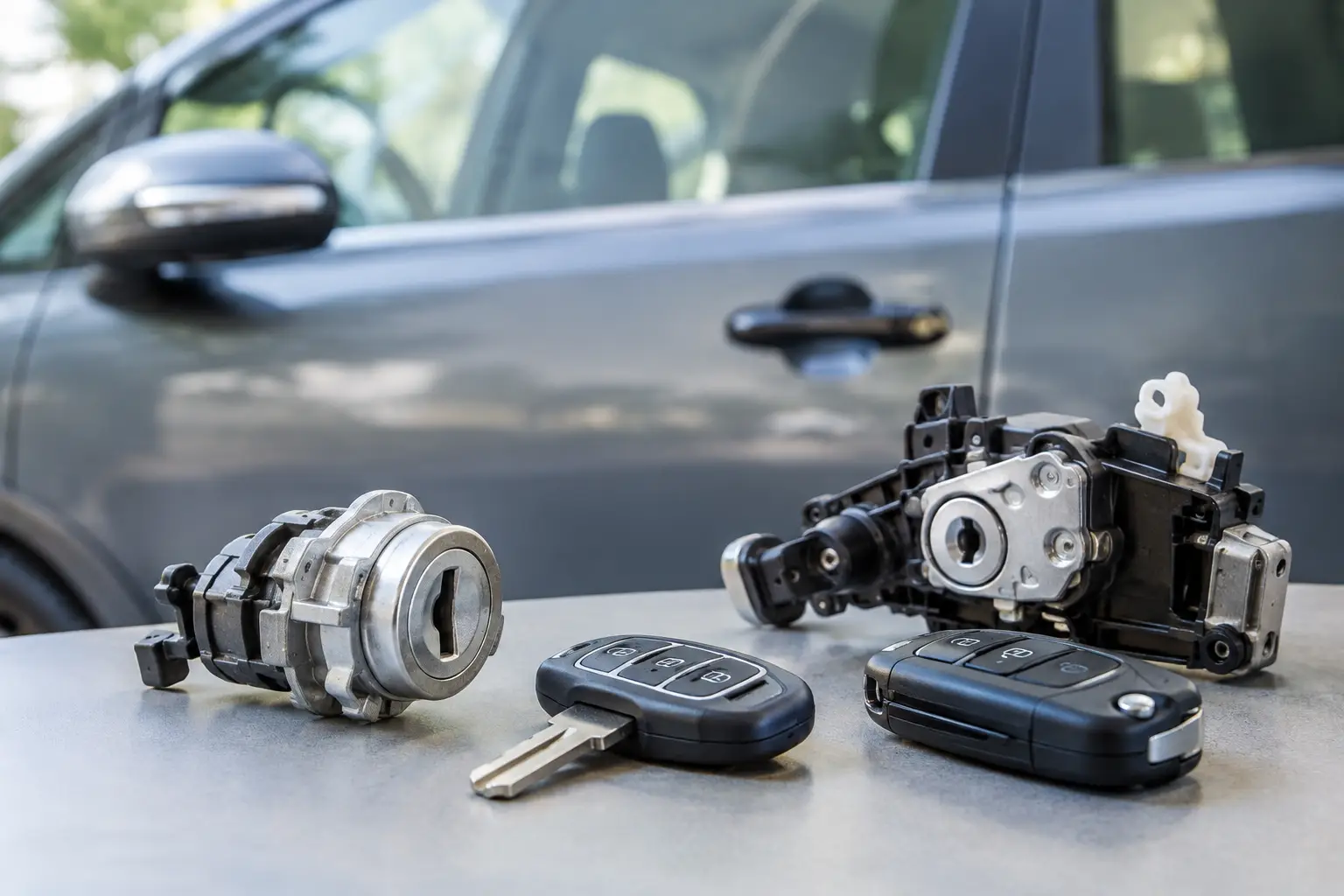
Lock Repair Versus Replacement for Your Car
A car door that will not open, a key that sticks in the barrel, or central locking that only works on one side can stop your day quickly. With lock repair versus replacement, the right answer depends on what has actually failed – the key, the mechanical lock, the linkage inside the door, the actuator, or the vehicle’s electronic security system.
For drivers across Glasgow, Cumbernauld, Paisley, Ayrshire and Greenock, the priority is usually straightforward: get back into the vehicle without unnecessary damage or an unnecessary bill. A proper diagnosis comes first. Replacing parts before identifying the fault can create extra cost and, on modern vehicles, may leave you with locks or keys that no longer work together as they should.
Lock Repair Versus Replacement: Start With the Fault
A vehicle lock is more than the visible keyhole in the door. Older cars may rely heavily on mechanical barrels and linkages, while newer vehicles combine remote locking, proximity keys, immobilisers, door actuators and control modules. One symptom can have several possible causes.
For example, if your remote fob will not open the car but the emergency blade key does, the door lock may be perfectly sound. The fault could be a flat fob battery, damaged buttons, a cracked fob shell or a programming issue. Equally, if the key turns but the door stays locked, the barrel may be working while the linkage or actuator behind the door trim has failed.
This is why a specialist auto locksmith should inspect the key and lock operation before advising on replacement. Non-destructive entry can allow access to the vehicle, after which the problem can be checked properly rather than forcing the lock or damaging a window, seal or door panel.
When Car Lock Repair Is Usually the Better Option
Repair is often the sensible route when the lock housing remains sound and the fault is limited to a worn or damaged component. It can preserve the original lock set and prevent the inconvenience of carrying separate keys for the door and ignition.
A worn mechanical key is a common example. Over years of use, the cuts on the blade can wear down. The key may need several attempts before it turns, or it may work in the ignition but not the driver’s door. Cutting a fresh key to the correct code or from a suitable original can restore reliable operation without changing the lock itself.
Repair may also be possible where a key fob shell has split, buttons have worn through, or the battery contacts have become loose. In many cases, the working circuit board and transponder chip can be transferred into a replacement shell. That means the car recognises the key as before, with no need to replace every part of the system.
Inside the door, a loose linkage, tired spring or minor actuator issue may be repairable depending on the vehicle and the condition of the components. If the lock has become dry or stiff, careful cleaning and suitable lubrication can help. Do not flood a vehicle lock with general-purpose oil, though. It can attract dirt, wash away suitable lubricant and make a short-term problem worse.
Repair is generally worth considering when:
- the key still turns, but operation is stiff or inconsistent;
- the lock has no signs of forced entry or major corrosion;
- the fault is isolated to the fob, linkage or a serviceable internal part; or
- retaining one matching key for the doors and ignition matters to you.
The key point is that repair should restore dependable security and daily use. A temporary adjustment that leaves the vehicle easy to access or likely to fail again is not a good repair.
Signs Replacement Is the Safer Choice
Replacement becomes the better option when the lock has been physically compromised, badly corroded, repeatedly repaired, or is no longer secure. A barrel damaged during an attempted theft can sometimes turn with almost any object, fail to retain the key correctly, or allow the key to be removed while the vehicle is running. Those are security concerns, not inconveniences to put off until later.
A snapped key can also change the decision. If a broken blade is removed cleanly and the lock is undamaged, repair or a new key may be all that is needed. If the key has snapped because the barrel was seized or internally worn, fitting a replacement lock may avoid another breakdown at the next stop.
Replacement is also sensible if the lock cylinder has suffered serious water ingress or corrosion. This is especially relevant on vehicles where the mechanical door lock is rarely used. Many drivers rely entirely on the remote fob for years, then find the hidden or exposed key barrel has seized when the fob battery goes flat. If freeing and servicing the barrel will not give a reliable result, replacement offers better peace of mind.
On some vehicles, the individual door lock can be replaced and matched to your existing key. On others, a replacement lock may need to be supplied as part of a set, or the key blade may need cutting separately. Modern cars add another layer: the transponder chip or proximity element must still be recognised by the immobiliser before the engine will start. A new metal blade alone does not solve an electronic key problem.
Do Not Confuse a Lock Fault With a Key Programming Fault
If the car opens but will not start, the issue may have nothing to do with the door lock. Most cars produced since the mid-1990s use an immobiliser system. The transponder in the key communicates with the vehicle, and the engine will only start when the correct coded signal is present.
Warning signs include an immobiliser light staying on, a key that turns the ignition but the engine will not crank or starts briefly and cuts out, or a replacement key that opens the doors but will not start the car. These faults need correct key cutting and transponder programming, not a new door barrel.
The reverse can also happen. A remote fob may fail while the transponder still starts the engine. Replacing or repairing the fob shell, battery or remote circuit may be enough. A specialist will separate the remote locking function from the immobiliser function before recommending work.
Cost, Convenience and Security All Matter
The cheapest option is not always the best value. Repair can cost less than replacement when the fault is minor, but only if the repaired part is likely to remain reliable. Replacement costs more where parts, door-strip removal, key cutting and programming are involved, yet it can be the sensible choice after vandalism, theft damage or repeated failure.
Convenience matters too. If a replacement door lock leaves you using one key for the door and another for the ignition, some drivers are happy to accept that. Others prefer the lock to be matched so one key operates the whole vehicle. Tell the locksmith what matters most before work begins – quick access today, a long-term repair, restoring original operation, or improving security after damage.
For company vans, tradespeople and families who depend on the vehicle every day, reliability should carry real weight. A lock that only works after several attempts is likely to fail at the least convenient time, often in poor weather or away from home.
What to Do When Your Car Lock Fails
Avoid forcing the key. Twisting hard can snap the blade in the barrel and turn a manageable job into a more involved one. Do not use screwdrivers, coat hangers or improvised tools to gain entry. Modern door frames, weather seals, airbags, wiring and deadlocks can be damaged easily.
If you are locked out, have lost your keys, or the key will not turn, keep the vehicle secure and call an automotive locksmith with the right equipment for non-destructive entry and modern key systems. Have the make, model, registration, location and a clear description of the fault ready. Proof of ownership may be needed before work can start.
Auto Locksmith Doctor Ltd provides specialist vehicle access, replacement keys, programming and lock support across West Central Scotland. A proper on-site assessment means you can make a clear decision rather than paying for replacement parts that do not address the real fault.
A stiff key or unreliable lock rarely improves by itself. Getting it checked while the vehicle is still accessible gives you more options, less disruption and a better chance of keeping your car secure.

Related Posts