Why is my car unlocking itself? Learn the likely causes, safe checks and when a specialist auto locksmith can diagnose the fault without causing damage.
Can Key Fob Casing Be Replaced? What to Know
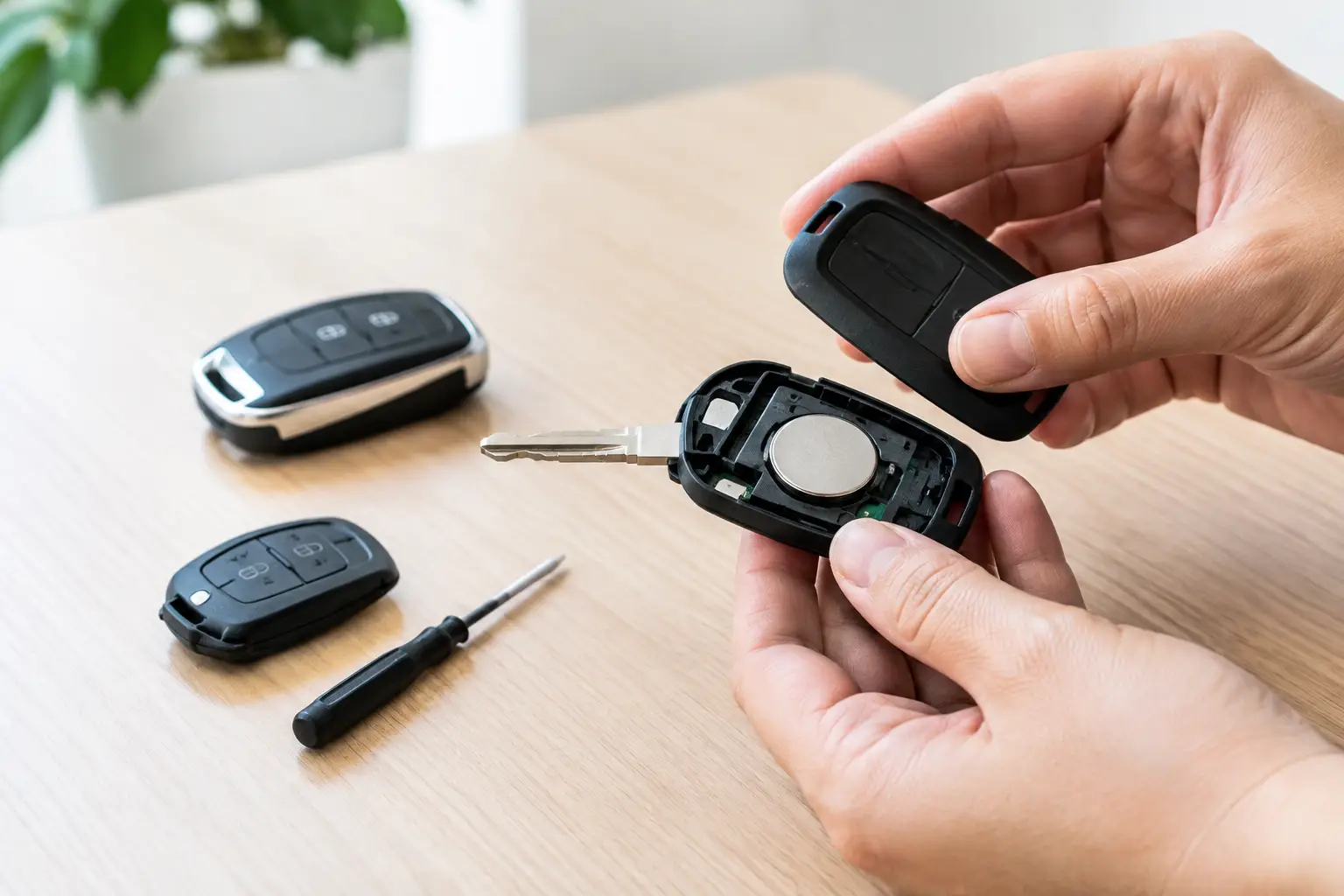
A cracked fob case does not always mean you need an expensive new car key. Can key fob casing be replaced? In many cases, yes. If the electronics, transponder chip and key blade are still working, a replacement shell can protect the working parts and get your key back to normal use.
The important part is knowing the difference between a worn casing and a faulty key. Modern vehicle keys often contain delicate circuit boards and immobiliser components. Moving these parts into the wrong shell, losing a small transponder chip or forcing a blade that does not fit can turn a simple repair into a no-start problem.
Can key fob casing be replaced without programming?
Usually, a casing replacement does not need programming. Programming is needed when the vehicle has to recognise a new electronic identity, such as a new remote circuit board, transponder chip or proximity key. A replacement casing is simply the outer housing.
Where the original circuit board and transponder are transferred correctly, the car should continue to lock, unlock and start exactly as it did before. This is why replacing a damaged shell can be a sensible and cost-effective option when the electronics are sound.
However, it depends on the key type. A basic remote key with a separate blade is generally straightforward. A flip key, smart key or keyless entry fob can be more involved, particularly where the emergency blade, battery contacts, button membrane and circuit board all need to line up precisely.
When a new key fob shell is the right repair
A replacement casing is worth considering when the fob has physical damage but still works reliably. Common examples include a split case, worn buttons, a loose key blade, broken key-ring loop or a battery cover that will no longer stay shut.
The casing is also often the cause when a key only works if you squeeze it together, the buttons have become difficult to press, or the circuit board is exposed after the shell has cracked. Leaving the board exposed to rain, dirt and pocket moisture can cause corrosion. What begins as a cosmetic issue can become a failed remote.
A proper shell replacement is particularly useful for drivers who have one working key and use it every day. It protects the key before it becomes an urgent problem outside work, at the supermarket or on the school run.
When the casing is not the real problem
Do not assume a new shell will cure every fob fault. If the remote has stopped working completely, the issue may be a flat battery, damaged circuit board, worn button switches, water damage or a lost connection inside the key.
If the car will unlock but will not start, the immobiliser chip may be missing, damaged or no longer being detected. On some keys, the transponder is a tiny separate glass or plastic component rather than part of the remote board. It must be moved into the new casing. If it is left behind in the old shell, the engine may crank but not start.
Likewise, a snapped key blade needs more than a plastic shell. The blade may need cutting or repairing, and the lock should be checked if the break happened while the key was in the ignition or door. Forcing a broken blade can damage the lock barrel and create a larger repair.
With keyless start systems, the vehicle may display a ‘key not detected’ message even though the outer case looks fine. That points towards a battery, internal electronics or programming issue rather than the casing itself.
The risks of fitting a replacement fob casing yourself
Replacement shells are widely available, but they are not all made to the same standard. A shell that looks almost identical can have different internal clips, blade position, battery holder or button layout. Poorly fitting cases can put pressure on the circuit board or leave the buttons permanently pressed.
The biggest risk is the immobiliser transponder. It can be easy to overlook, especially on older remote keys where it sits separately in a small recess in the plastic. Without it, the remote locking might work but the vehicle will not start.
There is also the key blade to consider. Some replacement casings accept your existing blade, while others come with an uncut blade that must be cut to match. The hinge pin on a flip key can be tight and awkward to remove without the right tools. If the blade is fitted at the wrong angle or the wrong pin is used, it may not fold correctly or may fail in the ignition.
A do-it-yourself swap can be reasonable where the shell is an exact match, the old fob opens cleanly and you are confident identifying every component. Stop if you find corrosion, broken solder joints, a damaged board, or a transponder that will not transfer securely. Saving money on a shell is not worthwhile if it leaves you stranded.
What an auto locksmith checks during a key shell replacement
A specialist auto locksmith does more than move the contents across. The key is checked before and after the repair to make sure the remote functions, the blade operates properly and the vehicle starts as it should.
The work normally involves opening the old fob carefully, transferring the circuit board and immobiliser chip, fitting the correct battery if required, and assembling an accurately matched shell. On a flip key, the blade and spring mechanism are fitted so the key opens and closes firmly. If the blade is damaged or the shell is unsuitable, a replacement key may be the better option.
This matters because vehicle security systems are unforgiving of missing or damaged components. A good repair should leave you with a key that feels secure in the hand, locks and unlocks consistently, and starts the car without warning lights or immobiliser issues.
Choosing between a new casing and a complete replacement key
The lower-cost option is usually a new casing when the original electronics are working. It avoids unnecessary programming and keeps the vehicle using the same recognised key.
A complete replacement key makes more sense when the board has water damage, the remote buttons no longer respond after a battery change, the transponder has been lost, or the original key is badly broken. It may also be the sensible choice if the only working key is becoming unreliable. Waiting until it fails completely often means more disruption and less choice.
For older vehicles, a separate remote fob and mechanical key may mean only one part needs attention. For newer cars with proximity keys, push-button start or keyless entry, diagnosis is more important because the fault can involve batteries, aerials, internal electronics or vehicle-side systems.
A quick check before you arrange a repair
Before treating the fob as a casing-only job, check whether the buttons still work, whether the vehicle starts, and whether there are visible cracks or loose parts. Try the spare key if you have one. If the spare works and the damaged key does not, that helps narrow down whether the issue is physical or electronic.
Avoid using tape as a long-term repair. It may keep the shell together for a short period, but it can trap moisture and makes battery changes harder. Keep both halves of a broken casing, especially if there is a small loose chip inside. That small part may be the immobiliser transponder.
For motorists across Glasgow, Cumbernauld, Paisley, Ayrshire and Greenock, Auto Locksmith Doctor Ltd can assess whether a key needs a straightforward shell repair, a blade repair or a fully programmed replacement. If your fob is cracked but still works, dealing with it now is usually quicker, cheaper and far less stressful than finding out it has failed when you need to drive.

Related Posts