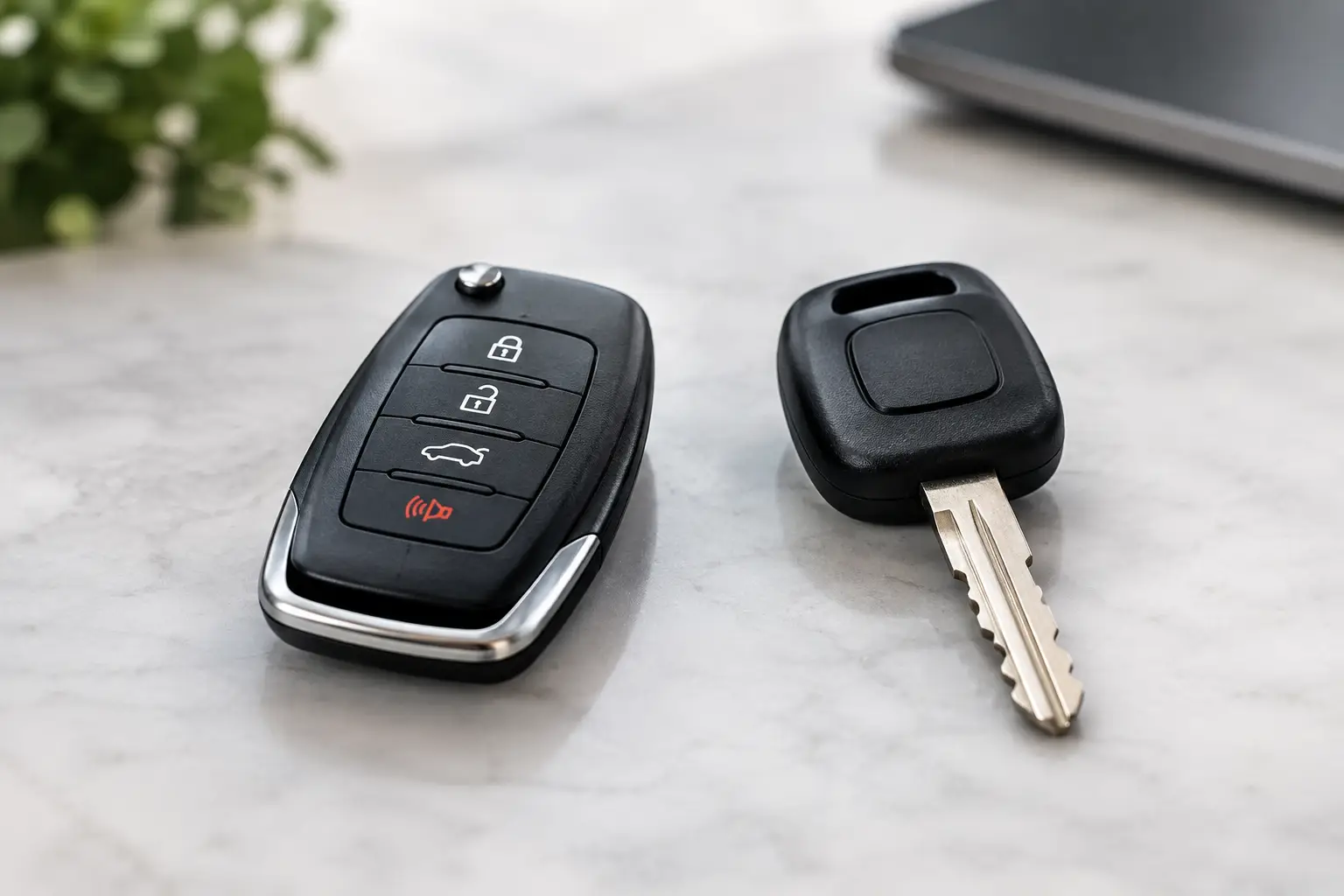
Smart key versus transponder key: learn how each works, what fails, replacement costs and when a Glasgow auto locksmith can get you moving again quickly.
How to Fix Car Central Locking Fast
When your car refuses to lock on the school run, outside work, or in a supermarket car park, it stops being a small annoyance and becomes a real problem. If you are searching for how to fix car central locking, the main thing is to work out whether the fault is with the key, the battery, the door lock itself, or the car’s control system before you start forcing anything.
Central locking faults are common across both older vehicles and newer models with remote fobs, proximity keys, and coded systems. Sometimes the fix is straightforward. Sometimes it needs proper diagnostic work. The trick is knowing which is which, so you do not turn a minor locking issue into a broken handle, damaged latch, or a car you cannot secure.
How to fix car central locking without making it worse
Start with the symptom, not the guess. If one door will not lock but the rest do, that points to a different issue than a car that will not respond at all. If the remote works intermittently, that often suggests a weak fob battery or a signal issue. If the locks click but do not move, the actuator or mechanism may be struggling.
Before doing anything else, try the spare key if you have one. This is one of the quickest ways to separate a key problem from a vehicle problem. If the spare works normally, the fault is usually in the original remote, its battery, its buttons, or its programming. If neither key works, the issue is more likely in the vehicle.
Next, check the obvious basics. A weak vehicle battery can affect central locking, especially on cars with multiple electronic control modules. If the car has been standing for a while, struggles to start, or shows other electrical oddities, low voltage may be part of the problem. It depends on the make and model, but modern cars can behave unpredictably when battery voltage drops.
The most common central locking faults
A flat key fob battery is the simple one, and it gets overlooked all the time. If your remote range has dropped, the buttons need repeated presses, or the car only responds occasionally, replace the battery first. Use the correct battery type and fit it carefully. On some keys, opening the shell roughly can damage clips or the circuit board.
The second common issue is a worn or damaged key fob. Buttons can split, the internal contacts can fail, or the shell can break so the battery no longer sits properly. In those cases, the electronics may still be usable, but the casing or switches need repair.
A failed door lock actuator is another regular fault. This is the small electric motor inside the door that physically locks and unlocks the mechanism. When an actuator starts to fail, you may hear a clicking noise, find one door lagging behind the others, or notice that one door remains stuck locked or unlocked.
Wiring faults also cause plenty of trouble, especially in the driver’s door where cables flex every time the door opens. Over time, wires can fray or break inside the rubber loom between the door and the body. That can leave you with intermittent locking, dead switches, or one door that behaves differently from the rest.
Then there are control module or programming issues. These are less common than battery or actuator faults, but they do happen. Some cars lose synchronisation between the key and the vehicle. Others develop faults in the central locking module itself. At that stage, guessing usually wastes time.
Checks you can do yourself
If your central locking has stopped working, begin with a calm process. Check whether the car locks and unlocks from the interior switch, from the remote, and with the mechanical key blade if your key has one. That gives you useful clues.
If the remote does nothing but the mechanical key still operates the lock, the car may be fine and the remote may not be transmitting. If the interior switch works but the remote does not, look closely at the key fob battery, key damage, or reprogramming. If one door does not respond but others do, suspect that individual actuator, latch, or door wiring.
Listen carefully as well. No sound at all can point to no power, a blown fuse, or a dead remote. A repeated clicking sound suggests the system is trying to work but the lock mechanism is stiff or the actuator is too weak. A grinding or crunching sound means stop there, because forcing it further can break parts inside the latch.
You can also check the relevant fuse using the vehicle handbook. A blown fuse can cut power to the locking system, although if it has blown there may be an underlying electrical fault behind it. Replacing a fuse once is a test. Replacing it twice without finding the cause is asking for more trouble.
When the problem is only one door
Single-door faults are often mechanical or local electrical faults rather than a full system failure. The actuator may be worn out, the lock mechanism may be stiff with age, or the linkage inside the door may have come loose.
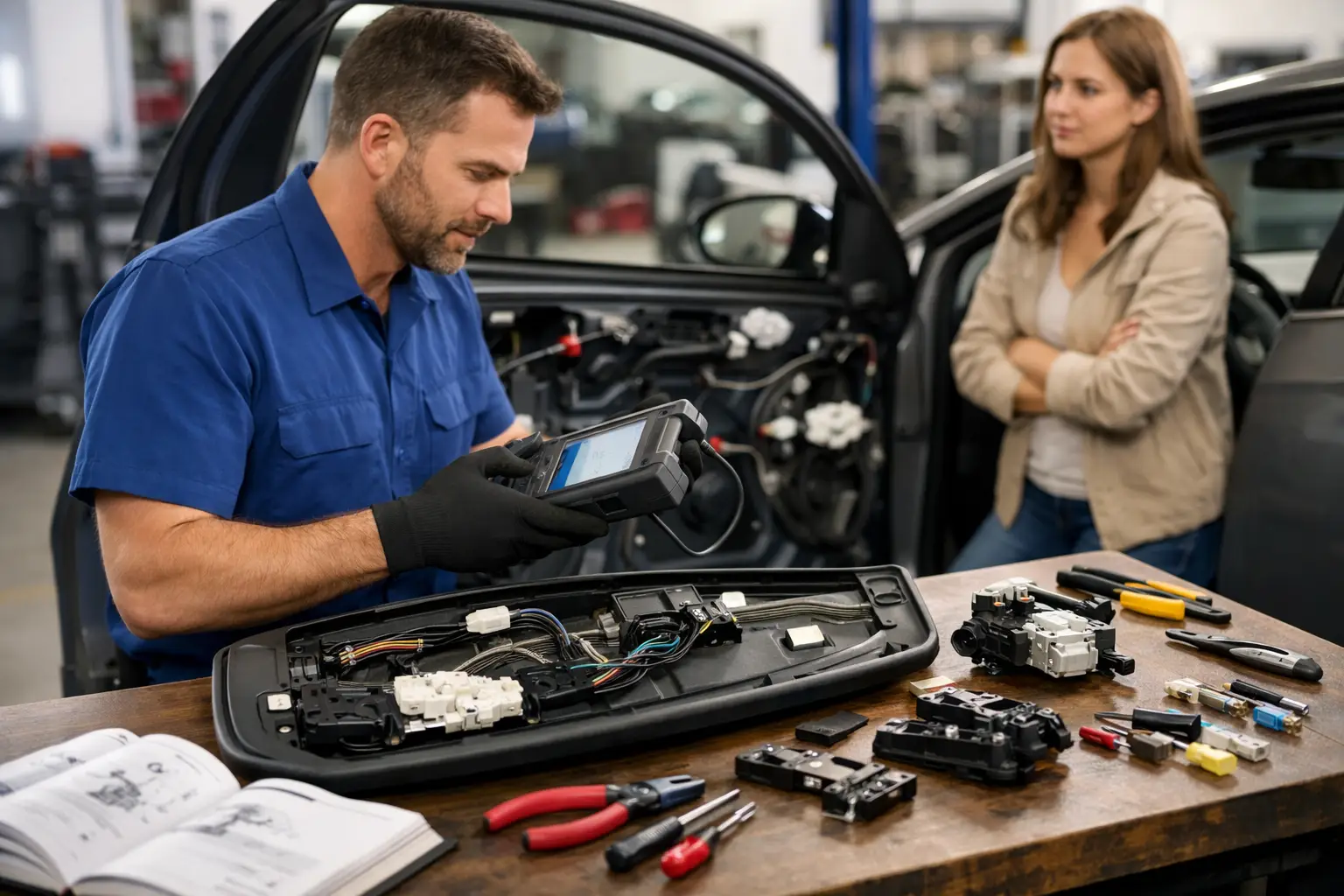
This is where many motorists get caught out. They remove a door card expecting an easy fix and then find hidden clips, airbag wiring, fragile trim, and moisture barriers that tear if handled badly. On some cars, even getting to the actuator is awkward. The part itself may not be expensive, but access can be fiddly and time-consuming.
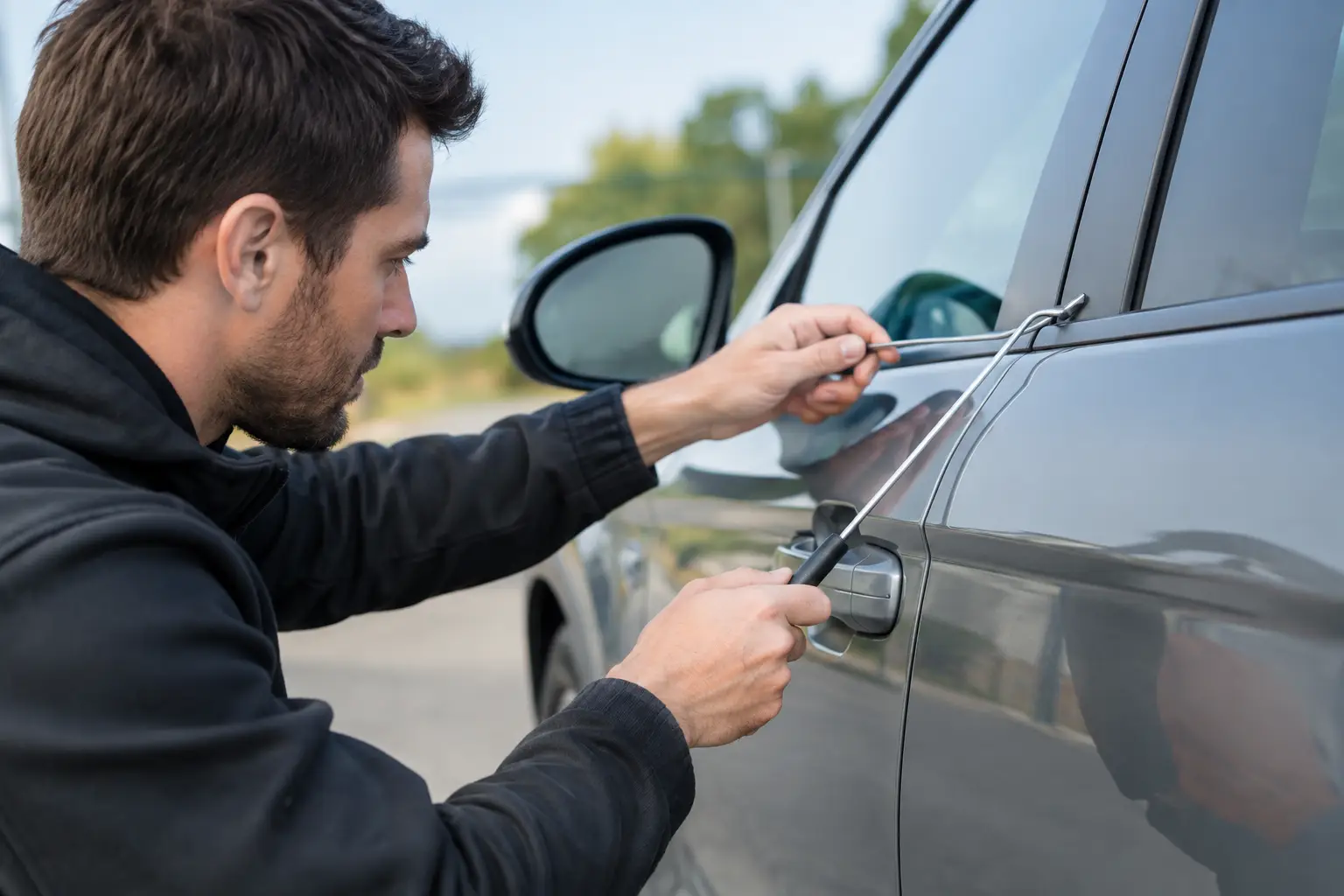
If the affected door is shut and deadlocked, access becomes harder again. You may not be able to open it from inside or outside, and forcing handles can snap them. In that situation, a specialist approach matters because the aim is to gain access and repair the fault without damage.
When the remote is the real issue
A lot of people assume the car has a central locking fault when the problem is actually the key. That is especially true with older remote fobs, flip keys, and worn proximity keys.
If the buttons feel soft, the shell is split, or the battery keeps losing contact, the remote may need repair rather than replacement. If the key has been dropped, got wet, or has signs of corrosion, the circuit board may be damaged. Some keys can be repaired or transferred into a new shell. Others need replacement and programming.
Programming is where DIY advice can get shaky. Some vehicles allow basic re-synchronisation steps. Others need specialist equipment to programme the remote properly to the car. If your car uses a transponder chip and immobiliser system, central locking faults can overlap with starting issues, and that is not a job for random internet guesses.
How to fix car central locking on newer cars
Newer vehicles add convenience, but they also add complexity. Keyless entry systems, body control modules, anti-theft software, and coded communication between components mean the locking system is rarely just a simple motor and switch setup.
That does not mean every repair is major. It does mean the right diagnosis matters more. A failing door handle sensor on a proximity system can look like a key issue. A low vehicle battery can trigger erratic locking behaviour. A software or coding fault can mimic a hardware problem.
For drivers in Glasgow and across West Central Scotland, the sensible move is usually to rule out the simple things first, then get specialist help quickly if the fault is affecting access, security, or the ability to use the car properly. Auto Locksmith Doctor Ltd deals with these faults on-site, which saves a lot of towing, waiting, and dealership back-and-forth.
When to stop and call a specialist
If your keys are locked in the car, the deadlocks are on, the remote has failed completely, or the car will not secure at all, it is time to stop experimenting. The same goes for jammed locks, snapped keys, or doors that will not open from either side.
There is a clear trade-off here. Trying a battery swap or checking a fuse is sensible. Pulling apart door trims in a car park, forcing a stiff lock, or buying parts before proper diagnosis often ends up costing more. A specialist auto locksmith can test the key, check the signal, inspect the lock behaviour, gain entry without damage, and tell you whether the issue is with the fob, the actuator, the wiring, or the car’s electronics.
That matters because central locking is not only about convenience. It is about security and access. If the car will not lock, it is vulnerable. If it will not unlock, you may be stranded. If the fault sits in both the locking and immobiliser side of the system, it can stop you driving altogether.
A good repair starts with the right diagnosis, not the loudest click or the cheapest part. If your central locking is playing up, deal with it early, avoid forcing anything, and get proper help before a small fault turns into a bigger one.

Related Posts