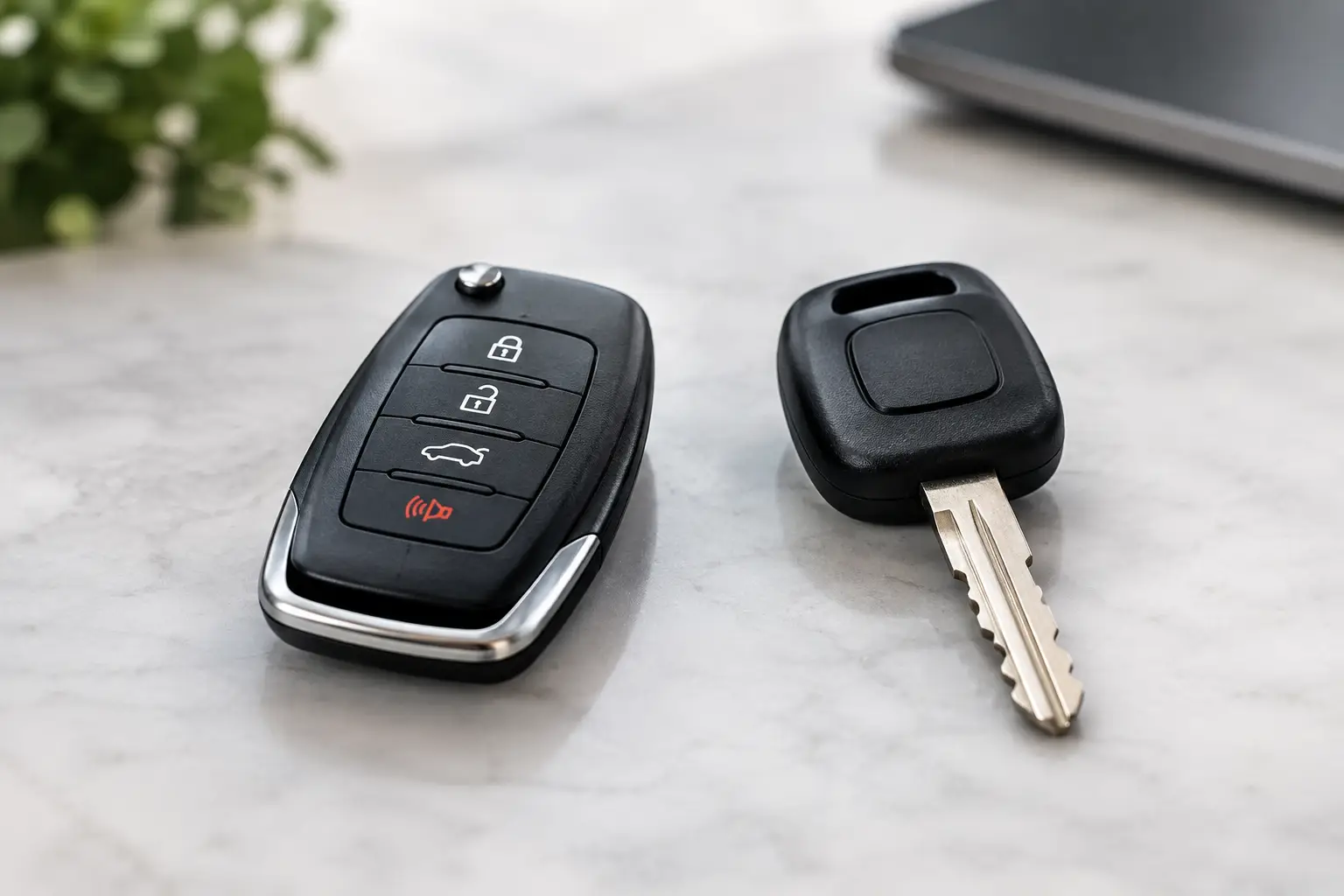
Smart key versus transponder key: learn how each works, what fails, replacement costs and when a Glasgow auto locksmith can get you moving again quickly.
How to Fix a Faulty Immobilizer in Your Car
Your car unlocks, the dashboard lights come on, but the engine will not start – or it fires briefly and cuts out. That is the frustrating point where many drivers search for how to fix faulty immobiliser problems. The good news is that the fault is often with the key, fob battery or vehicle battery rather than the immobiliser unit itself. The important part is diagnosing it properly before replacing parts that do not need replaced.
Modern immobilisers are designed to stop a vehicle being driven without an authorised key. They are effective security systems, but they rely on several components communicating correctly: the transponder chip in the key, the reader around the ignition or start button, the car battery, engine control unit and sometimes the body control module. A fault anywhere in that chain can leave you stranded.
What a faulty immobiliser looks like
The warning signs vary by make and model, but a flashing key, padlock or car-and-key symbol on the dashboard is the usual clue. Your engine may crank without starting, start for a second and then stop, or refuse to crank at all. With keyless cars, the vehicle may display a message such as “Key not detected” even when the fob is inside.
Do not assume every no-start is an immobiliser problem. A flat battery, starter motor issue, fuel fault or engine management problem can produce similar symptoms. The immobiliser warning light and the behaviour of a spare key give useful direction.
If the engine turns over strongly but will not run and the security light remains lit or flashes, the key is not being recognised. If nothing happens when you turn the key and the dash lights are weak, start with the vehicle battery instead.
How to fix a faulty immobiliser: checks you can make
There are a few sensible checks you can carry out without damaging the car or compromising its security. They may get you moving, but they are not a substitute for proper diagnosis where the fault keeps returning.
Try the spare key first
This is the quickest and most useful test. If the spare key starts the car, the vehicle’s immobiliser system is probably working and the original key has failed. It may have a damaged transponder chip, internal fob damage or lost programming.
A key can look perfectly fine while its chip has stopped responding. Dropping it, getting it wet or forcing a worn key into the ignition can cause internal damage. On many older keys, the transponder is separate from the remote-locking electronics, so a key may still lock the doors but fail to start the engine.
Keep the failed key. A specialist can often test it, recover useful parts or produce a correctly programmed replacement.
Check the fob battery, but know its limits
A weak fob battery is common on proximity and push-button-start vehicles. Replace it with the correct type, fitted the right way round, then try again. Check for corrosion or bent battery contacts inside the fob while it is open.
However, many traditional ignition keys use a passive transponder that does not rely on the remote battery to communicate with the immobiliser. If the remote buttons have stopped working, a new battery may restore central locking but not cure a no-start fault. That distinction can save time and money.
For keyless cars with a dead fob battery, there is usually an emergency starting position. It may involve holding the fob against the start button or placing it in a marked area in the centre console. The exact position depends on the vehicle, so check the handbook if it is available.
Rule out a weak vehicle battery
Low voltage causes strange electrical faults, particularly on newer cars with multiple control modules. The dashboard may light up, yet there may not be enough stable power for the immobiliser, steering lock and engine management system to complete their checks.
Look for slow cranking, dim lights, repeated clicking or warning messages appearing together. If safe to do so, test the battery voltage or use a suitable jump pack. Once the engine starts, the battery and charging system should still be checked. Repeatedly jump-starting a failing battery is not a lasting repair.
Use the key correctly and remove interference
With an ignition key, insert it fully and turn it gently. Do not force it. A worn ignition barrel or damaged key blade can prevent the key reaching the correct position, even though the actual immobiliser chip is fine.
On keyless vehicles, move other keys, access fobs and electronic devices away from the start area. Interference is not the most common cause, but it is easy to rule out. Try holding the fob close to the emergency reader position rather than leaving it in a bag or pocket.
What not to do when your immobiliser will not recognise the key
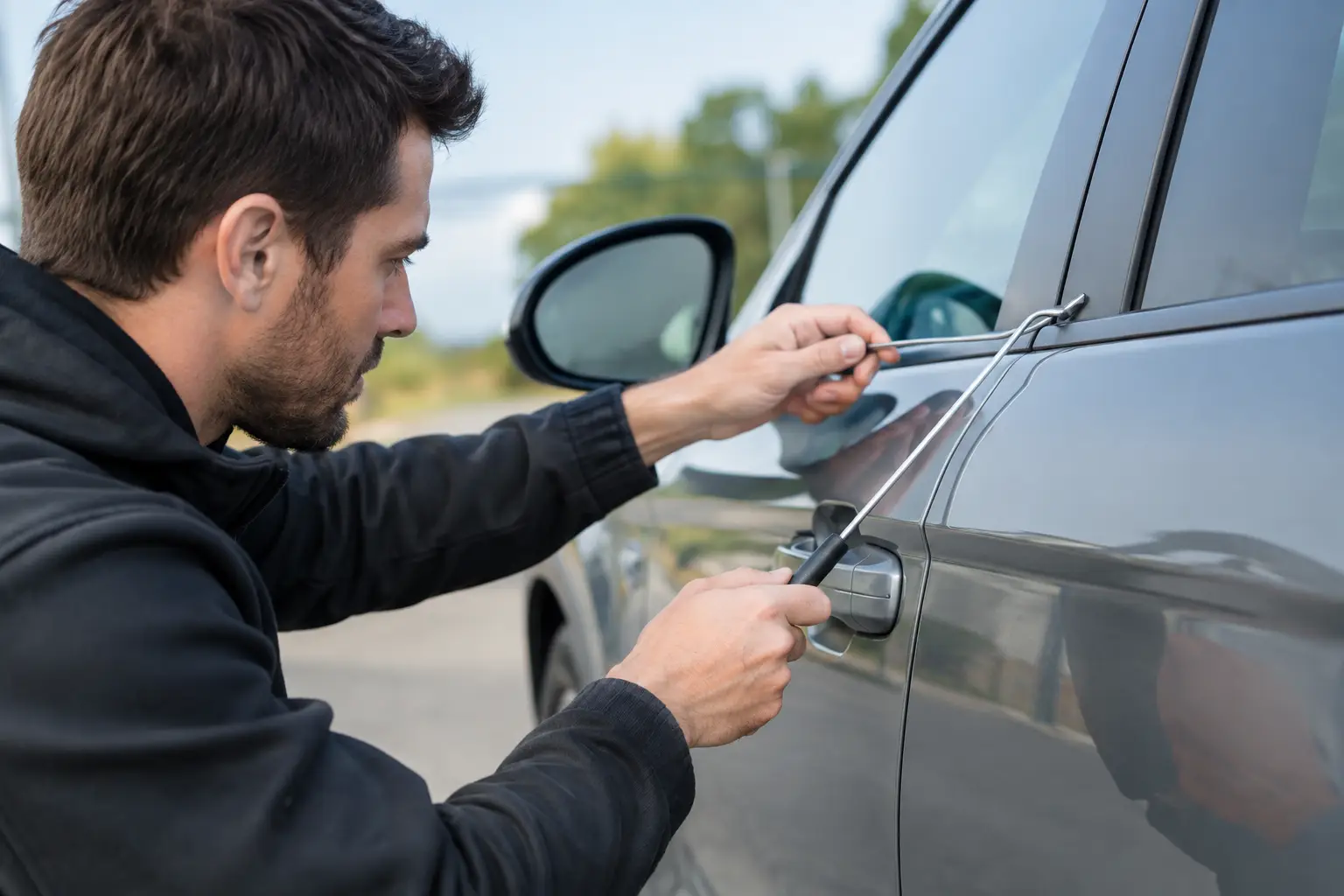
Avoid internet “bypass” tricks, wires under the dashboard and attempts to remove or defeat the immobiliser. Apart from risking damage to expensive control units, these methods can leave the car less secure, invalidate insurance and create a much larger repair bill. An immobiliser is part of the vehicle’s anti-theft protection, not an inconvenience to be worked around.
Do not keep trying to start the vehicle for long periods either. If the car is cranking but not starting, repeated attempts can drain the battery. If the key is physically sticking, forcing it can snap the blade or damage the ignition barrel.
Be cautious with second-hand keys bought online. A key may be the right shape but still require cutting, a new transponder chip and programming to the vehicle. Some used keys cannot be reused at all, depending on the make and system.
When the problem needs an auto locksmith
If neither key starts the car, the warning light remains on after checking the battery, or the vehicle says the key is not detected, it is time for specialist equipment. A proper diagnostic check can establish whether the fault lies with the transponder key, aerial ring, steering lock, wiring or one of the vehicle’s control modules.
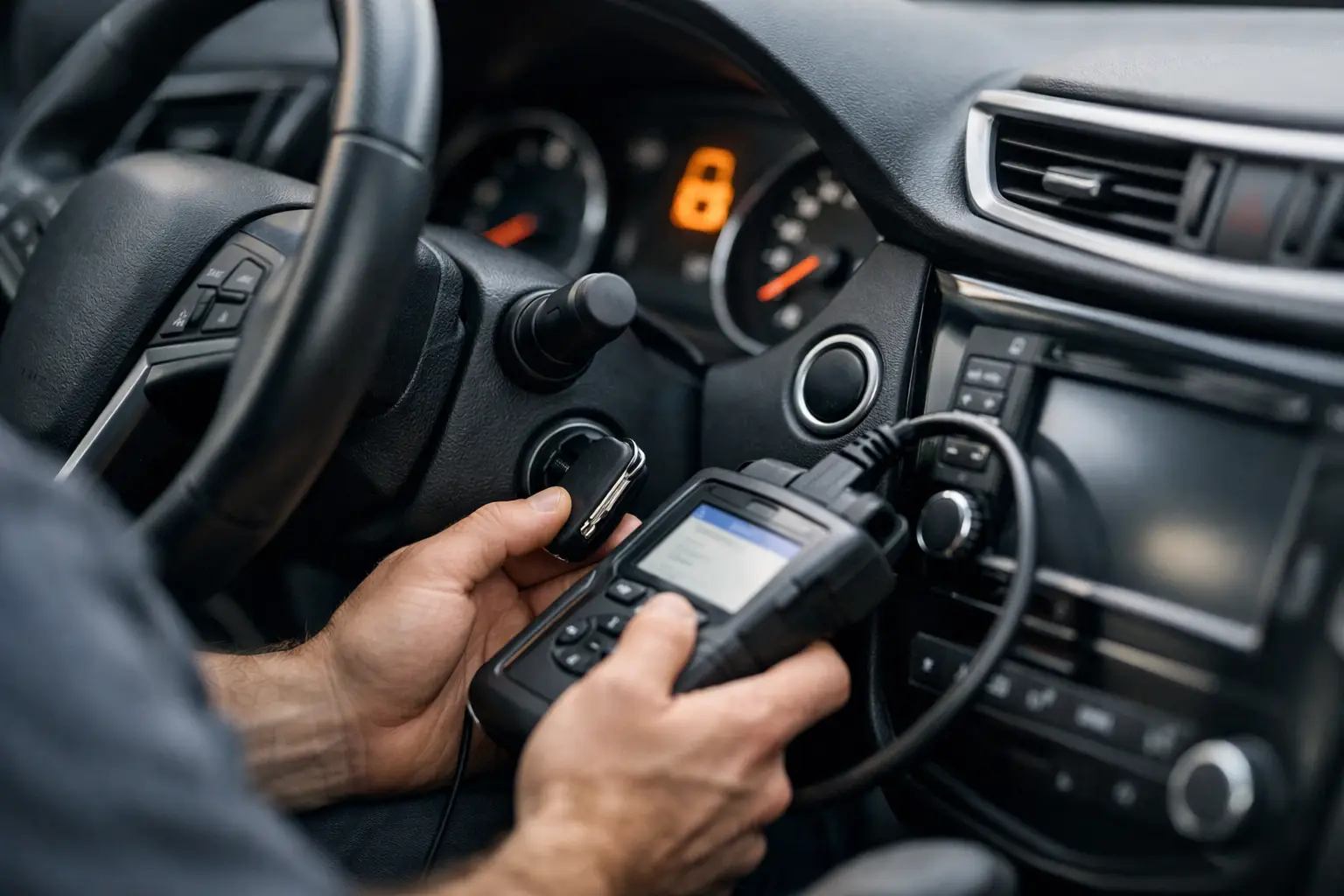
An automotive locksmith can test the key signal, cut a replacement blade where needed and programme a new transponder or remote key to the car. This is often more practical than recovering the vehicle to a dealer, particularly if you are stuck at home, at work or in a car park.
The process depends on the vehicle. Some cars allow a replacement key to be programmed through the diagnostic socket; others need the immobiliser data read from a module. For security, you should expect to show proof that you own or are authorised to use the vehicle before any new key is made.
A dealer can be the right choice for certain very new models, warranty work or faults requiring manufacturer software updates. But for lost, damaged or unprogrammed keys, a mobile auto locksmith can often resolve the issue on site and save the cost and delay of recovery.
Preventing the same fault from happening again
Once the vehicle is running, deal with the underlying cause rather than relying on luck. Replace a failing fob shell before the circuit board is exposed, keep a working spare key somewhere safe, and change a weak car battery before winter makes it worse. Avoid storing keys where they can be soaked, crushed or dropped repeatedly.
If the ignition is stiff, have it checked early. Continuing to use a worn key or barrel can turn a simple key issue into an access and ignition repair. For keyless vehicles, a fresh fob battery and a clean, undamaged fob are cheap prevention.
For drivers across Glasgow, Cumbernauld, Paisley, Ayrshire and Greenock, Auto Locksmith Doctor Ltd can assess immobiliser key faults, provide replacement car keys and programme compatible transponders at your location. If your car will not recognise its key, stop forcing it and get the right diagnosis before a small key fault becomes a bigger roadside problem.

Related Posts