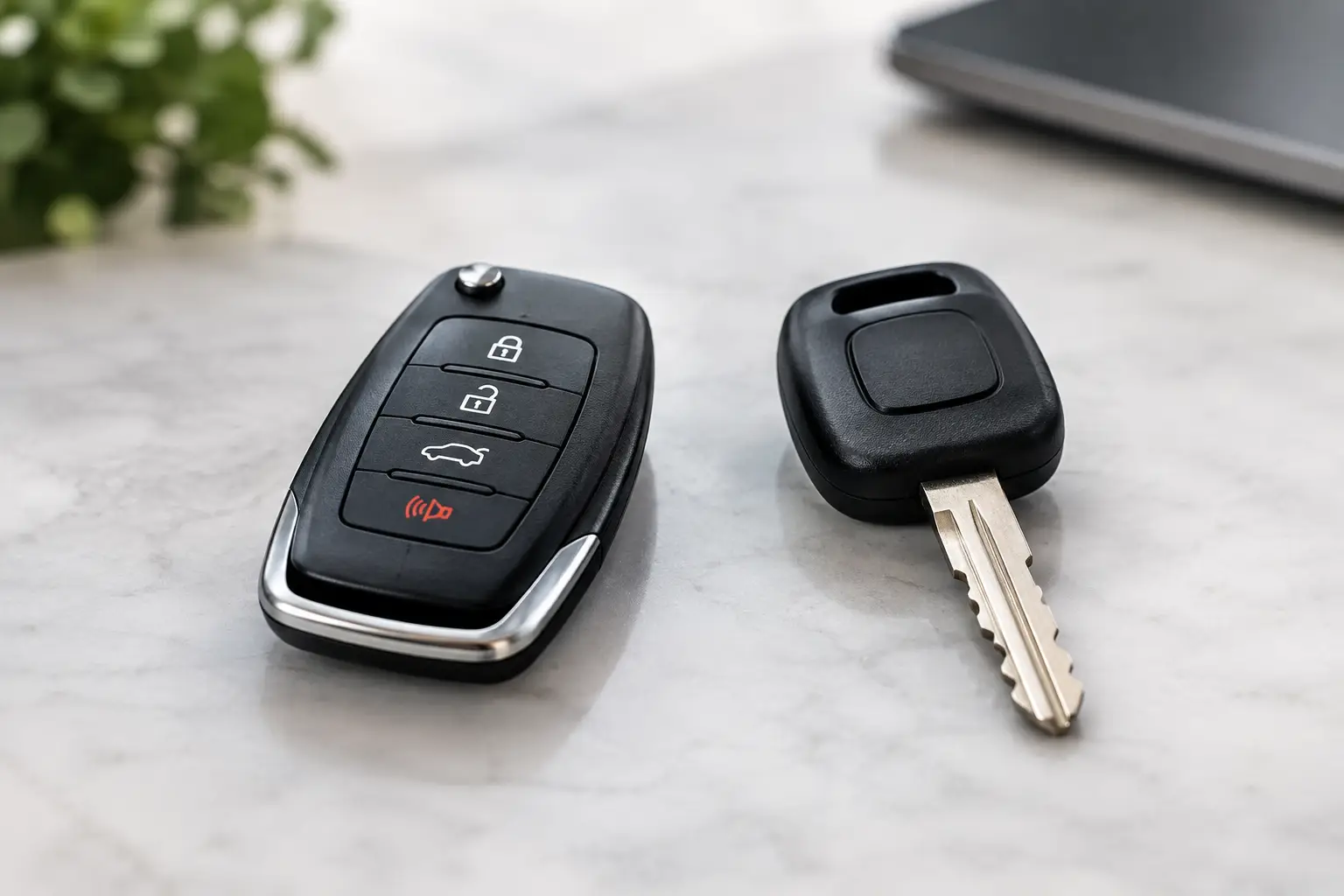
Smart key versus transponder key: learn how each works, what fails, replacement costs and when a Glasgow auto locksmith can get you moving again quickly.
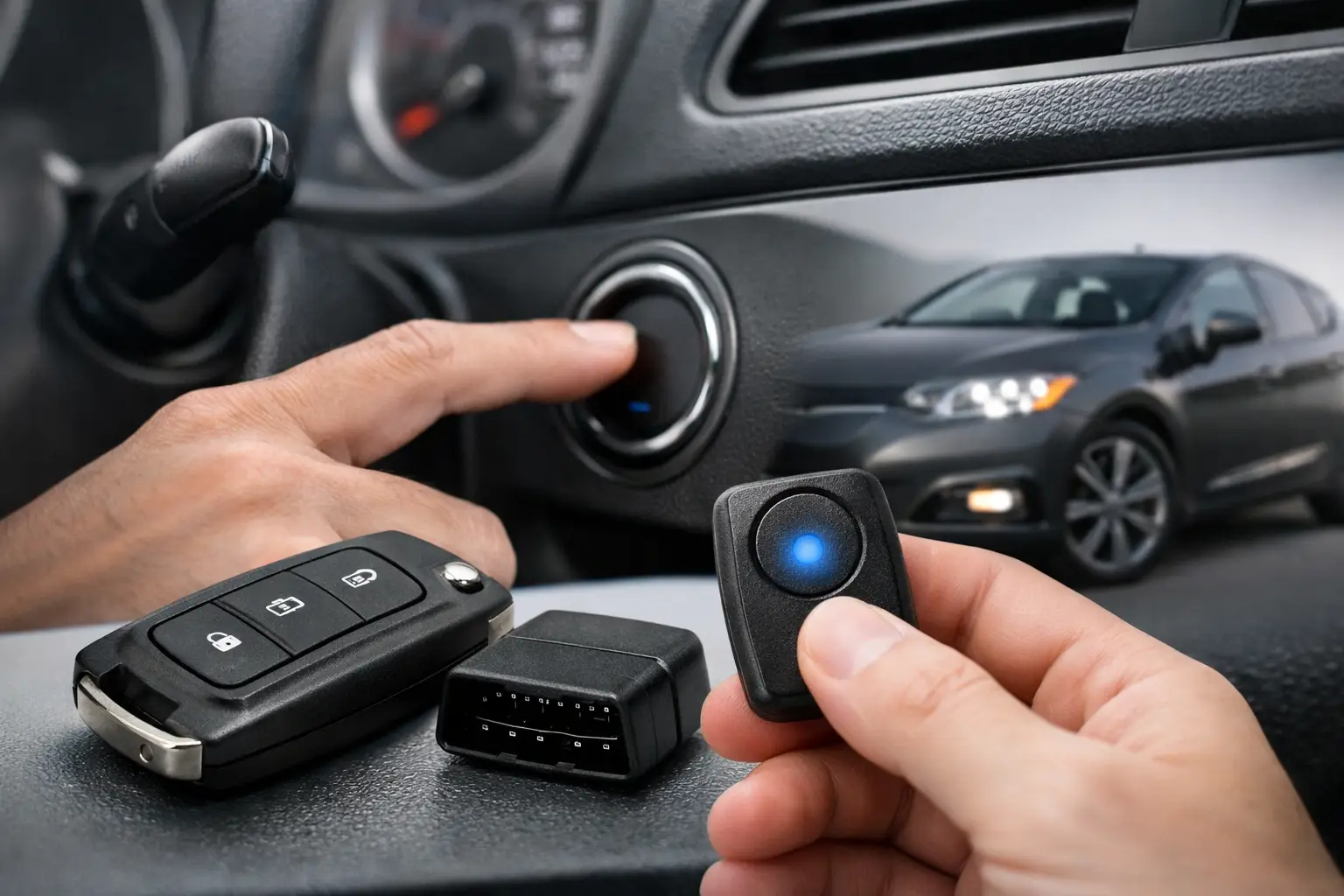
Guide to Modern Car Immobilizers for UK Drivers
A car can have plenty of fuel, a healthy battery and a key that turns normally, yet still refuse to start. For many drivers, that is the first encounter with an immobiliser. This guide to modern car immobilisers explains what the system is checking, why it can fail and what to do without making a frustrating problem more expensive.
For motorists across Glasgow, Cumbernauld, Paisley, Greenock and Ayrshire, an immobiliser fault often appears at the worst possible moment: on the drive before work, at a supermarket car park or while loading up for the school run. The good news is that many faults can be diagnosed and resolved on site by a specialist auto locksmith.
What a modern car immobiliser actually does
An immobiliser is an anti-theft system that prevents the engine from starting unless the vehicle recognises the correct key or fob. It is not the same thing as central locking. Your remote buttons may lock and unlock the doors perfectly while the car still refuses to start because the coded part of the key has not been accepted.
On most cars built from the late 1990s onwards, the key contains a small transponder chip. When you put the key in the ignition, or bring a proximity key into the vehicle, an aerial around the ignition barrel or inside the cabin reads that chip. The vehicle’s security module compares the code against its stored data. If it matches, the engine is authorised to start.
With keyless systems, the process is more complex. The car and fob communicate electronically before the start button will work. These systems are convenient, but they rely on a working fob battery, a correctly programmed key and a healthy vehicle electrical system.
The system is designed to stop a thief starting the car with a copied metal blade or by damaging the ignition. It is highly effective, but it also means a damaged, unprogrammed or poorly copied key will not get you moving.
Guide to modern car immobilisers: the key parts involved
The immobiliser is not one single component. It is a group of parts that need to communicate properly. The coded transponder or proximity fob is the part drivers see, but the vehicle also has a reader, an immobiliser control unit and an engine control unit. Depending on the make and model, those modules may be separate or built into another system such as the dashboard, body control module or steering lock.
That is why there is no one-size-fits-all fix. A Ford, Vauxhall, Volkswagen, BMW or Renault may show a similar warning light but need a different diagnostic approach. The correct solution depends on the vehicle, its year, its key type and what has happened before the fault appeared.
For example, a key that has been through the washing machine may have a damaged chip. A key that has snapped in the ignition may need more than a replacement blade. A car that stopped recognising both keys after a flat battery may have a voltage or synchronisation issue rather than a faulty transponder.
Transponder keys
A transponder key usually looks like an ordinary car key with a plastic head. Inside that head is a chip containing an electronic identity. On many older systems, this chip does not need its own battery, so replacing the remote battery will not cure an immobiliser issue.
A replacement key must be cut accurately and programmed to the vehicle. A key can be physically cut well enough to turn the lock but still fail to start the engine if its transponder is missing or not correctly coded.
Remote keys and key fobs
Remote keys combine two functions: remote locking and immobiliser authorisation. The buttons control the doors, while the internal chip allows the car to start. These can fail independently. If the remote stops working but the engine starts, a fob battery or button issue is likely. If the doors open but the engine will not start, the immobiliser side needs checked.
A cracked fob shell is worth dealing with early. If the circuit board or transponder becomes loose, gets wet or is lost during a shell change, you may be left with a key that works only partly or not at all.
Proximity and keyless entry systems
A proximity key allows you to keep the fob in a pocket or bag while the car detects it and permits push-button starting. A weak fob battery can cause intermittent detection, particularly in cold weather. Some vehicles provide an emergency backup location where the fob can be held to the start button or placed in a specific compartment.
Your handbook can confirm the exact procedure for your model. If the car still does not recognise the fob after a fresh battery and the correct emergency-start method, the issue may be with the fob programming, aerial, vehicle battery or security module.
Signs that point to an immobiliser problem
An immobiliser warning is often shown as a key symbol, a padlock symbol or a flashing security light on the dashboard. The exact symbol varies between manufacturers, so the handbook is useful if you can access it.
Common signs include the engine cranking but not firing, the engine starting then cutting out after a second or two, a message saying key not detected, or a key that suddenly works only after several attempts. A push-button car may display a no-key warning even when the fob is inside the vehicle.
These symptoms are not proof on their own. A failing battery, starter fault, fuel issue or engine management fault can also prevent starting. The difference is that immobiliser faults tend to involve a security warning, a specific key-recognition message or a problem that affects one key but not the spare.
If you have a spare key, trying it is a sensible first check. Do not repeatedly force the original key in the ignition or keep attempting starts for an extended period. That will not reprogramme a key, and it can flatten the battery or add unnecessary strain to the starter.
Why car immobilisers stop recognising keys
The most common cause is damage to the key itself. Keys live hard lives. They get dropped, soaked, crushed in pockets, chewed by dogs and knocked against door frames. Even when the casing looks fine, the chip or internal circuit board may not be.
A weak vehicle battery is another frequent cause, especially after cold weather or a period when the car has not been used. Modern cars rely on stable voltage across several electronic modules. Low voltage can trigger warning lights, interfere with keyless detection or expose an existing fault.
Previous repair work can also matter. An aftermarket remote-start system, wiring repair, dashboard replacement or work around the ignition can affect components linked to the immobiliser. That does not mean the repair was necessarily done badly, but it gives a technician useful context.
There is also the simple issue of the wrong replacement key. Cheap online keys can be the wrong frequency, use the wrong transponder type or arrive with no programming. Some can be made to work, while others are false economy. The vehicle needs a compatible key, correctly cut and programmed with suitable equipment.
What you can safely check at the roadside
Start with the basics. Check whether the dashboard is showing a key, padlock or security message. If you have a spare key, try it once. For a remote or proximity fob, fit a good-quality new battery if the symptoms suggest a weak fob battery, making sure it is installed the correct way round.
If the vehicle battery seems weak, such as slow cranking, dim lights or multiple warning messages, address that first. A proper battery test is better than guessing. On a keyless car, check the handbook for the emergency fob detection position.
Avoid dismantling the ignition, prising open a key with unsuitable tools or attempting internet programming procedures at random. Immobiliser programming is security-sensitive. A mistake can leave the car unable to recognise any key and may increase the time and cost of the repair.
Never leave a working spare key hidden inside the vehicle to get around an immobiliser fault. Aside from the theft risk, it defeats the point of the security system and may affect insurance cover.
When to call a specialist auto locksmith
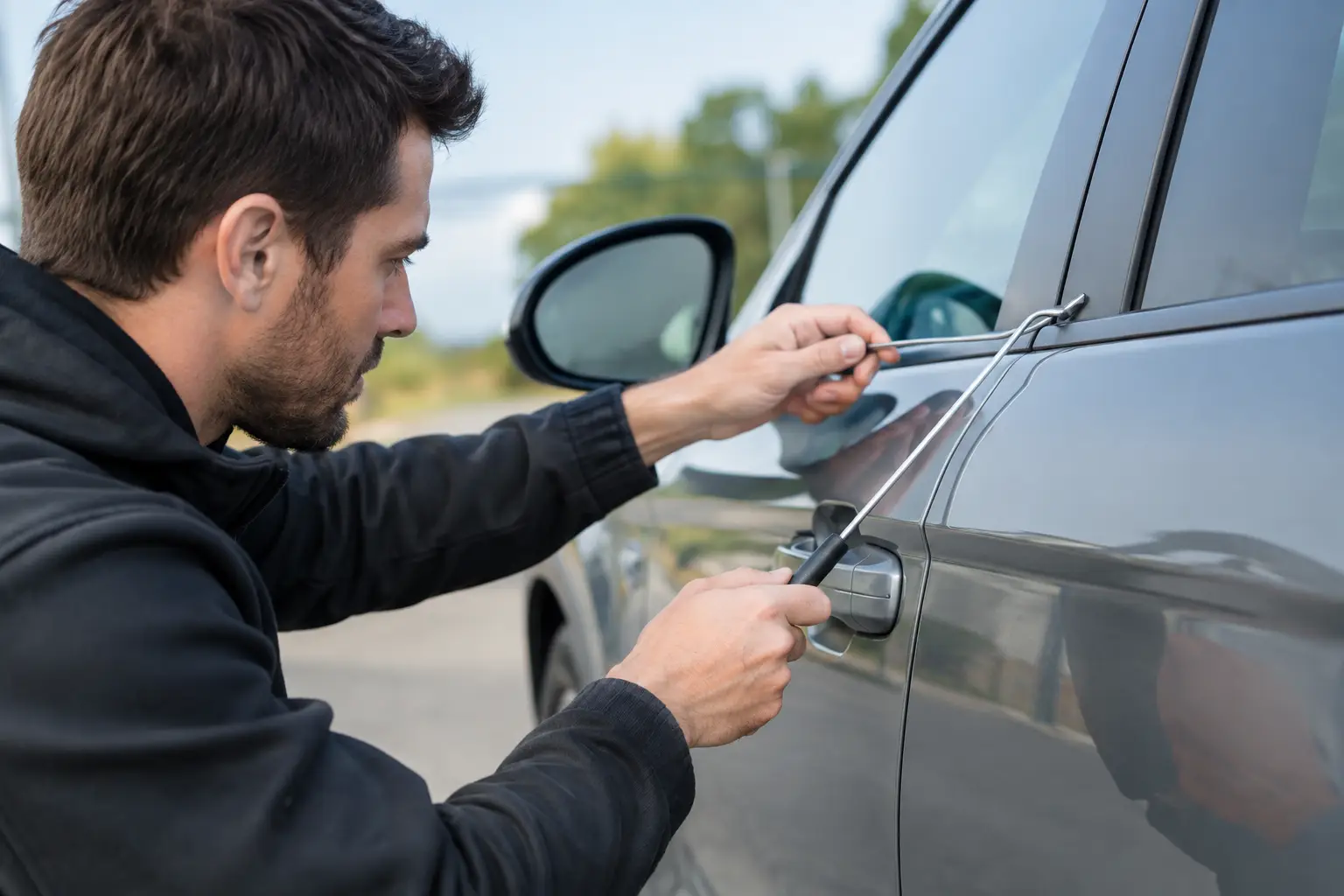
Call a specialist when the car will not recognise either key, the only key is lost or damaged, a broken key needs extracted, or a replacement has to be cut and programmed. This is where an automotive locksmith differs from a general locksmith: the work involves vehicle-specific key data, transponder programming and secure diagnostics as well as locks and entry.
A proper mobile service can assess the fault at the vehicle, gain non-destructive access if you are locked out, cut a replacement key where appropriate and programme it to the car. Not every vehicle or fault can be completed at the roadside, particularly where a control module has failed, but a clear diagnosis gives you a far better next step than guessing.
If you are stranded in West Central Scotland, Auto Locksmith Doctor Ltd can help with vehicle entry, replacement keys, transponder programming and fob problems. Bring proof of ownership and identification where possible. It protects you, your vehicle and the security process.
A spare key is cheaper than an emergency
The best time to arrange a spare coded key is when your existing key still works. It gives the new key a known working reference, avoids the pressure of a roadside emergency and protects you if your main key is lost, snapped or water damaged.
Keep the spare at home or with someone you trust, not in the glovebox and not on the same keyring. If your only key is beginning to stick, has damaged buttons or needs held in a particular position before the car starts, deal with it before it leaves you stuck. A small warning today is often the chance to avoid a missed shift, a recovery bill or a long wait tomorrow.

Related Posts