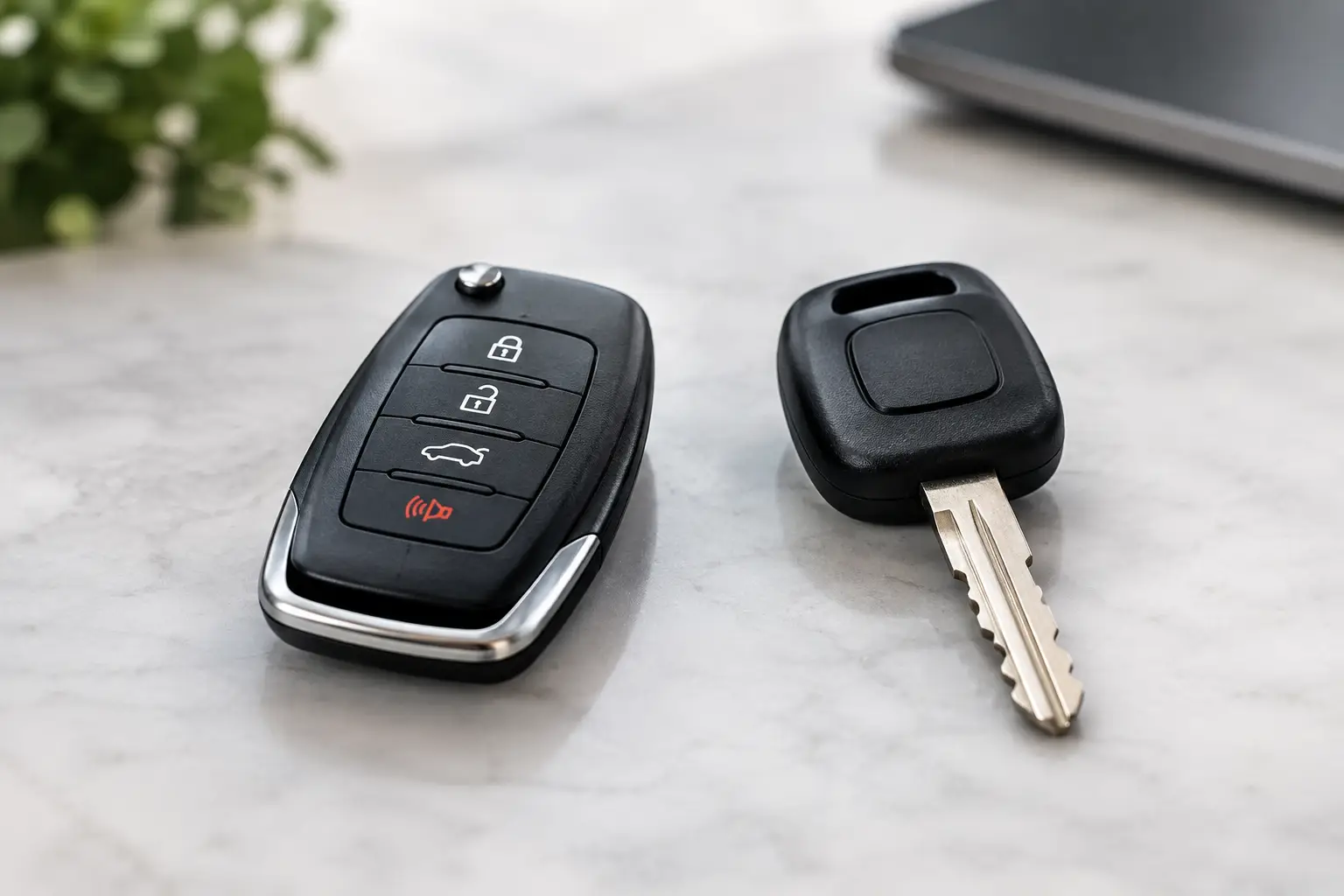
Smart key versus transponder key: learn how each works, what fails, replacement costs and when a Glasgow auto locksmith can get you moving again quickly.
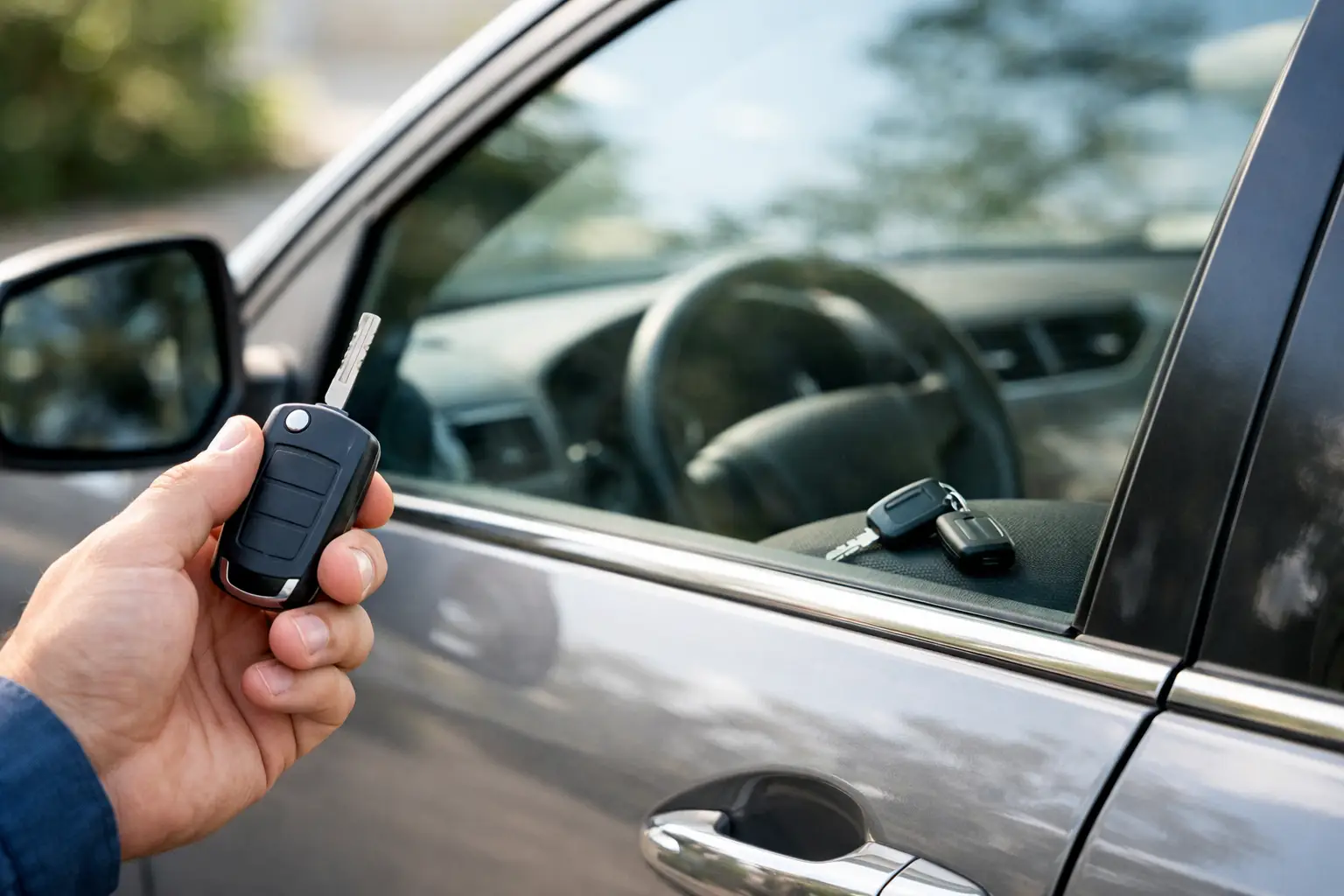
Best Ways to Prevent Lockouts From Your Car
A car lockout rarely happens at a convenient time. It is usually when you are outside the school, at a petrol station, loading tools for work, or parked at home with the engine running and the doors suddenly locked. The best ways to prevent lockouts are simple, but they need to become part of your routine – especially if you rely on your vehicle every day around Glasgow, Paisley, Cumbernauld, Ayrshire or Greenock.
Modern vehicles make life easier with remote fobs, proximity keys and central locking. They also introduce more ways for access to fail. A sensible plan protects you from the familiar keys-left-on-the-seat moment and from faults that can leave a perfectly good key unable to open or start the car.
Keep your key with you before every door closes
The most common lockout is still caused by a key left inside the vehicle. It can happen in seconds: you put a bag on the passenger seat, set the key down beside it, then close the door. Some vehicles automatically deadlock after a short period, while others lock when a button is pressed accidentally in a pocket or bag.
Build one habit: touch your key before shutting the final door. Keep it in the same pocket, ideally a zipped one, rather than loose in a handbag, work bag or centre console. If you are unloading shopping, securing a child seat or getting equipment from the boot, place the key on your person first. Do not leave it on a seat “just for a moment”.
Drivers with keyless entry should be particularly careful. A proximity fob may be in the car without being obvious, perhaps inside a jacket or bag. Check that you have the fob before closing the boot or walking away. Some cars will warn you, but warnings are not a guarantee.
Have a spare key that is ready to use
A spare key is one of the best protections against disruption, but only if it works and can be reached. A spare sitting in a kitchen drawer with a flat battery, damaged blade or unprogrammed transponder will not help when you are stranded in a supermarket car park.
Keep a properly working spare at home with someone you trust, rather than hidden on the vehicle. Hiding a key under a wheel arch, inside a magnetic box or behind a number plate is not a safe solution. It is an obvious target for theft and can create insurance problems if the vehicle is stolen.
For families sharing a car, make sure both regular drivers know where the spare is kept. For a tradesperson or small business with vans on the road, it is worth having a clear key handover process. Keys often go missing during rushed shift changes, vehicle collections and site visits.
Test the spare occasionally. It should mechanically open the door where applicable, operate the remote functions and start the vehicle. Many post-1995 cars use a transponder or proximity system linked to the immobiliser. A key can look correct, turn in the lock, and still fail to start the engine if its electronic chip has not been programmed properly.
Do not ignore a weakening key fob
A remote key that only works from a few inches away is giving you a warning. So is a fob that works intermittently, needs several presses, or only unlocks one door. Replacing the battery early is cheaper and easier than discovering the fob has failed during heavy rain or late at night.
Use the correct battery type and fit it carefully. If the battery is changed but the key still performs poorly, the issue may be a worn button, split fob shell, damaged circuit board or a fault with the vehicle’s receiver. Do not keep forcing buttons or tape a damaged fob together and hope for the best. A cracked shell can allow moisture in and damage the electronics.
It also helps to know whether your fob contains an emergency mechanical blade. Many keyless fobs do, but owners are often unaware of it until the remote battery goes flat. Check your handbook and practise removing the blade at home, not when you are locked out. Make sure the physical door lock has not seized through lack of use either.
Protect keys from water, impact and heat
Car keys are tougher than they look, but they are not indestructible. Avoid leaving them in wet clothing, dropping them repeatedly on hard surfaces or storing them on a dashboard in direct sunlight. Water damage can affect the electronics, and a bent or cracked key blade can damage the door lock or ignition.
If a fob goes through the wash, remove the battery if possible and do not repeatedly test it while moisture may still be inside. A specialist auto locksmith can assess whether the fob can be repaired, re-shelled or replaced before it becomes a full lockout or no-start problem.
Check central locking faults early
Not every lockout is human error. Faulty central locking can lock doors unexpectedly, refuse to unlock one side of the car, or cycle locks without warning. A door latch, actuator, wiring problem or weak vehicle battery can all affect how the locking system behaves.
Take notice if the car starts locking itself, if one door has to be opened from inside, or if the remote works inconsistently despite a fresh fob battery. These are not faults to leave until later. A small issue can become serious when the only working door will not open or the car deadlocks with the key inside.
If your vehicle has an older mechanical lock, use it from time to time. Door locks that are never used can become stiff or seized. Turning the key gently every few months helps reveal problems while you are safely at home. Never force a key in a resistant lock. Snapping it can turn a minor maintenance issue into an urgent callout.
Be careful during winter and short journeys
Cold, damp weather can expose weak batteries and stiff locks. In West Central Scotland, a frosty morning or prolonged rain can be enough to show up a tired vehicle battery, a failing fob battery or a sticking door mechanism. Keep your key dry, clear ice carefully around the lock, and avoid pouring boiling water over a frozen door or handle. Sudden temperature changes can damage glass and the water may freeze again.
Short journeys can also drain a vehicle battery over time, especially when heaters, lights and heated screens are in constant use. If the car battery is weak, central locking may behave unpredictably. You may still gain entry with the mechanical key, but a modern immobiliser-equipped vehicle may not start until the underlying battery issue is addressed.
Make a lockout plan before you need it
Prevention is not only about avoiding mistakes. It is about knowing what to do without making the situation worse. Save the number of a specialist automotive locksmith in your mobile phone and make sure anyone who regularly drives the car knows where the spare key is kept.
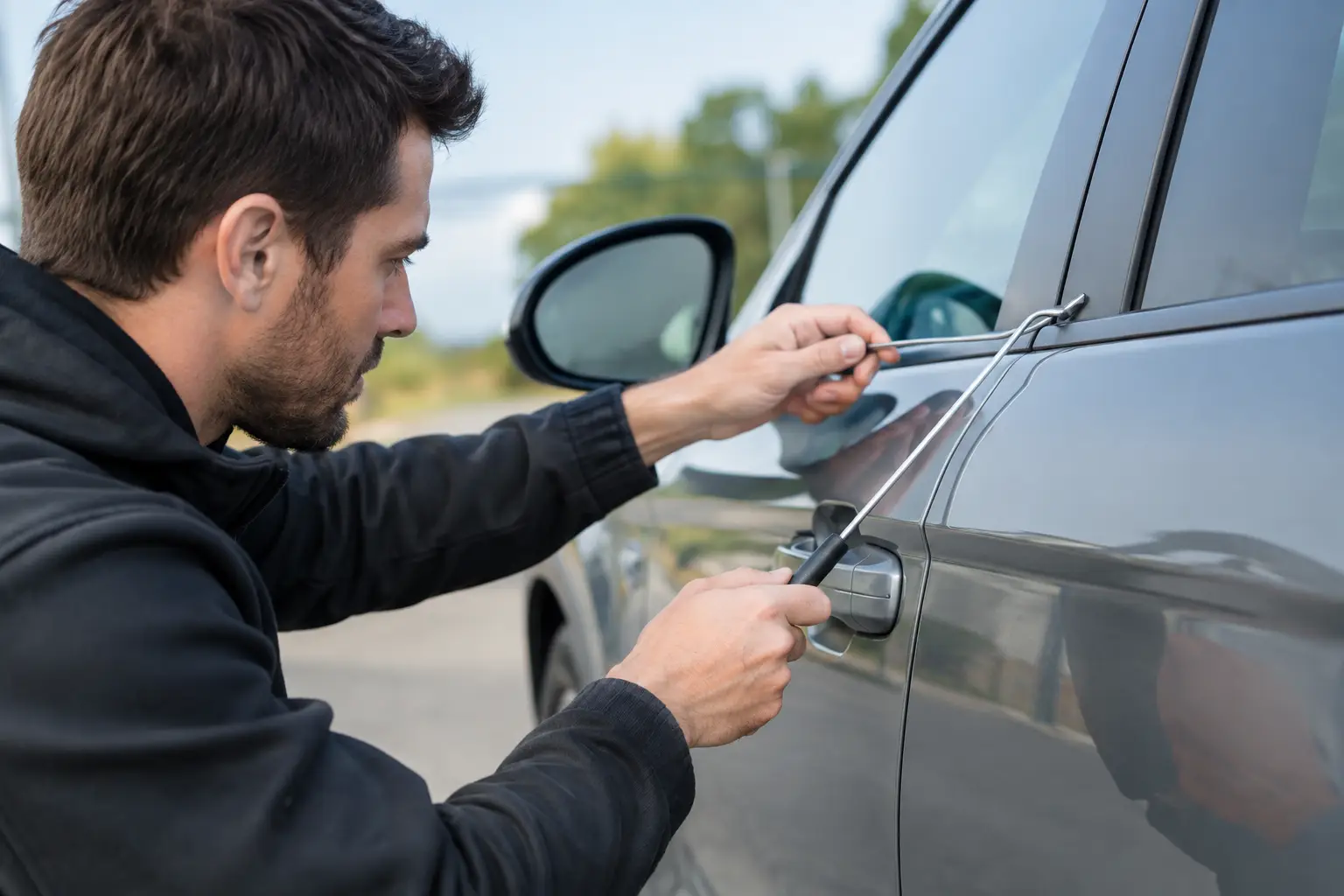
If you do become locked out, resist the temptation to force a window, bend a door frame, use coat hangers or pry tools, or break a quarter-light. These methods can damage weather seals, airbags, locking mechanisms and paintwork. The repair bill can quickly exceed the cost of professional entry.
A proper auto locksmith uses non-destructive vehicle entry methods wherever possible and understands the difference between older lock systems and modern coded keys. Auto Locksmith Doctor Ltd provides emergency vehicle access, replacement keys and programming support across West Central Scotland, including when a failed fob, damaged key or immobiliser issue is part of the problem.
Best ways to prevent lockouts: a quick routine
Before leaving the vehicle, take a second to check the key is in your hand or pocket. Keep a tested spare in a secure place away from the car. Replace weak fob batteries promptly, deal with damaged cases and sticking locks early, and do not dismiss unreliable central locking as an inconvenience.
That small routine takes less time than searching for a spare key in the rain. More importantly, it keeps a minor key or lock issue from turning into a missed appointment, a lost working day or a stressful roadside problem.

Related Posts