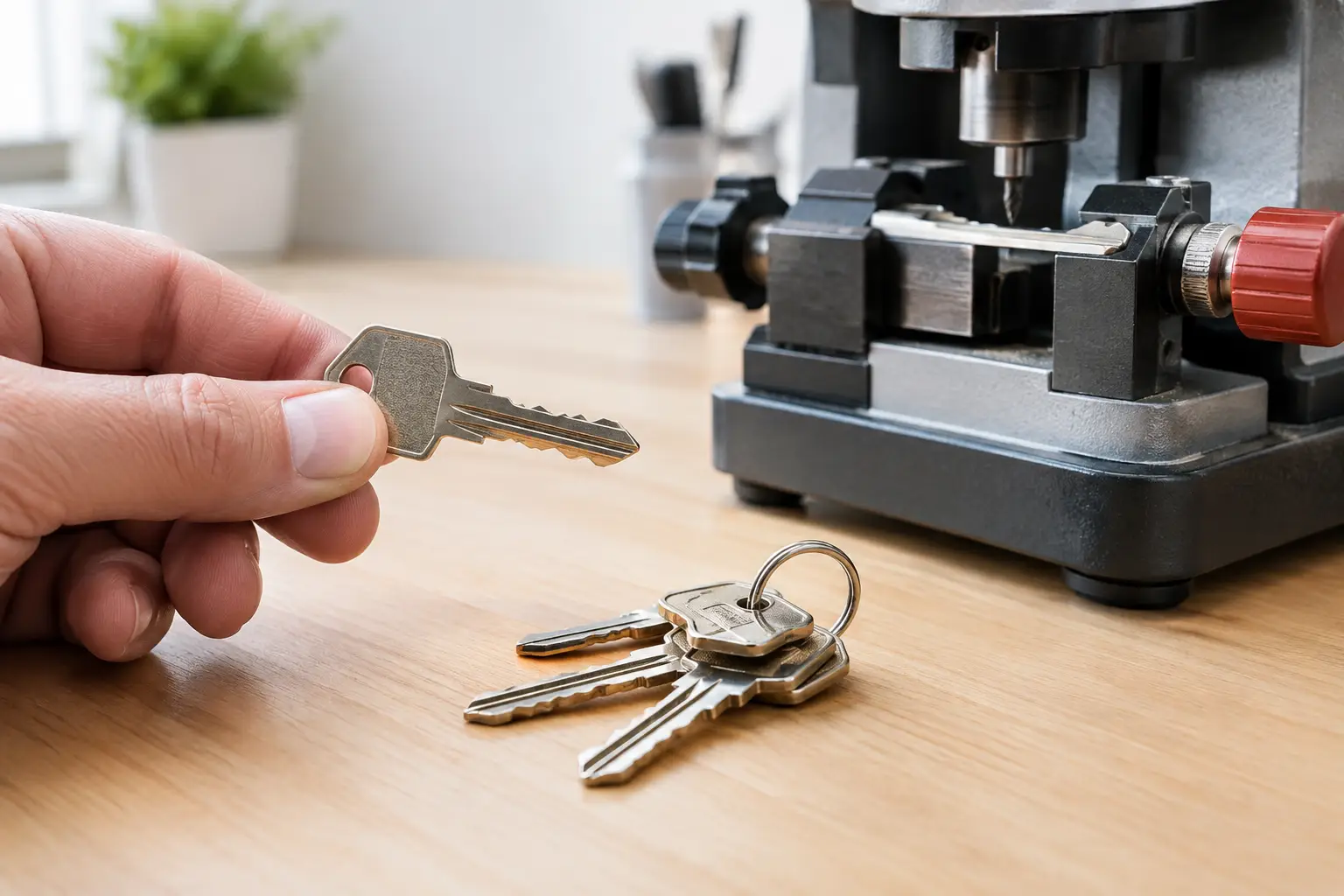
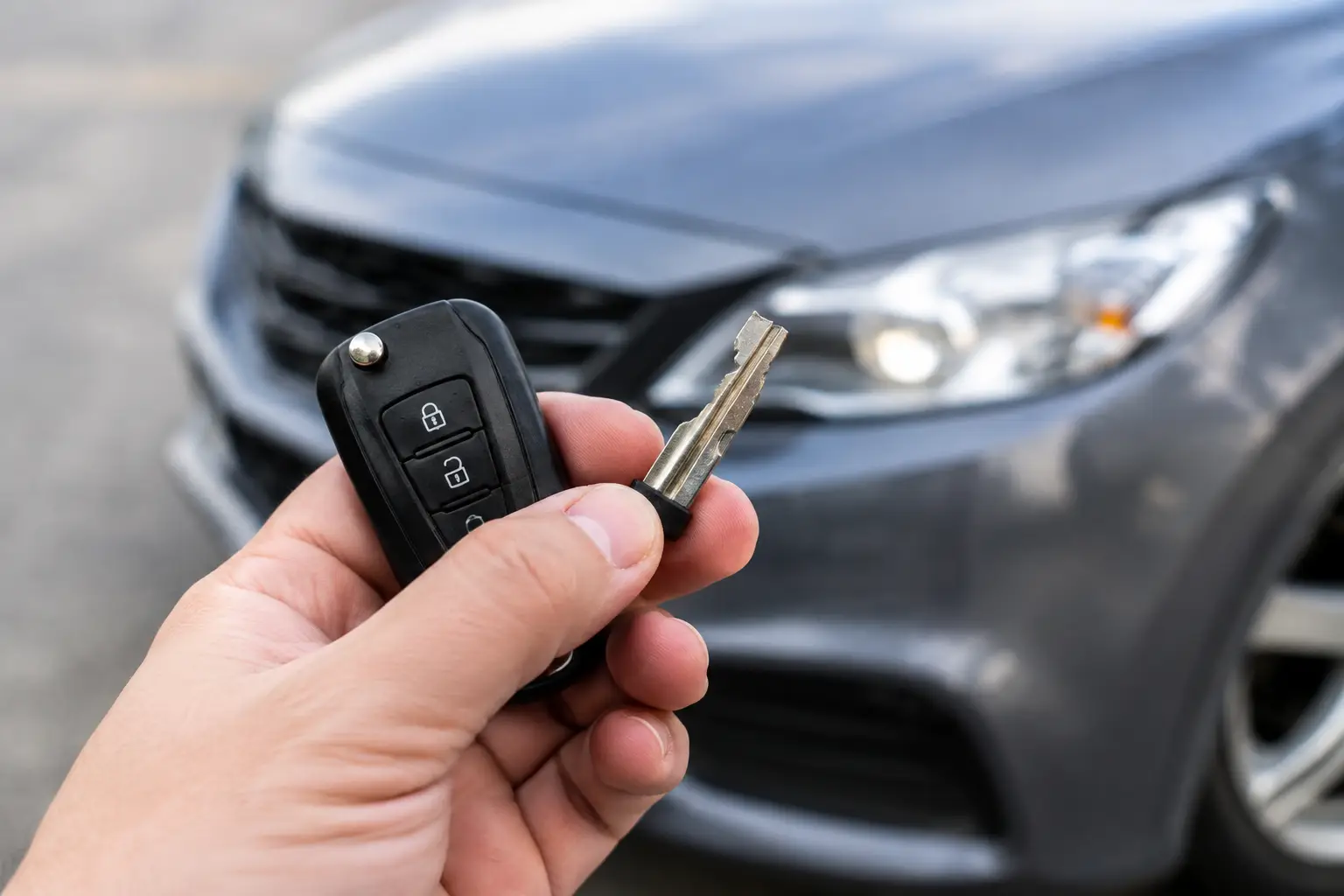
Does key cutting require original keys? Learn when a locksmith can cut a replacement from a code, lock or spare, including modern car keys. Fast.
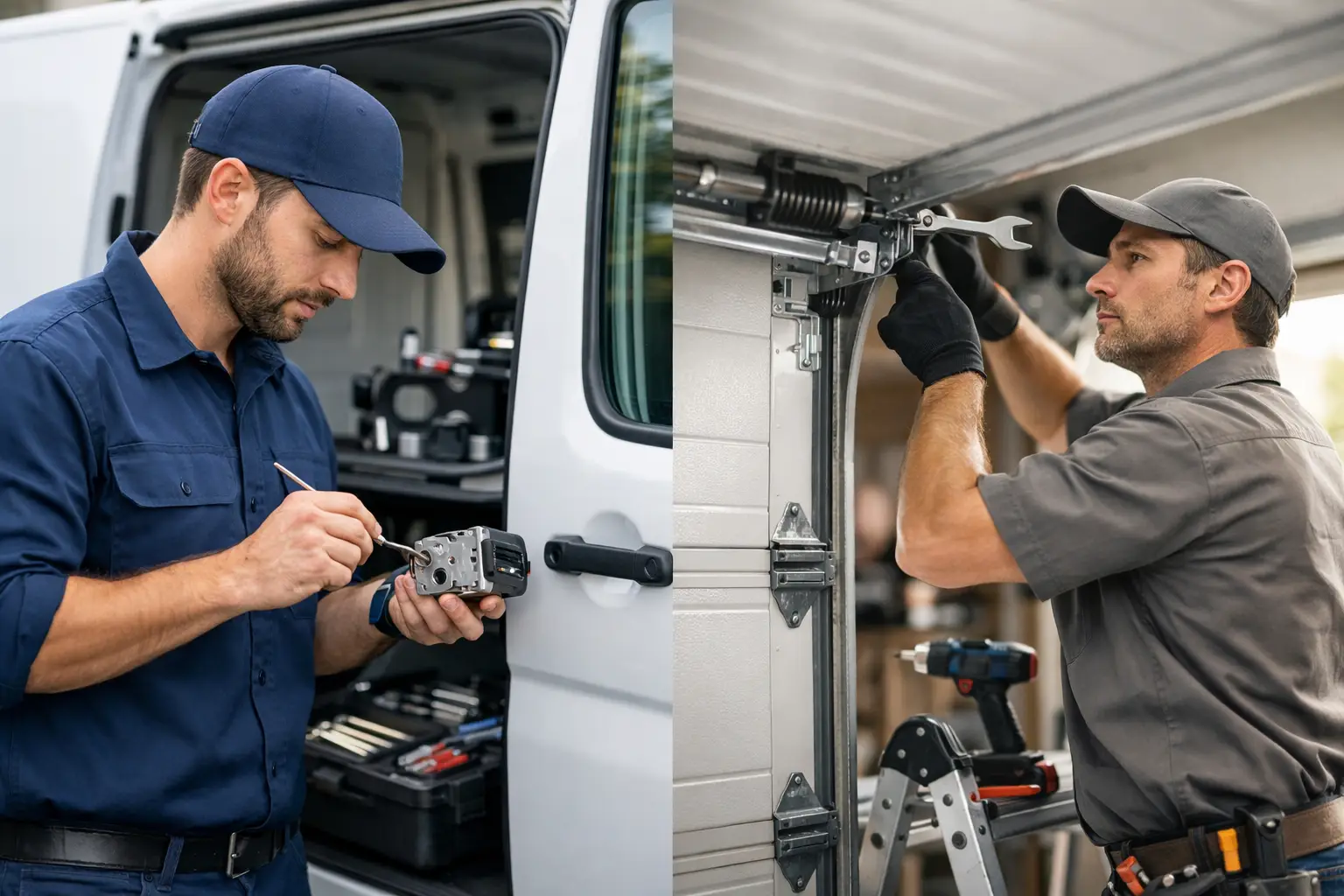
Mobile Locksmith Versus Garage Repair Explained
You are standing outside your car in Glasgow, the key is sitting on the driver’s seat, and the school run or work shift will not wait. In a situation like that, the mobile locksmith versus garage repair question has a straightforward answer: you need the specialist who can get to the vehicle, open it without damage and deal with the key system on site.
A garage is the right place for many vehicle faults. But a lockout, lost key, snapped key blade, faulty remote or immobiliser issue needs different equipment and training. Choosing the right service first can save you the cost and delay of recovery, a replacement window or an unnecessary visit to a workshop.
Mobile locksmith versus garage repair: the main difference
A mobile auto locksmith works on vehicle access, locks, keys and electronic security systems where the car is parked. That may be outside your home, at a supermarket, in a work car park or at the roadside. The job is focused on getting you safely back into the vehicle or back on the road, using non-destructive methods wherever possible.
A garage mainly repairs and maintains the mechanical and electrical systems that make a vehicle run. Its usual work includes brakes, clutches, servicing, suspension, tyres, engine faults and general diagnostics. Some garages can order a basic key or arrange a key through a dealer, but most are not set up to provide emergency entry or programme a replacement transponder key at the kerbside.
The difference matters because modern car keys are not simply pieces of cut metal. Many contain a transponder chip, remote circuit board or proximity technology that communicates with the car’s immobiliser. A key may turn in the ignition but still fail to start the engine if its chip is missing, damaged or not correctly programmed.
When a mobile auto locksmith is the better call
Call a mobile auto locksmith when the problem stops you accessing, securing or starting the vehicle because of the key, lock or immobiliser system. This includes locked keys in the car, keys lost while out, a broken key in the lock, a damaged key fob, a remote that no longer operates central locking, or a spare key that will not start the engine.
A specialist can normally assess the issue at the vehicle. Non-destructive entry techniques, including lock picking and bypass entry where appropriate, are designed to avoid forcing doors, damaging window seals or breaking glass. Once access is gained, the same technician may be able to cut a replacement key, repair or replace a fob shell, programme a remote, or add a transponder key to the vehicle.
This is especially useful for commuters, tradespeople and families. If your van keys have gone missing at a customer’s address, moving the vehicle to a garage is rarely the practical first step. If the only key has snapped at your home in Paisley or Cumbernauld, a mobile service can deal with the access and key issue before recovery becomes necessary.
Older cars and newer cars both benefit from specialist knowledge, although the work is different. Older mechanical locks can suffer worn wafers, damaged barrels and broken blades. Post-1995 vehicles often add coded chips, immobilisers, remote locking and proximity keys to the problem. A proper automotive locksmith understands both sides of that divide.
When garage repair is the right choice
If you can get into the vehicle and the key is recognised correctly, but the car has a mechanical or wider electrical fault, book a garage. For example, a car that cranks but will not start may have a battery, fuel, ignition, sensor or engine-management issue rather than a key fault.
Central locking can also sit in the middle ground. If one door will not lock because of a failed actuator, damaged wiring or a body control module fault, a garage or auto electrician may be needed after the initial diagnosis. A locksmith can establish whether the remote, key coding, door lock or access system is at fault, but cannot repair every underlying electrical defect in the vehicle.
Likewise, if a key is physically fine and the car displays several warning lights, do not assume programming is the answer. A weak vehicle battery, water ingress or an electrical failure can produce symptoms that look like a key problem. The best service provider will explain what they can test on site and tell you plainly when workshop repair is the sensible next move.
Why dealer replacement is not always the first option
Main dealers can supply original keys, and there are situations where this is appropriate. However, it can involve booking delays, proof-of-ownership checks, ordering lead times and getting an immobile car to the dealership. That is difficult when you are stranded now.
A mobile automotive locksmith can often provide a replacement key and programming service at your location, depending on the make, model and security system. This is not a shortcut around vehicle security. A professional will ask for identification and proof that you are entitled to access the car. It is simply a more practical route for an emergency or an urgent replacement.
There are trade-offs. A dealer may be preferable for certain very new vehicles, specialist keyless systems or cases where manufacturer software access is required. An experienced locksmith will not promise a result without checking the vehicle details first. Clear advice is far more useful than a cheap quote that changes when the technician arrives.
Avoiding expensive damage during a lockout
The wrong response to a lockout can turn a manageable job into a costly repair. Forcing a door frame, prising a window, drilling a lock or trying to use online tricks can damage paintwork, seals, side airbags, wiring and the lock mechanism itself. A damaged door may then need garage bodywork or electrical repairs as well as a new key.
If a key has snapped in the ignition or door lock, do not push it further in with another tool. Keep both pieces if you can, avoid turning the ignition repeatedly and arrange specialist assistance. The blade may be recoverable, and its cut pattern can sometimes help with producing a replacement.
For a wet, cracked or loose key fob, do not assume the car needs a whole new key. In some cases, the original electronic board and transponder can be transferred into a replacement shell. If the circuit board has failed, proper testing can identify whether reprogramming, repair or a replacement key is required.
Choosing the right local service in West Central Scotland
When you need help quickly, ask what the business actually does. A general locksmith may be excellent with house locks but not have vehicle-specific programming equipment. A garage may be trusted for servicing but unable to open a locked car at the roadside. Look for an automotive specialist that can explain the likely process for your vehicle and give a realistic idea of attendance, cost and possible outcomes.
It is also worth checking that the provider uses damage-free entry methods and understands immobiliser systems, transponder keys, remotes and proximity fobs. Ask whether they can deal with the problem where the car is, rather than requiring the vehicle to be recovered first. For drivers across Glasgow, Greenock, Ayrshire, Paisley and Cumbernauld, local coverage can make a real difference when the car is blocking a driveway, stranded at work or needed for the next journey.
Auto Locksmith Doctor Ltd focuses specifically on these vehicle access and key problems. Where a vehicle cannot be opened on site, there is no charge for the opening attempt. That is the sort of reassurance worth looking for when you are already dealing with the disruption of a lockout.
If your car is accessible and the problem is clearly mechanical, arrange the garage repair it needs. If the keys, locks, remote or immobiliser have stopped you in your tracks, call a mobile auto locksmith first. The right specialist can often turn a stressful roadside problem into a short delay rather than a recovery job.

Related Posts