Does key cutting require original keys? Learn when a locksmith can cut a replacement from a code, lock or spare, including modern car keys. Fast.
Vehicle Key Cutting Review: What Actually Matters
A replacement car key that looks right is not necessarily a key that will get you home. That is the point most drivers miss when comparing key-cutting services. A proper vehicle key cutting review needs to look beyond the blade itself: does the key turn smoothly, start the engine, operate the remote functions and work without causing damage to the ignition or door lock?
For drivers across Glasgow, Cumbernauld, Paisley, Ayrshire and Greenock, the best option depends on the age of the vehicle, the type of key and whether you still have a working spare. Cutting a basic mechanical key is one job. Replacing a modern transponder, remote or proximity key is another altogether.
What vehicle key cutting really involves
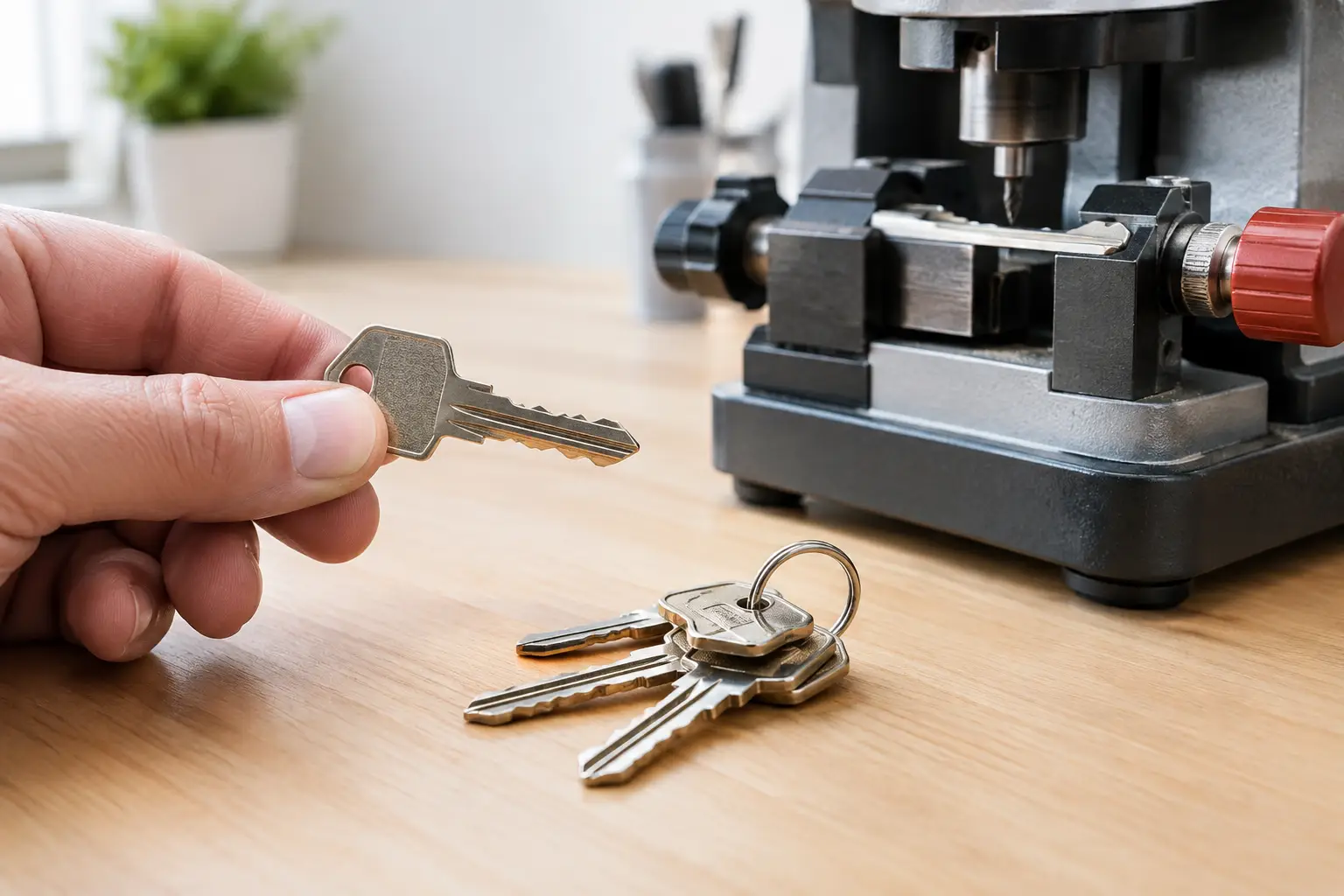
Vehicle key cutting is the process of producing the metal blade that physically operates a vehicle lock or ignition. On older cars, that may be the whole job. A correctly cut key is inserted, turned and the vehicle starts.
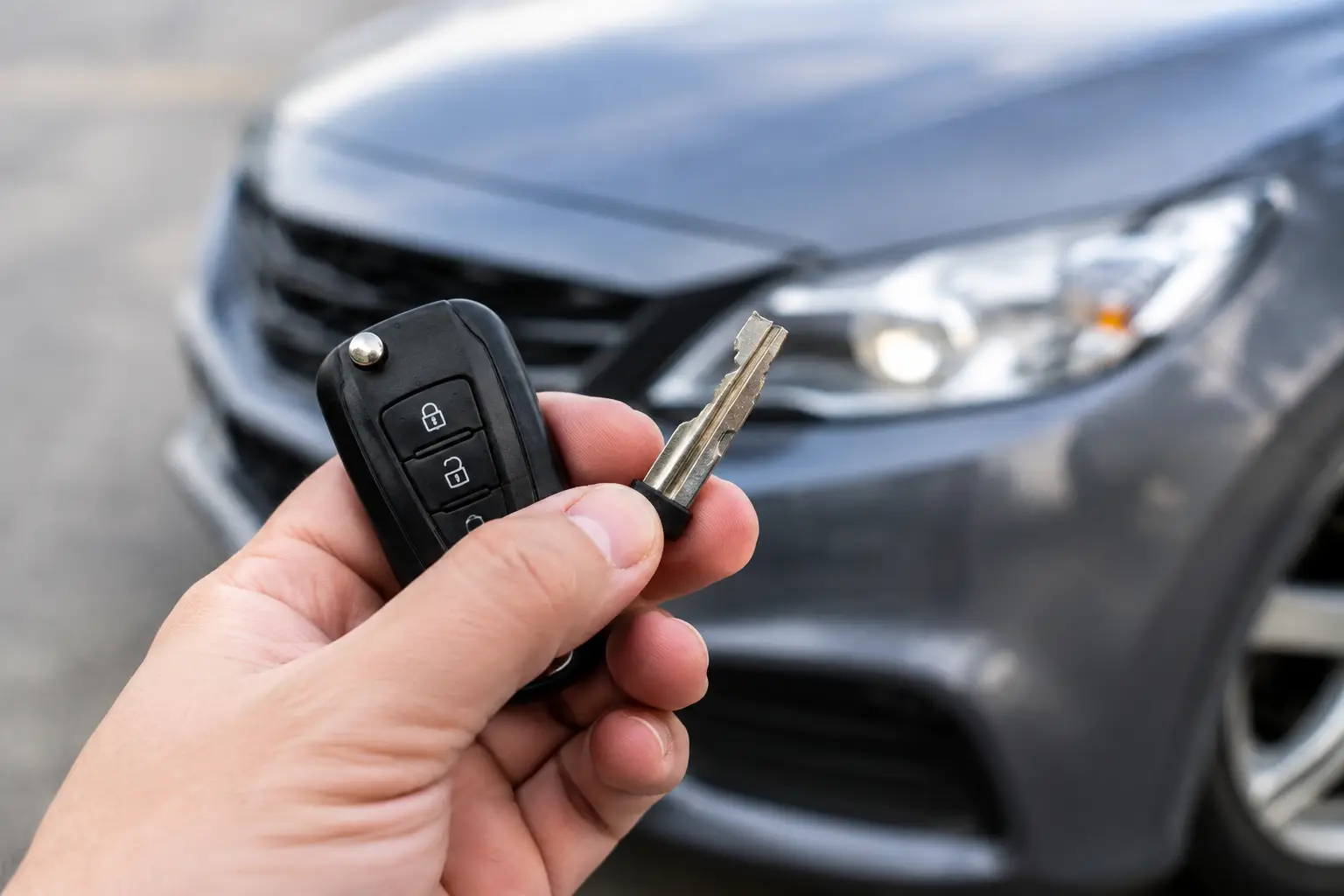
Most vehicles built from the mid-1990s onwards have an immobiliser system. The blade may unlock the door and turn the ignition, but the engine will not start unless the key contains a programmed transponder chip that the vehicle recognises. Remote fobs and proximity keys add further work, as their buttons, electronics and wireless functions may also need to be programmed.
This is why a cheap key copied from a counter can be a false economy. It may be useful as an emergency door key on some older vehicles, but it may not start a modern car. In the worst cases, an inaccurately cut blade can feel tight in the lock, stick in the ignition or wear components that were already under strain.
Vehicle key cutting review: the checks that matter
A useful review of any key-cutting service should focus on results, not just the advertised price. The following points separate a proper automotive locksmith service from a basic duplicate-key job.
Accuracy of the cut
The original key can be worn, bent or damaged after years of use. Copying that wear directly can produce another poor key. A specialist should assess the blade and, where necessary, cut from the correct key code or decode the lock rather than simply trace a tired old key.
The finished key should enter and turn cleanly. It should not need excessive force, wiggling or repeated attempts. If the ignition feels stiff, do not keep forcing it. A tight key can indicate an issue with the blade, the ignition barrel or both.
Whether it starts the car
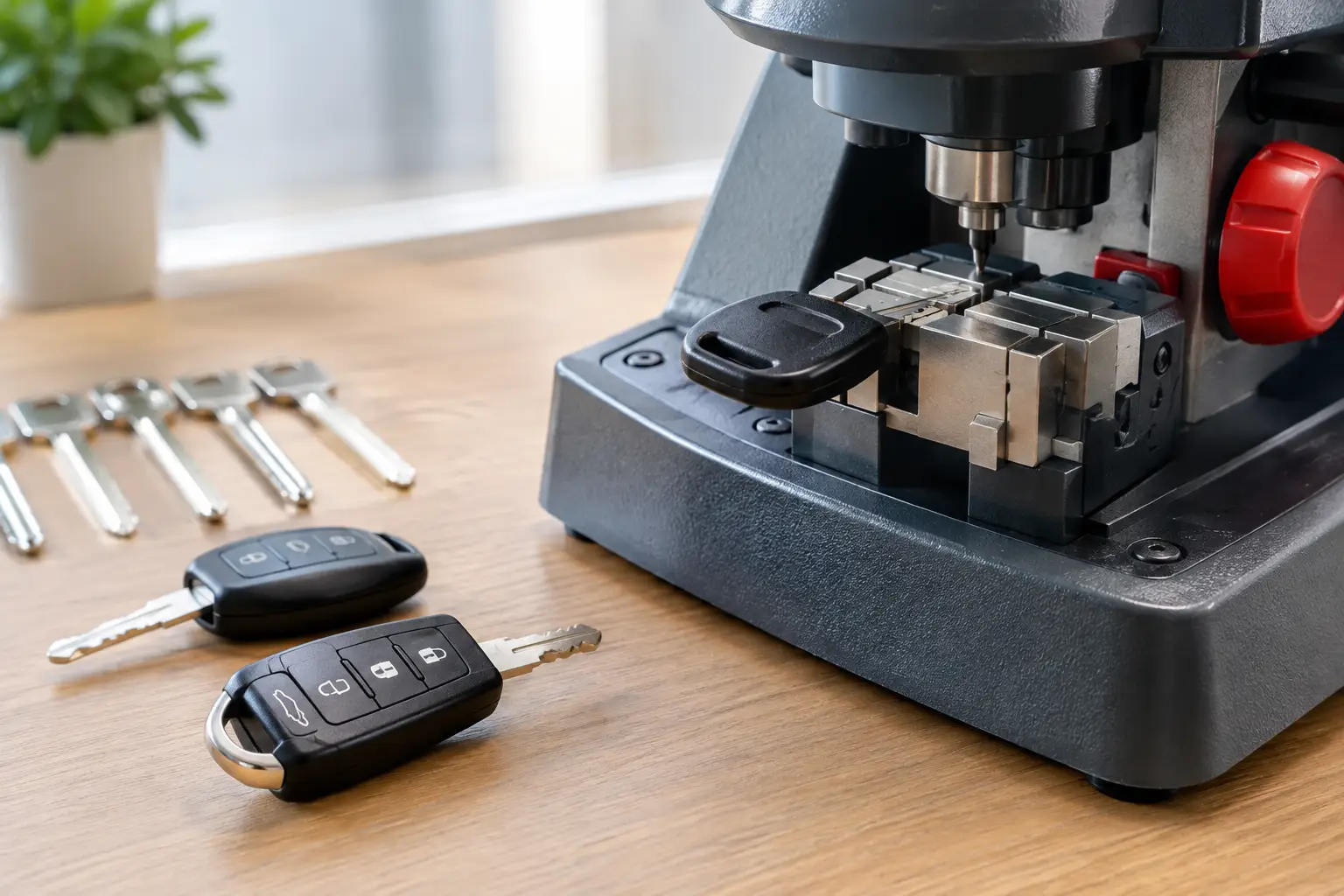
With an immobiliser-equipped vehicle, cutting the metal blade is only one part of the repair. The transponder has to be matched to the vehicle so the engine management system authorises a start.
A good service verifies the key after programming. That means checking it starts the engine, not merely confirming that the door opens. If the vehicle uses a remote key or smart key, the central locking and any proximity functions should also be tested where applicable.
Correct key type and quality
Not every replacement needs to be a main dealer key, and not every aftermarket key is poor quality. The important thing is compatibility. The key blank, chip type, circuit board and remote frequency must suit the exact vehicle.
On a simple older key, a quality blank and accurate cut may be all that is required. For later cars, especially those with remote locking or keyless entry, choosing the wrong unit can lead to buttons that do not work, an immobiliser warning or a key that programmes briefly and then fails.
Clear pricing before work starts
Vehicle key prices vary because the work varies. A non-transponder spare for an older car can be straightforward. An all-keys-lost job on a modern vehicle may involve gaining non-destructive entry, decoding a lock, cutting a blade, programming a transponder and testing remote functions.
A fair quote should reflect the actual vehicle and fault, rather than offering a vague low starting price that changes once the job begins. Ask whether the quote includes the key, cutting, programming, call-out and testing. It is also sensible to ask what happens if there is an existing fault in the car’s lock, ignition or immobiliser system.
When a spare key is the sensible choice
If you have one working key, arranging a spare before it is lost is usually the least disruptive and most affordable route. There is no need for emergency entry, no need to recover key information from scratch and no risk of being stranded at home, at work or in a supermarket car park.
A spare is particularly worthwhile for families sharing a car, tradespeople carrying tools, delivery drivers and anyone whose vehicle is essential for the school run or commute. Keep it somewhere safe and separate from the main key. Leaving both keys in the same jacket, bag or van defeats the point.
There are exceptions. If your only key has become unreliable, has suffered water damage or is badly worn, do not assume a duplicate will solve the problem. The original fault needs identified first. Sometimes the issue is the key chip; sometimes it is the remote board, door lock, ignition barrel or vehicle battery.
Lost keys: cutting from scratch versus copying a key
When every key is lost, a specialist automotive locksmith can often create a replacement at the vehicle. The process depends on the make, model and year, but it can involve opening the vehicle without damage, obtaining the key cut information, producing the blade and programming a new key to the immobiliser.
This is where automotive experience matters. General locksmith work does not always cover vehicle immobilisers, transponder systems or modern keyless technology. A vehicle may be accessible with the right tools, yet still need specialist diagnostic equipment and knowledge before it can be driven away.
For security, a lost or stolen key should be treated differently from a key simply left inside the car. Depending on the vehicle, it may be possible to erase missing keys from the system so they can no longer start the engine. That is worth discussing if there is a genuine theft concern.
Common key-cutting problems and what they usually mean
A key that unlocks the car but will not start it normally points to a transponder or programming issue. A key that starts the car but has no remote locking may have a flat fob battery, damaged buttons, a failed circuit board or require remote synchronisation.
If the key works in one door but not another, the problem may be with the lock rather than the cut. Door locks can seize through lack of use, corrosion or damage. Likewise, a key that turns only with difficulty in the ignition may indicate a worn ignition barrel. Repeatedly forcing it can turn a manageable repair into a broken key or a vehicle that cannot be switched off or started.
Broken remote shells are another common issue. If the electronics and transponder are intact, fitting a replacement shell can be more sensible than buying a complete new key. However, the transfer must be done carefully. On some keys, the immobiliser chip is separate and easy to overlook, leaving the replacement able to unlock the car but unable to start it.
Choosing a local automotive locksmith
When you need help quickly, ask direct questions. Can they cut and programme keys for your make and model? Can they attend your location? Will they use non-destructive entry if you are locked out? Is the key tested before they leave? Are costs explained clearly?
A local specialist can often save the delay and inconvenience of arranging recovery to a dealership, particularly if the vehicle is stuck at home, at work or roadside. Auto Locksmith Doctor Ltd focuses on car keys, vehicle entry and programming work across West Central Scotland, using damage-free methods wherever possible.
Have your vehicle registration, make, model, year and location ready when you call. If you have a working key, say so. If the key is lost, broken in the lock or simply not recognised by the car, explain that too. Those details help establish the likely job and the right equipment before attendance.
A car key is small, but it controls access, security and your ability to get moving. If yours is worn, unreliable or missing, dealing with it before the next rushed morning is usually the simplest way to avoid an emergency.

Related Posts