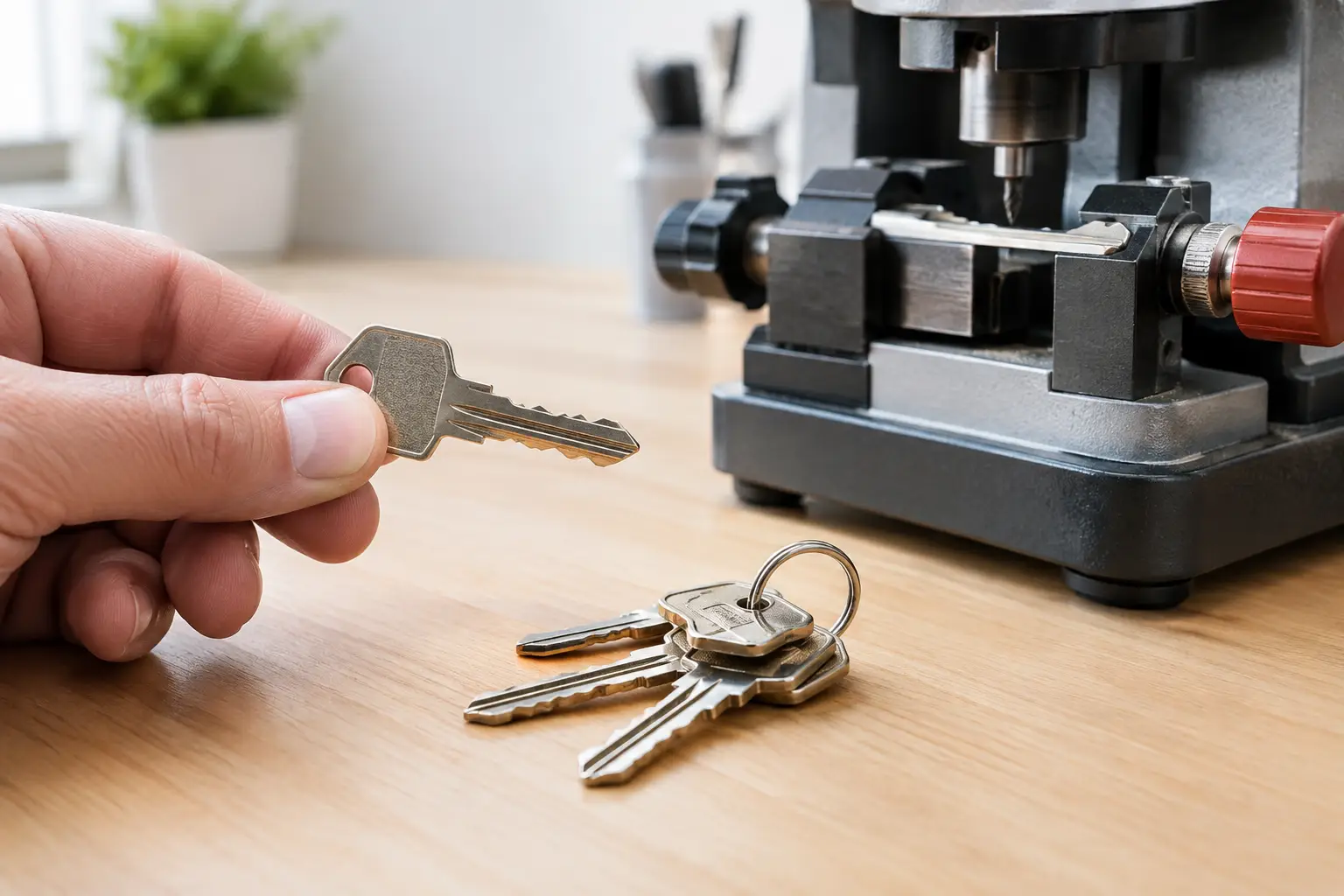
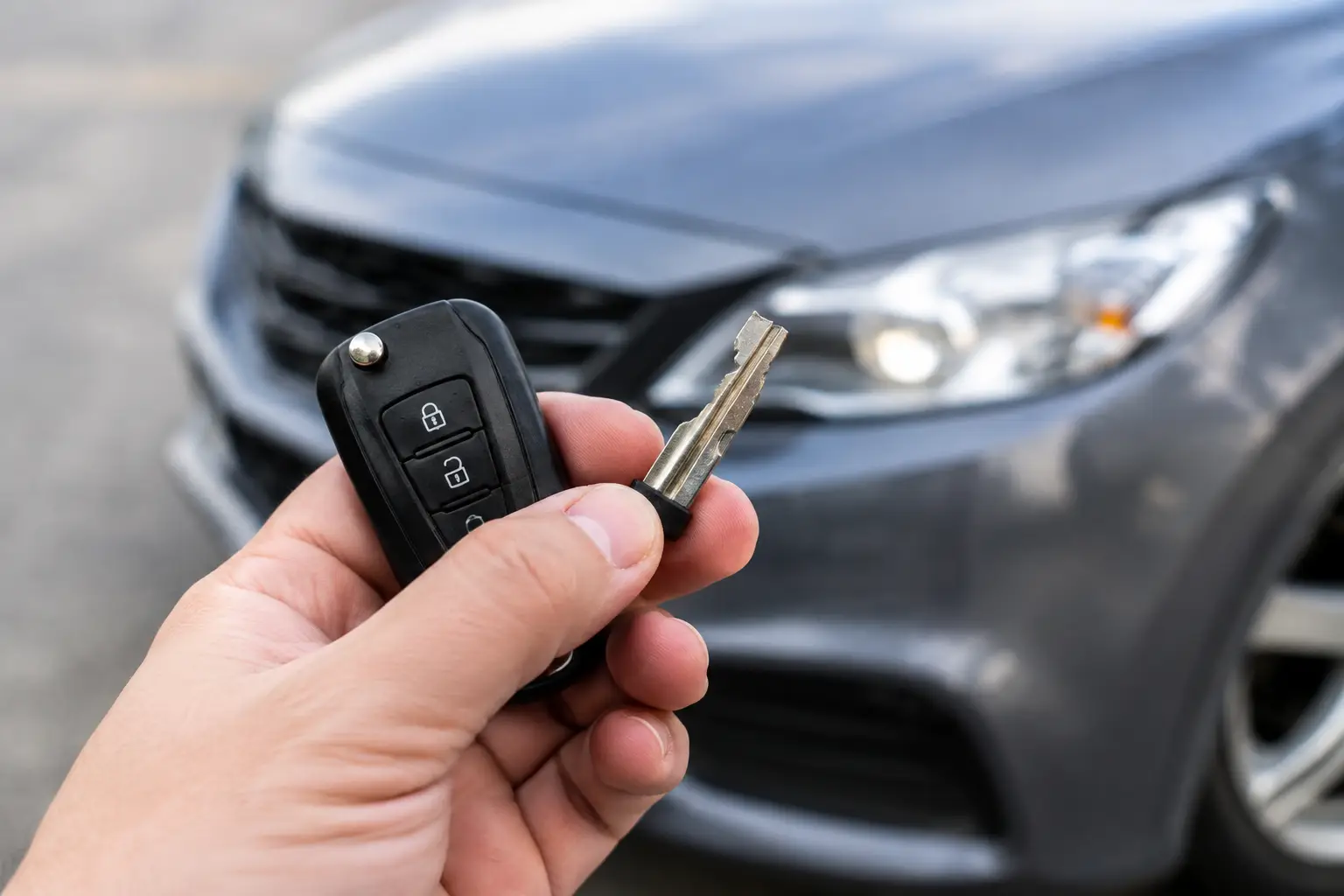
Does key cutting require original keys? Learn when a locksmith can cut a replacement from a code, lock or spare, including modern car keys. Fast.
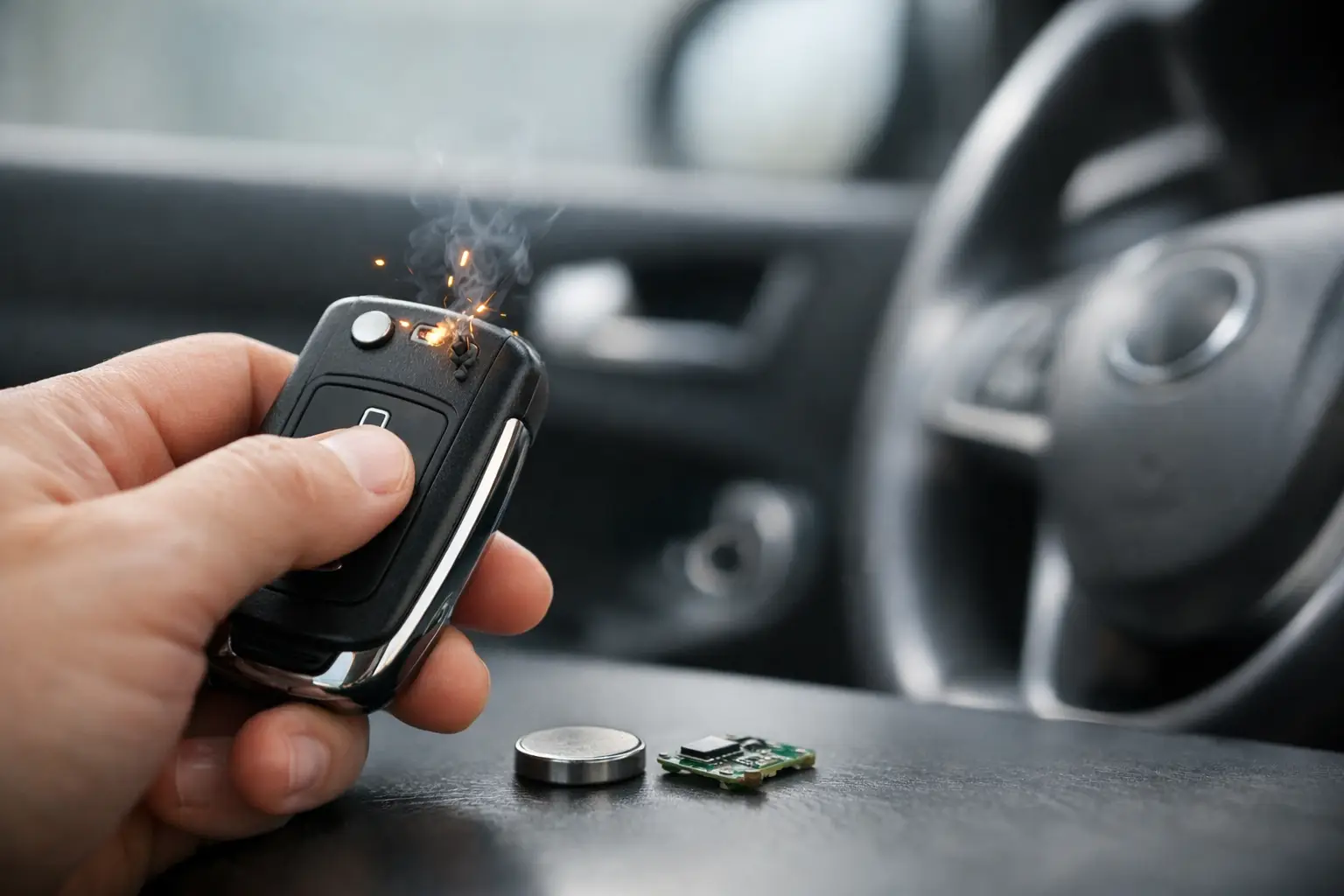
Top Signs Your Car Key Is Failing and What to Do
A car key rarely stops working without warning. It may need several presses before the doors unlock, work only when held close to the vehicle, or feel loose in the ignition. Knowing the top signs your car key is failing can save you from being locked out in a supermarket car park, stranded outside work, or unable to start the car when you need it most.
Modern car keys do far more than turn a lock. Many contain a transponder chip, remote-locking circuit board or proximity system linked to the vehicle immobiliser. A fault can therefore affect access, central locking or starting – and sometimes all three. Acting early is usually quicker and less stressful than waiting for complete failure.
Top Signs Your Car Key Is Failing
The remote works only intermittently
If you have to press the unlock button two or three times, or the remote works one day but not the next, do not dismiss it as a minor annoyance. An intermittent remote is often the first sign of a weak battery, worn button contacts or a damaged circuit board.
Try your spare key, if you have one. If the spare operates the car consistently, the issue is likely with your everyday fob rather than the vehicle itself. If both keys are unreliable, there could be a problem with the car battery, receiver, central locking system or vehicle wiring.
You need to stand very close to the car
Remote locking should normally work from a sensible distance. If the range has gradually reduced and you now need to stand beside the driver’s door, the fob battery is a likely cause. Replacing the battery promptly may prevent a full failure.
However, a fresh battery is not always the answer. Corrosion in the battery holder, moisture inside the fob or a cracked solder joint can also weaken the signal. If the remote still has poor range after the correct battery has been fitted, it needs proper inspection rather than repeated button pressing.
The key starts the car but the buttons do nothing
This is common with transponder keys. The electronic chip that allows the car to start is separate from the remote-locking part on many makes and models. That means the vehicle can recognise the immobiliser chip while the remote buttons have failed.
You may still be able to unlock the car using the emergency mechanical blade, but this is not a problem to leave for later. If the fob casing is split or the circuit board is loose, it can deteriorate quickly. A key fob shell repair may be enough where the electronics remain sound; in other cases, the fob may need repair or replacement.
The buttons feel soft, stuck or need excessive pressure
Buttons that have lost their click, sit lower than normal or only respond when pressed at a particular angle usually have worn internal contacts. Years of use, dirt in the casing and keys being squeezed in pockets can all take their toll.
Avoid forcing the button or poking it with a sharp object. This can crack the case or damage the circuit board underneath. A specialist can assess whether the button pad, shell or complete remote needs replacing, often before you are left relying on the key blade alone.
The key is physically cracked, bent or loose in its casing
A damaged key is not just untidy. A split flip-key casing can leave the blade loose, expose the transponder chip or let damp into the electronics. With some keys, a small glass or carbon transponder chip sits inside the shell. If it falls out unnoticed, the car may unlock but will not start.
A bent metal blade is another warning sign. It can wear the lock barrel and ignition, then eventually snap. Do not try to straighten it with pliers. A replacement key cut from the correct key data is safer than risking a broken blade in the door or ignition.
The key turns roughly in the door or ignition
A key that sticks, needs wiggling or feels gritty when turning may be worn, but it could also point to a failing lock barrel. This matters because forcing it can leave the key snapped inside the lock.
Try the spare key before assuming the ignition is at fault. If the spare turns smoothly, the main blade is likely worn. If neither key turns properly, stop applying pressure and arrange assistance. A vehicle locksmith can identify whether the problem is the key, door lock or ignition barrel and deal with it without unnecessary damage.
The car says key not detected
Keyless entry and push-button start systems rely on the vehicle detecting the proximity fob. A message such as Key Not Detected, Key Not Found or Place Key in Marked Area should be treated as an early warning, especially if it appears on and off.
Start with the fob battery, using the battery type specified for your key. Some cars have an emergency start position or reader area that allows a weak fob to be recognised temporarily. Check the vehicle handbook for the correct method, but do not rely on this as a permanent workaround. The fob may need programming, repair or replacement if the fault returns.
The immobiliser warning light stays on
When you turn the ignition or press the start button, the immobiliser light should normally go out once the car recognises the key. If it stays lit, flashes, or the engine starts then immediately cuts out, the vehicle may not be reading the transponder chip correctly.
This can happen after the key has been dropped, soaked, damaged during a casing change or exposed to a failed battery. It can also be a vehicle-side fault, so guessing is costly. An automotive locksmith has the diagnostic equipment to check key recognition and programme a replacement key where required.
The key has been dropped, washed or exposed to water
A fob that has gone through the washing machine, been dropped in a puddle or spent time in heavy rain may appear fine at first. Moisture can cause corrosion gradually, particularly around the battery terminals and button switches. The remote might fail days or weeks later.
Remove the battery if it is safe to do so, dry the exterior and avoid using direct heat such as a radiator or hairdryer. Heat can distort the casing and harm electronic components. Have the fob checked if it begins behaving erratically, even if it still works occasionally.
Your spare key is missing or does not work either
One working key is a risk, not a backup plan. If it fails, a simple spare-key job can become an urgent lockout and recovery problem. Replacing a key while you still have a functioning original is normally more straightforward because the vehicle can be accessed and the new key can be tested on site.
The same applies when a spare has been sitting in a drawer for years. Its battery may be flat, its remote may need attention, or it may no longer be correctly matched to the car. Test both keys before a long journey, a holiday or a busy working week.
What to Do Before the Key Fails Completely
First, use the spare key for a day or two. This helps separate a key fault from a vehicle fault. Next, replace the remote battery with the exact type required and check that the battery is fitted the right way round. Do not assume that a new battery will solve an immobiliser or transponder issue.
Keep damaged keys away from water, heavy key rings and loose items that can press the buttons constantly. If the casing is splitting, arrange a repair before the internal parts are lost. Never glue a transponder chip into a shell without knowing its correct position, as poor placement can stop the vehicle reading it.
For a key that will not unlock, turn, start the car or be detected, get specialist help rather than forcing the issue. Auto Locksmith Doctor Ltd provides damage-free vehicle access, replacement car keys, key programming and fob repairs across West Central Scotland, including Glasgow, Cumbernauld, Paisley, Ayrshire and Greenock.
A failing key is easier to deal with while the car is still accessible and the original still works. Deal with the warning signs now, keep a tested spare where possible, and you are far less likely to face a rushed call from the side of the road.

Related Posts