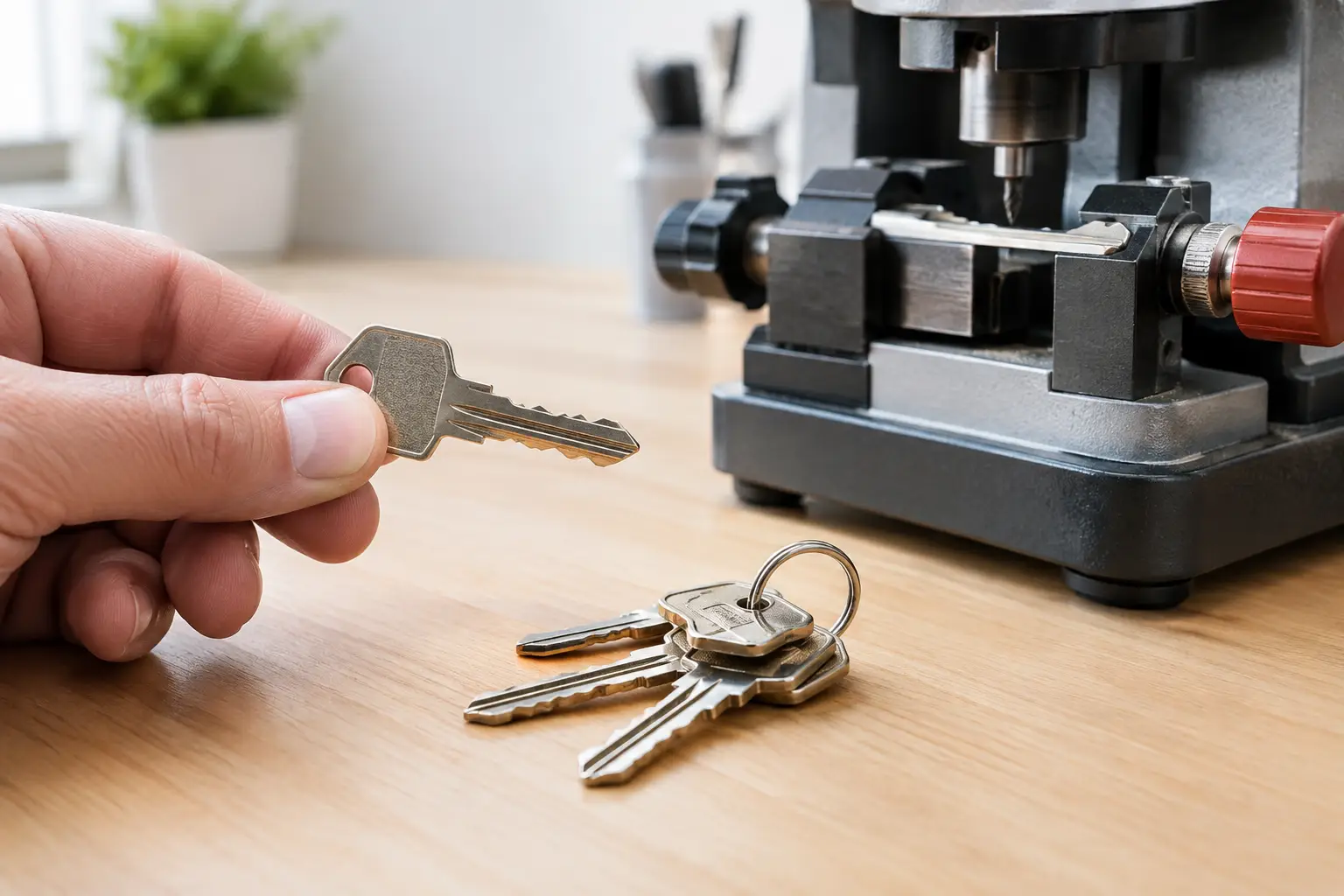
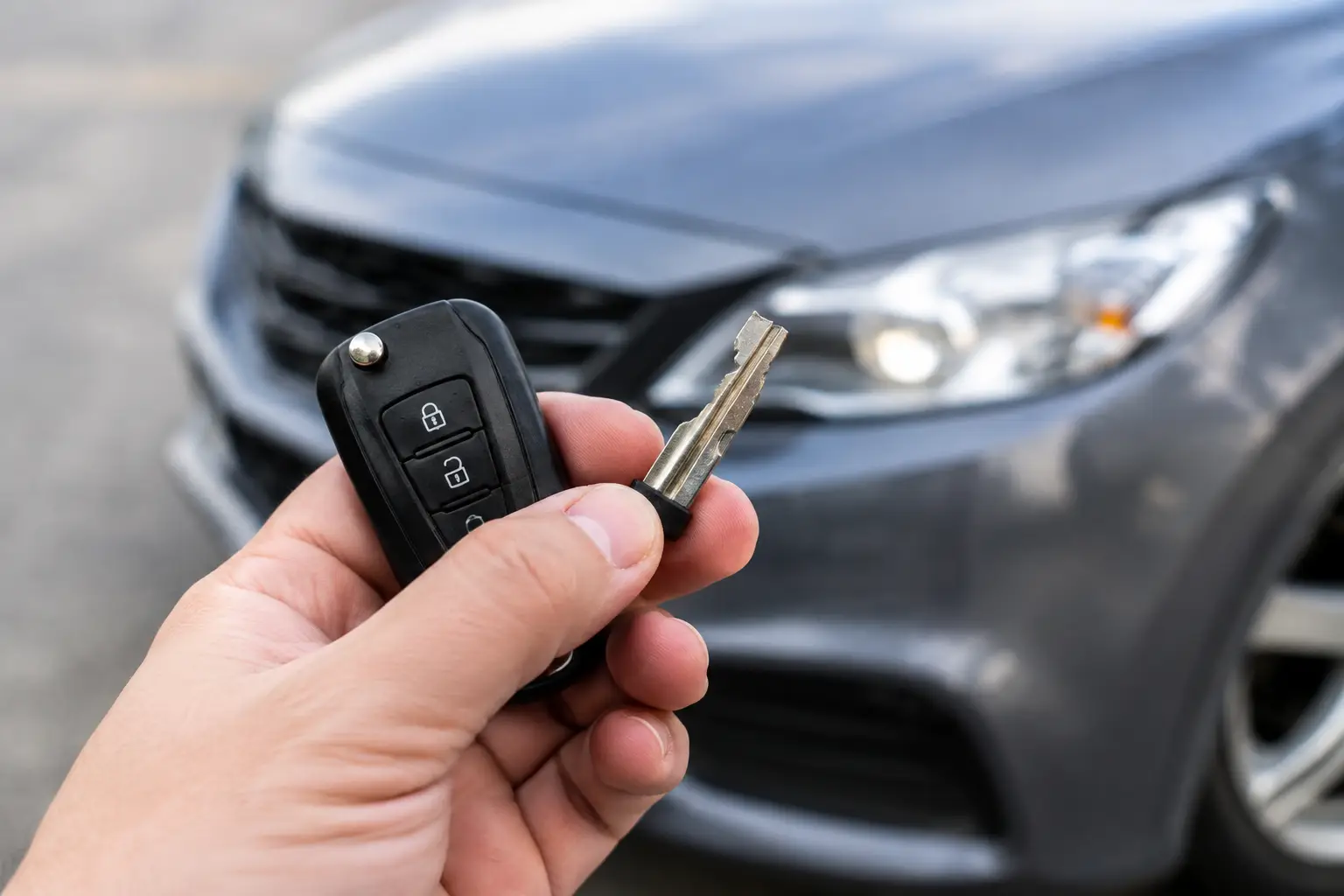
Does key cutting require original keys? Learn when a locksmith can cut a replacement from a code, lock or spare, including modern car keys. Fast.
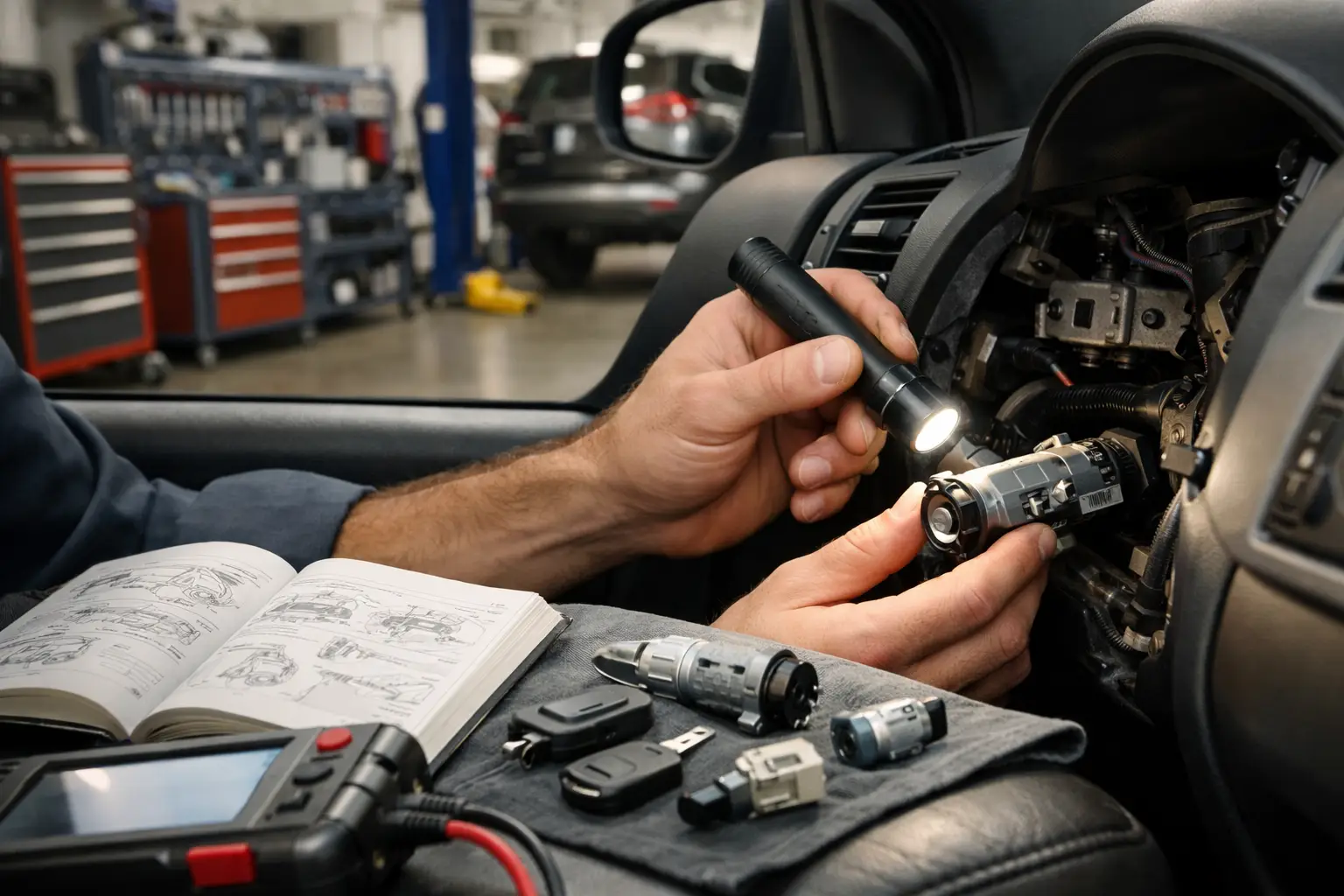
Ignition Barrels: Faults, Signs and Safe Repairs
A key that suddenly will not turn in the ignition is more than an inconvenience. It can leave you stuck at home, at work or in a supermarket car park with no way to start the vehicle. Ignition barrels are mechanical parts, so they wear over time, and the wrong response can turn a repairable fault into a costly replacement.
For drivers across Glasgow, Cumbernauld, Paisley, Ayrshire and Greenock, the sensible priority is to avoid forcing anything. A specialist auto locksmith can assess whether the problem is the key, the barrel, the ignition switch or the vehicle’s electronic security system, then deal with it without unnecessary damage.
What are ignition barrels?
The ignition barrel, also called an ignition lock cylinder, is the part of the steering column where a traditional vehicle key is inserted. Inside are small pins or wafers designed to match the cuts on your key. When the correct key is inserted, those components line up and allow the barrel to rotate through the accessory, ignition and start positions.
On many cars, the barrel works alongside an electronic ignition switch and an immobiliser reader. Turning the key may operate the mechanical switch, but the engine will only start if the transponder chip in the key is recognised. That is why a car can have a key that turns normally but still refuses to start.
Keyless vehicles do not usually have a conventional barrel for everyday starting, although many still have an emergency mechanical key and a backup method for starting if the remote battery fails. The diagnosis always depends on the vehicle and the symptoms.
Common ignition barrel faults
Wear is the usual cause of ignition barrel trouble. Each time a key enters and turns, it puts slight pressure on the internal components. After years of use, especially on high-mileage cars and working vehicles, those parts may no longer align cleanly.
A worn key can cause the same symptoms. The teeth on an old key gradually become rounded, so it no longer lifts the pins or wafers to the correct height. Drivers sometimes assume the barrel has failed when a freshly cut key would turn it properly. Equally, a poor-quality copy can create problems from the start.
Dirt, damage or a foreign object inside the keyway can prevent the key from entering fully. Cold weather may make an already tired barrel feel worse, while a heavy key ring can put extra strain on the ignition mechanism over time.
A broken key is a more urgent situation. If part of the blade snaps inside the barrel, do not push it deeper with another key, a screwdriver or a pair of pliers. Extraction needs the right tools and a steady hand. Damaging the internal lock components while trying to remove it can mean the barrel needs replacing rather than repairing.
The steering lock can also confuse matters. If the front wheels are turned against the kerb or held under tension, the steering wheel may lock and stop the key rotating. This can feel like a failed ignition barrel, but it may simply need the steering wheel eased gently left and right while applying light turning pressure to the key.
Signs your ignition barrel needs attention
Most ignition faults give warning before complete failure. If the key needs wiggling before it will turn, only works at a particular angle or feels rough when inserted, arrange to have it checked before you are stranded.
Other warning signs include a key that is difficult to remove, a barrel that turns too freely, a steering lock that does not release properly, or an ignition that cuts out when the key moves. If the engine starts and immediately stops, or an immobiliser warning light remains on, the issue may instead involve the transponder chip, key programming or the vehicle immobiliser.
Do not ignore an intermittent fault because it has temporarily cleared. Mechanical parts do not generally improve with use. A key that works on the tenth attempt can easily stop working altogether when you are in a rush.
Barrel fault or battery fault?
A flat vehicle battery will not usually stop the key physically turning in the barrel. It can, however, leave the dash dead and prevent the engine from cranking, which may make the ignition appear faulty. If the key turns through its normal positions but nothing electrical responds, the battery, terminals, starter circuit or ignition switch may be the more likely cause.
Likewise, if a remote key will not unlock the car but the mechanical blade still turns in the door and ignition, the remote battery is not the cause of a stiff barrel. Keeping the mechanical and electronic symptoms separate helps avoid paying for work that does not solve the problem.
Why forcing the key is a bad idea
When a key will not turn, it is tempting to apply more pressure. That is how keys bend, snap and damage the wafers inside the barrel. Spraying random lubricants into the keyway can also attract grit and make the fault worse over time.
Avoid using oil, glue, wire or improvised tools. Glue is particularly risky where a key has broken, as it can bond to internal parts rather than the key fragment. If you must try anything before arranging help, use only gentle pressure and check that the steering wheel is not under load. Stop as soon as the key feels likely to bend.
A non-destructive approach protects more than the ignition barrel. Modern steering columns can include airbag components, wiring, electronic modules and security systems. A quick DIY fix can become a much larger repair if trim, wiring or the column itself is damaged.
How an auto locksmith deals with an ignition problem
A proper diagnosis starts with the key. A specialist will check its condition, compare it with the lock operation and identify whether the cuts are worn or whether the transponder is likely to be involved. Where appropriate, a new key can be cut to the correct specification rather than copied from an already worn blade.
If the barrel is at fault, the locksmith can assess whether it can be repaired, rebuilt or needs replacement. On some vehicles, it is possible to retain the existing key pattern by rebuilding the barrel to suit the original key. On others, replacement is the practical option. The best route depends on the make, model, age, condition of the lock and availability of parts.
If replacement keys are needed, modern vehicles may require transponder programming so the immobiliser recognises them. This is separate from cutting the metal blade. A key can look correct and turn the ignition but still fail to start the engine until it is programmed properly.
At Auto Locksmith Doctor Ltd, the focus is on practical, damage-free vehicle lock work wherever possible. That means checking the full fault before removing parts or recommending a replacement, whether you are at home, at the roadside or outside work.
What to do when the car will not start
Keep the vehicle safe and avoid repeated attempts that could break the key. If you are parked on a slope or in a live traffic area, use your hazard lights where possible and move to a safe position away from traffic. Do not leave children or vulnerable passengers in an unsafe vehicle while you try to deal with the problem.
Have a few details ready when calling for help: the vehicle make, model, year if known, registration, your location and exactly what the key is doing. Say whether it will insert, turn, remove, release the steering lock or start the engine. Mention any warning lights and whether you have a spare key. These details help a locksmith arrive prepared.
If a spare key works, do not assume the issue has gone away. Use the working key carefully, keep the faulty key aside and arrange a replacement before the good one becomes lost or damaged. Two working keys are far less stressful than one.
Preventing future ignition trouble
Use a clean, good-condition key and avoid carrying a large bundle of keys from the ignition. If a copied key feels rough from the first day, have it checked rather than wearing the barrel against an inaccurate blade. Keep a spare key somewhere secure, not inside the vehicle, and replace cracked remote cases before the transponder chip or circuit board is lost.
An ignition barrel often gives you a chance to act before it fails completely. Taking that early warning seriously can keep a small lock fault from becoming a broken key, a missed shift or an unexpected recovery bill.

Related Posts