Does key cutting require original keys? Learn when a locksmith can cut a replacement from a code, lock or spare, including modern car keys. Fast.
Will Locksmith Damage Car Paint? The Facts
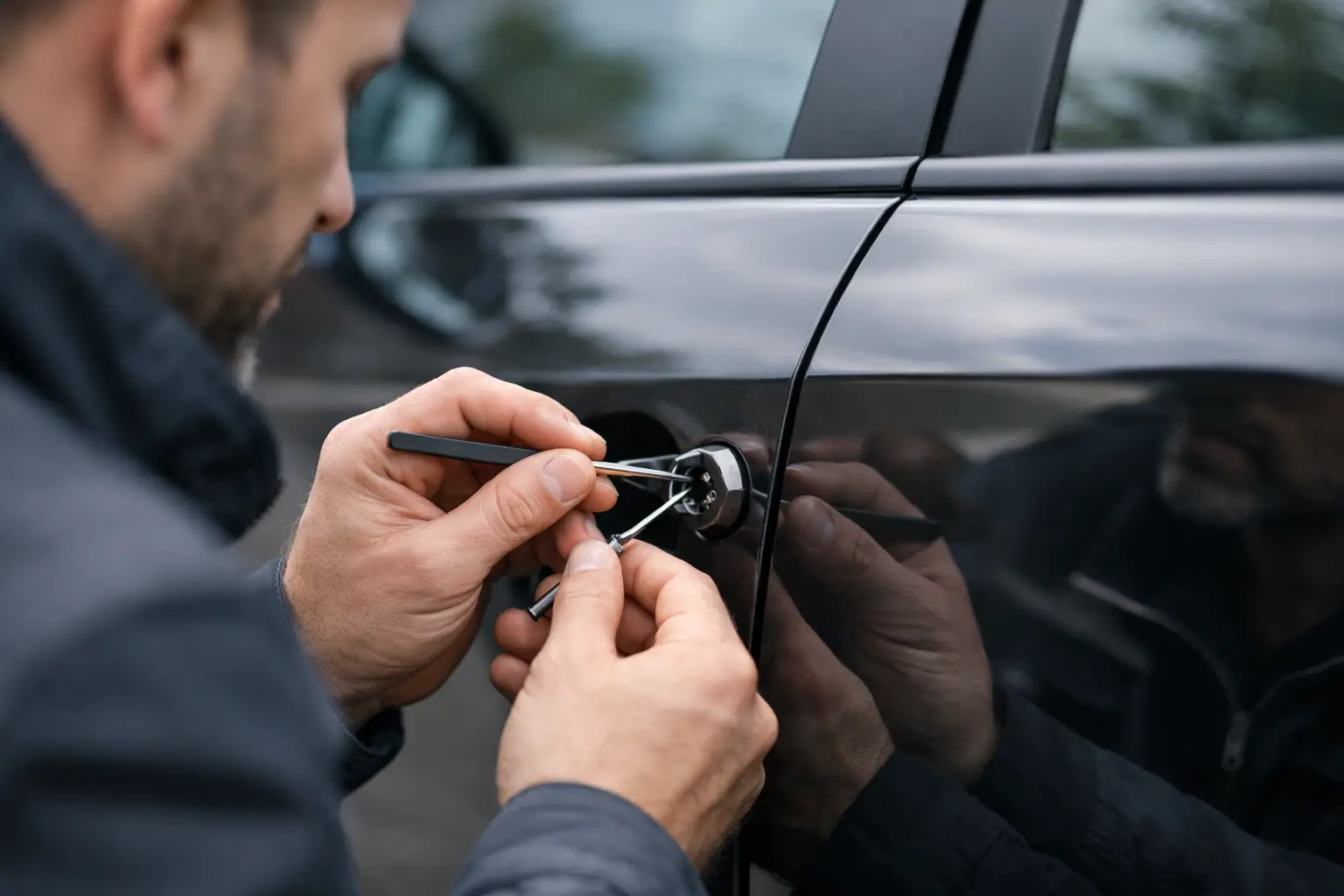
You are standing beside a locked car in the rain, late for work or trying to get the children home, and one question can stop you making the call: will locksmith damage car paint? In normal circumstances, a properly trained automotive locksmith should gain access without damaging the paintwork, window glass, door seals or lock. Non-destructive entry is the standard, not an optional extra.
That said, the condition of the vehicle, the type of fault and any previous damage can affect what is possible. A reliable auto locksmith will explain the method before starting, inspect the vehicle carefully and never force an entry simply to get the door open quickly.
Will a locksmith damage car paint during entry?
A specialist car locksmith uses vehicle-specific techniques designed to open the vehicle as the manufacturer intended. This may involve picking the door lock, using a suitable decoding tool, or accessing the vehicle through an approved non-destructive method. The aim is to release the locking system without levering against painted panels or forcing a gap around the door.
The old image of someone pushing a wire coat hanger through a window or jamming a screwdriver into a door is not professional vehicle entry. Those methods can scratch paint, bend a door frame, tear weather seals, damage the locking mechanism and create a much larger repair bill than the lockout itself.
Modern cars are especially poor candidates for improvised entry. Many have tight door tolerances, protected lock barrels, deadlocking systems, side-impact protection and electronic security features. Getting in without damage requires the right equipment and the experience to use it correctly.
At Auto Locksmith Doctor Ltd, non-destructive access is the preferred approach for lockouts across West Central Scotland. If a vehicle cannot be opened on site, there is no charge for the attempted opening. That gives customers reassurance that the job will not be treated as a trial-and-error exercise.
Why professional methods protect the paintwork
A vehicle door is not just a painted metal panel. Around its edge are seals, trim clips, wiring, window channels and, on many models, sensors and airbags. Trying to create a gap between the door and the body can mark the paint or distort the frame, even if the damage is not obvious until the door starts whistling at speed or taking in water.
A trained automotive locksmith avoids this where possible. Lock picking works at the lock itself, allowing the mechanism to turn in the same way it would with the correct key. Other professional tools are selected for the make, model and locking arrangement rather than used blindly on every vehicle.
The condition of the lock also matters. If the lock barrel is seized, badly worn, corroded or has been attacked before, it may not respond as it should. In that situation, the locksmith should tell you what they have found and discuss the least invasive next step. A damaged lock may need repair or replacement, but that is different from causing damage during access.
Cars with keyless entry and deadlocks
Keyless and proximity systems can make a lockout more confusing. A flat vehicle battery, failed key fob, damaged emergency blade or central locking fault may leave the car apparently impossible to open. The physical door lock is often hidden beneath a cover on the handle, and many drivers have never needed to use it.
A specialist will identify whether the issue is the fob, battery, mechanical lock, immobiliser or central locking system. On some vehicles, opening the door is only the first part of the job. The car may still need a replacement key, transponder programming or a repair to the fob shell before it will start.
Deadlocked vehicles need particular care. Pulling an interior handle or manipulating a button will not necessarily release the lock, and forcing the system can cause damage. Proper diagnosis saves time and protects the vehicle.
When is there a genuine risk of marks or damage?
No honest locksmith should promise that every situation is risk-free before seeing the car. The vast majority of routine lockouts can be handled cleanly, but a few circumstances increase the risk or limit the available options.
Previous accident repairs can alter panel alignment and make door seals tighter than they were from the factory. A bent door frame, aftermarket tint film, brittle rubber seals or a badly corroded lock can also make access more difficult. Older vehicles sometimes have worn mechanisms that fail during normal use, while newer cars may have security systems that require more specialist diagnostic work.
The key point is communication. If a non-destructive method is not possible, the locksmith should stop and explain why before carrying out any alternative work. You should never be surprised by a drilled lock, damaged trim or a new repair requirement after the fact.
A forced entry may be considered only where there is an immediate safety reason, such as a child or vulnerable person locked inside, and emergency services should be contacted where appropriate. For an ordinary lockout, there is usually time to use the correct method.
How to choose a locksmith who will protect your car
The person you call matters as much as the tool they use. General locksmith skills do not always translate to modern vehicle security. Cars use different lock designs, immobilisers, transponders and electronic systems, so it makes sense to use someone who works on vehicles every day.
Before agreeing to a call-out, ask whether they provide non-destructive vehicle entry and whether they deal with your make of car. Explain exactly what has happened: whether keys are locked inside, the key is lost, the fob has stopped working, the key has snapped, or the central locking has failed. Clear information helps the locksmith arrive prepared rather than attempting unsuitable methods at the roadside.
It is also sensible to check that the locksmith will verify ownership before opening the vehicle. This protects you and helps prevent criminal misuse of vehicle entry services. Proof may include photo identification, insurance details, a V5C where available, or confirmation once access to documents inside the car is gained.
Be cautious if someone offers an unrealistically cheap price but cannot explain how they will open the vehicle. Low advertised prices can lead to pressure for extra charges on arrival, or worse, a rushed attempt that risks your paint and door furniture. Fair pricing and a clear explanation are better signs than a vague promise.
What you can do while waiting for help
Do not try to prise the top of the door open with household tools. Metal objects can score the paint and plastic wedges can still crease trim or damage the weather seal if used incorrectly. Avoid putting tape over a forced gap as a quick fix, since it can leave adhesive residue and does not correct a distorted frame.
If the keys are visible inside, resist smashing a window unless there is an immediate danger to someone in the vehicle. Replacing glass, clearing broken fragments and repairing any damaged trim will cost far more than a professional opening in most cases.
Instead, move to a safe, well-lit place if possible, keep the vehicle in view and have the registration, make, model and your location ready. If you are on a busy road, at the roadside or in an unsafe area, prioritise your safety and tell the locksmith exactly where you are.
Check the vehicle after entry
Once the door is open, take a moment to inspect the area around the lock, handle, window frame and door seal before leaving. A professional opening should leave no fresh scratches, dents or loose trim. Test the central locking, window and door handle as well.
If the original issue was a failing key, do not assume it has fixed itself because the car is now open. A worn blade, intermittent remote or weak fob battery can leave you stranded again. Sorting the cause while the locksmith is present is often the most practical option, particularly if you rely on the car for work or school runs.
The right locksmith should leave you with access to your car and confidence that it has been treated properly. If you are locked out in Glasgow, Cumbernauld, Paisley, Ayrshire, Greenock or nearby, choose a vehicle specialist who explains the job plainly, uses damage-free methods wherever possible and puts the condition of your car first.

Related Posts