Smart key versus transponder key: learn how each works, what fails, replacement costs and when a Glasgow auto locksmith can get you moving again quickly.
A Guide to Coded Vehicle Keys and Common Faults
A coded key can look like an ordinary car key, yet one small electronic fault can leave you sitting in your driveway, a work car park or at the roadside with an engine that will not start. This guide to coded vehicle keys explains what is inside them, why they fail, and what can be done when your vehicle no longer recognises its key.
For drivers across Glasgow, Cumbernauld, Paisley, Ayrshire and Greenock, the priority is usually simple: get back into the vehicle and get moving again without damage, unnecessary delay or an inflated bill. The right solution depends on the key type, the vehicle’s security system and whether you still have a working key.
What is a coded vehicle key?
A coded vehicle key contains an electronic identity that the car checks before allowing the engine to start. In most vehicles built from the mid-1990s onwards, that identity is held in a small transponder chip within the key head, remote fob or proximity key.
When you turn the key in the ignition, or press the start button with a keyless fob in the car, an aerial around the ignition or inside the cabin reads that chip. If the code matches the one stored in the vehicle’s immobiliser system, the engine is authorised to start. If it does not match, the car may crank but not fire, or it may show an immobiliser or key warning light.
This security is useful when it prevents theft. It becomes a problem when a lost, damaged or unprogrammed key stops the owner from using their own vehicle. Cutting the metal blade alone is not enough on a coded system. The electronic part must also be correctly programmed to the vehicle.
The main types of coded car key
Not every coded key works in the same way. Knowing the difference helps explain why prices and repair times vary between vehicles.
Transponder keys
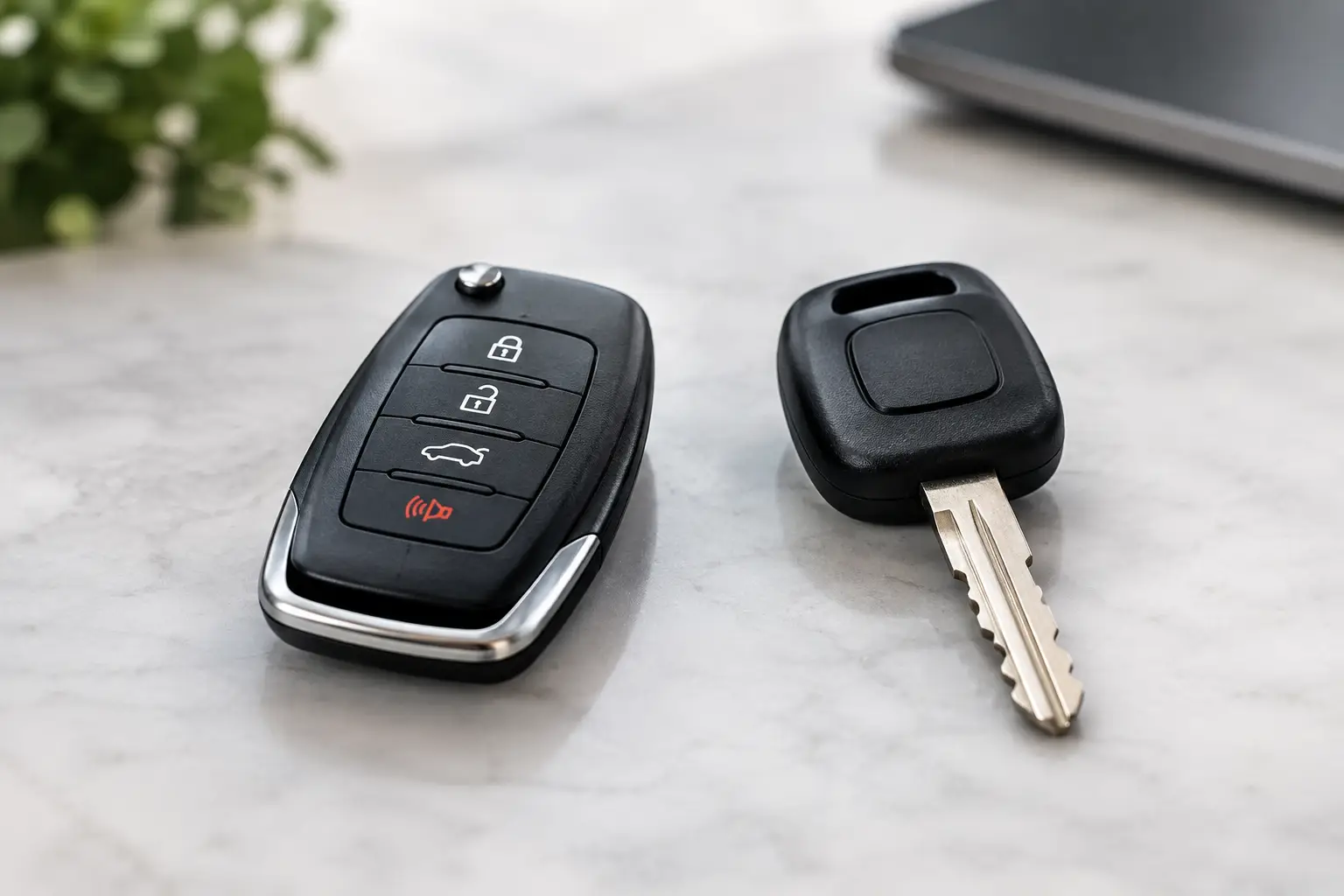
A transponder key has a chip in the plastic head. It may have no remote buttons at all, even though it is electronically coded. Many older Ford, Vauxhall, Volkswagen, Renault and Peugeot models use this arrangement. The chip is normally passive, meaning it does not need its own battery to communicate with the car.
If the key blade is worn or snapped, a replacement can often be cut and programmed. If the transponder chip has failed or been lost from a damaged key head, the new chip must be set up to match the immobiliser.
Remote keys and flip keys
Remote keys combine the transponder with buttons for central locking. A flat battery can stop the remote buttons working, but it will not always stop the engine starting because the transponder is separate from the remote battery on many models.
That distinction matters. If the doors no longer lock remotely but the car starts, the problem could be the battery, buttons, circuit board or remote synchronisation rather than the immobiliser. If neither locking nor starting works, further testing is needed.
Proximity and keyless entry fobs
Modern keyless fobs allow the driver to keep the key in a pocket or bag. The car detects it nearby, permits entry and enables the start button. These systems are convenient but more complex, with coded communication, batteries and vehicle-specific programming involved.
A weak fob battery can cause intermittent warnings such as “key not detected”. However, the fault can also lie with the vehicle’s receiver, antenna, wiring or start system. Replacing the battery is sensible, but it is not a cure for every keyless fault.
How coded vehicle keys are programmed
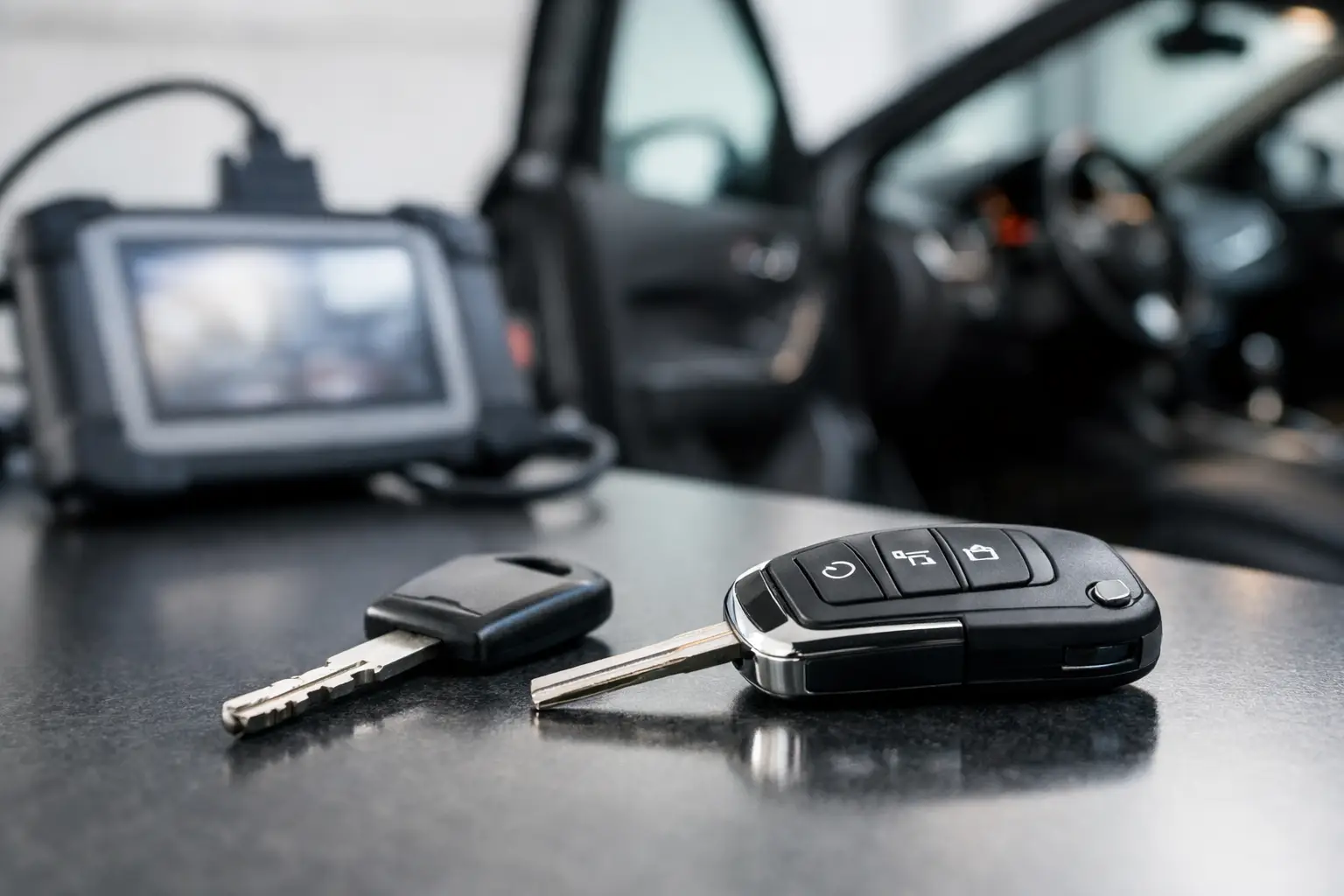
Programming means adding a key’s electronic identity to the vehicle’s authorised key memory. Depending on the make, model and year, this may be done through the diagnostic port, by working directly with the immobiliser system, or by following a manufacturer-specific procedure.
Some cars require a security code or PIN before new keys can be added. Others need specialist equipment capable of reading data from the vehicle. On certain models, all existing keys may need to be present when programming is carried out, because the system can erase and re-register the full set.
This is why a cheap key bought online is not always a cheap solution. It may be the wrong frequency, have an incompatible chip, arrive with a poor-quality blade, or still require cutting and programming. A suitable aftermarket key can sometimes reduce the cost, but only when it is genuinely compatible and programmed correctly.
Common coded vehicle key problems
The most obvious failure is a lost key, particularly when it is the only one. There is no need to replace locks automatically in every case, but the lost key should usually be removed from the car’s memory where possible. That prevents it from starting the vehicle if it is later found by someone else.
A broken key is another regular call-out. The blade may snap in the ignition, the remote case may split, or the chip may be damaged after a key has been dropped or crushed. A broken fob shell can sometimes be replaced while retaining the original electronics and transponder, which is often more economical than supplying a complete new key.
Intermittent starting is more frustrating because it can look like a vehicle fault. You may see an immobiliser light flashing, receive a “key not recognised” message or find that the engine starts only after several attempts. Try the spare key if you have one. If the spare works consistently, the original key is the likely cause. If both keys fail, the fault may be in the vehicle rather than the keys.
Water damage also causes trouble, especially with remote and proximity fobs. Do not repeatedly press buttons or attempt to start the car if a key has been through the wash. Remove the battery where practical, keep the fob dry and have it checked. Corrosion on the circuit board can spread if it is ignored.
A guide to coded vehicle keys when you need a replacement
The quickest route to a replacement depends on what has happened. If you have one working key, making a spare is generally simpler and less disruptive. The existing key provides a useful reference for the blade, transponder type and remote function.
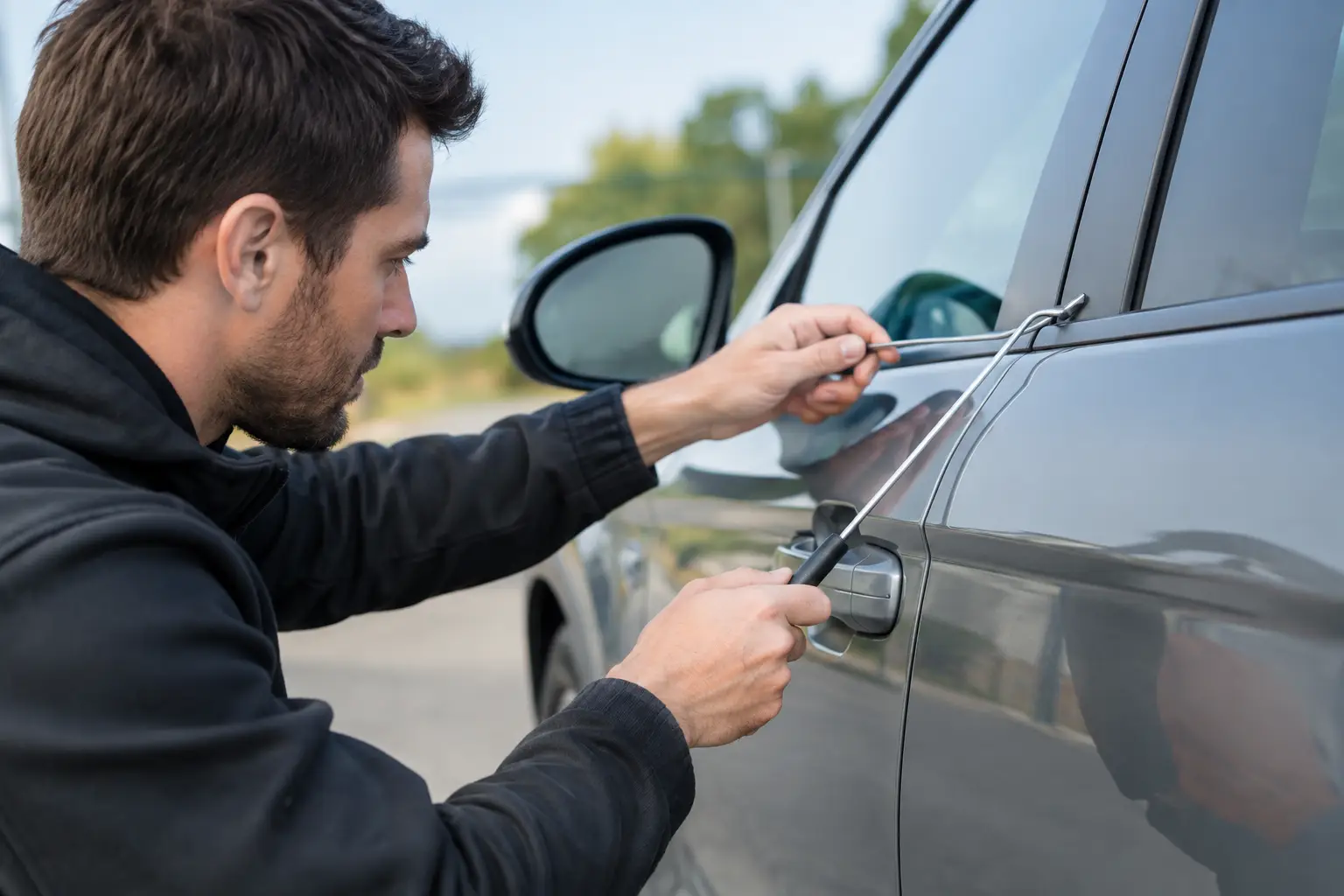
If all keys are lost, a specialist automotive locksmith can normally gain entry without damaging the vehicle, establish the correct key profile, cut a replacement and programme it to the immobiliser. The exact method varies by vehicle. Some jobs can be completed at the roadside, while others may need additional diagnostic work because of the vehicle’s age, security design or an existing electrical fault.
Have your registration, make, model, year and location ready when you call. If possible, check whether the key was a basic ignition key, a remote flip key or a keyless fob. This information helps the locksmith arrive with suitable equipment and reduces wasted time.
Proof that you own or are authorised to use the vehicle is also essential. A professional auto locksmith should verify ownership before making or programming keys. It protects the customer as well as the vehicle.
When the problem is not actually the key
It is easy to blame the key when the car will not start, but the evidence matters. A flat vehicle battery, failed starter motor, fuel issue or dashboard fault can all prevent starting. A key fault is more likely if the immobiliser warning appears, the vehicle specifically reports a key recognition problem, or a known-good spare starts the car without issue.
Likewise, a central locking fault does not automatically mean the key needs replaced. If the fob works only when held close to the car, start with a fresh, correctly fitted battery. If neither remote works, the vehicle’s receiver, fuse or central locking system may need attention.
An experienced auto locksmith can assess the key, test its transponder and remote output, and identify whether programming is required before you spend money on a replacement that will not solve the fault.
Avoiding a coded key emergency
The best time to deal with a spare key is before the only key is lost or damaged. Keep the spare somewhere safe at home, not in the glovebox. If your current key case is loose, buttons are worn or the blade is cracking, repair it before the chip or circuit board is damaged.
For keyless vehicles, replace the fob battery when the dashboard first shows a low-battery warning. Use the correct battery type and avoid touching battery surfaces unnecessarily. It is also worth knowing where the emergency key blade is stored and where your vehicle’s backup key reader is located, as this can help if the fob battery fails.
When a coded key lets you down, do not force the ignition, prise at the door or try to bypass the immobiliser. Those actions can turn a straightforward key job into damage to the lock, steering column or door. Auto Locksmith Doctor Ltd provides specialist help across West Central Scotland, with non-destructive entry and key programming where the vehicle requires it. A calm call with the right vehicle details is usually the fastest first step back on the road.

Related Posts