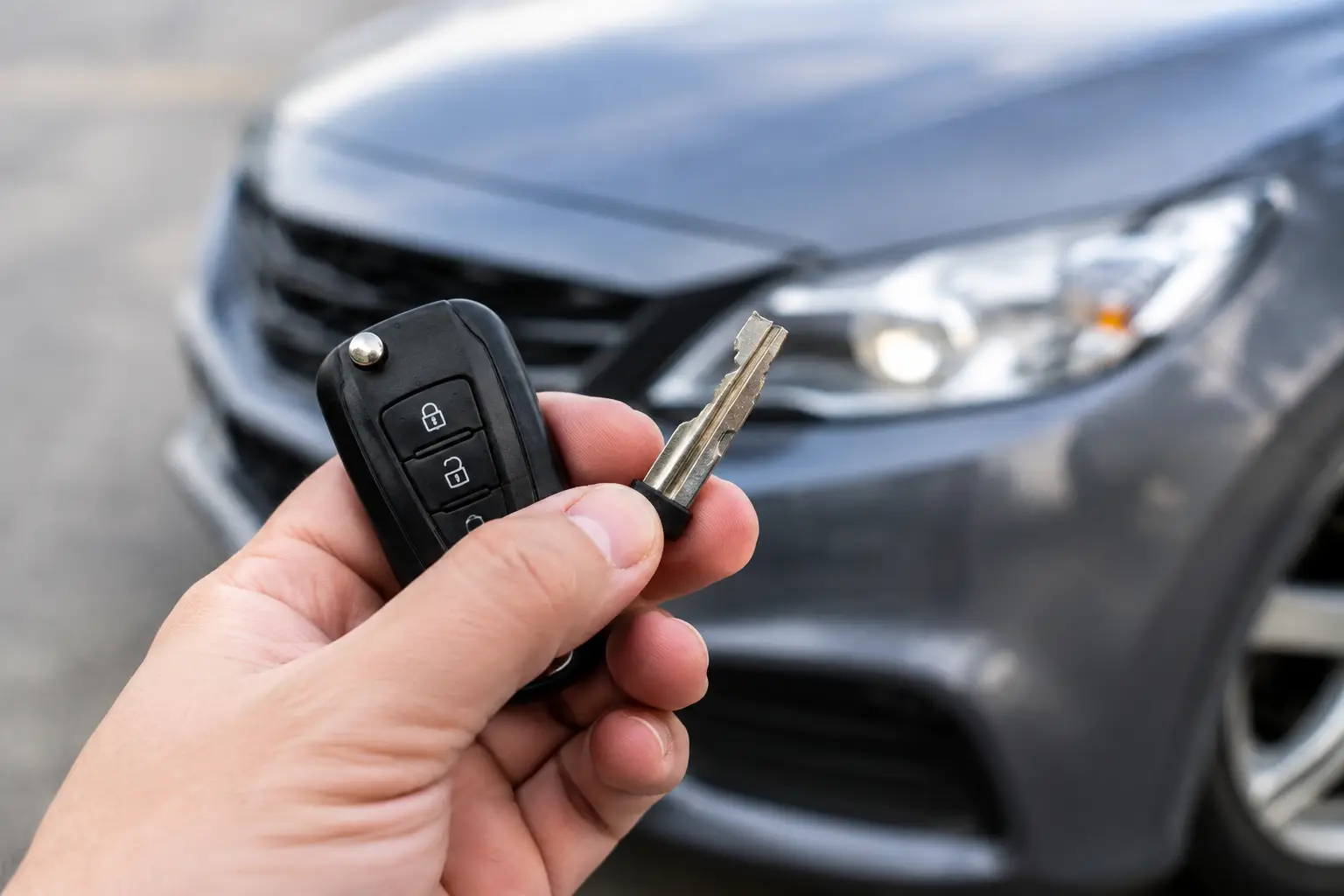
What causes car key snapping? Learn why keys break in locks or ignitions, what to do next, and how a specialist auto locksmith can help safely on site.
Mechanical Keys Versus Smart Keys Compared
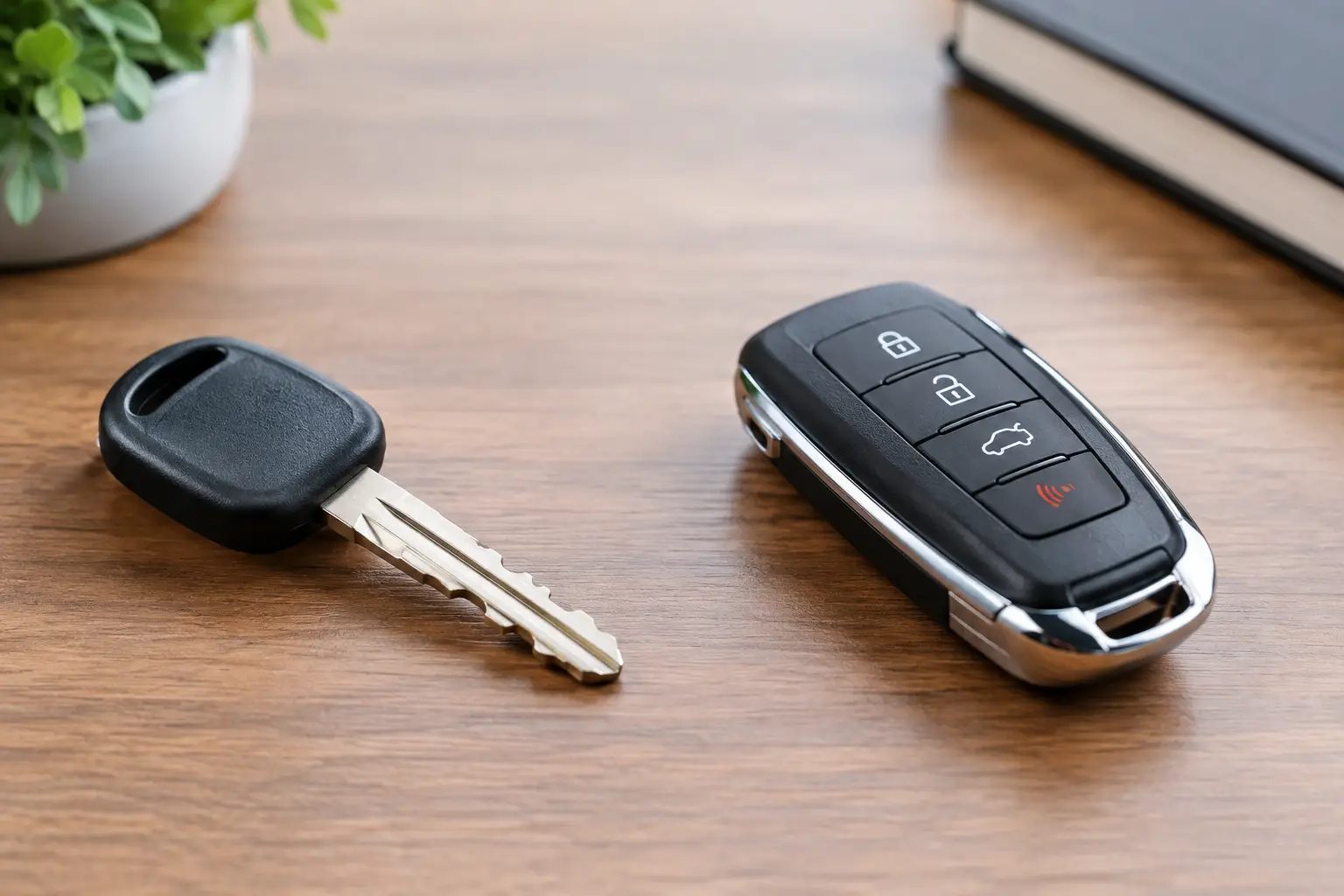
Your car key is easy to ignore until it will not turn, will not unlock the doors, or disappears when you are already late. The question of mechanical keys versus smart keys is not simply old technology against new. Both can be dependable, both can fail, and the right replacement depends on your vehicle, budget and how you use it.
For drivers across Glasgow, Paisley, Cumbernauld, Greenock and Ayrshire, understanding the difference can also make a stressful lockout or lost-key problem easier to deal with. A specialist auto locksmith can usually help with either type, but the process, equipment and cost are not the same.
What is a mechanical car key?
A mechanical key has a physical blade cut to match the lock inside your car door and, on older vehicles, the ignition barrel. When the cuts on the blade line up the pins or wafers within the lock, the key turns and gives you access to the vehicle.
The earliest examples are plain metal keys with no electronics at all. Many cars from the late 1990s onwards use a more advanced version: a key blade with a transponder chip inside its plastic head. The blade turns the ignition mechanically, but the chip must also send the correct coded signal to the immobiliser before the engine will start.
This distinction matters. If you lose a plain mechanical key, a replacement can often be cut directly from the lock or an existing key. If it is a transponder key, the new blade must be cut and the chip programmed to the vehicle. A key that turns in the ignition but does not start the engine is often missing that programming.
Why mechanical keys still have a place
Mechanical keys are straightforward, familiar and usually less expensive to replace than proximity systems. They do not need a battery to operate the lock or turn the ignition. If the remote buttons stop working, you can still often unlock the car manually and drive it, provided the transponder chip is intact.
They are also practical for older cars, second vehicles, work vans and drivers who prefer a simple spare key. A basic spare stored safely at home can save a great deal of inconvenience if the main remote key is lost or damaged.
That said, simple does not mean impossible to damage. Key blades can wear down, bend or snap in a lock. Ignition barrels can become stiff, particularly where a worn key has been used for years. Forcing either one can turn a small issue into a broken-key extraction or lock repair job.
What is a smart key?
A smart key, often called a proximity key or keyless entry fob, communicates with the car electronically. With the fob nearby, the vehicle recognises it and lets you unlock the doors by touching a handle or pressing a button. In push-button-start cars, the engine starts when the fob is detected inside the vehicle.
Most smart keys still contain an emergency mechanical blade. It may slide out from the fob or sit inside it, ready to open the driver’s door if the fob battery goes flat. The blade is only part of the system, however. To start the vehicle, the fob’s electronic identity must be correctly programmed to the immobiliser.
Smart keys bring genuine convenience. You can keep the fob in a pocket or bag, load shopping, strap a child into a car seat and get moving without searching for a key. Many systems also control remote locking, boot release and alarm functions from one compact unit.
The trade-off for that convenience
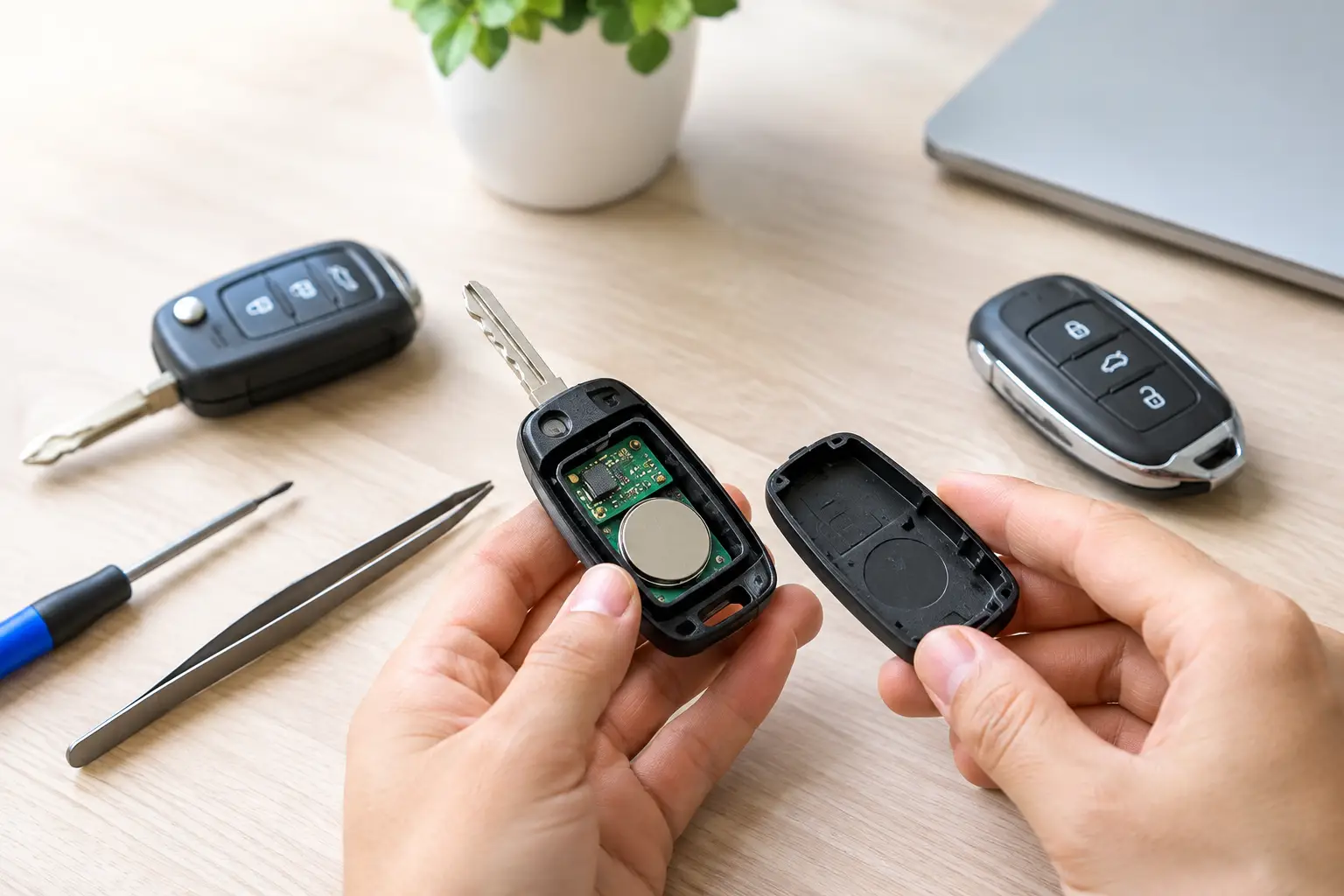
A smart key has more parts that can go wrong. The battery can run flat, the fob can suffer water damage, the buttons can wear out, and the internal circuit board can fail after being dropped. A damaged fob shell may look minor, but it can leave the transponder chip loose or expose the electronics to moisture.
Programming a smart key also requires specialist diagnostic equipment and the correct procedure for that make and model. Modern vehicle security is designed to prevent unauthorised keys being added, which is good for security but means a cheap unprogrammed fob is not a ready-to-use replacement.
Mechanical keys versus smart keys: the key differences
The biggest difference is how the car verifies that you are authorised to use it. A plain mechanical key relies on the physical shape of its blade. A transponder key adds an electronic code. A smart key relies heavily on encrypted communication between the fob and vehicle.
In day-to-day use, smart keys are more convenient. In an emergency, mechanical keys can sometimes be more forgiving because a working blade does not rely on a fob battery. Yet many modern smart-key vehicles provide an emergency starting method, such as holding the fob against a marked area or close to the start button. The exact method varies, so check your handbook before a battery failure catches you out.
Replacement costs also differ. A basic mechanical key is generally the least costly option. A remote transponder key costs more because it needs both cutting and programming. Smart keys are normally the most expensive, as the replacement fob, coding and security procedures are more involved. The vehicle make, model, year and whether all keys are lost will affect the final price.
Security is not as simple as saying newer is always better. A correctly working smart key gives strong protection through electronic coding, but owners should still protect the fob from relay theft where relevant. Keeping a keyless fob away from external doors and using suitable signal-blocking storage at home can reduce the risk. A mechanical key is not automatically insecure either, particularly when it is paired with a transponder immobiliser.
Common faults and what to do first
If a mechanical key will not turn, do not keep applying force. Check that the steering lock is not under pressure by gently moving the steering wheel while turning the key. If the key is visibly worn, bent or cracked, stop using it and arrange a replacement before it breaks in the ignition.
If the remote function has failed but the car still starts, the fob battery may be the issue. Replace it with the correct type and make sure the battery is fitted the right way round. If the buttons remain unresponsive, the fault may be with the fob, receiver or central locking system rather than the battery.
If a smart key will not start a push-button vehicle, use the manufacturer’s emergency recognition position if you know it. Avoid repeatedly pressing the start button or dismantling the fob at the roadside. If the car shows a key-not-detected warning, professional diagnosis can establish whether the problem is the fob battery, the key itself or the vehicle’s antenna system.
When all keys are lost, do not assume the dealership is your only option. A properly equipped automotive locksmith can gain entry without damage, cut the emergency blade where needed and programme replacement keys for many makes and models on site. This is particularly useful when the vehicle cannot be moved.
Choosing the right replacement key
For an older vehicle with a traditional ignition, a properly cut transponder key and a spare may be the most sensible answer. It gives you a reliable everyday key without paying for features your car does not use.
For a newer keyless vehicle, choose a quality smart key or fob that is compatible with your exact model and have it programmed correctly. The cheapest online option can become expensive if the part number is wrong, the electronics are poor quality or the key cannot be coded to your vehicle.
It is worth considering how you use the car too. A busy family car may benefit from a second fully programmed smart key. A tradesperson who cannot afford downtime may want a tested spare stored safely away from the vehicle. If your remote shell is cracked but the electronics still work, a shell replacement may be enough, avoiding the cost of a complete new key.
When you need an auto locksmith
Call for specialist help if you are locked out, the key has snapped, your only key is lost, the ignition will not accept the key, or a replacement fob needs programming. Attempting to force entry, drill a lock or bypass an immobiliser can cause costly damage and may leave the vehicle less secure.
Auto Locksmith Doctor Ltd provides damage-free vehicle entry, replacement car keys, key cutting and programming for drivers across West Central Scotland. The aim is to get you back into your car and moving again with a clear explanation of the fault and a fair solution.
A spare key is far cheaper and less disruptive to arrange before an emergency. If your current key is worn, cracked, intermittent or held together with tape, deal with it while the car still starts – not when you are stranded outside it.

Related Posts