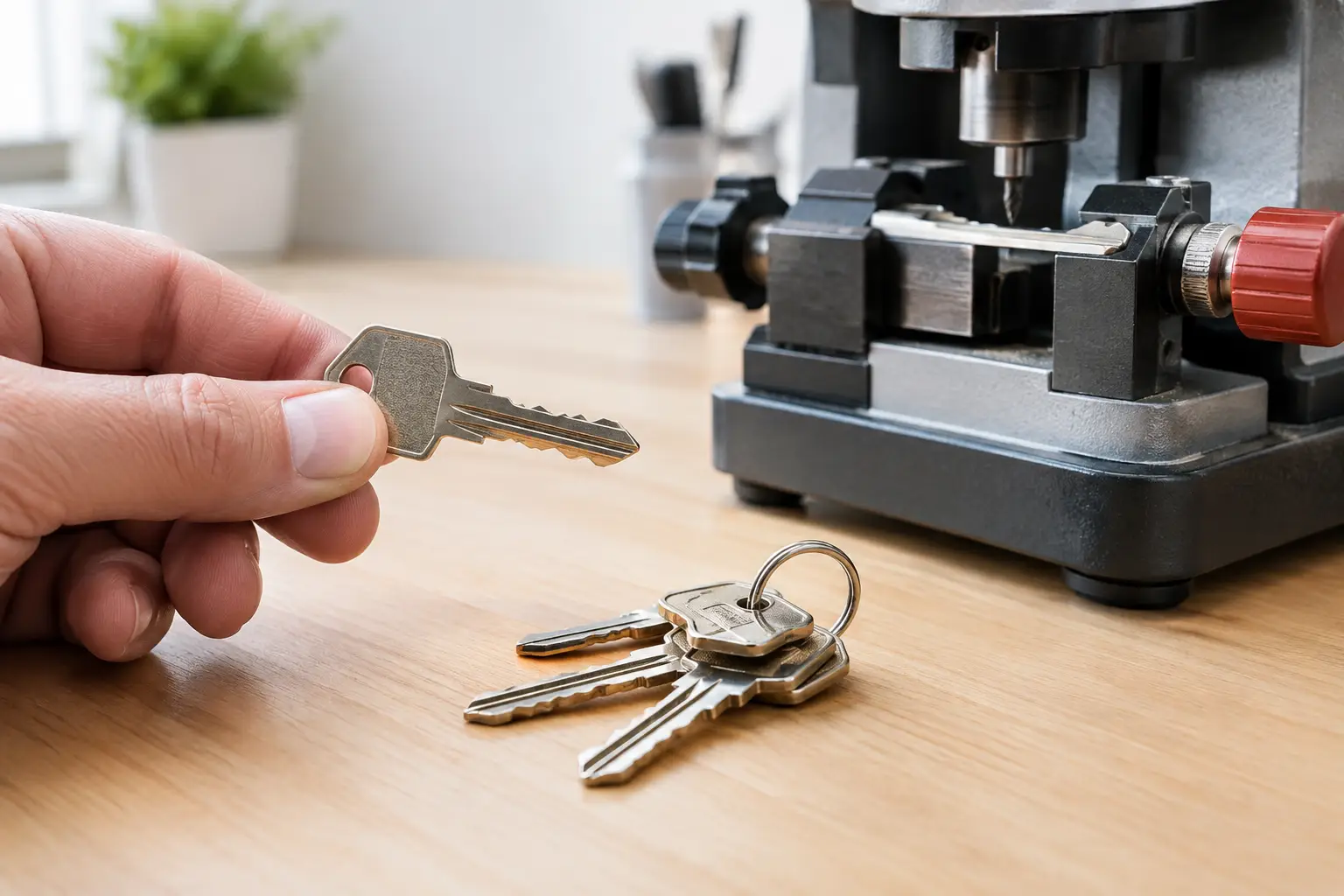
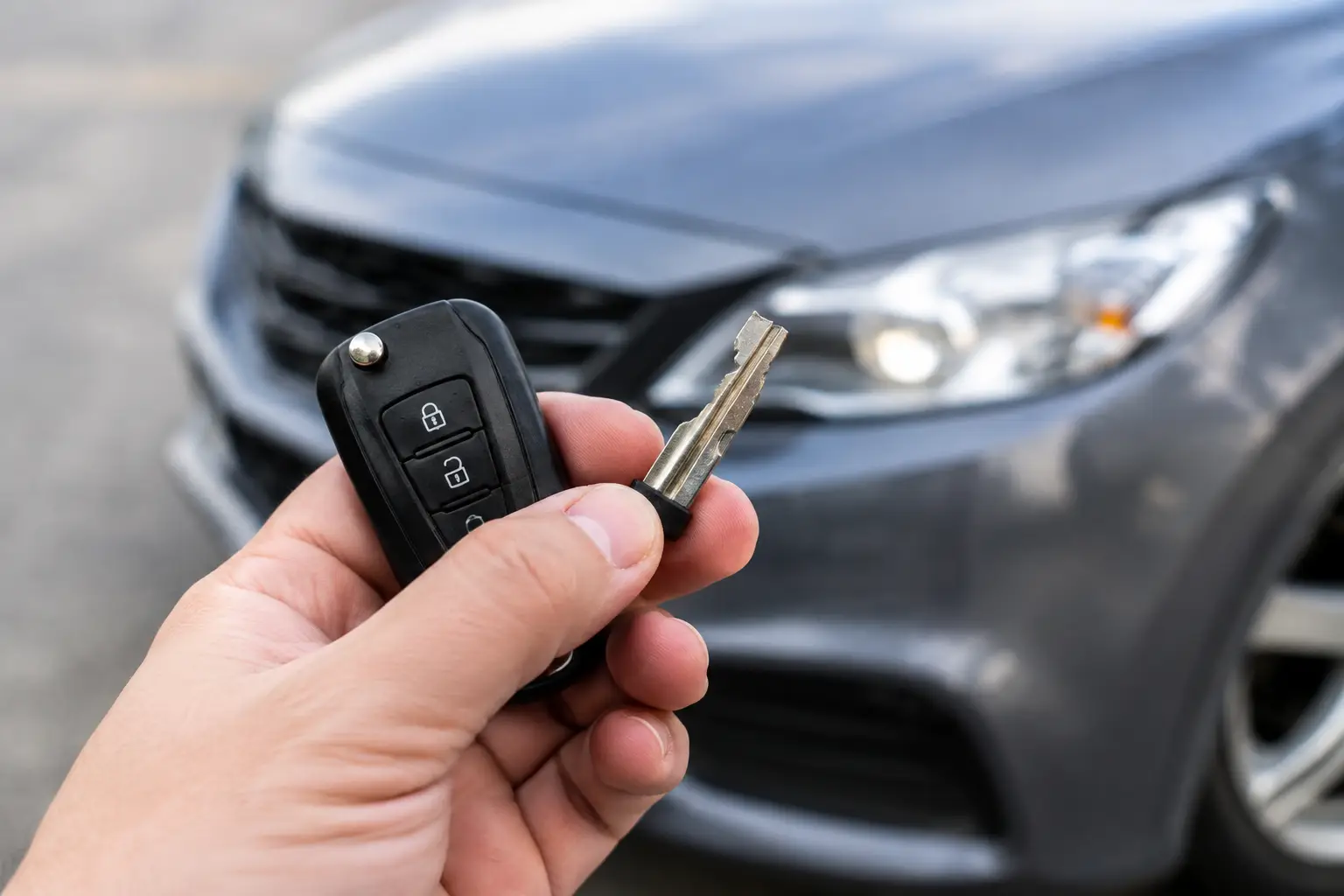
Does key cutting require original keys? Learn when a locksmith can cut a replacement from a code, lock or spare, including modern car keys. Fast.
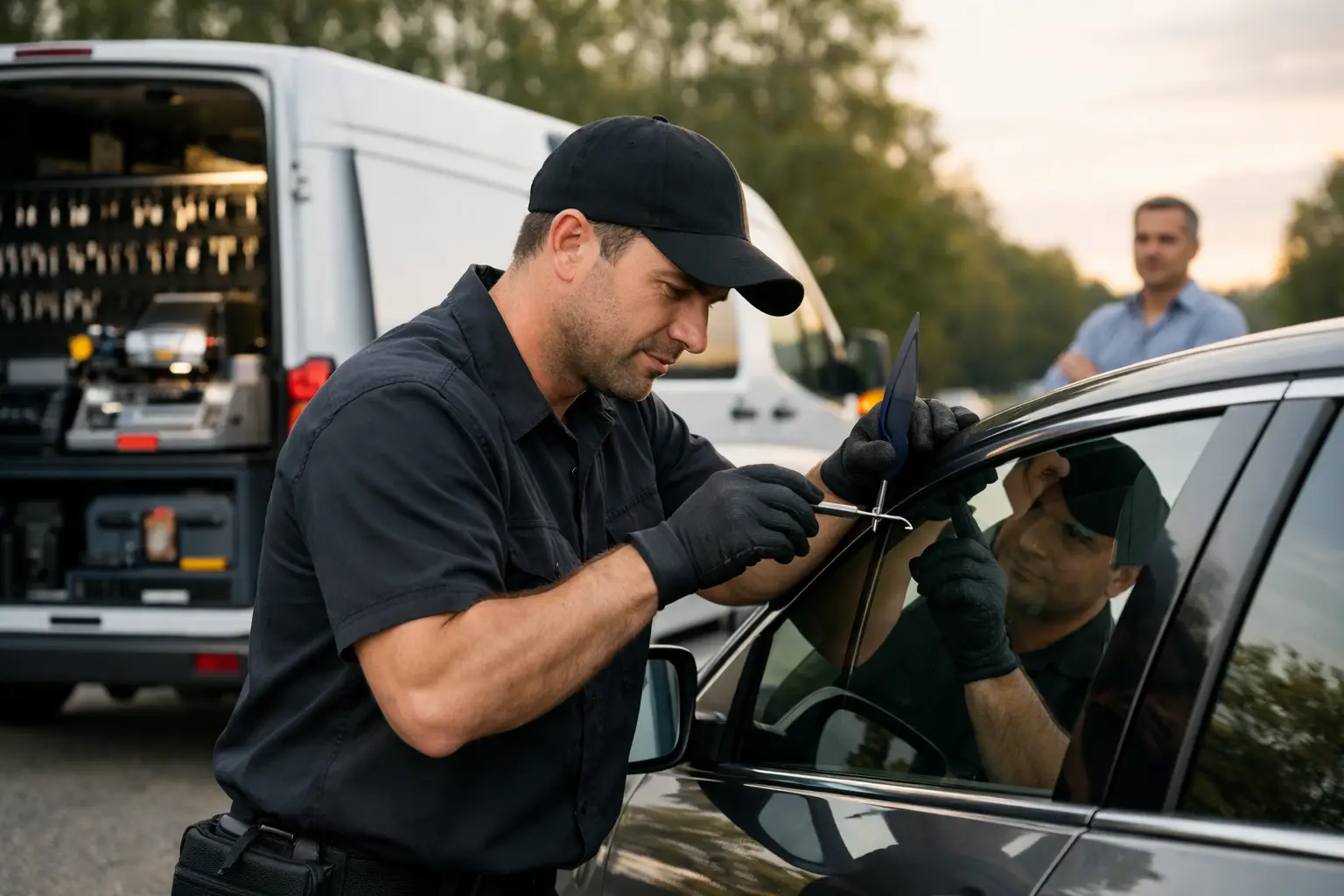
Can a Locksmith Open Any Car? The Honest Answer
A locked car outside your home, workplace or the supermarket is frustrating enough. It is worse when you are late, a child is waiting, tools are trapped inside, or your only working key is sitting on the driver’s seat. Many drivers ask, “can locksmith open any car?” The honest answer is that a specialist auto locksmith can gain entry to most cars, but no reputable professional should promise every vehicle can be opened in every situation.
The make, model, age, condition of the locks and the reason for the lockout all matter. A proper automotive locksmith will assess the vehicle first, confirm you are entitled to access it, then use the safest method available. The aim is always straightforward: get you back into your car without damage and without creating a bigger security or repair bill.
Can a locksmith open any car without damage?
In the majority of ordinary lockouts, yes. Specialist auto locksmiths carry vehicle-specific tools and have the experience to work with mechanical locks, central locking systems, transponder keys and modern proximity key setups. This is very different from forcing a door, smashing a window or using improvised tools that can bend a frame, damage weather seals or set off an alarm.
Non-destructive entry may involve carefully picking the door lock, using an approved bypass technique, decoding the lock, or accessing the vehicle in a way suited to that particular model. The right method depends on the car. Older vehicles often have simpler mechanical lock systems, while newer cars may have deadlocks, electronic security, double locking and protected lock assemblies.
A professional will not treat every vehicle the same. Trying the wrong approach can damage the lock barrel, scratch paintwork or leave the door unable to lock properly afterwards. That is why a general locksmith, recovery firm or well-meaning friend is not always the right person for a modern vehicle lockout.
Why some cars are harder to open
Modern vehicles are designed to resist unauthorised entry. That is good news when you are parking overnight, but it can make a genuine lockout more complicated. Post-1995 vehicles commonly use electronically coded keys linked to an immobiliser. Even if the door is opened, that does not mean the engine can be started without a correctly programmed key.
Some cars also use superlocking or double locking. Once activated, the interior handles may not release the doors, even if you can see the keys through the window. Deadlocks can limit certain entry methods too. On vehicles with a fault in the central locking, a flat vehicle battery or water-damaged wiring, the problem may be more than a key locked inside.
There are also practical issues. A damaged lock, previous attempted break-in, badly fitted replacement door parts or a vehicle that has been modified can all affect access. If a lock is seized or the door mechanism has failed, opening the car safely may require more time and a different solution than a standard lockout.
For this reason, beware of anyone who guarantees they can open every car in minutes before they know the registration, model and circumstances. A reliable auto locksmith will give clear advice, explain likely options and be honest if a fault needs further repair.
What a car locksmith can usually help with
A vehicle lockout is not always just a locked key problem. Specialist automotive locksmith services can often deal with the wider issue on site, saving you from arranging recovery and then waiting for a dealer appointment.
If your key is lost, stolen, snapped or no longer recognised by the car, a replacement may be cut and programmed. Where the remote fob has failed but the internal key still works, the fob shell, buttons or battery may be the only part that needs attention. If central locking has stopped responding, the locksmith can determine whether the cause is the remote, the key, the lock or the vehicle itself.
In many cases, the job involves two parts: gaining entry and making the car usable again. Opening a vehicle with no working key is only the first step. The replacement key must match the vehicle’s lock and, on most modern cars, communicate correctly with the immobiliser before the engine will start.
Entry is not the same as starting the car
This distinction catches many motorists out. You may have a spare key that turns in the door but will not start the engine, or a remote that unlocks the car but has a damaged transponder chip. A key can look fine externally and still fail electronically.
A specialist can test the situation and advise whether you need an emergency entry service, a new mechanical key, transponder programming, remote repair or a full replacement key. Clear diagnosis avoids paying for work that does not solve the actual problem.
Proof of ownership is part of the job
A trustworthy locksmith will not simply open a car for anyone who asks. They will ask for proof that you own the vehicle or have authority to access it. This may include your driving licence, V5C logbook, insurance documents, lease paperwork or other suitable identification.
Do not worry if your documents are locked inside the car. Explain this when you call. Once access has been gained, you can show the documents from inside, along with identification where possible. The exact checks may vary, but they protect you, your vehicle and everyone else on the road.
If you are driving a company car, van or leased vehicle, it helps to have the employer or fleet manager available to confirm permission. This can prevent delays, particularly outside normal business hours.
When damage-free opening may not be possible
Non-destructive entry is always the preferred route, but there are rare cases where a vehicle’s condition prevents it. A door lock may be destroyed, heavily corroded or previously drilled. An accident may have distorted the door frame. A severe electrical fault can leave electronic systems unresponsive, while a broken internal mechanism may stop a door from releasing normally.
In these cases, the locksmith should explain the risk before taking further action. You should know what work is proposed, why it is needed and whether a replacement lock or additional repair may be required. No one should force a door or drill a lock as a first resort on a routine lockout.
For drivers across Glasgow, Cumbernauld, Paisley, Ayrshire and Greenock, the practical advantage of calling an automotive specialist is simple: they arrive prepared for car security systems, rather than guessing at them. Auto Locksmith Doctor Ltd focuses on vehicle access, replacement keys and programming, using the least invasive method suitable for the car.
What to do while you wait for help
First, check every door and the boot only if it is safe to do so. Some cars may have a separate boot release or a door that has not fully locked, but do not keep pulling handles or forcing the key in the lock. A bent key or damaged barrel can turn a simple call-out into a more involved repair.
Keep the vehicle in sight where possible and move to a safe, well-lit place if you are stranded at the roadside. If a child, vulnerable person or pet is locked in the car, or there is immediate danger from heat, cold or traffic, call emergency services straight away. Do not wait for a locksmith where there is a risk to life.
When calling for assistance, have the registration number, make, model, location and a brief description of the fault ready. Mention whether the keys are visible inside, whether you have a spare, and whether the car uses a key blade, remote fob or keyless start. These details help the locksmith bring the right equipment and give you a more accurate expectation of the work.
A car lockout can feel like a major disruption, but it does not have to end with broken glass or an expensive dealer recovery. The right specialist will assess the vehicle properly, protect its security and get you moving again with the minimum possible fuss.

Related Posts