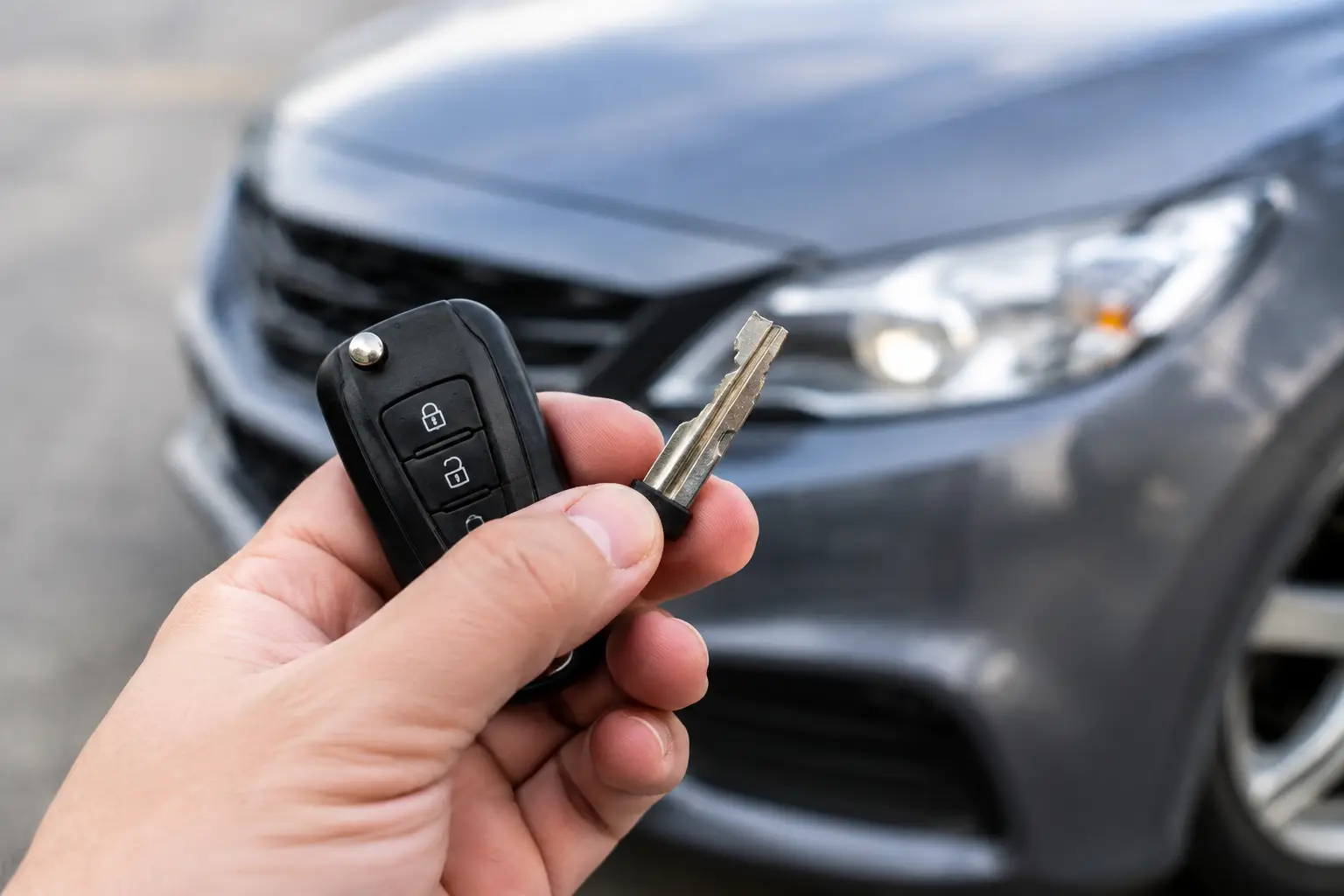
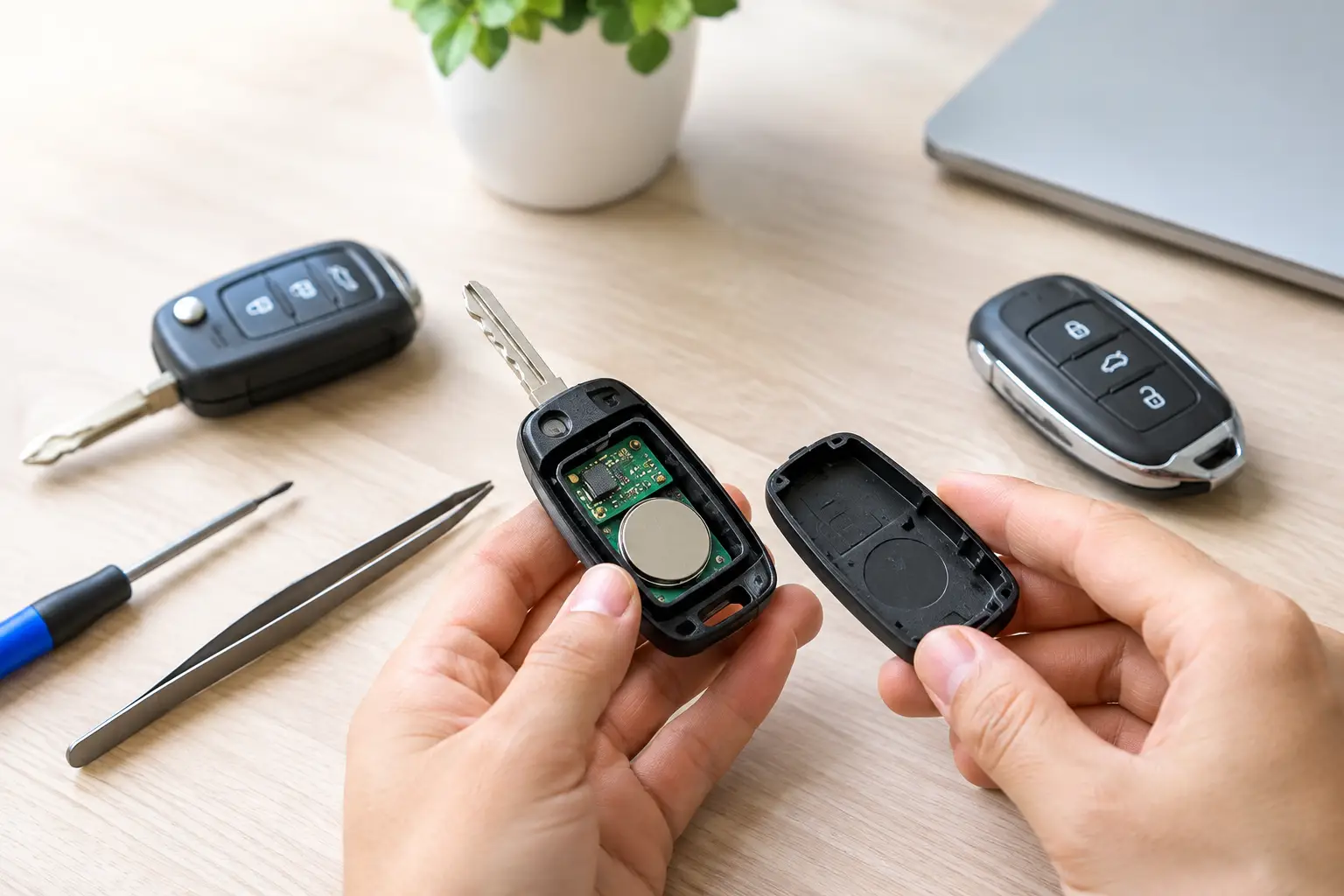
What causes car key snapping? Learn why keys break in locks or ignitions, what to do next, and how a specialist auto locksmith can help safely on site.
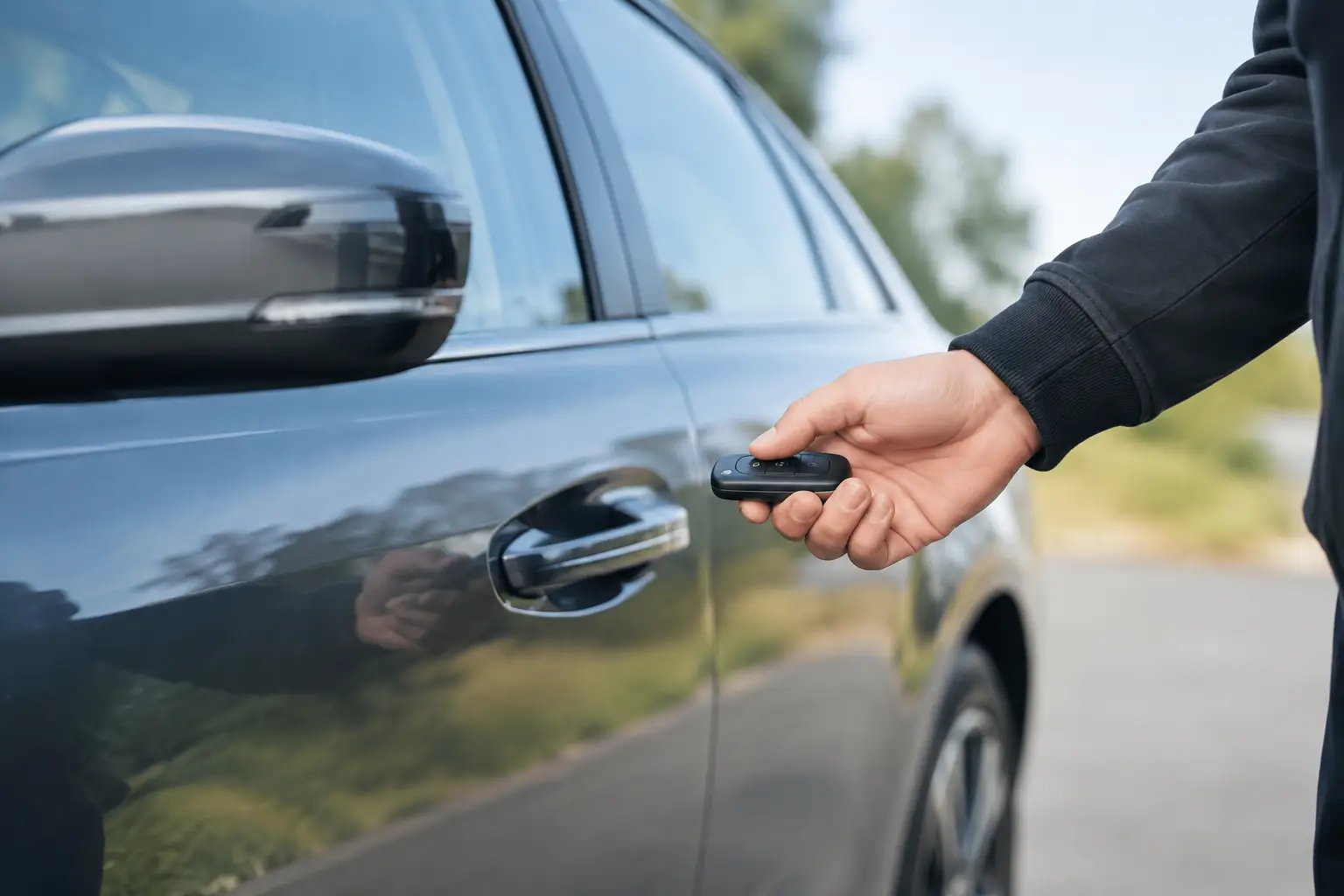
A Guide to Vehicle Entry Methods Without Damage
A locked car is rarely just an inconvenience. It can mean a child seat, work tools, shopping, medication or the only working key is on the wrong side of a locked door. This guide to vehicle entry methods explains how a specialist automotive locksmith assesses the situation and gains access without turning a straightforward lockout into an expensive repair.
The right approach depends on the vehicle, its age, its locking system and the reason it will not open. A 1990s hatchback with a mechanical key is not handled in the same way as a modern vehicle with deadlocking, alarm sensors, proximity entry and an immobiliser. The aim remains the same: get you back into your vehicle safely, quickly and without damage.
Why vehicle entry should be non-destructive
Breaking a window, forcing a door frame or attempting to lever a lock can create a much bigger problem than the original lockout. Door seals can tear, glass can shatter into the cabin, wiring may be damaged and modern doors can lose their weather seal or alignment. A bent frame may also create wind noise and water leaks long after the vehicle is opened.
Professional vehicle entry is about selecting a controlled method that suits the car. In many cases, access can be gained without replacing any parts at all. Where a lock, key or electronic system has failed, the locksmith can identify that fault before deciding whether a repair, replacement key or programming work is needed.
It also protects the vehicle’s security. Modern cars are designed to resist forced access. Trying improvised methods from online videos can set off the alarm, damage the central locking system or leave the vehicle less secure afterwards.
Guide to vehicle entry methods used by specialists
A qualified auto locksmith does not use one method for every vehicle. They inspect the make, model, year and visible condition first, then confirm that the person requesting access is entitled to use the vehicle. From there, the entry method is chosen to minimise risk.
Lock picking and mechanical lock entry
On vehicles with a usable door lock, a specialist may use professional lock-picking tools to operate the lock in the way the correct key would. This is a precise process, not a matter of forcing anything. It can be particularly useful when keys are locked inside, a remote fob battery has failed or the central locking is not responding.
The condition of the lock matters. If it has been damaged, seized through lack of use or previously forced, opening it may reveal that the lock needs attention afterwards. Older vehicles often rely more heavily on mechanical locks, while many newer cars retain a concealed or emergency key barrel as a backup to the remote system.
Bypass entry for suitable vehicles
Some vehicles can be opened using a specialist bypass technique. This means reaching the appropriate internal release or locking mechanism with tools designed for vehicle access, while avoiding damage to trims, seals, airbags, wiring and window mechanisms.
This method is not appropriate for every car. Deadlocks, double-locking systems and vehicle-specific security designs can rule it out. A reputable locksmith will not force a method simply because it is quick. If there is a safer route, that is the route to take.
Controlled door opening tools
For certain lockouts, a locksmith may create a very small, carefully controlled gap at a suitable point of the door using purpose-made equipment. Access tools can then be used to operate the correct release point inside the vehicle.
This is not the same as prising a door open. Done incorrectly, it can bend the frame, crush seals or damage paintwork. Done by an experienced vehicle locksmith, it is measured, vehicle-specific and followed by checks to make sure the door closes properly and the central locking still operates as it should.
Electronic diagnosis and key-related access
Sometimes the door itself is not the real problem. The key fob may have failed, the battery may be flat, the remote may have lost synchronisation or the vehicle’s central locking may have developed a fault. Proximity keys can also fail to communicate with the car, even where the emergency blade still opens the door.
In these cases, entry may be only the first part of the job. The vehicle may need a replacement key, a repaired fob shell, transponder programming or diagnosis of the locking system before it can be driven again. For cars built after the mid-1990s, the immobiliser is a key part of the process. Opening the car does not automatically mean the engine will start without a correctly programmed key.
What affects the best entry method?
Vehicle make and model are obvious factors, but the circumstances matter just as much. A key locked on the front seat is different from a snapped key in the door lock. A vehicle that has deadlocked itself after a flat battery needs a different approach from one with a faulty remote.
The locksmith will usually consider the vehicle’s age, whether it has a working key barrel, the type of central locking fitted and whether the alarm or deadlocking system is active. They will also look for signs of previous damage or attempted entry, as these can affect which method is safe.
Weather can matter too. In heavy rain, freezing conditions or a busy roadside location, the job must be carried out with extra care. If you are stranded on a hard shoulder or in an unsafe place, move yourself and any passengers to safety first and contact the relevant emergency service where required.
Common lockout situations and the sensible response
The most common call is a key left inside the vehicle. If you have a spare key nearby, that may be the simplest answer. If not, a specialist can usually assess non-destructive access on site.
A lost or stolen key is more involved. Access may be required, but so may cutting and programming a new key. If theft is a concern, the vehicle’s existing key data may need to be addressed so the missing key cannot continue to operate the car.
With a broken key, avoid pushing fragments further into the lock or ignition. The broken section may be removable, but forcing it can damage internal components. A replacement key may then need cutting and programming once the original issue is resolved.
If the remote stops working, try the spare key if you have one and check the fob battery where practical. Do not assume a fresh battery will solve every problem. The fob, vehicle receiver, central locking module or key programming can all be responsible.
What not to do when you are locked out
Avoid coat hangers, wire, screwdrivers, wedges not made for vehicle use and any attempt to smash a window. These methods can damage the car, trigger alarms and cost far more than professional entry. They can also put you at risk from broken glass, sharp metal and passing traffic.
Do not repeatedly press a faulty remote in the hope it will suddenly work. If the fob is weak, damaged or out of sync, repeated use can waste valuable time. Keep the key and fob together, take note of any warning messages on the dashboard, and tell the locksmith exactly what happened before the vehicle locked.
If a child, vulnerable person or animal is locked inside a vehicle, treat it as urgent. Call emergency services immediately where there is any risk to life or health. A locksmith can assist with access, but emergency responders should take priority when conditions are dangerous.
Choosing an auto locksmith in West Central Scotland
Look for a locksmith who works specifically with vehicles, not simply a general locksmith who occasionally opens cars. Automotive security systems require the right tools and knowledge, particularly on newer vehicles with transponder keys, immobilisers and proximity systems.
Ask whether the provider uses non-destructive methods wherever possible, whether they can deal with replacement keys and programming if needed, and whether the price is explained before work begins. A local operator also understands the practical reality of reaching drivers across Glasgow, Cumbernauld, Paisley, Ayrshire and Greenock without unnecessary delay.
Auto Locksmith Doctor Ltd provides specialist vehicle entry, car key replacement and programming support across West Central Scotland, with a no-open-no-charge promise where access cannot be gained on site.
When a vehicle will not open, the quickest-looking solution is not always the cheapest or safest one. Keep clear of forced methods, protect the car from further damage and get a vehicle locksmith to assess the locking system properly. The right entry method gets you moving again without leaving a repair bill behind.

Related Posts