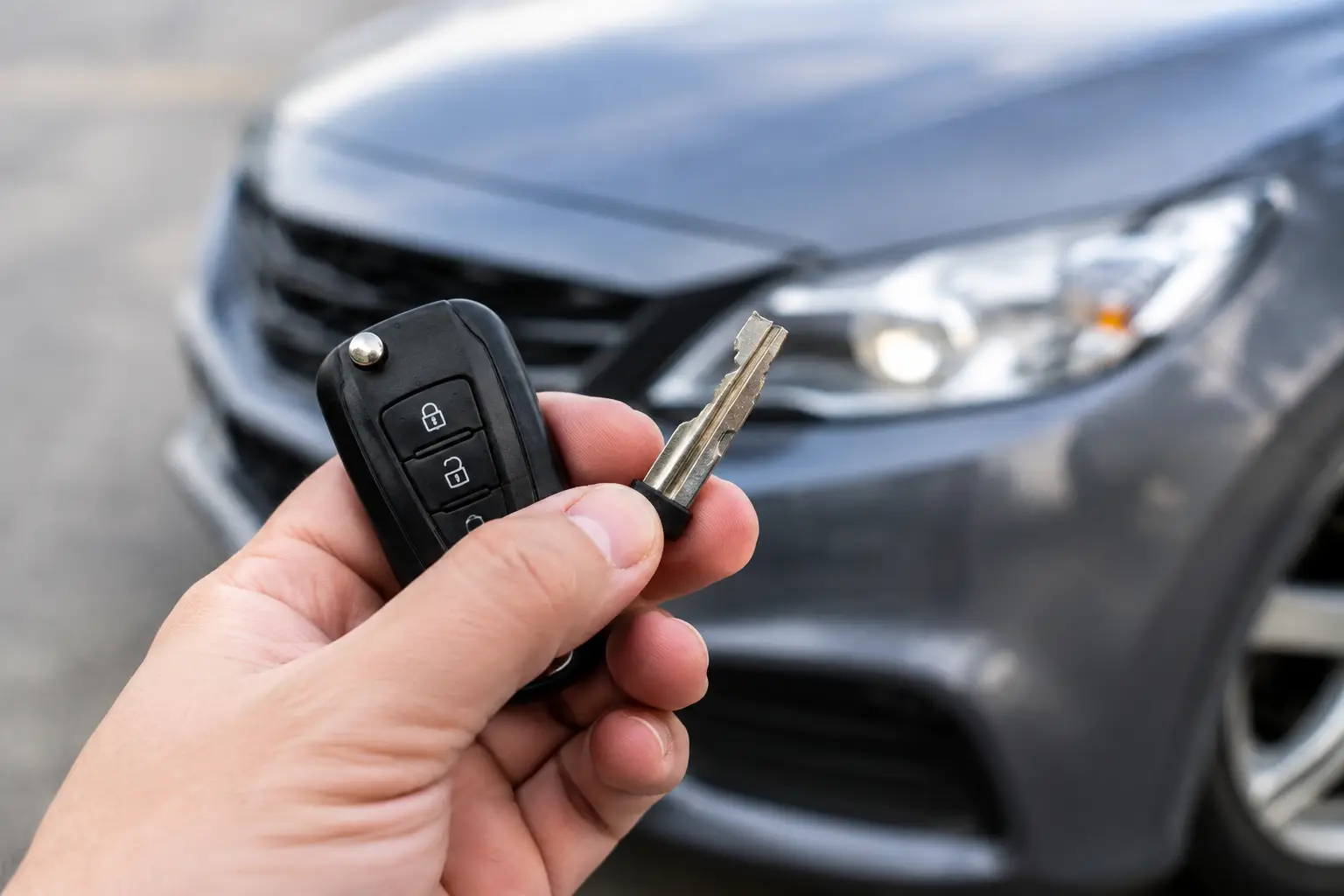
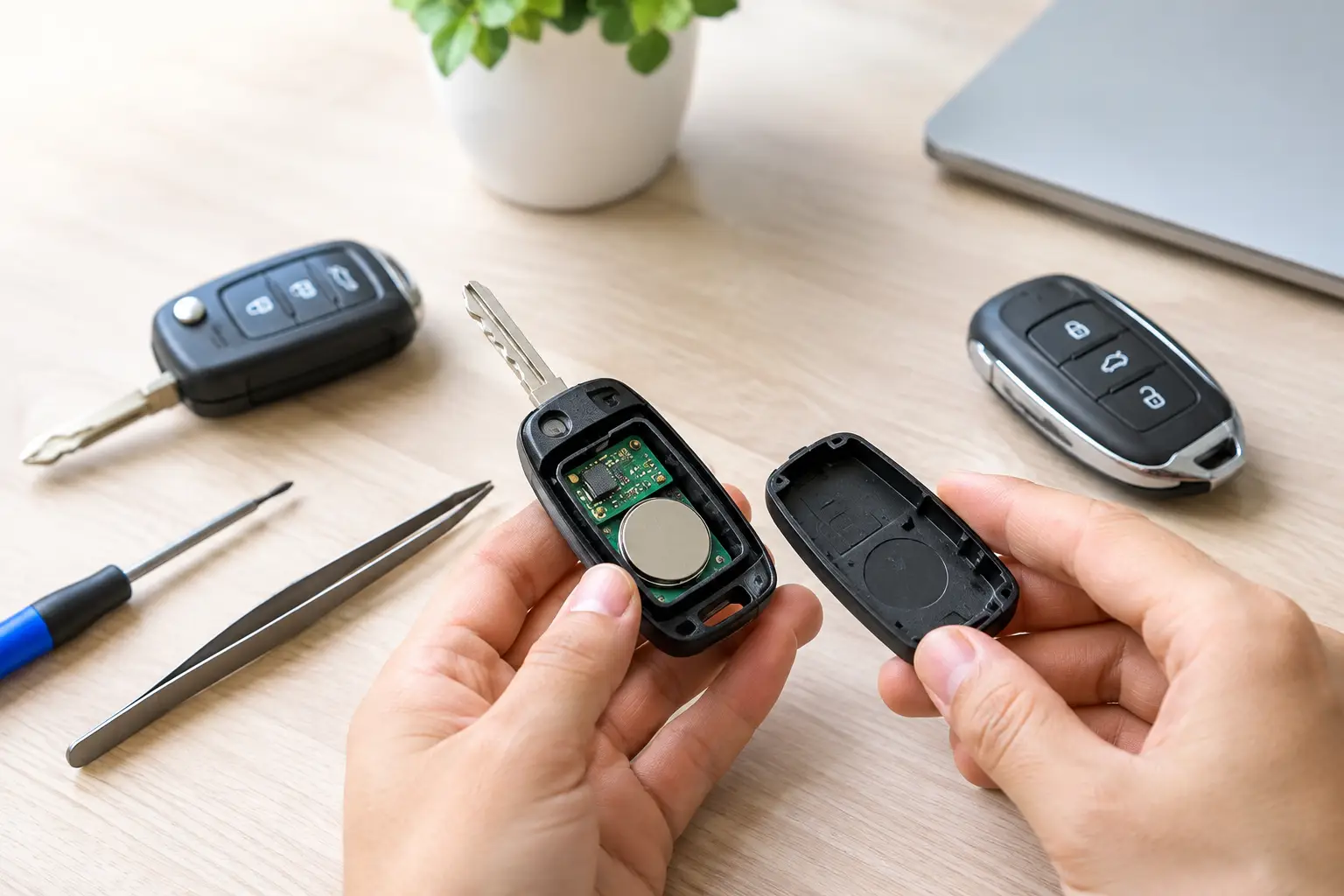
What causes car key snapping? Learn why keys break in locks or ignitions, what to do next, and how a specialist auto locksmith can help safely on site.
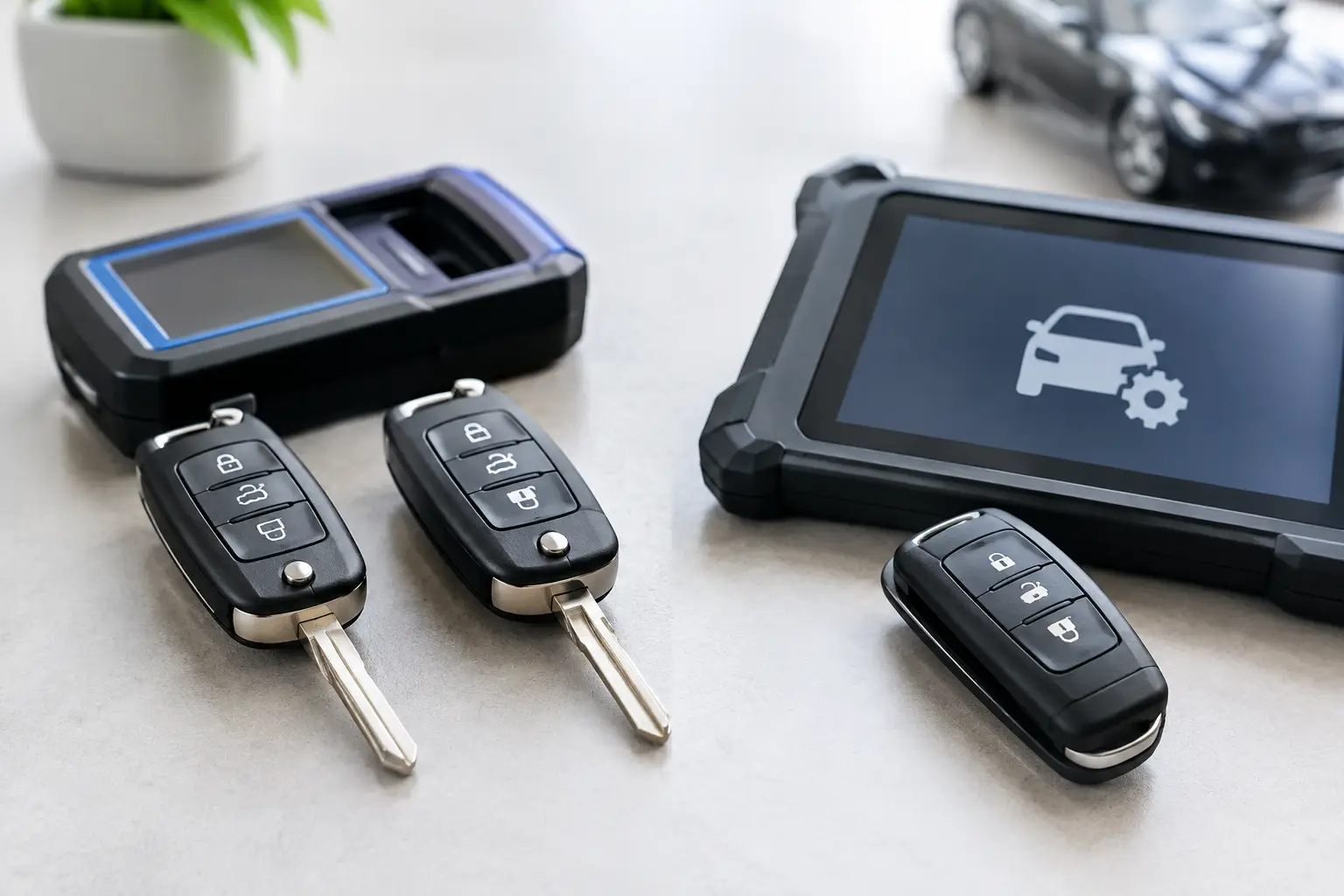
Key Cloning Versus Key Programming Explained
A spare car key can look straightforward until it will not start the engine. The difference between key cloning versus key programming determines whether a replacement simply copies a working key or is added properly to your vehicle’s immobiliser system. Choosing the right method can save time and money, but using the wrong one can leave you with a key that turns the ignition and still will not let the car start.
For drivers across Glasgow, Paisley, Cumbernauld, Greenock and Ayrshire, the practical question is usually simple: can a replacement be made where the car is parked, and will it work reliably? The answer depends on the age of the vehicle, the type of key, whether you still have a working key, and how the manufacturer has designed its security system.
What Is Key Cloning?
Key cloning means copying the electronic information from an existing working transponder key onto a compatible blank key. A transponder is the small chip inside many car keys that communicates with the vehicle’s immobiliser. When the correct chip is recognised, the immobiliser allows the engine to start.
With cloning, the locksmith reads the data held on your existing key and writes that same data onto another chip. The vehicle sees both keys as the same key. In many cases, there is no need to connect diagnostic equipment to the car or access its immobiliser memory.
This can be a useful option for certain older and more straightforward vehicles. If you have one working key and need a spare quickly, cloning may be faster than programming. It can also be helpful when a vehicle is parked somewhere with limited access or when the job needs completed at the roadside.
However, cloning is not suitable for every vehicle or every type of key. Modern systems may use encrypted transponders, rolling security data or key information that cannot simply be copied. Some keys can be cloned only with specialist chips and equipment, while others must be programmed directly to the car.
The main limitation of a cloned key
Because a cloned key is a duplicate rather than a separately registered key, the vehicle cannot tell the two apart. If the original is lost or stolen, removing that one copied identity from the car may also stop the cloned spare from working.
That does not necessarily make cloning a bad choice. It just means it is best suited to a genuine spare-key situation where the original remains secure. If security after a lost or stolen key is the priority, programming is usually the better route.
What Is Key Programming?
Key programming adds a replacement key to the vehicle’s security system. Rather than copying another key, the locksmith communicates with the car and registers the new key’s transponder or remote function in the immobiliser, body control module or relevant control unit.
The result is a key with its own recognised place in the car’s system. Depending on the vehicle, programming may cover the immobiliser chip, remote central locking buttons, keyless entry, proximity starting, or a combination of these functions.
This is commonly required for newer cars, smart keys, proximity fobs and many vehicles with higher-security immobiliser systems. It is also the normal solution when all keys have been lost. With no working key to copy, there is nothing available to clone.
Programming can take longer than cloning because the job may involve diagnostic access, security calculations, reading vehicle data, cutting an emergency blade and checking every function. On certain makes and models, the process can be carried out on site. Others may have additional security steps that affect the time and cost.
Programming can remove missing keys
One of the strongest reasons to choose programming is control over old keys. If a key has been stolen, lost on a night out, or has gone missing from a work vehicle, a specialist can often erase unauthorised keys from the vehicle memory while registering replacements.
That reduces the risk that somebody finds the lost key and returns later to access or drive the car. The exact options vary by make, model and year, but it is always worth raising the issue before a replacement is made.
Key Cloning Versus Key Programming: Which Is Right?
There is no single answer. The correct method depends on what has happened and what your vehicle will accept.
Cloning is often a sensible choice when you have a working key, need a basic spare, and your car uses a compatible transponder system. It can be a quick, cost-effective way to avoid being left with one key.
Programming is generally the better choice when your car is newer, uses a remote or proximity key, has lost-key security concerns, or has no working key available. It is also necessary where the manufacturer does not allow the original transponder data to be copied.
A good automotive locksmith will not guess based on the key’s shape alone. Two keys that look similar can use completely different chips and security methods. The vehicle registration, make, model, year and current key situation all matter.
The Remote Buttons Are a Separate Issue
A common misunderstanding is that a key which starts the car should automatically operate the remote locking. These are often separate functions.
For example, a cloned transponder may allow the engine to start, but the replacement key may still need remote programming before its lock and unlock buttons work. On some vehicles, the remote section can be synchronised easily. On others, it requires diagnostic equipment and access to the vehicle’s system.
Likewise, a replacement remote shell can improve a broken or worn key fob without changing the electronic chip inside. If the circuit board and transponder are undamaged, moving them into a new shell may be all that is needed. If the key has been through the wash, suffered impact damage or has a failed circuit board, a full replacement and programming may be required.
When You Have Lost Every Key
All-keys-lost jobs are different from making a spare. There is no existing key to clone, and the vehicle may be locked, immobilised or parked away from home.
The locksmith may first gain non-destructive entry if required, cut a mechanical key blade, then programme a new transponder or smart key to the vehicle. The approach depends heavily on the car. Some models can be dealt with efficiently at your location, while others require more involved data work or security access.
Do not be tempted by cheap online keys described as suitable for your make of car. A blank can look correct but have the wrong frequency, chip type, blade profile or circuit board. Even when it is compatible, it still needs correct cutting and programming. A bargain key that cannot be used is no bargain when you are stranded outside work or trying to collect the children.
Why Specialist Equipment Matters
Modern vehicle security is not the same as cutting a house key. Post-1995 cars commonly use immobilisers, and many newer vehicles use encrypted chips, keyless systems and manufacturer-specific procedures. General locksmith experience is useful, but automotive work requires dedicated tools, key data and technical knowledge.
A proper job should include checking that the blade operates the door or ignition where applicable, that the engine starts consistently, and that remote locking or proximity functions work if they are part of the replacement. It should also account for the vehicle battery condition and any faults already present. A weak car battery, for example, can cause misleading central-locking and keyless-entry symptoms.
At Auto Locksmith Doctor Ltd, the focus is on identifying the method your vehicle actually needs rather than forcing every replacement into the same process. That means clear advice before work begins, fair pricing, and a key that is tested properly before the job is finished.
Do Not Wait Until the Only Key Fails
If you have one working key, making a spare is nearly always easier than dealing with an all-keys-lost situation. It gives you options if the original is damaged, the remote stops working, or the key is misplaced when you are miles from home.
Keep the spare somewhere secure rather than in the glovebox, and ask whether it has been cloned or separately programmed. That small detail matters if the original ever goes missing. If your key is cracked, intermittent, water-damaged or only works when held at a certain angle, arrange help before it becomes a full lockout. A quick check now can prevent a much more disruptive day later.

Related Posts