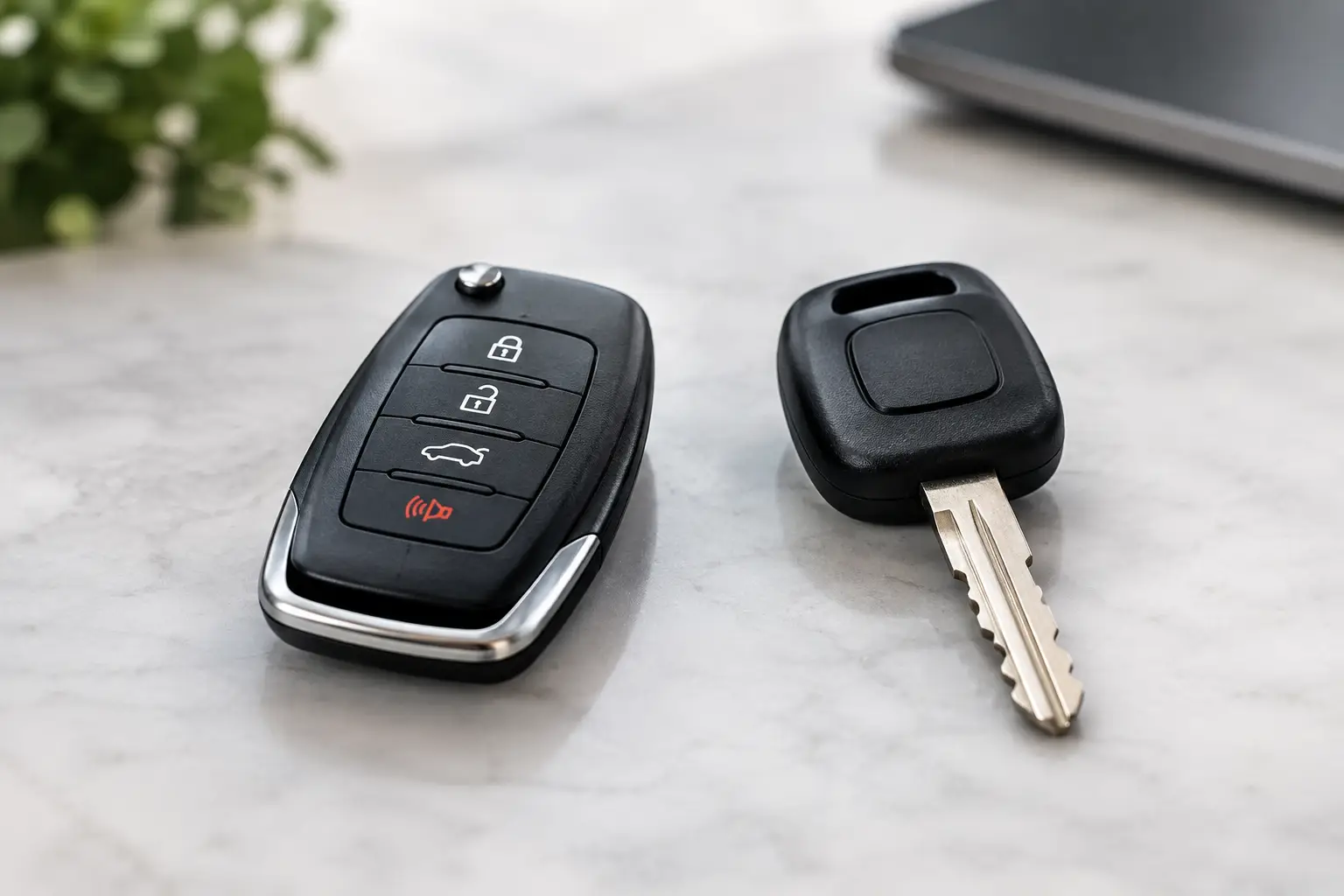
Smart key versus transponder key: learn how each works, what fails, replacement costs and when a Glasgow auto locksmith can get you moving again quickly.
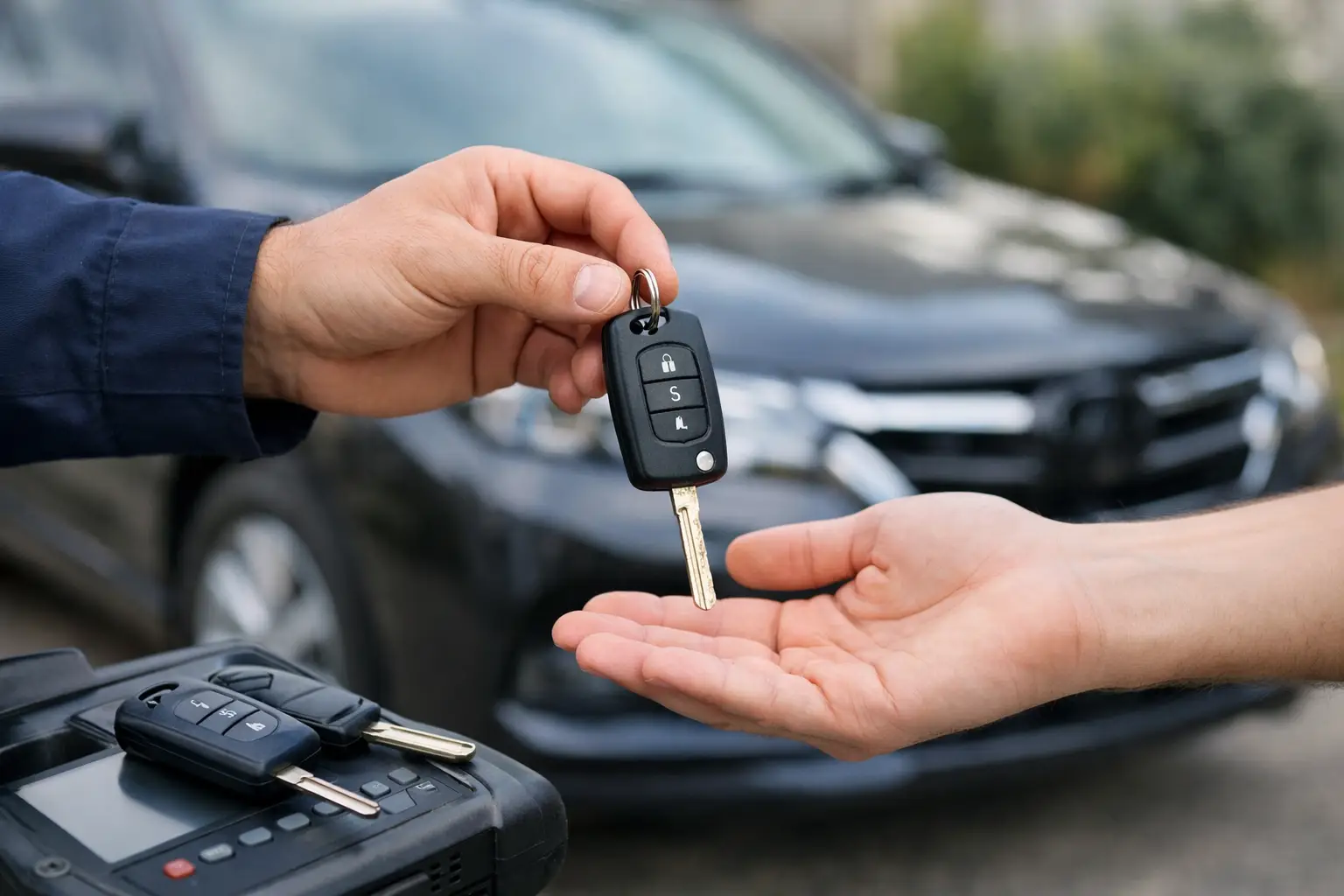
How to Replace a Lost Car Key Without Delay
Losing the only key to your car can stop the whole day in its tracks. Whether you are outside your home, at work, on a school run or stranded in a car park, knowing how to replace a lost car key helps you make the right call first time and avoid unnecessary cost or damage.
The short answer is that a specialist auto locksmith can usually make and programme a replacement key at your location. What is involved depends on the vehicle’s age, make, model and key system. A basic older metal key is very different from a modern remote fob or keyless proximity key, but neither automatically means a trip to a main dealer is required.
First, make sure the key is genuinely lost
It sounds obvious, but take two minutes to check the places where keys commonly turn up: coat pockets, bags, the car boot, under seats and around the driveway. If a spare key exists, use it only if you can do so safely and arrange a replacement promptly. One working key is better than none, but it leaves you exposed if it fails or disappears too.
If you believe the key has been stolen rather than misplaced, treat the situation differently. Move the vehicle somewhere secure if possible and report the theft to the police. Tell your insurer if your policy requires it. A replacement key can be made, but it may also be sensible to remove the missing key from the vehicle’s memory so it can no longer start the car.
Do not force the door or ignition
A lost key is frustrating. A damaged door lock, broken window, bent frame or ruined ignition barrel makes it much more expensive.
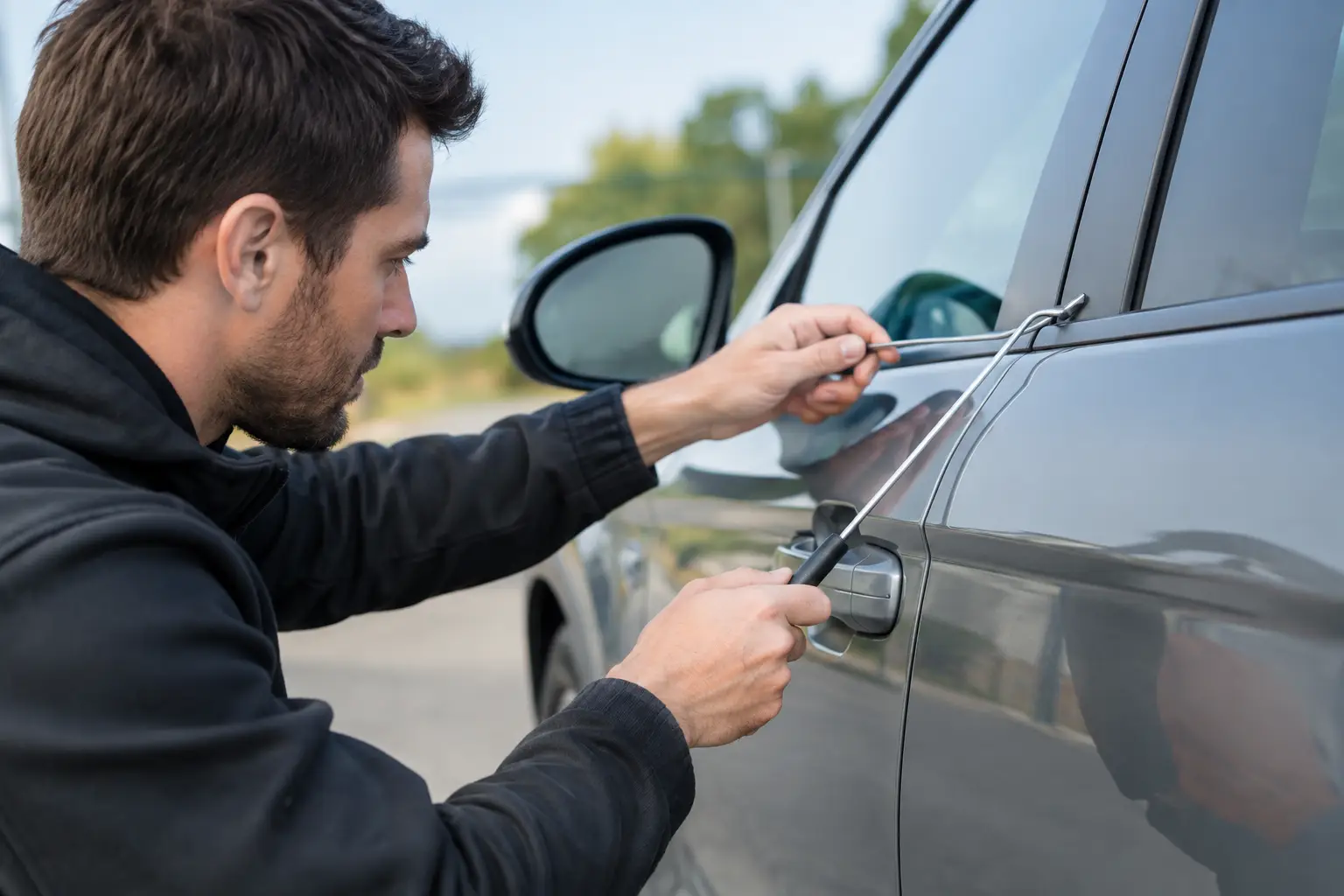
Avoid trying to prise a door open, using wire through a window seal or forcing the ignition with tools. Modern cars have complicated locking systems, side airbags, wiring and deadlocks. Even older vehicles can be damaged surprisingly easily. A trained automotive locksmith uses non-destructive entry methods wherever possible, then deals with the replacement key properly.
If you are in an unsafe place, such as on a live roadside, focus on getting yourself and any passengers to safety first. Call the appropriate roadside or emergency support if the vehicle is creating a hazard.
What a car locksmith needs to replace a lost key
The fastest way to get moving is to have the right details ready when you call. Your registration number is useful, but it is not always enough to identify the exact key required. The locksmith may ask for the make, model, year and your current location, along with whether the car is locked and whether any key has been lost or stolen.
You will also need to prove you are entitled to access the vehicle. This commonly means photo identification and proof of ownership, such as the V5C logbook, insurance documents or other vehicle paperwork. If the documents are inside the locked car, explain that when booking. A legitimate specialist will have a sensible process for confirming ownership before cutting or programming a key.
The vehicle identification number, usually visible through the windscreen or on the vehicle, can also help. Do not worry if you do not know where to find it. The locksmith can usually guide you.
The replacement process depends on your key type
Older mechanical keys
Many older cars use a straightforward metal blade with no electronic chip. Once access is gained, a locksmith can decode the lock or cut a key from the correct information. These are often the simplest lost-key jobs, although worn locks and previous replacement barrels can occasionally add time.
Transponder keys
Most cars made from the mid-1990s onwards have an immobiliser system. The key contains a small transponder chip that communicates with the vehicle. A newly cut blade may turn in the ignition, but the engine will not start until the chip is programmed correctly.
This is where specialist equipment and experience matter. The locksmith has to create the right key and programme it to the car’s immobiliser system. On some models, all existing keys need to be present for certain programming procedures. On others, a new key can be added even when every key has been lost.
Remote fobs and keyless proximity keys
Remote locking keys and push-button start proximity keys add another layer. The replacement needs to operate the vehicle’s locks and, where applicable, be recognised inside the car so the engine will start.
A damaged fob shell is not always a lost-key job – sometimes the electronics can be transferred into a replacement casing. But if the entire fob is missing, the vehicle may need a new programmed remote or proximity key. Availability and programming requirements vary considerably by manufacturer, so ask what type of replacement is being supplied and which functions it will cover.
Locksmith or main dealer: which is best?
A main dealer can often order a key, but that route may involve waiting for parts, arranging recovery or taking the vehicle to them. It can make sense for very new, unusual or highly restricted systems where dealership-only access is required.
For many everyday vehicles, a specialist auto locksmith is the quicker option. They can attend the car, gain entry without damage where possible, cut the blade and programme the replacement key on site. That is particularly useful if the car is locked, immobilised or parked somewhere it cannot be easily moved.
Price is not just the cost of the key. Consider recovery charges, time off work, taxi fares and the delay caused by leaving the car unusable. Ask for clear information before work starts. The final cost depends on the vehicle, key type, whether all keys are lost, the programming involved and the time and location of the call-out.
Can a replacement be made without the original key?
Yes, in many cases. Losing every key does not necessarily mean the locks or ignition must be replaced. An automotive locksmith can often create a key by decoding the existing lock, using authorised key data or working with the vehicle’s electronic systems.
However, no two cars are exactly alike. Some models have security systems that require additional steps, specialist diagnostic equipment or a particular replacement key. If a locksmith tells you they need more information before confirming the job, that is usually a sign they are checking the correct route rather than guessing.
Be cautious of very cheap online keys. The blade may be wrong, the chip may not be compatible, or the remote board may not programme to your car. Buying the wrong item can waste money and slow down the repair. A proper replacement should be matched to the vehicle and tested for starting and locking functions before the job is complete.
What to do while you wait for help
Keep the vehicle secure and stay with it if you can do so safely. Do not leave valuables on display or hand vehicle details to anyone who cannot confirm who they are. If you are at home, have your identification and vehicle documents ready. If you are away from home, tell the locksmith the exact car park, street or landmark and the vehicle registration.
For drivers across Glasgow, Cumbernauld, Paisley, Ayrshire and Greenock, local attendance can make a major difference when a lost key has left the car stranded. Auto Locksmith Doctor Ltd deals specifically with vehicle access, replacement keys and programming, rather than treating car keys as an occasional add-on to general locksmith work.
After the new key is working
Before the locksmith leaves, test every function that applies to your vehicle. Check that the key starts the engine, locks and unlocks the doors, opens the boot if applicable, and works with remote or proximity functions. If you had one key left before the job, test that one too.
Then make a practical decision: get a spare while you still have a working key. Programming an additional key is usually simpler than replacing every key after the last one has gone missing. Keep the spare in a safe place away from the vehicle – not in the glovebox, under a wheel arch or hidden around the driveway.
A lost car key feels like an emergency because it often is, but it does not have to turn into a damaged car, a recovery job or days without transport. Give accurate vehicle details, use a genuine automotive specialist and get a spare arranged once you are back on the road.

Related Posts