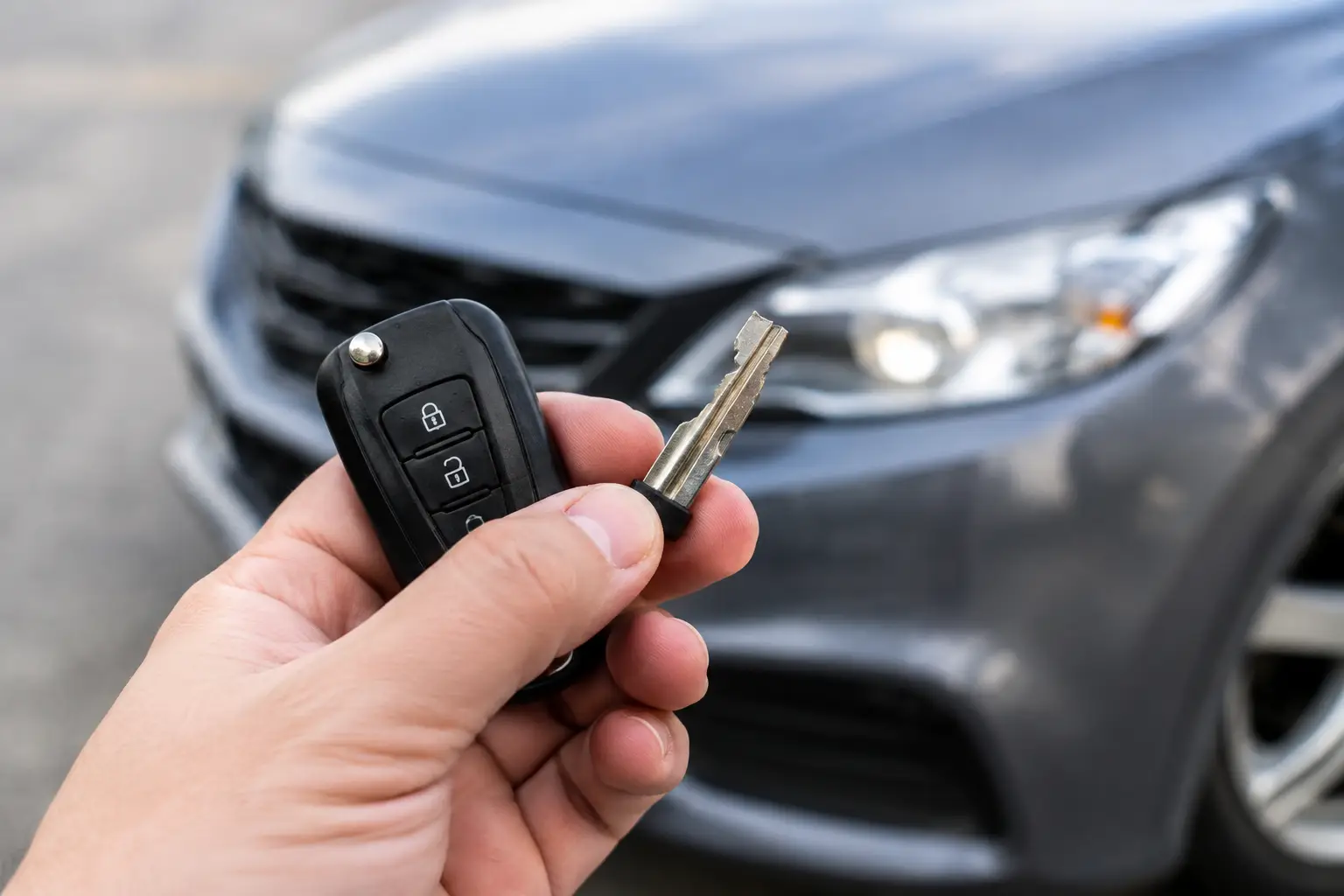
Does key cutting require original keys? Learn when a locksmith can cut a replacement from a code, lock or spare, including modern car keys. Fast.
Why Your Immobiliser Blocks Engine Start
A flashing car-and-key symbol on the dashboard, an engine that cranks but will not fire, or a push-button start that does nothing can quickly turn a normal journey into a problem. People searching why immobiliser blocks engine start are usually dealing with one of these symptoms. The short answer is that your vehicle has not confirmed that it is being started with an authorised key.
An immobiliser is there to prevent theft, but it does not always mean the key has been stolen or that the car needs a new engine. A damaged key, low vehicle voltage, a faulty reader or a communication issue can all stop the security system from recognising the key. The right fix depends on the vehicle and the fault, so it is worth understanding what the system is trying to tell you before replacing parts.
What an immobiliser actually does
Most cars built from the late 1990s onwards have an electronic immobiliser. Inside a traditional key is usually a small transponder chip. When you turn the key in the ignition, a reader ring around the ignition barrel sends a signal to that chip. The chip returns its unique code, and the vehicle checks whether the code matches the one stored in its security system.
With keyless entry and push-button vehicles, the process is similar but more complex. The car communicates with the proximity fob through antennas and control modules before allowing the engine to start.
If the code is accepted, the vehicle permits starting. If it is not accepted, the immobiliser can block the starter motor, fuel injection, ignition system or a combination of these. That is why the engine may turn over normally but fail to start. On another model, nothing may happen when you turn the key.
This variation matters. A no-start fault is not automatically an immobiliser issue, and an immobiliser issue will not look identical on every make and model.
Why the immobiliser blocks engine start
The system blocks starting because, from the car’s point of view, it cannot verify the key. It is designed to fail safely: no confirmed key code means no engine start. That protection is useful when someone attempts to start the car with a copied mechanical blade, force the ignition, or use the wrong key.
The difficulty for drivers is that legitimate keys can stop being recognised too. Common reasons include:
- A transponder chip that has been damaged, lost from the key shell or disturbed after the key was dropped.
- A worn, cracked or water-damaged key fob.
- A key that has lost programming, particularly after electrical faults or incorrect work on vehicle modules.
- A fault with the ignition reader ring, keyless-entry antenna, body control module or wiring.
- A weak vehicle battery causing low voltage and poor communication between security modules.
A mechanically cut key is only half the job on most modern cars. It may unlock the door and turn the ignition, but the engine will still not run unless the electronic transponder is present and correctly programmed.
The key battery is not always the culprit
It is easy to assume that a flat fob battery has caused the problem. Sometimes it has, especially with push-button start and proximity keys. Many keyless cars need enough battery power in the fob to communicate at normal range.
However, many older remote keys use a passive transponder chip for the immobiliser. That chip does not rely on the small battery used for remote locking. You may find that the buttons no longer lock the car, yet the key still starts it perfectly. Equally, fitting a fresh fob battery will not repair a damaged or unprogrammed transponder chip.
Your car handbook may show an emergency starting position for a keyless fob, often close to the steering column or start button. This can help the vehicle read a weak fob at close range. It is a vehicle-specific feature, not a universal solution.
Low vehicle battery voltage can confuse the system
A flat or failing car battery is another common cause of confusing symptoms. When voltage drops, dashboard lights may flash, central locking may behave erratically and control modules may not communicate correctly. The immobiliser warning light can appear even though the key itself is fine.
If the battery is clearly weak, have it tested and charged or replaced properly. A jump start may get some vehicles going, but it will not repair a failed key, reader or module. Repeatedly trying to start a car with a low battery can also create more faults and leave you stranded again shortly afterwards.
Signs that point towards an immobiliser fault
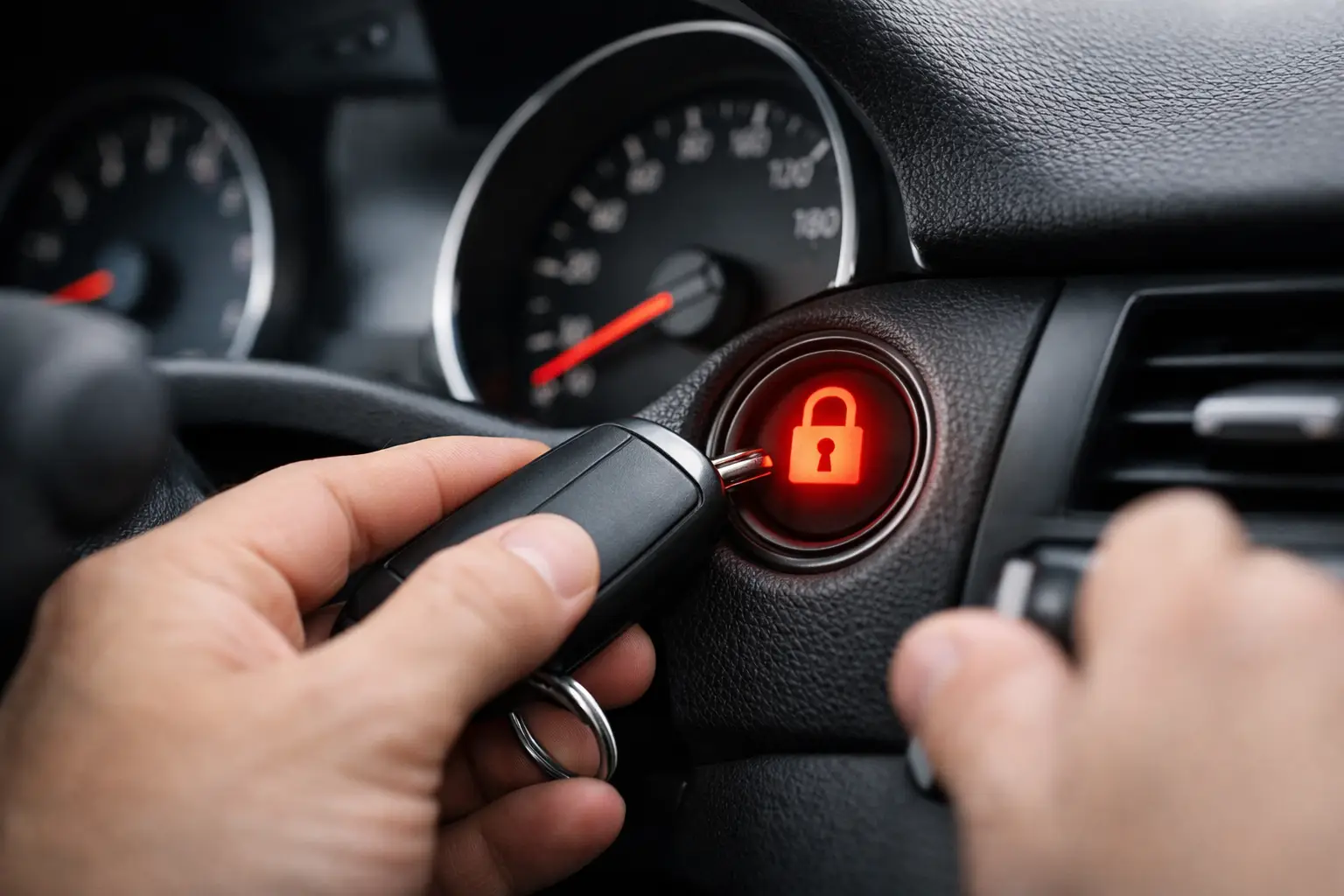
The most obvious sign is an immobiliser warning symbol. Depending on the vehicle, this may be a key, padlock, car outline or security light. It may flash rapidly, stay illuminated, or appear with a message such as Key Not Detected or Immobiliser Active.
A vehicle that starts and then cuts out within a second or two can also indicate that the key was initially seen but not fully authorised. On some cars, the engine will crank but not fire. On others, the starter will be disabled altogether.
These signs are useful clues, not a final diagnosis. A failed fuel pump, starter motor, crank sensor or battery can produce similar no-start symptoms. Proper fault finding checks the key and the vehicle rather than guessing based on one dashboard light.
Safe checks to make before calling for help
Start with the simple checks that do not risk damage. If you have a working spare key, try it. A spare that starts the vehicle strongly suggests the original key has a chip, fob or programming problem. Do not keep attempting the faulty key dozens of times, as this only drains the battery and adds frustration.
Look carefully at the key. If the casing has split, make sure there is not a small loose chip missing from inside. This is particularly common after a key has been dropped or after a replacement shell has been fitted without transferring every component. Do not use glue, foil or makeshift repairs around the ignition in an attempt to make it work.
Check whether the vehicle battery is flat and whether there are several unrelated warning lights. If your fob is keyless, fit the correct battery if it is due for replacement and use the manufacturer-designated emergency key reading position if your handbook provides one.
Avoid forcing the key in the ignition, attacking the steering lock or trying online bypass methods. Aside from damaging the vehicle, bypassing an immobiliser is not a genuine repair. The car needs an authorised key and a correctly functioning security system.
When key programming or replacement is needed
If neither key is recognised, or you have lost all keys, an automotive locksmith can assess whether the issue is in the key, the programming or the vehicle itself. The work may involve reading fault codes, testing key recognition, cutting a replacement blade, supplying a new transponder or fob, and programming an authorised key to the vehicle.
The exact approach depends on the make, model, age and security system. Some vehicles can have a replacement key programmed at the roadside. Others need further investigation because the fault is in the ignition reader, body control unit, wiring or another electronic module. A good diagnosis prevents you paying for a new key when the actual fault lies elsewhere.
For drivers in Glasgow, Cumbernauld, Paisley, Ayrshire and Greenock, Auto Locksmith Doctor Ltd can help with replacement car keys, transponder programming and vehicle entry where a key fault has left you unable to travel. Specialist vehicle equipment and experience matter here: car security systems are not the same as ordinary door locks.
Do not ignore an intermittent warning
If the immobiliser light appears only occasionally, take it seriously before the key fails completely. An intermittent fault may be caused by a cracked circuit board, a weak fob battery, a loose transponder chip or an ignition reader beginning to fail. Using the spare key for a few days can help confirm whether the issue follows one key or remains with the vehicle.
Keep every working key in a safe place and arrange a check while the car is still mobile. It is usually less disruptive to sort a failing key on your driveway or at work than when the car will not start outside a supermarket, school or job site.

Related Posts