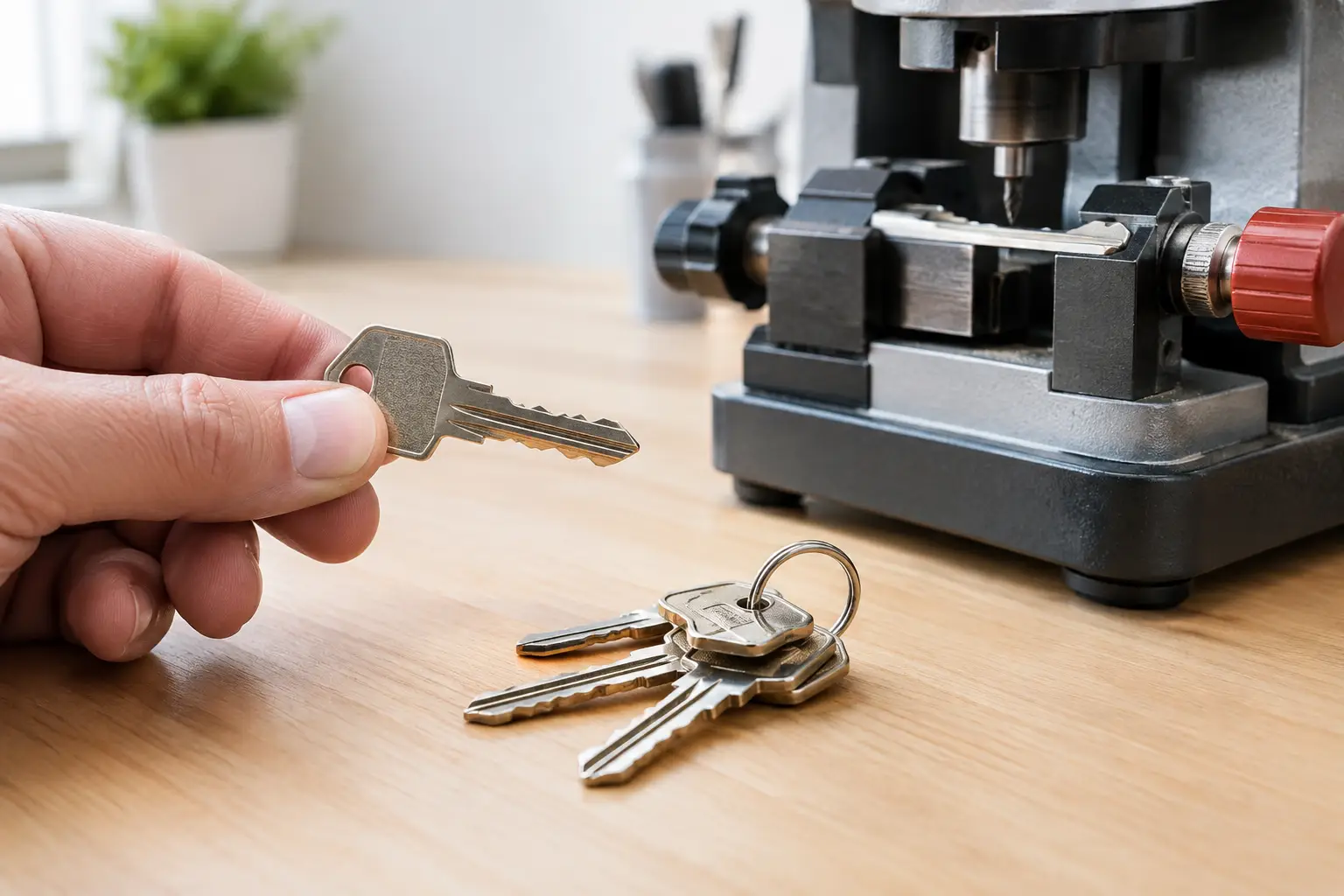
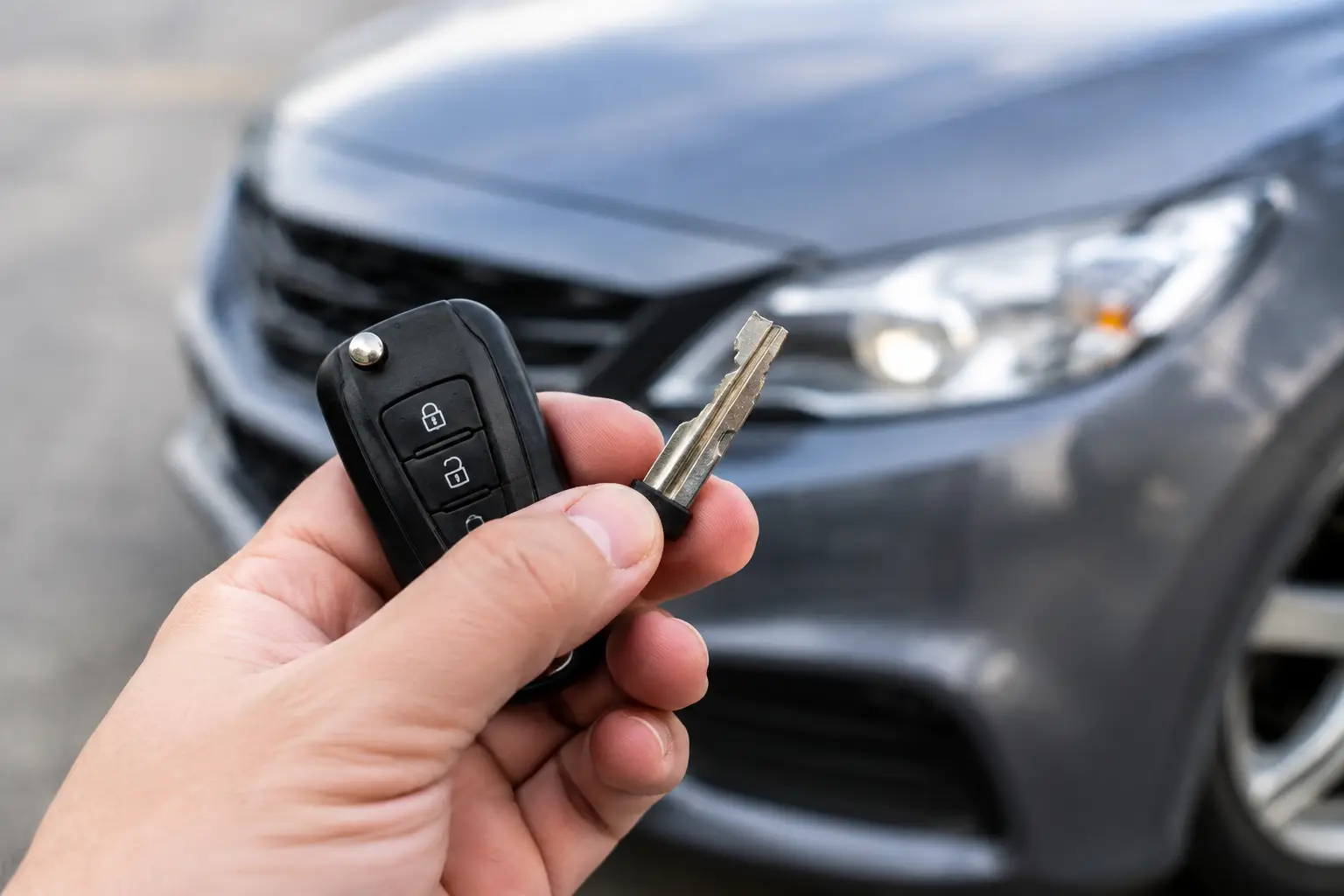
Does key cutting require original keys? Learn when a locksmith can cut a replacement from a code, lock or spare, including modern car keys. Fast.
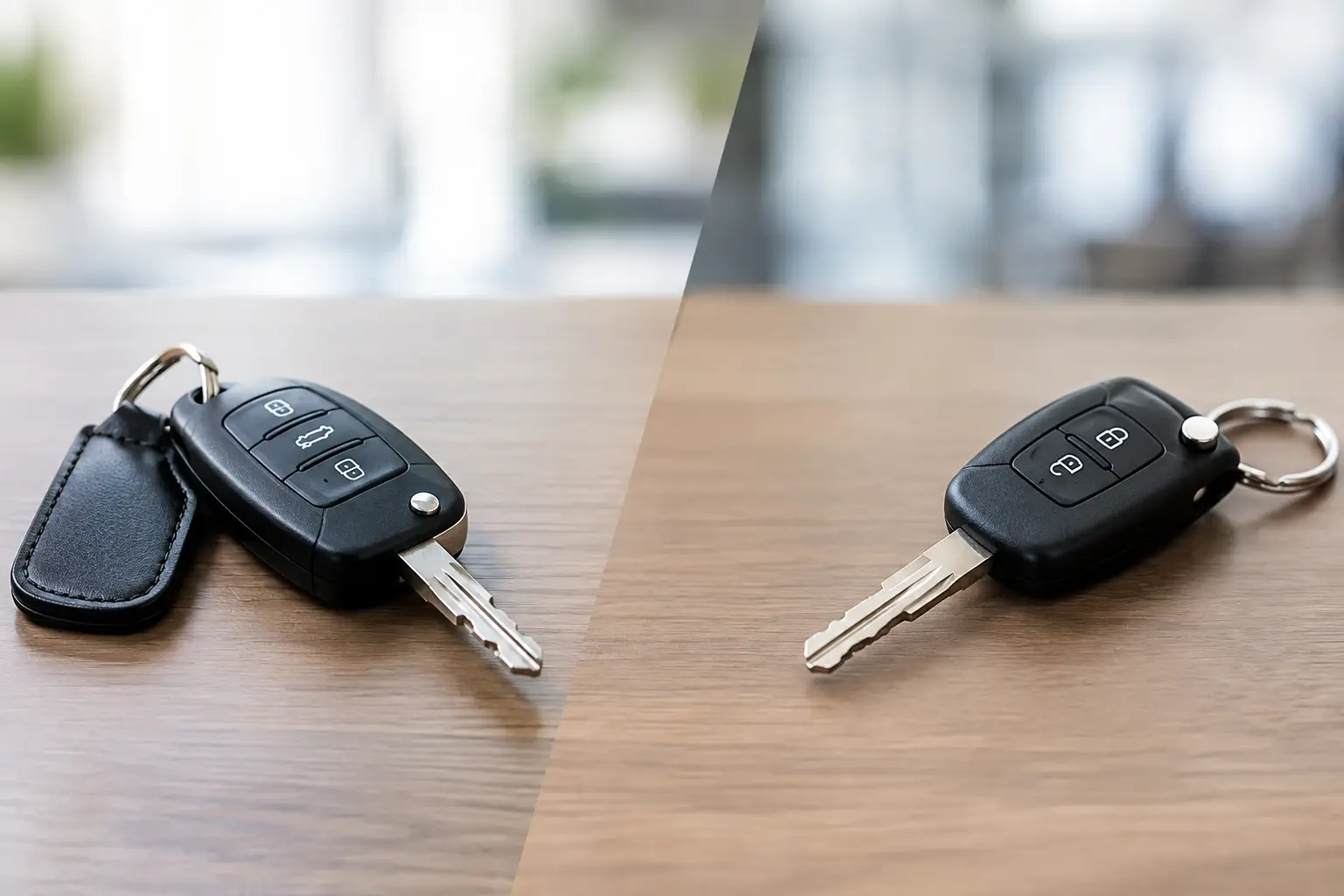
Dealer Keys Versus Aftermarket Keys: Which Wins?
A lost car key is rarely a problem you can put off until next week. Whether you are stuck outside your home in Glasgow, parked at work in Paisley, or unable to start the van before a job in Ayrshire, the choice often comes down to dealer keys versus aftermarket replacements. Both can get you moving again, but they are not automatically the same product, price or solution.
The right answer depends on your vehicle, the type of key it uses, whether you still have a working spare and what has actually failed. A proper automotive locksmith should explain those differences clearly, not simply sell the most expensive option.
What is a dealer car key?
A dealer key is usually an original equipment manufacturer, or OEM, part supplied through the vehicle manufacturer’s dealer network. It is made for that make and model, often with the correct logo, casing, circuit board and specified components from the factory.
For a modern remote key or proximity key, the dealer may order a key by vehicle identification number. It will then need cutting and programming before it operates the doors and starts the vehicle. On some cars, dealer-level systems may also be required to add the key correctly to the immobiliser.
OEM keys can be the sensible choice where a vehicle is very new, uses a complex smart key system, or requires a specific version of remote electronics. They are also useful for owners who want an exact branded replacement, particularly if appearance, manufacturer warranty or resale presentation matters to them.
That said, buying from a dealer does not always mean the job will be quicker. A key may need to be ordered, and you may still need to arrange recovery or get the vehicle to the dealership if all keys are lost. That can be a major inconvenience when the car will not start.
What is an aftermarket car key?
An aftermarket key is a replacement made by a third-party manufacturer rather than the vehicle maker. It may be a complete key, a remote fob, a transponder key, a replacement blade or simply a key shell. Quality varies considerably, which is why the source and the programming work matter as much as the word “aftermarket”.
A good-quality aftermarket key can be cut and programmed to work like the original. It should unlock the vehicle, communicate with the immobiliser and start the engine as intended. For many common cars, this provides a reliable and significantly more affordable alternative to a dealer replacement.
However, the cheapest key advertised online is not always a bargain. Some have poor buttons, weak cases, incorrect frequency, unsuitable transponder chips or circuit boards that do not programme properly. Others look identical to your key but are not compatible with your exact year, trim level or system.
Dealer keys versus aftermarket: the differences that matter
The biggest difference is usually cost. Dealer keys often carry a higher price because they come through the manufacturer supply chain and may involve dealer diagnostic procedures. A suitable aftermarket key can reduce the parts cost, especially for older remote keys and standard transponder keys.
Price alone should not decide it. A key is part of the vehicle’s security system, not just a piece of plastic with buttons. The replacement must match the vehicle correctly, be cut accurately and be programmed so the immobiliser recognises it.
Reliability depends on the actual key, not just the label
A genuine dealer key is normally a predictable option because it is built to the manufacturer’s specification. But a reputable aftermarket key from a known supplier can also be dependable when selected and programmed by a specialist.
The risk appears when unknown, untested or incorrect parts are used. A remote may work for a few days and then fail. The blade may be cut but the vehicle may not start because the transponder has not been correctly programmed. With keyless systems, an incorrect fob may unlock the car intermittently or fail to detect inside the vehicle.
For everyday drivers, the practical question is not “Is it genuine?” It is “Will it work properly for my exact vehicle, and is the work guaranteed?”
Programming is often more important than the key itself
Nearly all vehicles built since the mid-1990s use some form of electronic immobiliser. The key contains a transponder chip, or the fob transmits encrypted information, that the car must recognise before it allows the engine to start.
A metal blade can be copied quickly, but a copied blade alone may only open the door. It will not necessarily start the vehicle. The electronic side has to be handled with the right equipment and knowledge.
Some cars allow an additional key to be programmed when a working key is present. Others require access to security data, diagnostic tools or specialist procedures. All-keys-lost situations can be more involved, but they can often be dealt with at the vehicle rather than waiting for a dealer order.
Remote functions and proximity keys need closer checks
Basic transponder keys are generally straightforward compared with modern keyless entry and start systems. Proximity keys have to match the vehicle’s frequency, communication protocol and security requirements. Some vehicles also use different key versions within the same model range.
This is where an experienced automotive locksmith earns their keep. The key must be identified by the vehicle details and electronics, not chosen because it looks similar. A working remote with the wrong internal specification can waste time and money.
When a dealer key is the better choice
A dealer replacement may be the right route if the car is brand new, the manufacturer has tightly restricted programming, or an OEM-only component is required. It can also suit owners who want an exact factory-branded key and are happy to pay more or wait for it.
It may be preferable where a manufacturer warranty, fleet policy or lease agreement specifically requires genuine parts. If your key has a specialist function that is not available in quality aftermarket form, using the correct OEM option avoids compromise.
Even then, ask what is included. Confirm whether the quoted figure covers the key, cutting, programming, remote synchronisation and removal of lost keys from the vehicle memory where appropriate. A low initial quote can rise sharply once those steps are added.
When aftermarket is the sensible option
For many older and mainstream vehicles, a professionally supplied aftermarket key is the sensible balance of cost and performance. This is particularly true when you need a spare, have lost your only key, or need to get back on the road without a lengthy wait.
Aftermarket is also useful for key fob shell damage. If the buttons have worn through or the casing has split but the original circuit board still works, the electronics can often be transferred into a new shell. There is no point replacing a fully functioning programmed key simply because its outer case is damaged.
For tradespeople, families and commuters, having a properly programmed spare is often cheaper than dealing with a complete all-keys-lost situation later. Keep it somewhere safe away from the vehicle, not in the glovebox or centre console.
Do not ignore the condition of the locks and ignition
A replacement key will not cure a worn ignition barrel, damaged door lock or faulty central locking system. If the key turns badly, sticks in the ignition, needs force, or the remote only works occasionally, say so before work begins.
Forcing a failing key can snap the blade or cause further damage inside the lock. A specialist can assess whether the problem is with the key, transponder, remote battery, ignition, lock mechanism or vehicle electrical system. That avoids paying for a new key when the fault lies elsewhere.
Choosing the right replacement in West Central Scotland
The best replacement is one that works correctly, is fairly priced and is supplied by someone who can deal with the whole problem on site. Auto Locksmith Doctor can cut and programme suitable replacement keys, assist with lost keys and provide non-destructive vehicle entry across West Central Scotland.
Before agreeing to any work, provide the make, model, year and registration if available. Explain whether any key still works, whether the doors unlock remotely, and whether the vehicle starts. This helps identify the likely key type and prevents guesswork.
If you are locked out or stranded, do not force the door, smash a window or try to start the car with a copied metal blade. A correctly chosen and professionally programmed key is the quickest route back to normal, and it may cost less than repairing damage caused by a rushed attempt.

Related Posts