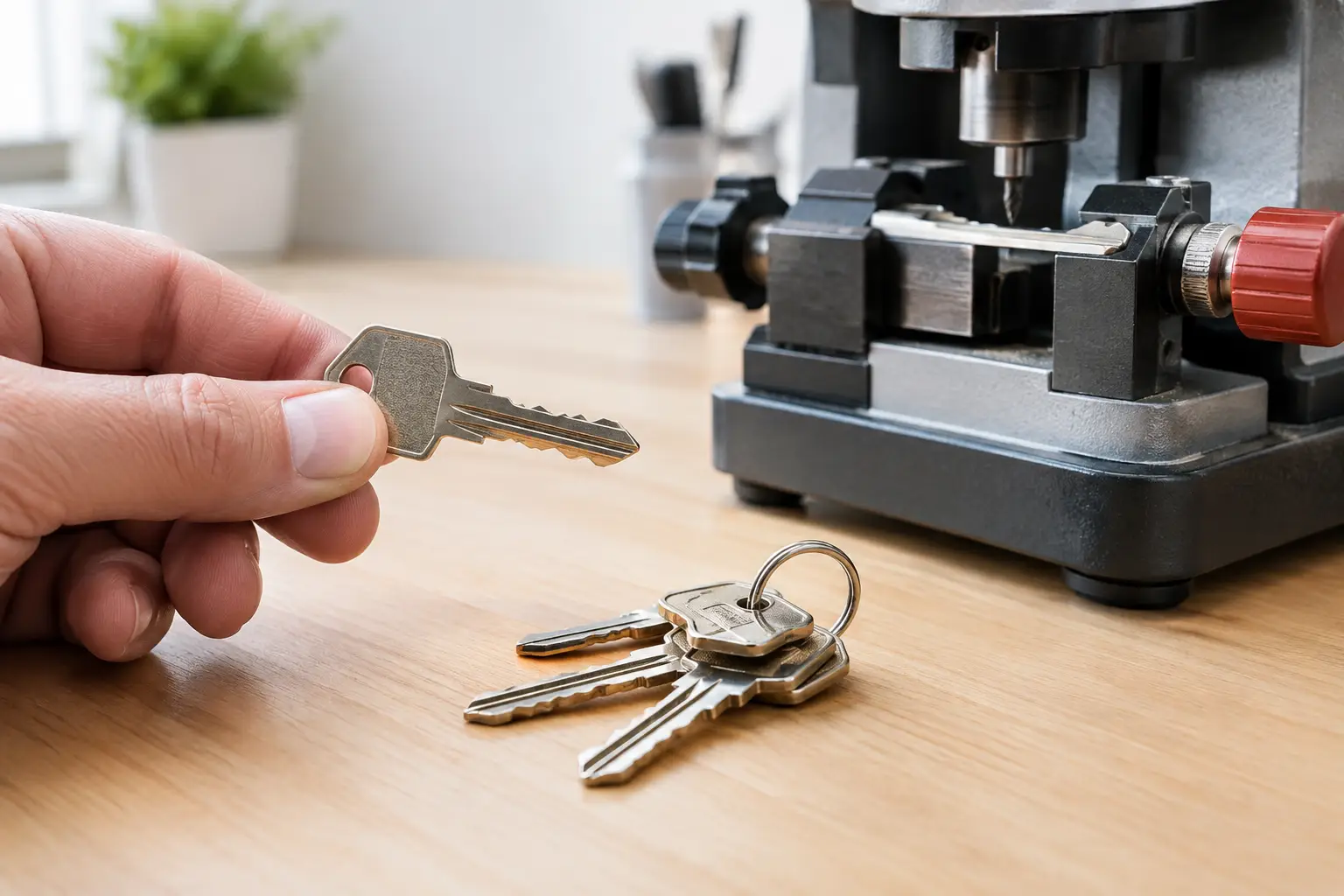
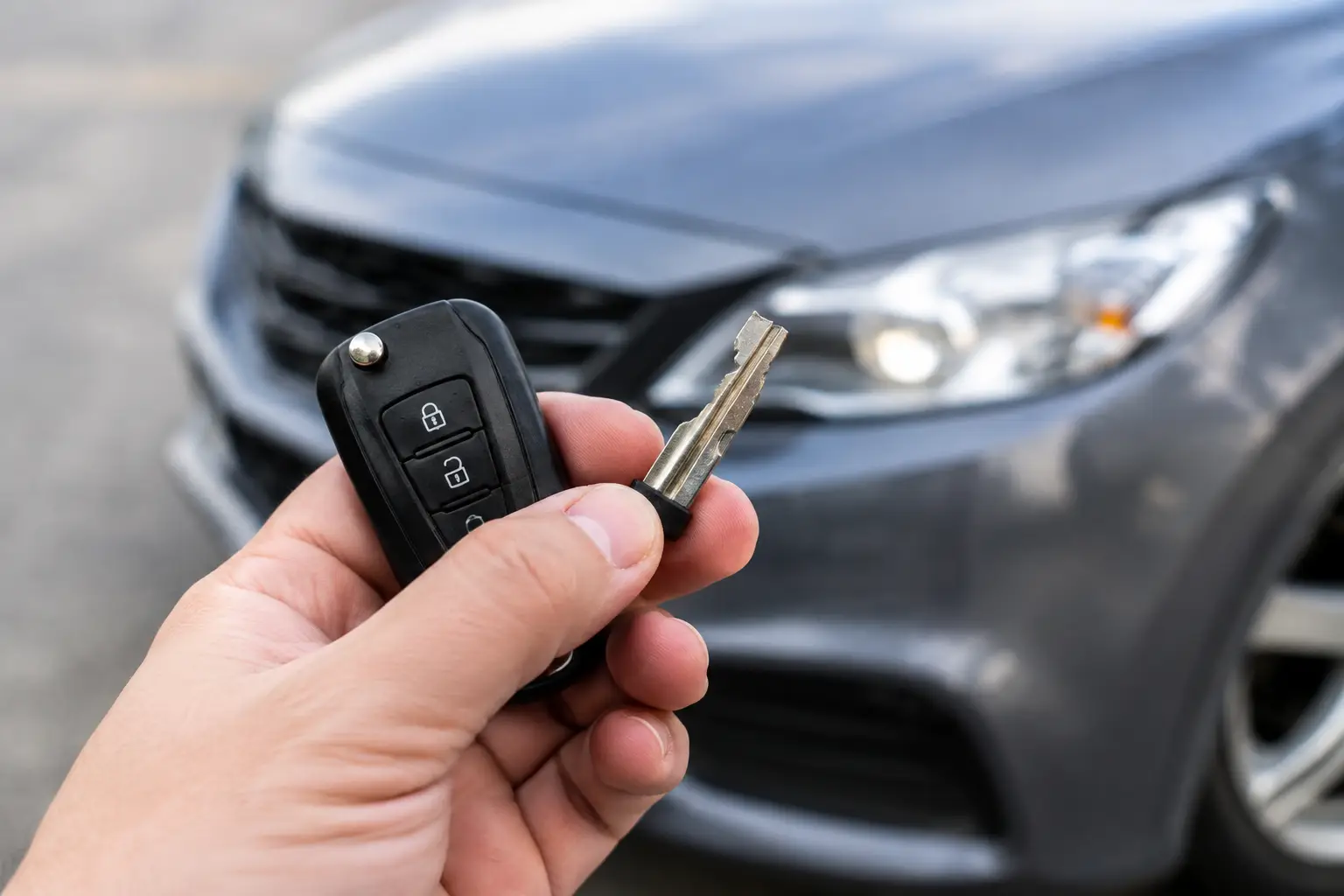
Does key cutting require original keys? Learn when a locksmith can cut a replacement from a code, lock or spare, including modern car keys. Fast.
Guide to Mobile Auto Locksmith Services
A locked car outside your home, a snapped key at a petrol station or a key fob that suddenly will not start the engine can stop the whole day. This guide to mobile auto locksmith services explains what help is available, what a proper specialist can do at the roadside, and what to do first if you are stranded in Glasgow, Cumbernauld, Paisley, Ayrshire or Greenock.
What a mobile auto locksmith actually does
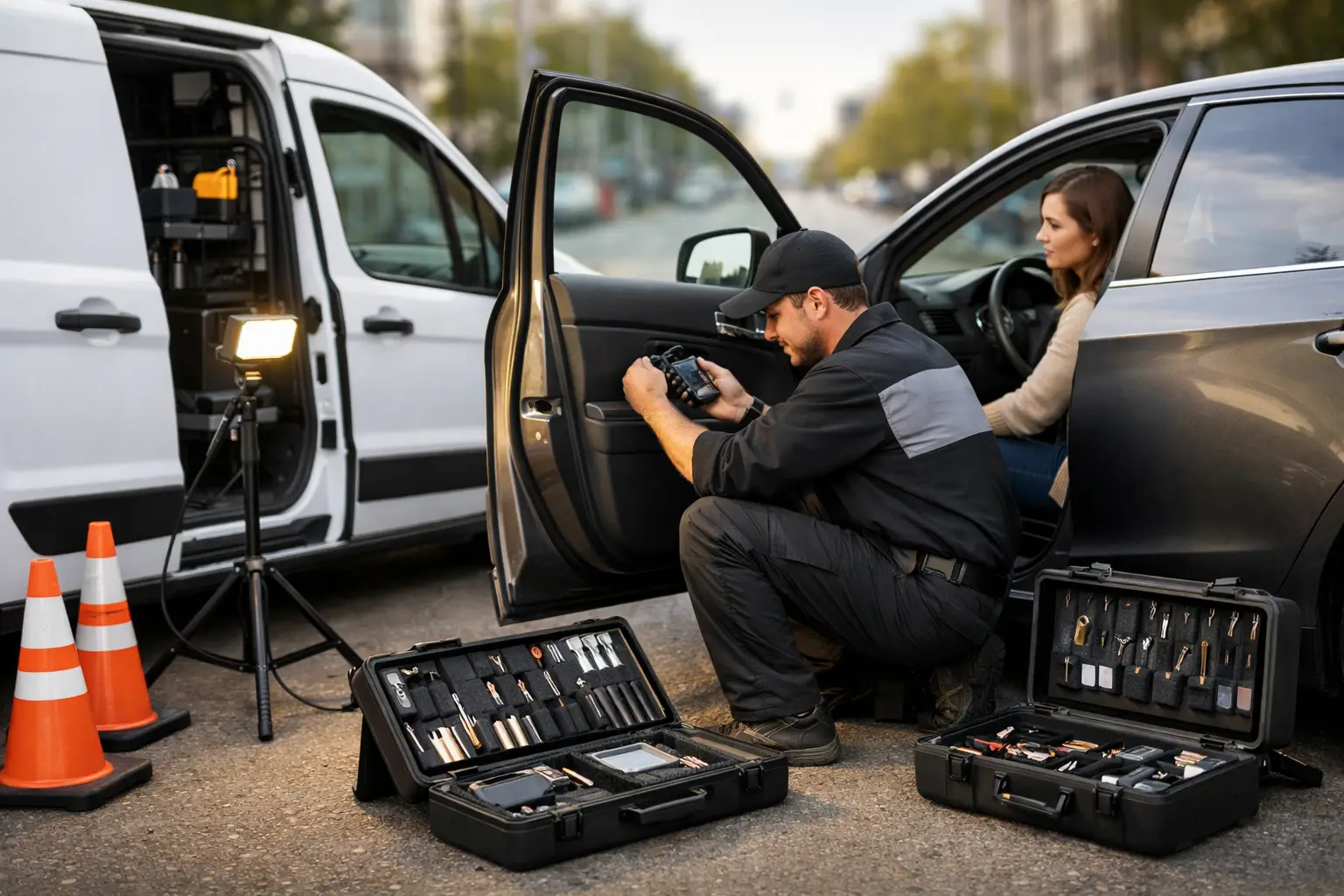
A mobile auto locksmith comes to the vehicle rather than asking you to arrange recovery and take it to a garage or main dealer. Their van carries the tools and diagnostic equipment needed to gain entry without damage, cut replacement keys and programme many modern vehicle keys on site.
That matters because most cars built since the mid-1990s use more than a shaped metal blade. The key may contain a transponder chip, remote-locking circuit board or proximity system that must communicate with the vehicle immobiliser. A key can turn in the ignition yet still fail to start the car if its electronic coding is missing or incorrect.
A specialist automotive locksmith deals with both sides of the job: the physical lock and the vehicle security system. General locksmith skills are useful, but car entry and key programming require vehicle-specific tools, data and experience. The right approach depends on the make, model, year and fault, not simply on whether the door is locked.
When to call for mobile auto locksmith services
The most obvious reason is a lockout. Keys left on the seat, in the boot or in the ignition are common, particularly when unloading shopping, managing children or working from a van. If the vehicle is safely parked and there is no immediate danger, do not force a window, bend the door frame or try makeshift tools. Those attempts often turn a straightforward entry job into damaged glass, trim, seals or locking mechanisms.
Mobile help is also useful when keys are lost, stolen, broken or worn out. A replacement can often be cut and programmed at the vehicle, including a spare key where you still have one working key. If a key has been stolen, ask whether the missing key can be removed from the vehicle memory. This reduces the risk that someone holding the old key can start your car later.
Other common call-outs include a remote that has stopped working, a damaged key fob shell, central locking that will not respond, a key stuck in the ignition or a broken blade. Sometimes the issue is as simple as a flat fob battery. Sometimes it is a cracked circuit board, a worn ignition barrel, a failed door lock or an immobiliser fault. A competent locksmith should test the likely cause before recommending the repair.
Safe vehicle entry should not mean damage
Non-destructive entry is the standard you should expect where the vehicle condition and fault allow it. Depending on the car, a locksmith may pick a door lock, use approved bypass techniques or access the vehicle through a method designed for that particular locking system. The aim is to open the car without breaking glass, drilling locks or damaging bodywork.
There are exceptions. Severe lock damage, previous forced entry, a failed deadlock or a vehicle with an unusual fault may make the job more complex. A straightforward explanation of the options is better than a promise that ignores the condition of the car. Before work begins, the locksmith should confirm ownership or authority to access the vehicle and explain any likely limitations.
Never be tempted to force the lock yourself after a failed remote unlock. Modern doors contain wiring, side-impact protection and delicate trim. A bent door can let in wind and water for years, while a damaged lock can leave you unable to secure the car.
Lost keys, replacement keys and programming
Replacement car keys are not all the same. Older vehicles may use a basic mechanical blade that can be cut from the lock or an existing key. Many newer cars need a transponder chip programmed to the immobiliser before the engine will start. Remote keys and proximity keys add further work because the buttons, remote function and keyless starting system may need pairing as well.
For a lost-all-keys situation, the locksmith may read vehicle information, cut a new blade and programme a new key to the car. This can take longer than copying a working spare because there is no key available to duplicate. It can also depend on the vehicle’s security system and whether it has an active fault.
If you have one working key, arranging a spare before it is lost is usually the less stressful and often less costly option. A spare is particularly worthwhile for households sharing a car, tradespeople who depend on a van, and anyone travelling regularly for work. Keep it somewhere safe, not hidden inside the vehicle.
Key fob shell replacement can be a sensible alternative when the electronics still work but the plastic case, buttons or key blade holder are damaged. It is not a cure for every problem. If the remote board is corroded, the transponder is missing or the fob has been through a washing machine, a new programmed key may be required.
What affects the cost and response time
No honest locksmith can give one fixed price for every vehicle over the phone without knowing the job. Costs vary with the make and model, key type, whether all keys are lost, the level of immobiliser security, the time of call and the location of the vehicle. A basic emergency entry is a different job from supplying and programming a proximity key for a newer model.
Ask for a clear estimate based on the information available, including any call-out charge, key supply, programming and VAT where applicable. Give the registration, make, model, year and a plain description of the issue. If you have a photo of the key or fob, that can help identify the correct type, but do not rely on appearance alone.
Response time depends on where the locksmith is when you call, traffic, weather and the distance to your location. Local coverage makes a real difference across West Central Scotland, especially when the vehicle cannot be moved. If the situation is urgent, say so clearly and provide an accurate postcode, vehicle colour and a safe contact number.
What to do while you wait
First, make the vehicle safe. If you are on a busy road, move yourself and passengers to a safe place where possible and follow roadside safety advice. If a child, vulnerable person or animal is trapped in a vehicle, or there is any medical risk, contact the emergency services immediately rather than waiting for a locksmith.
For a normal lockout or key issue, gather your driving licence, vehicle registration document if available, insurance details and any spare or damaged key. You may not have every document with you, but proof that you own or are authorised to use the vehicle helps the locksmith protect you and the public from unauthorised access.
Avoid repeatedly pressing the remote buttons, especially if central locking is behaving erratically. It will not fix a damaged fob and can make it harder to identify what has failed. If the key is stuck in the ignition, do not twist it hard. Leave the steering wheel and key as they are until the fault can be assessed.
Choosing the right local specialist
When you need help quickly, the cheapest advert is not always the best choice. Look for an automotive specialist who can explain whether they provide non-destructive entry, on-site key cutting and transponder programming. Ask whether they work on your make and model and whether they can deal with both the entry and replacement-key side of the problem.
A good local service will give straightforward information rather than pressure you into unnecessary work. At Auto Locksmith Doctor Ltd, the focus is on practical vehicle access and key support, with a no-open-no-charge promise where the vehicle cannot be opened on site. That sort of reassurance is useful, but it should sit alongside clear communication about the fault, price and expected work.
It also pays to ask what happens after the car is opened. If your keys are still inside, the answer may be simple. If the key has failed or been lost, make sure you understand whether you will leave with a fully working key, remote locking where applicable, and a vehicle that starts normally.
A car key problem is rarely convenient, but it does not need to become a damaged-door repair or a costly trip to a dealer. Keep a spare where you can access it, save the details of a local automotive specialist, and call for proper help before a small key fault leaves you stuck.

Related Posts