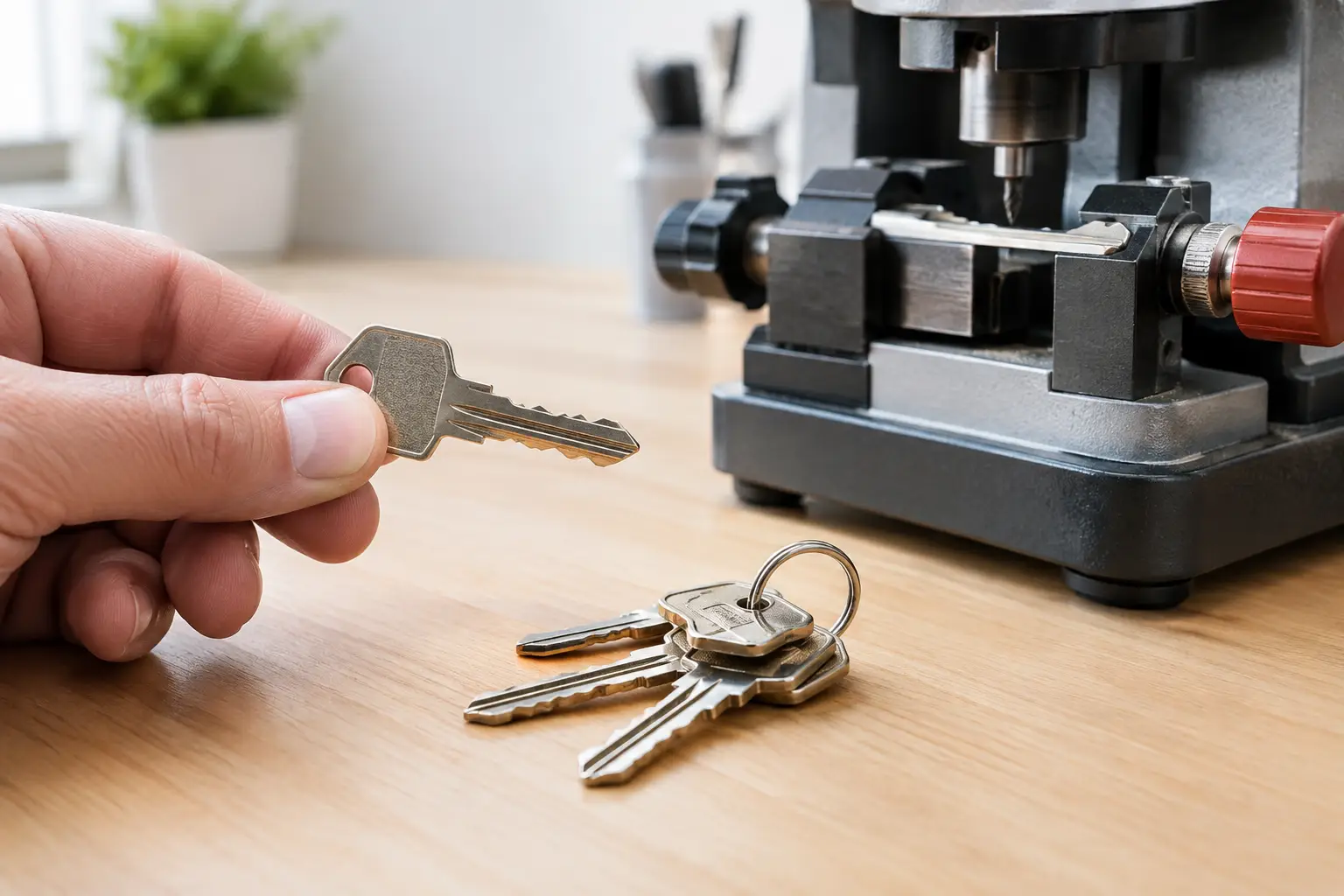
Does key cutting require original keys? Learn when a locksmith can cut a replacement from a code, lock or spare, including modern car keys. Fast.
Auto Locksmith Versus Roadside Assistance
You are standing beside a locked car in Glasgow, the keys are on the driver’s seat, and the rain is starting. The question of auto locksmith versus roadside assistance stops being theoretical very quickly. You need the right person to get you moving again, without damaged glass, a forced lock or an unnecessary recovery bill.
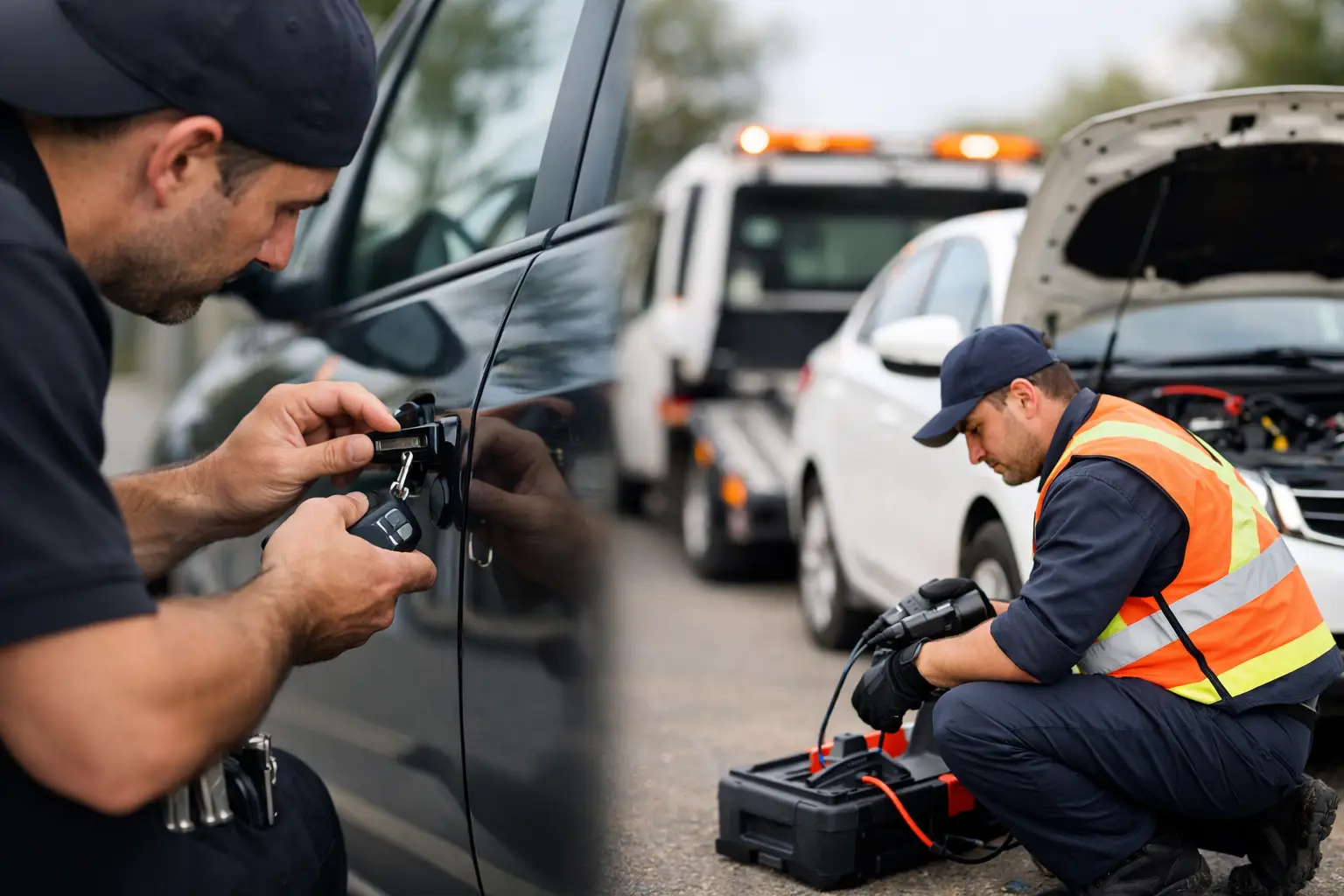
Roadside assistance and an auto locksmith can both be valuable when a vehicle lets you down. The difference is what has actually failed. If the problem is access, keys, locks, remote fobs or the immobiliser system, a specialist automotive locksmith is usually the direct route to a repair. If the vehicle has a mechanical breakdown, a flat tyre or needs towing, roadside assistance may be the better first call.
Auto locksmith versus roadside assistance: the main difference
A roadside assistance provider is set up to deal with general breakdowns. That can include a flat battery, tyre changes, fuel delivery, basic roadside checks and recovery to a garage. Some patrols may help with a simple lockout, particularly if there is an obvious way to gain access, but key and lock work is not normally their main trade.
An auto locksmith works specifically on vehicle entry and vehicle security systems. That means opening a locked car using non-destructive methods, cutting replacement keys, programming transponder chips, diagnosing faulty remote keys and dealing with damaged locks or broken keys. Modern cars are built to resist theft, so access and starting faults often require more than a wedge, a spare battery or a generic scan tool.
For a driver, the practical difference is straightforward. Roadside assistance aims to make a broken-down vehicle safe and, where possible, mobile. An auto locksmith aims to restore access and provide a working key that communicates properly with the car.
When roadside assistance is the sensible choice
Call your breakdown provider first when the key is not the cause of the problem. A dead battery, puncture, overheating warning, fuel issue, engine fault or electrical fault outside the locking system is in their lane. If the car cannot be safely driven after an accident or major mechanical failure, recovery is often what you need.
Roadside cover can also be useful when you are unsure whether a no-start problem is key-related. A patrol may identify a flat vehicle battery or another basic fault before any key work is needed. This is worth considering if the dashboard is completely dead, the central locking has stopped responding and the battery is known to be weak.
However, roadside assistance may arrange a recovery if it cannot resolve a lockout or key fault at the kerbside. That can leave you at home or at a garage without a usable key, still needing an automotive locksmith afterwards. It is not necessarily the wrong option, but it can add time and cost when the fault is clearly key-related.
When to call an auto locksmith
An automotive locksmith is the right first call when you are locked out, have lost your car keys, snapped a key in the lock or cannot start the vehicle because the key has failed. These situations need specialist equipment and knowledge of how your particular vehicle is secured.
A proper vehicle entry should not mean smashing a window or damaging a door seal. A trained auto locksmith uses appropriate picking, bypass and non-destructive entry techniques wherever possible. The aim is to get you back into your car without turning one urgent problem into an expensive bodywork or glass repair.
It is also the better choice if you need a replacement key on site. Since the mid-1990s, many vehicles have used transponder chips and immobilisers. Even if a new key blade turns in the ignition, the engine may not start unless its electronic chip is programmed to the vehicle. Remote keys, proximity keys and keyless systems bring another layer of coding and diagnosis.
Common reasons to call an auto locksmith include:
- Keys locked inside the vehicle, including in the boot
- Lost or stolen car keys with no working spare
- A snapped, bent or worn key that will not turn properly
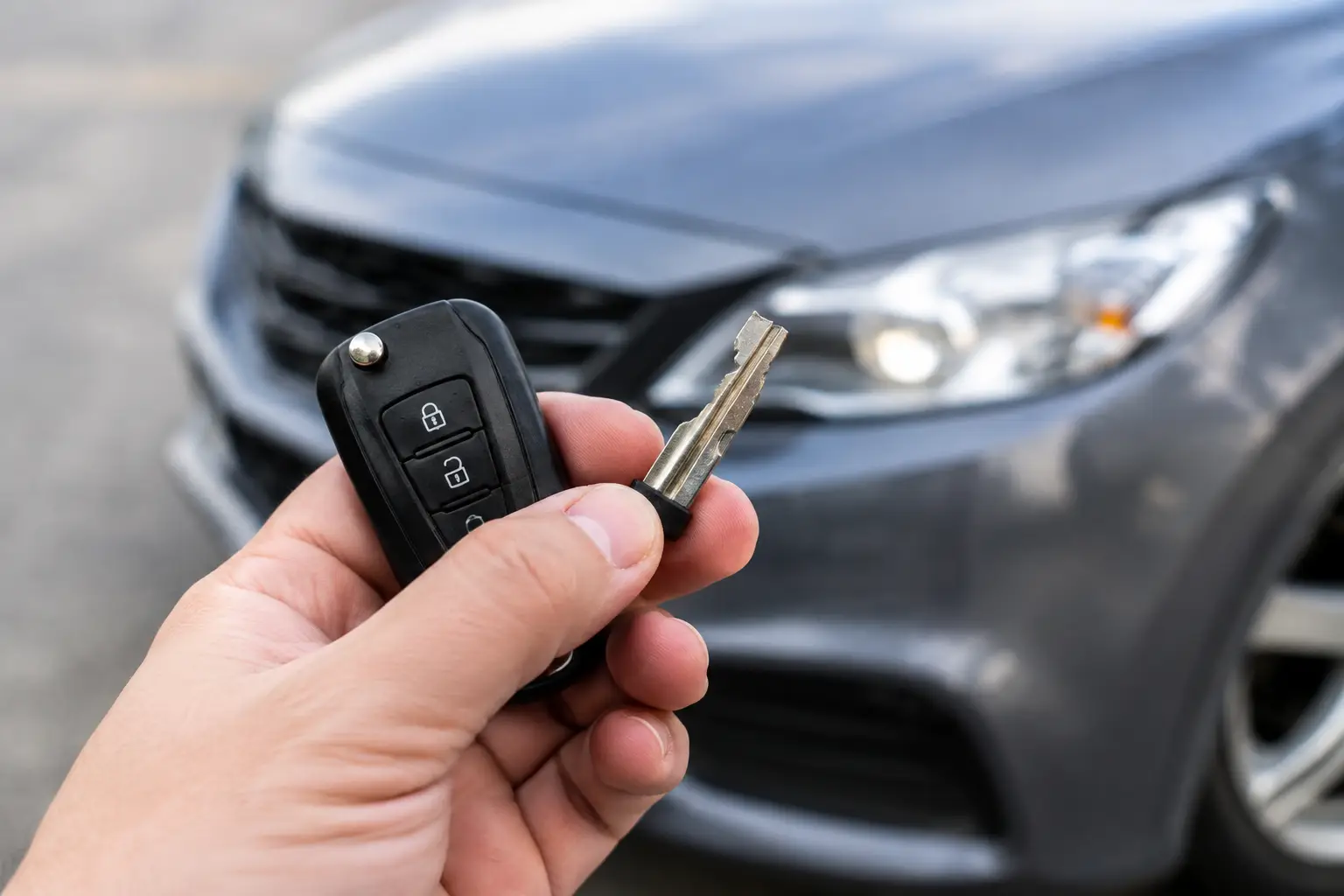
- A remote fob that has failed, a damaged fob shell or faulty buttons
- An immobiliser warning or a key that turns but will not start the car
- Central locking faults where the car will not lock or unlock as it should
In West Central Scotland, this is often the difference between waiting for recovery and having the access or key issue dealt with where the vehicle is parked. For commuters, families, tradespeople and local business drivers, avoiding a tow can save a full day of disruption.
A lockout is not always as simple as it looks
If you have simply left a mechanical key in the car, entry may be relatively quick. But vehicles vary widely. Deadlocks, double-locking, laminated glass, electronic steering locks and alarm systems all affect the safest method of entry.
A locksmith will assess the make, model, year and symptoms before choosing the method. On some cars, the best answer is to pick the door lock. On others, a controlled bypass process is more suitable. The important point is that the method should fit the vehicle, not be a one-size-fits-all attempt that risks damage.
The same applies to a key that will not start the car. It could be a flat fob battery, but it could also be a failed transponder, a damaged key blade, an ignition fault, a weak car battery or an immobiliser issue. Replacing parts at random wastes money. A specialist should test and narrow down the cause before recommending a replacement key or repair.
Cost, cover and the recovery question
Many drivers assume breakdown cover automatically includes a replacement car key. Often, it does not. Some policies include limited locksmith assistance, while others only cover recovery after the vehicle cannot be opened or started. Excesses, call-out limits and exclusions for lost keys can apply, so it is sensible to check the policy rather than relying on assumptions at the roadside.
Paying a local automotive locksmith directly can be better value when the issue is isolated to the key or lock. You are paying for the work that solves the fault rather than a recovery process followed by another appointment. Costs still depend on the vehicle and the job. A basic mechanical key is very different from a proximity key for a newer model, and all keys lost is more involved than copying a working spare.
Fair pricing should also mean clear expectations. Ask whether the price covers entry, key cutting, programming and any call-out charge. If a vehicle cannot be opened on site, Auto Locksmith Doctor Ltd operates on a no-open-no-charge basis, which gives customers reassurance before work begins.
What to tell the person you call
A few details can prevent delays. Give the vehicle registration if available, along with the make, model, approximate year and your location. Explain whether you are locked out, have a key that is present but not working, or have no keys at all. Mention if the keys are visible inside, if the car is deadlocked, and whether you have a working spare.
If you need a replacement, be ready to show proof that you own or are authorised to use the vehicle. A reputable locksmith will ask for this. It protects you, the vehicle owner and everyone else on the road.
Choose the service that fixes the actual fault
There is no need to choose sides between roadside assistance and an auto locksmith. They solve different problems, and many drivers will need both at different times. Use roadside cover for a breakdown, tyre problem or recovery. Use an automotive locksmith when the barrier is the vehicle’s key, lock, remote or immobiliser.
When you are stuck outside your car in Glasgow, Cumbernauld, Paisley, Ayrshire or Greenock, the fastest route is usually the specialist whose equipment and experience match the fault. Describe the problem clearly, keep proof of ownership handy, and get the right help sent to the vehicle first time.

Related Posts